8 Things That Kindergarten Teachers Want You to Know

Introduction: Understanding the Kindergarten Experience
Entering kindergarten is a significant milestone for children and their families. It marks the beginning of formal education and a transition into a structured learning environment. While many parents are eager to support their children's educational journey, they may not fully understand the intricacies of the kindergarten classroom. Kindergarten teachers play a pivotal role in shaping young minds, and their insights can be invaluable for parents navigating this new chapter. Here are eight essential things that kindergarten teachers want you to know as you embark on this exciting journey with your child.
Building a Strong Foundation: The Importance of Social Skills
One of the primary goals of kindergarten is to help children develop essential social skills. Kindergarten teachers emphasize the importance of interactions and relationships among peers. Children learn to share, take turns, and communicate effectively with others, which lays the groundwork for future success in school and beyond.
Teachers want parents to understand that social skills are just as critical as academic skills. By fostering a positive social environment, teachers encourage children to express their feelings, resolve conflicts, and work collaboratively. Parents can support this development by providing opportunities for playdates and group activities, allowing their children to practice these skills in a safe setting.
Encouraging Independence: The Role of Self-Help Skills
Another vital aspect of kindergarten is promoting independence. Teachers often encourage children to take responsibility for their belongings, manage their time, and complete tasks on their own. This can include putting on their coats, using the restroom independently, or managing lunchboxes.
Kindergarten teachers want parents to help cultivate these self-help skills at home. Simple practices, such as allowing children to dress themselves or encouraging them to pack their backpacks, can significantly enhance their confidence and autonomy. When children feel capable and independent, they are more likely to engage actively in the learning process.
Fostering a Love for Learning: The Significance of Curiosity
Curiosity is a natural trait among young children, and kindergarten teachers aim to nurture this love for learning. They want parents to recognize the importance of exploration and discovery in the learning process. Teachers often design activities that spark curiosity and encourage children to ask questions and seek answers.
To support this, parents can engage in conversations that promote curiosity. Asking open-ended questions about their day, encouraging them to share what they learned, or exploring new topics together can help keep the spirit of inquiry alive. When children see that learning is exciting and relevant, they are more likely to embrace it wholeheartedly.
Balancing Structure and Flexibility: The Classroom Environment
Kindergarten classrooms are carefully designed to balance structure and flexibility. Teachers create daily schedules that include a mix of guided instruction, independent work, and free play. However, they also understand that young children may need flexibility to accommodate their varying energy levels and attention spans.
Teachers want parents to appreciate the significance of this balance. While routines provide a sense of security, opportunities for spontaneous play and exploration are equally vital. Parents can mirror this approach at home by maintaining consistent routines while allowing space for creativity and unstructured activities.
Communicating with Teachers: The Importance of Partnership
Effective communication between parents and teachers is crucial for a child's success in kindergarten. Teachers encourage parents to reach out with questions, concerns, or insights about their child's progress. Open lines of communication foster a collaborative environment where everyone is invested in the child's well-being.
Kindergarten teachers appreciate when parents are proactive in discussing their child's strengths, challenges, and interests. This information helps teachers tailor their approach to meet individual needs. By establishing a strong partnership, parents and teachers can work together to support the child's growth and development.
Understanding Developmental Milestones: The Diversity of Growth
Every child develops at their own pace, and kindergarten teachers want parents to understand the range of developmental milestones. While some children may excel in certain areas, others may take longer to catch up. Teachers aim to create an inclusive environment where each child's unique strengths are recognized and celebrated.
Parents can support this understanding by avoiding comparisons among children. Instead, they should focus on their child's individual progress and celebrate their achievements, no matter how small. Acknowledging that each child has their own journey fosters a positive mindset that encourages resilience and perseverance.
Promoting Literacy: The Foundation for Future Learning
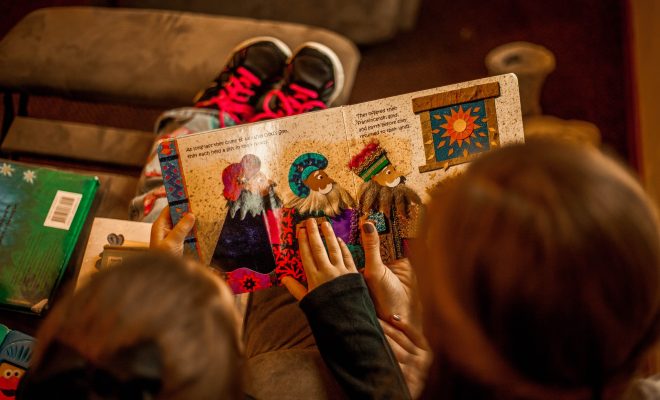
Literacy is a primary focus in kindergarten, and teachers want parents to recognize its long-term significance. Building a strong foundation in reading and writing during these early years sets the stage for future academic success. Teachers often use a variety of engaging methods to promote literacy, such as storytelling, phonics games, and interactive reading sessions.
Parents can play an active role in promoting literacy by reading to their children regularly, encouraging them to tell stories, and providing access to a variety of books. Creating a print-rich environment at home, where children see letters, words, and books, can significantly enhance their literacy development.
Embracing Mistakes: The Value of Resilience
Lastly, kindergarten teachers want parents to understand that mistakes are a natural and essential part of the learning process. Children will encounter challenges as they navigate new concepts and skills. Teachers encourage a growth mindset, where mistakes are viewed as opportunities for learning rather than failures.
Parents can support this mindset by modeling resilience and encouraging their children to try again when they face difficulties. Celebrating efforts, rather than just outcomes, helps children develop perseverance and a love for learning.
Conclusion: Partnering for Success in Kindergarten
In summary, kindergarten is a transformative time for children and their families. By understanding the key insights that kindergarten teachers want parents to know, families can better support their children's educational journeys. From fostering social skills and independence to promoting a love for learning and resilience, the collaboration between parents and teachers is essential for nurturing successful, confident learners. Embracing these insights will create a positive foundation for continued growth and development throughout the school years and beyond.