22 Best Halloween Costume Ideas for Teachers for 2026 – 2027
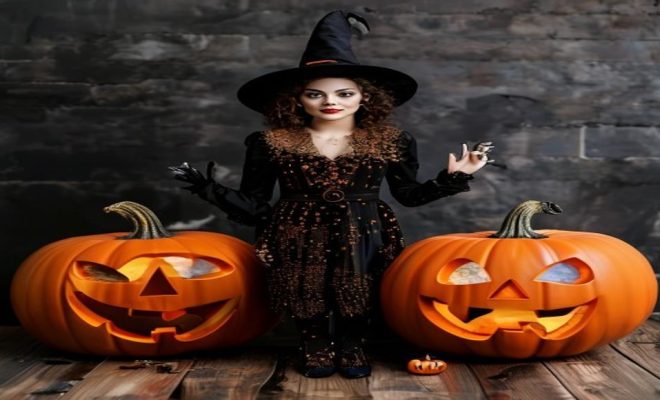
“`html
As the leaves turn and the air becomes crisp, many teachers find themselves in a unique position: how to celebrate Halloween in a fun, engaging, and sometimes educational way. Halloween isn’t just a time for students to dress up; it’s an opportunity for teachers to show their creative sides. If you’re on the hunt for innovative Halloween costume ideas for teachers for the upcoming 2026-2027 school year, you’ve come to the right place. From classic characters to clever thematic concepts, here are 22 fantastic costumes that are sure to impress your students and colleagues alike.
1. Willy Wonka: The Whimsical Candy Maker
Channel your inner chocolatier with a Willy Wonka costume. This vibrant outfit can include a purple coat, a top hat, and a colorful bow tie. You can make this costume even more engaging by incorporating props like candy bars or golden tickets that you can hand out to students for special treats. Visual aids can also help you incorporate topics on candy-making or the science of sugar in your lessons.
While this character is whimsical, it also presents a chance to discuss the importance of creativity and imagination in education. Plus, who doesn’t love a good chocolate reference? It’s sure to spark conversations and create memorable interactions in the classroom.
2. Harry Potter Teacher: Hogwarts Comes to Your Classroom
Why not bring a bit of magic into the classroom with a Harry Potter-themed costume? Dress up as a Hogwarts professor, complete with robes, a wand, and perhaps a Gryffindor or Slytherin scarf. This costume serves as a fantastic conversation starter about literary themes, character development, and even the lessons found in J.K. Rowling’s beloved series.
To make it even more interactive, you could organize a mini-quiz or trivia game about the Harry Potter series, integrating fun learning with your costume. This way, you’ll combine fun and education seamlessly, captivating your students’ imagination while teaching them important lessons.
3. Science Experiment Gone Wrong: A Creative Twist on Science
This costume allows you to be both funny and educational! Dress in a lab coat, goggles, and messy hair to portray a mad scientist whose experiment has gone awry. Add props like plastic test tubes or rubber snakes for effect. This costume embodies the spirit of inquiry and experimentation, encouraging students to engage with science.
Use this opportunity to delve deeper into scientific concepts while showcasing the wonders of the scientific method. You could even plan a Halloween-themed experiment or demonstration to bring the concept to life.
4. Classic Storybook Characters: Bring Literature to Life
Employ the timeless allure of classic literature by dressing up as characters from beloved children’s books. Whether it’s the Cat in the Hat, a fairy tale princess, or even the Big Bad Wolf, these costumes can make reading more exciting for students. When students see their favorite characters come to life, it strengthens their connection to books.
Consider incorporating read-aloud sessions or themed literary discussions during the week leading up to Halloween. This can enhance students’ engagement with literature while enjoying the festivities.
5. Art Supplies Costume: A Creative Representation
For art teachers or anyone fond of creativity, dressing up as a palette or a collection of art supplies can be a delightful option. Use colorful clothing or fabric swatches and attach paintbrushes and crayons throughout your outfit. This costume can be a playful representation of the importance of creativity in education.
Invite students to participate by having them decorate parts of your outfit with their own designs or colors, making the costume a collaborative effort that promotes artistic expression.
6. Superhero Teacher: Saving the Day, One Lesson at a Time
Transform into a superhero, complete with a cape and mask, to showcase your power as an educator. This costume can reflect your subject specialty by adding elements related to math, science, or literature, like a giant pencil or a book. You can even create a backstory about how you fight ignorance or inspire learning.
This costume not only entertains but can also inspire students to see themselves as superheroes in their own educational journeys. Why not encourage them to design their own superhero identities related to school subjects?
7. Time Traveler: A Lesson in History
Dress as a time traveler, combining various historical elements from different eras. You can mix clothing styles from the past and the future to create a visually striking costume. This not only sparks curiosity about history but also provides a fantastic opportunity to discuss timelines and significant historical events with your students.
To amplify the learning experience, throw in some fun facts or quizzes about history throughout the day. This interactive approach helps students connect with the subject matter while having fun. (See: Halloween history and traditions.)
8. Emoji Costume: Express Yourself
In today’s digital world, dressing up as an emoji can resonate well with students. Choose a favorite emoji, and create a costume that reflects its characteristics. This modern approach opens discussions about digital communication and the importance of understanding feelings and expressions.
Additionally, you can encourage students to create their emoji costumes and celebrate individuality and expression. This can lead to a fun class activity where everyone shares their chosen emoji and what it represents to them.
9. DIY Costume from Recyclables: Eco-Friendly and Educational
For teachers looking to inspire sustainability, a costume made from recyclable materials can be a striking choice. Gather items like cardboard boxes, old newspapers, or plastic bottles to create a unique outfit. This costume not only encourages creativity but also teaches students about recycling and environmental responsibility.
Consider collaborating with your class to create matching recyclable outfits, engaging them in crafting while discussing the importance of sustainability in today’s world.
10. Literary Character Mash-Up: A Fun Combination
Combining elements from different literary characters into one costume is a unique and humorous idea. Think of a Frankenstein’s monster dressed in a wizard’s robe or a pirate with a detective’s hat. This mash-up can be a fun way to talk about different genres and characters.
Invite students to create their own character mash-ups for a costume day and encourage them to explain their choices. This not only enhances creativity but also fosters discussions about the literature they study.
11. Classic Movie Characters: Nostalgia in the Classroom
Dressing up as characters from classic movies can be a delightful nod to cinematic history. Whether it’s Dorothy from *The Wizard of Oz* or a character from *Star Wars*, these costumes allow for a fun exploration of film and storytelling.
Use this costume to introduce themes in film and literature, encouraging students to think critically about character development and plot. You can also plan a film-related activity where students analyze the character you portray.
12. Detective or Spy: Unraveling the Mysteries
Donning a detective’s outfit complete with a trench coat, fedora, and magnifying glass can turn you into a mystery-solving teacher! This costume is perfect for discussing mystery novels, critical thinking, and problem-solving in the classroom. (best costume ideas for teachers)
Engage your students with mystery-themed lessons or scavenger hunts, allowing them to put their detective skills to the test while having fun.
13. Seasonal Characters: Embrace the Spirit of Halloween
Embrace the spirit of Halloween by dressing up as a traditional character, such as a witch, ghost, or pumpkin. These costumes can be simple yet effective, allowing you to participate in the festivities while keeping it fun.
Incorporate some spooky storytelling or Halloween-themed lessons around your costume. This can create an atmosphere of excitement while teaching students about the history and significance of Halloween.
14. Historical Figures: Learning Through Costume
Choosing to dress up as a famous historical figure can be both educational and engaging. You could take on the persona of someone like Rosa Parks, Albert Einstein, or Marie Curie. This not only sparks curiosity about different historical periods but also provides an opportunity for discussions about their contributions to society.
To enhance this experience, consider a classroom project where students research and present on historical figures, further enriching their learning experience.
15. Animal Costumes: Bring the Wild into the Classroom
Dressing up as an animal can be an entertaining way to engage younger students. Whether it’s a lion, owl, or butterfly, these costumes can be playful and visually appealing. Use this costume to discuss animal habitats, behaviors, and conservation.
Incorporate educational activities that showcase animal facts or creative projects related to wildlife, fostering a love for nature among your students.
16. Fantasy Characters: Unlocking Imagination
Characters from fantasy novels or films, such as elves, dragons, or witches, can captivate students’ imaginations. This costume theme allows you to dive into discussions about fantasy literature and storytelling techniques.
Consider hosting a fantasy-themed day where students can dress up and share their favorite fantasy stories, creating a magical atmosphere in the classroom. (See: importance of mental health in education.)
17. Sports Figure: Celebrate Athleticism
Dressing as a famous athlete or sports figure can promote discussions about hard work, determination, and teamwork. Whether it’s a well-known football player, a basketball legend, or a coach, sports costumes can resonate well with students.
Encourage students to share their favorite sports figures or stories about perseverance, making this a great opportunity for character education and motivation.
18. Tech Guru: Embracing the Digital Age
As technology takes a central role in education, dressing up as a tech guru can be both fun and relevant. Wear a costume that incorporates gadgets and tech accessories, showing students the importance of technology in learning.
Host tech-related discussions or projects, allowing students to explore the role of technology in today’s world and its impact on their education.
19. Fairy Tale Villain: A Twist on the Classic
Explore the darker side of fairy tales by dressing as a villain like the Evil Queen or Captain Hook. This costume can lead to interesting discussions about character motivations and the complexities of storytelling.
Encourage students to write their own stories or reinterpretations of fairy tales, incorporating the nuances of character development. popular choices for educators offers useful background here.
20. Nature Explorer: A Nod to the Outdoors
Dressing up as a nature explorer or a park ranger can inspire a love for the great outdoors. Use outdoor clothing and accessories, such as binoculars or a map, to create an adventurous look.
Use this costume to discuss environmental science or the importance of nature, encouraging students to engage with the world around them.
21. Comic Book Character: A Tribute to Graphic Novels
Dress as a popular comic book character to celebrate the world of graphic novels. Whether it’s a superhero or a beloved sidekick, this costume can highlight storytelling through visuals.
Encourage students to explore the world of comics and graphic novels, discussing how illustrations enhance storytelling and engage readers.
22. DIY Group Costumes: Team Spirit
Encourage collaboration by planning a group costume with your colleagues. Choose a theme that allows each teacher to contribute their own interpretation, such as characters from a movie or historical figures. This not only fosters teamwork but also enhances camaraderie among staff.
Group costumes can lead to memorable experiences and create a fun atmosphere throughout the school. Not to mention, they can inspire students to join in on the fun and create their own group costumes!
Additional Halloween Costume Ideas for Teachers
While the previous ideas cover a wide range of themes and subjects, there are always more creative options to consider. Every year, trends and interests evolve, and teachers can tap into these to create memorable costumes. Here are a few more ideas that align with popular culture and current events:
23. Influencer or Social Media Star
Dressing up as a popular influencer could resonate well with students. Choose a well-known figure from social media platforms and recreate their signature look. Elements like stylish clothing, bold accessories, and a prop smartphone can complete the ensemble. This costume can instigate discussions about social media’s impact on society, digital citizenship, and self-expression.
24. Gardener or Plant Enthusiast
With the rise of environmental awareness and gardening trends, dressing as a gardener or plant enthusiast can be both fun and educational. Wear an apron, gardening gloves, and a sun hat, and carry around potted plants or gardening tools as props. This theme can lead to exciting conversations about botany, ecology, and the importance of plants in our environment. (See: latest news on educational trends.)
25. Historical Explorer
Dressing up as an explorer, such as Marco Polo or Lewis and Clark, can spark interest in history and geography. Sporting a rugged outfit with maps and a compass prop can open avenues for discussions about exploration, different cultures, and the world’s geography. Students might even enjoy a related project where they research and present on famous explorers.
26. Cyberpunk Character
With the rise of cyberpunk in pop culture, a costume reflecting this genre can be both trendy and intriguing. Think neon colors, tech-inspired accessories, and futuristic elements. This allows for discussions around technology’s role in future societies, ethics in tech, and even creative writing exercises about futuristic scenarios.
27. Pop Art Character
Channel your inner Andy Warhol with a pop art-inspired costume. Bright colors, bold patterns, and comic-style speech bubbles can create a striking look. This can lead to discussions about art movements, the significance of pop culture in art, and even creative projects where students can express their own ideas through pop art.
28. Favorite Childhood Cartoon Character
Dressing as a beloved cartoon character from your childhood can be nostalgic for both you and your students. Whether it’s Scooby-Doo, Bugs Bunny, or someone from *Cartoon Network*, these costumes can spark laughter and joy. Use this opportunity to discuss animation, storytelling, and how cartoons have evolved over the years.
Halloween Costume Planning Tips
Planning your Halloween costume can be a fun yet challenging task. Here are some tips to make the process smoother:
- Start Early: The earlier you begin planning, the more options you’ll have. You can gather materials, make adjustments, and even involve students in the process.
- Set a Budget: Determine how much you’re willing to spend on your costume. There are plenty of creative ways to put together a great outfit without breaking the bank, such as repurposing old clothes or borrowing items.
- Consider Comfort: You’ll be wearing this costume for an entire school day, so prioritize comfort. Ensure that your costume allows for movement and is not too bulky.
- Engage Students: Involve your students in the costume planning process. You could run a vote on which costume you should wear, or even have a costume-making session where they help you craft elements of your outfit.
- Incorporate a Lesson: Think about how you can tie your costume into a lesson. This not only makes the day more engaging but also reinforces learning in a fun way.
Frequently Asked Questions
1. How can I choose a costume that resonates with my students?
Consider your students’ interests and what has been popular in recent years. Popular movies, books, and social media personalities can be great references. You might also ask your students about their favorite characters or trends.
2. Can I wear a costume that includes a mask?
While masks can be fun, consider your school’s policy on face coverings, especially if they restrict visibility or communication. If you want to wear a mask, opt for one that is easy to remove or one that complements your costume without obstructing your face.
3. What if I don’t have a lot of time to prepare a costume?
Don’t fret! There are plenty of last-minute costumes you can throw together with items you likely already have. For instance, a “tourist” can be created with a Hawaiian shirt, shorts, and sunglasses. Sometimes, simplicity can be just as effective and humorous!
4. How do I make my costume educational?
Think about the subjects you teach and how they can be incorporated into your costume. For instance, dressing as a historical figure can lead to discussions about that person’s impact, or a science-themed costume can connect to a lesson about the scientific method.
5. What are some group costume ideas for teachers?
Group costumes can be a lot of fun! You could choose a theme, such as superheroes, characters from a favorite book series, or famous scientists. Collaborate with colleagues to brainstorm creative ways to represent your chosen theme.
As teachers, taking part in Halloween festivities can not only be a chance to express creativity but also a way to engage students in meaningful discussions and learning opportunities. From imaginative characters to historical figures, the possibilities are endless. Whichever costume you choose, remember that the goal is to inspire, educate, and have fun!
“`
Trending Now
Frequently Asked Questions
What are some creative Halloween costume ideas for teachers?
Teachers can embrace their creativity with costumes like Willy Wonka, Harry Potter, or even classic characters like a mad scientist. These costumes not only entertain but can also serve as engaging teaching tools that spark discussions and enhance learning.
How can teachers make Halloween costumes educational?
Teachers can incorporate educational themes into their Halloween costumes by using props and visual aids. For example, a Willy Wonka costume can lead to lessons on candy-making, while a Harry Potter costume can inspire discussions on literature and character analysis.
What are some fun Halloween themes for classrooms?
Popular Halloween themes for classrooms include literary characters, classic monsters, and whimsical figures like Willy Wonka. These themes allow teachers to engage students through creative storytelling and interactive lessons while celebrating the holiday.
What should teachers consider when choosing a Halloween costume?
When selecting a Halloween costume, teachers should consider the costume's relevance to their subject, its potential to inspire conversations, and its appropriateness for a school environment. Costumes that can incorporate educational elements are ideal.
Are there Halloween costume ideas that promote student interaction?
Yes, costumes like Harry Potter can promote student interaction through quizzes and trivia games related to the theme. Engaging students with interactive elements helps create a fun and memorable learning experience during Halloween.
Agree or disagree? Drop a comment and tell us what you think.