15 Free Social Justice Lesson Plans & Activities for Educators
“`html
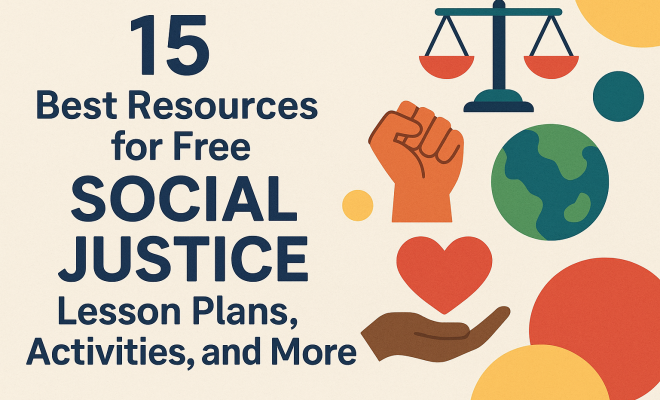
In today’s dynamic educational environment, teaching social justice is more important than ever. Educators are recognizing that integrating social justice concepts into their curriculum not only fosters critical thinking but also helps students become engaged citizens. If you’re looking for free social justice lesson plans and resources, you’re in the right place. Here are 15 of the best resources that will help you introduce these vital topics in your classroom.
1. Teaching Tolerance
Teaching Tolerance, a project of the Southern Poverty Law Center, provides an extensive collection of free educational resources that promote social justice and inclusivity. Their lesson plans cover a range of topics, including race, gender, and equity. Each lesson is designed to be adaptable for various grade levels, making it easier for teachers to find the right fit for their classroom.
In addition to lesson plans, Teaching Tolerance offers videos, articles, and other multimedia resources that can enhance classroom discussions. Their comprehensive curriculum is not only beneficial for teachers but also encourages students to develop empathy and understanding for diverse perspectives.
2. Facing History and Ourselves
Facing History and Ourselves is another invaluable resource for educators seeking to teach social justice. Their lesson plans focus on historical events and how they relate to contemporary issues. Educators can access a wide range of units that cover topics from the Holocaust to the Civil Rights Movement, helping students make connections between the past and present.
The organization also provides a wealth of professional development opportunities for teachers, ensuring they feel confident in tackling sensitive subjects. By integrating social justice themes into their curriculum, teachers can foster critical thinking skills in their students.
3. Human Rights Education Associates (HREA)
HREA is dedicated to promoting human rights education globally. They offer various resources, including free lesson plans that focus on human rights issues. Their materials are designed to be accessible and can be adapted for different educational settings.
By utilizing HREA’s resources, educators can help students gain a deeper understanding of human rights laws and their implications. The lesson plans encourage active participation, making social justice education engaging and relevant.
4. Social Justice School
The Social Justice School serves as a hub for educators interested in implementing social justice topics in their classrooms. Their resources include free lesson plans, activities, and project ideas that cater to various grade levels. The content is designed to inspire critical thinking and engagement among students.
The Social Justice School also emphasizes creating inclusive environments where students feel safe discussing complex issues. This focus on classroom culture is essential for fostering open dialogue about social justice themes.
5. Share My Lesson
Share My Lesson is a platform that connects educators with free teaching resources created by other educators. The site features a section dedicated to social justice lesson plans and activities. Teachers can easily search for materials that align with their curriculum and grade level.
This resource is particularly valuable because it allows teachers to share their own lesson plans and experiences, fostering a community of collaboration. By leveraging the insights and creativity of other educators, you can enrich your own social justice curriculum.
6. Edutopia
Edutopia is well-known for its commitment to providing educators with innovative teaching strategies. Their resources on teaching social justice encompass articles, videos, and lesson plans. They emphasize hands-on learning and real-world connections, making social justice topics engaging for students.
In addition to lesson plans, Edutopia offers tips and strategies for facilitating discussions on sensitive topics. This guidance is crucial for educators who want to ensure that conversations about social justice are respectful and productive. (See: CDC on social determinants of health.)
7. Common Sense Education
Common Sense Education focuses on digital citizenship and social responsibility. Their resources include lesson plans that address social justice issues, particularly in the context of technology and media literacy. Educators can find materials that help students critically analyze the information they encounter online and understand its social implications.
This focus on media literacy is particularly relevant in today’s digital age, where misinformation can easily spread. By equipping students with the tools to navigate these challenges, teachers can foster a generation of informed and responsible citizens.
8. Education for Liberation Network
The Education for Liberation Network is dedicated to social justice education and offers an array of resources for educators. Their lesson plans focus on issues such as anti-racism, gender equity, and environmental justice. These materials are designed to empower students and encourage them to take action in their communities.
In addition to lesson plans, the network provides workshops and resources for teachers to deepen their understanding of social justice issues. This professional development component is vital for educators looking to create impactful learning experiences.
9. Learning for Justice
Formerly known as Teaching Tolerance, Learning for Justice continues to offer robust resources for educators focused on social justice education. Their lesson plans are categorized by themes such as identity, diversity, and justice, making it easy for teachers to find relevant materials.
Learning for Justice also emphasizes the importance of student voice, encouraging educators to create spaces where students can share their experiences and perspectives. This approach not only enriches discussions but also helps students feel valued in the classroom.
10. Project Look Sharp
Project Look Sharp provides educators with resources to teach media literacy and critical thinking through a social justice lens. Their lesson plans not only cover social justice topics but also help students analyze media messages and their impact on society.
This dual focus on social justice and media literacy is essential in equipping students with the skills they need to navigate today’s complex information landscape. Project Look Sharp’s resources are designed to foster critical thinking and promote informed citizenship. See also favorite social justice apps.
11. Teaching for Change
Teaching for Change is dedicated to providing educators with the resources needed to teach social justice topics effectively. Their materials focus on creating a more equitable society through education. Lesson plans, resources, and practical strategies are available for teachers to implement in their classrooms.
One of the standout features of Teaching for Change is their commitment to culturally relevant pedagogy. By incorporating diverse perspectives into the curriculum, educators can help students understand the complexities of social justice issues.
12. NAACP Education
The NAACP provides educational resources that focus on civil rights and social justice. Their lesson plans are designed to educate students about the history of the civil rights movement and its ongoing relevance today. These resources help students understand the importance of advocacy and activism.
The NAACP’s commitment to social justice education is evident in their resources, which are designed to inspire students to take an active role in their communities. By teaching about the struggles and triumphs of past activists, educators can empower the next generation to continue the fight for equality.
13. Global Pursuit
Global Pursuit aims to educate students about global social justice issues. Their resources include lesson plans and activities that encourage students to think critically about global challenges such as poverty, inequality, and environmental degradation.
By framing social justice issues within a global context, Global Pursuit helps students understand their interconnectedness and the impact of their actions. This global perspective is crucial for fostering empathy and understanding among young learners.
14. UNESCO Education for Sustainable Development
UNESCO’s Education for Sustainable Development initiative focuses on social justice in the context of environmental education. Their resources provide educators with lesson plans that connect sustainability with social equity, offering a comprehensive approach to teaching these intertwined issues.
By integrating sustainability education with social justice, teachers can help students understand the broader implications of their choices. This holistic approach encourages critical thinking and empowers students to advocate for positive change.
15. Youth Activism Project
The Youth Activism Project centers on empowering young people to become active participants in social justice movements. Their resources include lesson plans and activities that encourage students to engage with current social issues and develop their activism skills.
By promoting youth activism, this project helps students understand the importance of their voices and actions. Educators can leverage these resources to inspire the next generation of leaders who are committed to social justice.
Understanding the Impact of Social Justice Education
Teaching social justice in schools can significantly change the classroom environment and students’ perspectives. Research shows that when students engage with social justice topics, they are more likely to develop critical thinking skills, empathy, and a sense of responsibility toward their communities. A study by the National Education Association found that students who are educated about social justice issues tend to perform better academically and socially.
For example, a high school in California integrated social justice into its curriculum and saw a 20% improvement in student engagement and academic performance after implementing these lesson plans. This shift not only benefited the students academically but also socially, resulting in an increase in student-led community projects addressing local issues.
Real-World Applications of Social Justice Education
Incorporating social justice lessons into the curriculum allows students to engage with real-world issues actively. Lessons can include projects that involve community service, advocacy campaigns, or partnerships with local organizations working on social justice matters. For instance, students might partner with a local food bank to address food insecurity in their community. This hands-on approach helps students see the tangible impact of their learning and inspires them to be proactive about social issues.
Furthermore, schools that emphasize social justice often witness a decrease in bullying and discrimination among students. According to a report by the Anti-Defamation League, schools that implement social justice education report a 30% decrease in incidents of bullying. This change occurs because social justice education fosters a greater understanding of diversity and develops empathy among students.
Expert Perspectives on Social Justice Education
Many educators and researchers advocate for the inclusion of social justice topics in school curricula. Dr. Gloria Ladson-Billings, a prominent education researcher, emphasizes that schools must prepare students to navigate a diverse society. She argues that teaching social justice is essential for students to understand their roles as citizens in a democratic society.
“Education should not just be about the accumulation of knowledge but also about the development of critical consciousness,” she states. This perspective resonates with many teachers who aim to create learning environments that empower students to think critically about the world around them.
Frequently Asked Questions about Social Justice Lesson Plans
What are social justice lesson plans?
Social justice lesson plans are educational resources designed to teach students about equity, rights, and the importance of social responsibility. These plans often cover topics such as racism, gender equality, environmental justice, and human rights.
How can I find free social justice lesson plans?
There are numerous online platforms dedicated to providing free lesson plans. Websites such as Teaching Tolerance, Facing History and Ourselves, and Share My Lesson offer extensive resources that educators can access at no cost.
Are social justice lesson plans suitable for all grade levels?
Yes, many resources offer lesson plans that are adaptable for various age groups. It’s essential to choose materials that are developmentally appropriate for your students. Many platforms allow you to filter resources by grade level, making it easier to find suitable options.
Can social justice education improve student engagement?
Absolutely! When students learn about social justice, they often find the topics relatable and applicable to their lives. This relevance can lead to higher engagement, as students become passionate about issues that matter to them and their communities.
How can I incorporate social justice education into my existing curriculum?
You can integrate social justice themes into subjects you already teach. For example, in history classes, discuss civil rights movements; in literature, explore stories from diverse perspectives. Additionally, consider project-based learning initiatives that address local social issues.
What challenges might educators face when teaching social justice?
Teaching social justice can sometimes lead to sensitive discussions. Educators might encounter resistance from parents or administrators. It’s important to approach these topics thoughtfully, fostering an environment where open dialogue is encouraged and respected.
Additional Resources for Deepening Social Justice Education
To further enhance the educational experience surrounding social justice, teachers can explore various additional resources that align with their lesson plans. Here are some valuable suggestions:
Books that Inspire
Incorporating literature that addresses social justice themes can provide students with diverse perspectives and deepen their understanding. Some recommended titles include: (top resources for lesson plans)
- The Hate U Give by Angie Thomas – A story about race and identity that resonates with young readers.
- Just Mercy by Bryan Stevenson – A powerful narrative on justice and redemption that can spark discussions about legal inequalities.
- Between the World and Me by Ta-Nehisi Coates – A profound letter from a father to his son about the realities of being Black in America.
Documentaries and Films
Visual storytelling can be an impactful way to convey social justice issues. Films and documentaries can serve as excellent discussion starters:
- 13th – A documentary that examines the intersection of race, justice, and mass incarceration in the United States.
- Won’t You Be My Neighbor? – This film about Fred Rogers highlights compassion and understanding across differences.
- He Named Me Malala – Focusing on Malala Yousafzai’s advocacy for girls’ education, this film addresses gender inequality and activism.
Community Engagement Initiatives
Encouraging students to participate in community service projects or advocacy initiatives can help them apply what they’ve learned. Consider collaborating with local nonprofits, organizing community clean-ups, or hosting awareness campaigns at school. Engaging with the community not only enriches students’ learning experiences but also fosters a sense of responsibility and agency.
Professional Development for Educators
Ongoing professional development is essential for educators looking to expand their knowledge and efficacy in teaching social justice. Workshops, webinars, and conferences focusing on social justice education can provide valuable insights and strategies. Organizations like the National Education Association (NEA) often host events that equip teachers with practical tools to address challenging topics in the classroom.
The Future of Social Justice Education
As society continues to evolve, the importance of social justice education becomes more pronounced. With the rise of digital communication and social activism, young people are increasingly exposed to global issues and social movements. Educators have a crucial role in guiding students through these complexities, helping them to understand both local and global contexts of social justice.
Schools that adopt social justice education not only prepare students academically but also cultivate compassionate, informed citizens who are ready to advocate for their rights and the rights of others. With the right resources and support, educators can create a transformative learning environment that empowers students to make meaningful change in their communities.
Incorporating free social justice lesson plans into your curriculum can profoundly impact students’ understanding of the world around them. These 15 resources provide a strong foundation for educators seeking to foster dialogue, critical thinking, and action among their students. By embracing social justice education, teachers can equip their students with the tools needed to navigate and change the world for the better.
“`
Trending Now
Frequently Asked Questions
What are the best resources for social justice lesson plans?
Some of the best resources for social justice lesson plans include Teaching Tolerance, Facing History and Ourselves, and Human Rights Education Associates (HREA). These platforms offer a variety of free lesson plans, activities, and multimedia resources that help educators effectively teach social justice concepts.
How can I teach social justice in the classroom?
To teach social justice in the classroom, educators can utilize free resources like Teaching Tolerance and Facing History, which provide lesson plans and activities focused on topics such as race, gender, and equity. Engaging students in discussions about historical events and contemporary issues can also foster critical thinking and empathy.
Are there free resources for social justice education?
Yes, there are numerous free resources available for social justice education. Websites like Teaching Tolerance and Facing History and Ourselves offer lesson plans, articles, and multimedia tools that educators can use to introduce social justice topics in their classrooms.
What topics are covered in social justice lesson plans?
Social justice lesson plans cover a range of topics including race, gender, equity, human rights, and historical events like the Holocaust and the Civil Rights Movement. These themes are designed to help students understand diverse perspectives and develop critical thinking skills.
How do social justice lesson plans benefit students?
Social justice lesson plans benefit students by fostering critical thinking, encouraging empathy, and promoting active citizenship. By engaging with diverse perspectives and historical contexts, students become more aware of social issues and are better prepared to contribute positively to their communities.
What’s your take on this? Share your thoughts in the comments below — we read every one.