106 Experts Predict the Future of Higher Education
“The future of education is digital. We live in an increasingly digital world, where technology is a part of our lives in so many ways. Now more than ever, it is crucial that we incorporate digital technology into education. To prepare students for higher education and future jobs, we must ensure that they are familiar with technology. Administrators who want to prepare their K-12 school for the future of education should look at the ways they use technology in the classroom. Schools that are future-ready are those that blend technology with learning seamlessly and include technology in nearly every lesson.”
I just shared my thoughts on the future of education, but what do my peers think? To find out, we decided to produce an expert roundup on the topic of the future of education. We asked 106 education experts to answer one question: “What are your thoughts on the future of education?” In part 3 of this series, we will focus on the future of higher education.
Higher Education
*Numbering is for organizational purposes only, and does not denote a participants rank or level of influence.
1. D. Mark McCoy, President
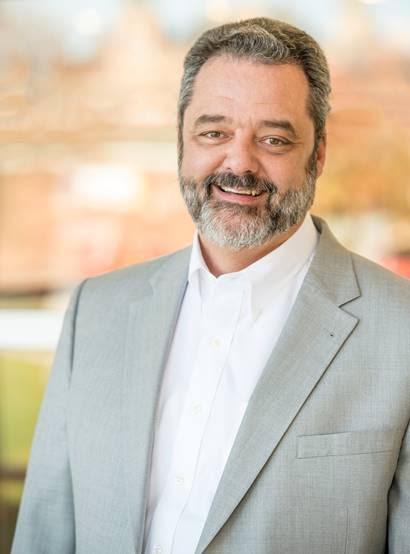
“Higher education must reinvent itself to be relevant to the challenges of today’s world. When costs and debt soar while innovation and application lag, families struggle. We must do more than recognize change; we must lead it. To do so, we must think and act differently. “The dogmas of the quiet past are inadequate for the stormy present.” The future of work is changing. I use to say that we can no longer expect a sustainable future for bright but uneducated people. Now I feel that way about people educated via the methods of the past.”
Twitter: @DMarkMcCoy
2. Michael Desiderio
Executive Director of the Executive MBA Council
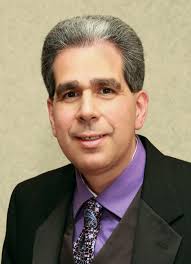 “Artificial Intelligence (AI), Augmented Reality (AR) and Virtual Reality (VR), are all technological innovations that the education space is going to have to deal with in one form or another in the future. Some segments of education will embrace them, some will watch them and others will ignore them. Hybrid learning will continue to expand, and as it does AI, AR, and VR will be used to enhance the education experience. For example, using chatbots to field student queries affords 24/7 access, further increasing the flexibility of learning solutions. Education is here to stay, and so is technology – the convergence will continue.”
Twitter: @EMBACouncil
3. Donna Loraine
President of Carrington College

“Education is about making successful learning connections with students in a changing world. Just as our teaching techniques have changed to address our current learners, these will continue to evolve. The future will introduce even more sophisticated technologies adjusting our teaching models to match how our new generations of students are accustomed to connecting with information. Additionally, global and industry partner collaboration with the education environment will become the norm, and more flexible, virtual alternatives will add educational options to traditional brick and mortar learning.”
4. Dr. Pareena Lawrence
President of Hollins University
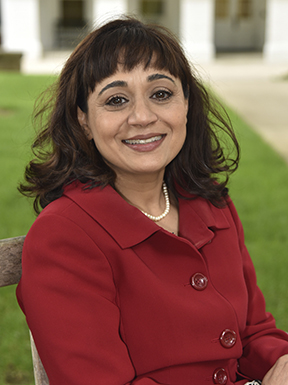 “While much of the education colleges and universities are providing is becoming increasingly specialized, cross-functional skills such as adaptability and critical thinking, and the ability to connect the dots and understand context will continue to be vital even with the changing nature of jobs. As technology rapidly evolves, knowledge base expands, and industries continue to automate, a narrow subset of specialized skills and knowledge may not apply to jobs five or ten years in the future. Simply put, there is no replacement for the value of a liberal arts degree.”
Twitter: @PresLawrence
5. Dr. Susan Bainbridge
Distance Education Specialist
 “Higher education will adapt to a more sustainable model that produces graduates with practical skills for a functioning society. Universities in their current form will shrink. They will continue to produce medical doctors, teachers, nurses, engineers, etc., but there will be fewer people enrolling in degrees that offer no practical skills. Society also needs plumbers, electricians, police officers, firefighters, municipal workers, and they require training not philosophy. Distance education will continue to grow for learning and training as people will need to upgrade continually to maintain tech skills required for their jobs.”
Twitter: @eddebainbridge
6. George J. Hagerty
President of Beacon College, Leesburg, Florida
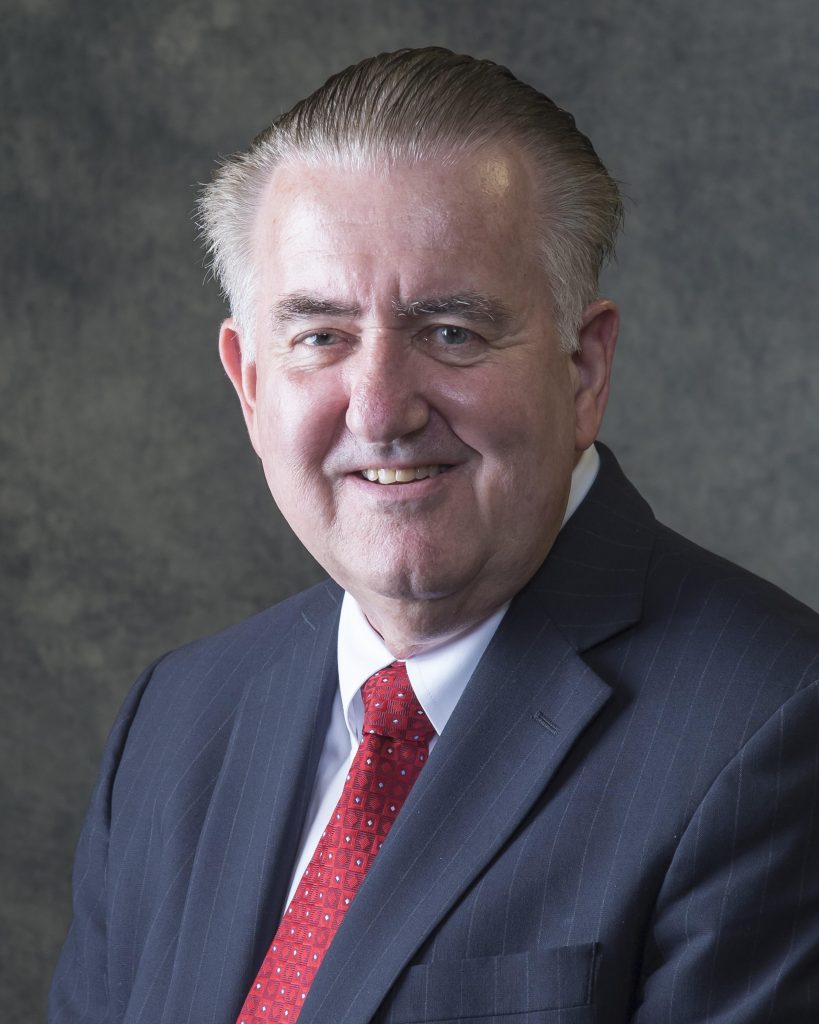 “If we are serious about issues of access, quality, accountability, and even financial efficacy, the educational community must embrace through common practice the imperative of universal design. Architecture, the construction of facilities and public spaces, and even technology have evolved in practice at a much more substantial scope and pace than has the delivery of the instruction and related services that these structural features support. Whether at the K-12 or collegiate level, the increasing diversity of students and the quest for improved learning outcomes will demand that policy-makers and practitioners create environments and common curricula that optimize the results and learning experiences for all modalities and profiles found in the classroom.”
7. Sean Graham, FNT Software
 “To keep pace with the evolving education sector, schools must provide classroom settings that allow for more digital, mobile and technology-based learning environments. Educating the twenty-first century workforce and beyond requires modern IT infrastructure.
In the near future, institutions will have to transform their IT and cable infrastructure into a modern technological system that has the flexibility to adapt to the evolving needs of student, faculty and administration. By providing both traditional and expanded services more efficiently and at lower costs, IT infrastructure will fully support the institution’s main mission of delivering quality education.”
Twitter: @FNTSoftware
8. Steven Klinsky
Founder and CEO
Modern States Education Alliance
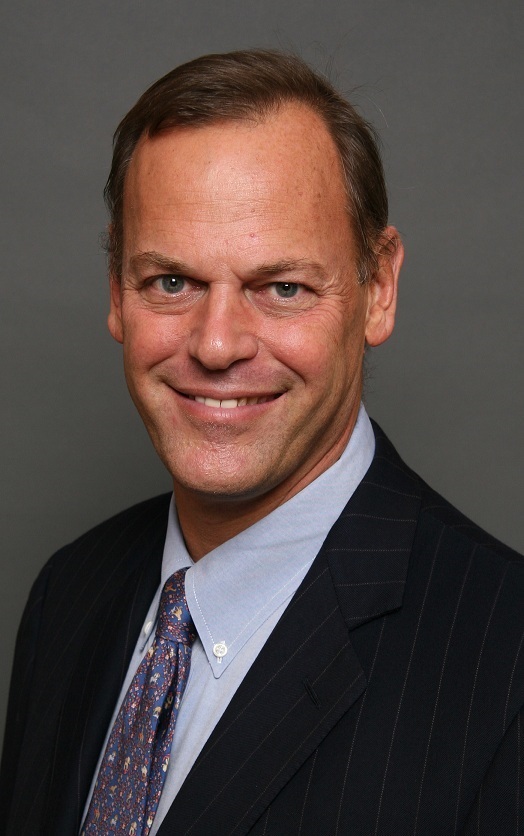 “There will be new paths to affordable college. Five million people take online classes for credit now but at full tuition. It would be very inexpensive for a philanthropy or government to put one ‘best in class’ college course online from a great professor in each subject, available free to all and with a College Board style test attached to prove student skill and earn accreditation at traditional schools. The College Board AP and CLEP exam system and the exam system in the U.K are examples to build upon and expand.”
Twitter: @modernstatesed
9. Marybeth Gasman
Judy & Howard Berkowitz Professor of Education
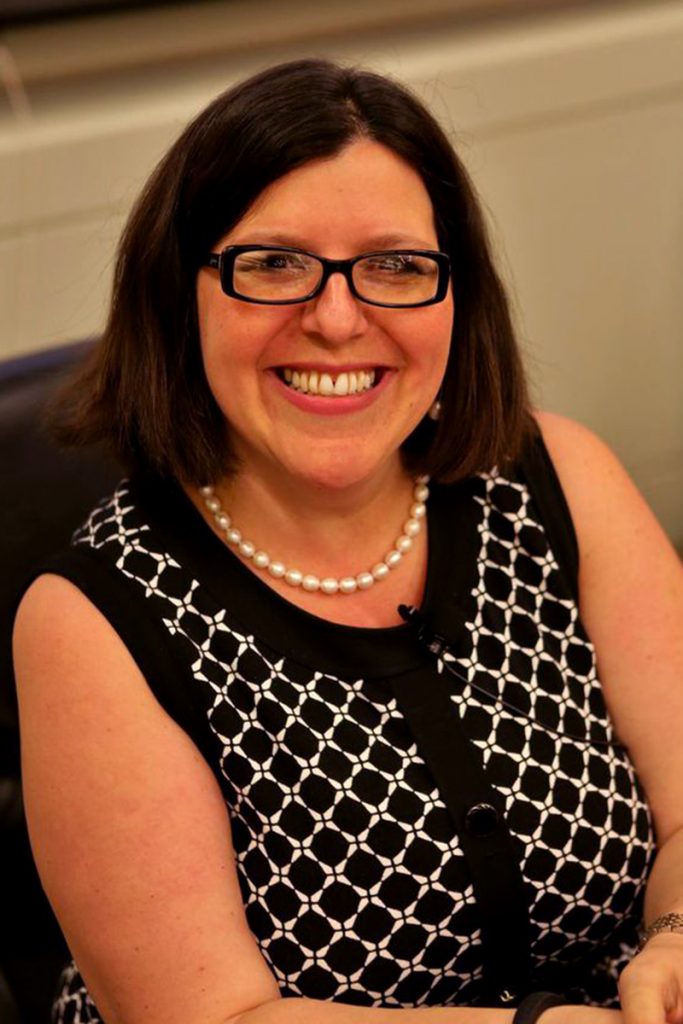 “I think that education needs to become more nimble and flexible – it needs to provide content as well as skills in its delivery. For far too long, we have not concentrated on preparing college faculty that can actually teach —we privilege content knowledge, which is important, but creative and engaging delivery is essential. If we don’t change, we are going to lose students to non-traditional approaches. Higher education will become less relevant.”
Twitter: @marybethgasman
10. Grant Taylor
CEO, Quotanda
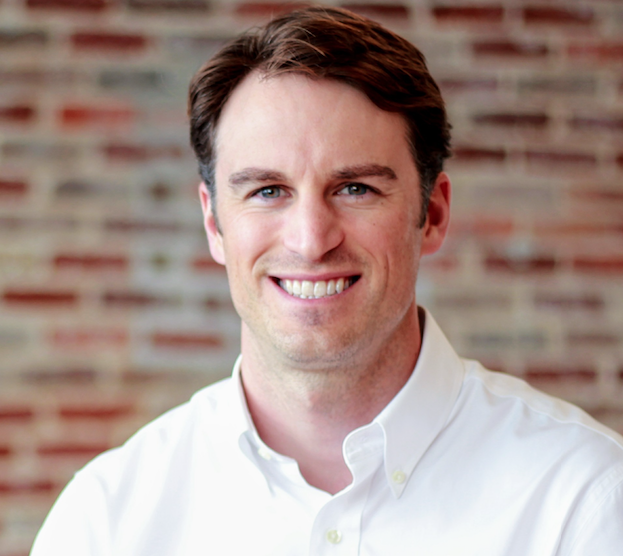 “Online and blended learning is enabling educators and allowing students to learn faster in and outside the classroom. New business models will continue to provide opportunities for students to take short courses for high-demand skills (i.e. code bootcamps, data science, online marketing etc.) with exceptional employment outcomes reflecting a high return on investment (ROI).
Affordability is the greatest barrier to educational access globally, particularly for tertiary education. Automated, digital financial aid (scholarships & loans) from educators and lenders, both public and private, will increasingly expand educational access.”
Twitter: @Quotanda
Conclusion
We would like to thank all our experts for contributing to this roundup. How is your school or organization working to prepare for the future? Let us know what’s worked and what hasn’t worked.
Click here to access all the parts of this roundup series.