Violent Ransom: How French Crypto Millionaires Became Victims of a Brutal New Trend
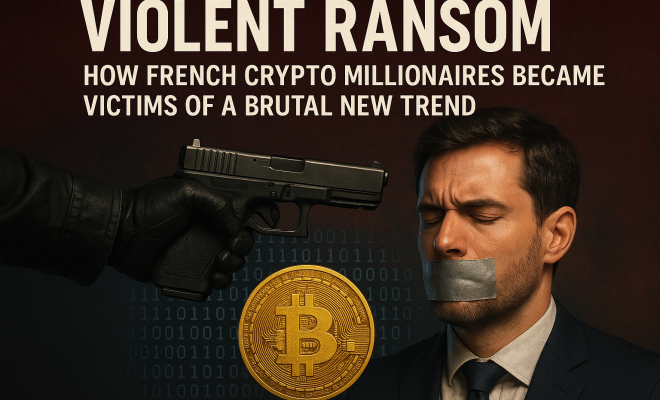
Imagine building a fortune, not through traditional stocks or real estate, but through the volatile, exhilarating world of cryptocurrency. Now, imagine that digital wealth making you a target, leading to a terrifying encounter that blurs the lines between online assets and real-world violence. That’s precisely what happened to two French crypto millionaires in a horrifying incident that recently culminated in a London court, shedding a harsh light on a disturbing trend known as ‘wrench attacks.’
On August 3, 2026, a court in London brought justice to a case that sounds more like a movie plot than a real-life crime. Six men were convicted for the kidnapping, torture, and blackmail of these two individuals, forcing them to transfer approximately $30,000 in digital assets. It’s a stark reminder that in the decentralized, pseudonymous world of crypto, the risks aren’t just market crashes or rug pulls; they can be deeply, brutally physical. The case of these French crypto millionaires serves as a chilling illustration of how wealth, particularly in an emerging and often opaque asset class, can attract the most dangerous elements.
This isn’t an isolated incident. Far from it. This particular crime, while sensational, is part of a growing pattern that’s sending shivers through the crypto community. The rise of ‘wrench attacks’ – physical assaults specifically targeting cryptocurrency holders – is a grim evolution in digital crime, marking a significant shift from phishing scams and online hacks to direct, often violent, confrontation. It’s a phenomenon that demands our attention, not just for the victims, but for anyone navigating the increasingly complex intersection of digital finance and personal security.
The Chilling Reality of ‘Wrench Attacks’
The term ‘wrench attack’ might sound like something out of a cyberpunk novel, but its implications are devastatingly real. It refers to coercive physical violence used to force victims to hand over their cryptocurrency or access to their digital wallets. Think of it: instead of a hacker trying to bypass your firewall, you have assailants at your door, using intimidation and physical harm to extract your private keys or initiate transfers. This is what the two French crypto millionaires endured, a harrowing experience that left them not only financially diminished but physically and psychologically scarred.
The numbers paint a concerning picture. In just the first half of 2026, there were 52 verified wrench attacks reported globally, resulting in a staggering $124 million in financial exposure. What’s particularly striking is the geographical concentration: a significant majority of these incidents are occurring in Europe. This isn’t just about a few isolated crimes; it’s a systemic issue that’s growing in prevalence and sophistication, indicating that criminals are increasingly recognizing the lucrative potential of directly targeting crypto holders.
Why are these attacks becoming so prevalent now? Part of it stems from the fundamental nature of cryptocurrency. Unlike traditional bank accounts, which have layers of institutional protection and reversible transactions, crypto transactions are largely irreversible and often pseudonymous. Once assets are transferred from your wallet, they are, for all intents and purposes, gone. This finality, combined with the often substantial sums held by early adopters and successful investors, makes crypto holders incredibly attractive targets for criminals willing to employ extreme measures.
The French Crypto Millionaires’ Ordeal: A Case Study in Terror
While the court proceedings offered a measure of justice, they also laid bare the horrific details of what the two French crypto millionaires endured. The attackers didn’t just demand money; they inflicted physical and psychological torture. Imagine being burned, held against your will, and subjected to relentless threats until you complied with their demands to transfer your hard-earned digital assets. This wasn’t a quick robbery; it was a prolonged ordeal designed to break their will and force their hand.
The sum involved, approximately $30,000, might seem modest compared to the overall wealth of a millionaire, but it’s crucial to understand the nature of the crime. This wasn’t necessarily about emptying their entire portfolio. It was about proving a point, establishing dominance, and extracting what they could under duress. The psychological impact of such an event extends far beyond the financial loss. It shatters a sense of security, trust, and personal autonomy. For these French crypto millionaires, the value wasn’t just in the coins lost, but in the trauma inflicted.
The fact that this case took place in London, a major global financial hub, also underscores the widespread nature of this threat. Criminals aren’t confined to specific regions or jurisdictions; they operate wherever wealth can be found and exploited. The conviction of the six men involved sends a strong message that law enforcement is taking these crimes seriously, but it also highlights the urgent need for individuals to bolster their personal and digital security measures.
The Role of ‘Finfluencers’ in Fueling the Fire
It’s easy to point fingers at the criminals, but the ecosystem that enables these wrench attacks is more complex. A significant contributing factor to the vulnerability of many crypto holders, even those who become French crypto millionaires, is the pervasive influence of ‘finfluencers’ on social media. These individuals, often without genuine financial expertise or regulatory oversight, promote various investment schemes, from legitimate projects to outright scams, often with exaggerated promises of quick riches. (See: cryptocurrency crime trends.)
The allure of becoming rich quickly is powerful, and finfluencers tap into this desire, pushing risky or fraudulent investments that often lead to significant financial losses for their followers. While these influencers might not directly instigate physical attacks, they contribute to an environment where people are encouraged to put large sums of money into volatile, often opaque, assets without adequate understanding or security precautions. When these schemes inevitably fail, or when individuals do strike it rich, they often become targets. The public nature of many crypto success stories, sometimes inadvertently broadcast by these very finfluencers, can put a target on someone’s back.
Think about it: a finfluencer touts a ‘moonshot’ altcoin that suddenly skyrockets, and they feature testimonials from followers who made a fortune. While exciting, this public display of wealth, especially in a relatively unregulated space, can attract unwanted attention from those with malicious intent. It’s a dangerous feedback loop where aspirational content can inadvertently lead to real-world threats. It’s incumbent upon anyone following these personalities to exercise extreme caution and critical thinking, always remembering that genuine financial advice rarely comes with guarantees of overnight wealth.
Why Cryptocurrency Holders Are Such Prime Targets
The appeal of targeting cryptocurrency holders, particularly those who have become French crypto millionaires, is multifaceted. Firstly, there’s the sheer value. The rapid appreciation of certain digital assets has created significant wealth in a relatively short period, often concentrated in the hands of early adopters. This makes them highly attractive to criminals looking for large scores.
Secondly, the nature of crypto transactions is a major draw for criminals. As mentioned, they are largely irreversible. Once funds are sent from a victim’s wallet, recovering them is incredibly difficult, if not impossible. This contrasts sharply with traditional banking, where fraudulent transactions can often be reversed or funds frozen by financial institutions. This finality means that a successful wrench attack offers a high probability of retaining the stolen funds.
Thirdly, the pseudonymous nature of many cryptocurrencies complicates tracking. While transactions are recorded on public ledgers, identifying the real-world identity of the wallet holder can be challenging without cooperation from exchanges or other centralized entities. This perceived anonymity offers criminals a degree of insulation, though as the London court case demonstrates, it’s not foolproof. The combination of high value, irreversibility, and perceived anonymity creates a perfect storm for this type of violent extortion.
The Broader Implications for Digital Asset Security
The rise of wrench attacks, exemplified by the targeting of French crypto millionaires, has profound implications for digital asset security. It forces a re-evaluation of what ‘security’ truly means in the crypto space. For years, the focus has largely been on cybersecurity – protecting against hacks, phishing, and malware. While these threats remain critical, the physical dimension of security can no longer be ignored.
This means individuals with significant crypto holdings need to think beyond just strong passwords and two-factor authentication. They must consider their physical presence, their public profiles, and how much information about their wealth is accessible to others. It introduces a layer of personal risk assessment that traditional investors rarely have to contend with. We’re talking about things like the security of one’s home, the discretion with which one discusses their investments, and even the vehicles they drive or the jewelry they wear – anything that might signal significant wealth to potential predators.
For the industry, it’s a wake-up call for better education on personal security best practices, not just digital ones. Developers of wallets and exchanges might also need to consider features that could help in such dire situations, though the inherent design of decentralized systems makes ‘kill switches’ or emergency reversals extremely difficult to implement without compromising the core principles of crypto. The challenge is immense, requiring a multi-faceted approach that addresses both digital and physical vulnerabilities.
Protecting Yourself: Actionable Advice for Crypto Holders
Given the escalating threat of wrench attacks, what can individuals, particularly those who have become French crypto millionaires or aspire to, do to protect themselves? It starts with a multi-layered approach to security that integrates both digital and physical precautions. Here’s some actionable advice:
- Be Discreet About Your Wealth: The most crucial step is to avoid flaunting your crypto holdings. This means being extremely cautious about what you post on social media, what you discuss in public, and even how you present yourself. Anonymity, or at least discretion, is your best friend. Don’t broadcast your success or your portfolio size.
- Secure Your Digital Assets: While physical security is now paramount, robust digital security remains non-negotiable. Use hardware wallets (cold storage) for the vast majority of your holdings. Employ strong, unique passwords and multi-factor authentication (MFA) on all accounts, especially exchanges. Regularly audit your security settings.
- Practice Operational Security (OpSec): Think about your digital footprint. Avoid using your real name on crypto forums or social media. Be wary of sharing personal details that could link you to your online identity. Remember, even seemingly innocuous details can be pieced together by determined attackers.
- Enhance Home Security: If you hold significant assets, consider beefing up your home security. This could include alarm systems, surveillance cameras, reinforced doors, and even professional security assessments. Think of it as protecting a physical safe, because that’s essentially what your home becomes when you store access to digital wealth there.
- Develop an Emergency Plan: In the worst-case scenario of a wrench attack, what would you do? Having a pre-determined, albeit unpleasant, plan might save your life. This isn’t about giving in, but about having a strategy to prioritize personal safety. This might involve having a small ‘decoy’ amount of crypto easily accessible to placate attackers, while your primary holdings remain secured elsewhere.
- Seek Professional Advice: Consult with cybersecurity experts, physical security specialists, and even legal professionals who understand digital assets. They can help you identify vulnerabilities and implement comprehensive protection strategies tailored to your specific situation.
The Legal and Law Enforcement Response
The conviction of the six men involved in the attack on the French crypto millionaires signals a maturing response from legal systems and law enforcement. While crypto crime has often presented challenges due to its novel nature and cross-border elements, authorities are clearly developing expertise and resources to tackle these issues. This particular case highlights the effectiveness of traditional investigative methods – forensic evidence, witness testimony, and digital tracing – when applied to crimes involving digital assets.
However, the global nature of cryptocurrency means that international cooperation is essential. The fact that the victims were French nationals and the crime occurred in London underscores the need for seamless collaboration between different countries’ police forces and legal frameworks. As the value of stolen crypto continues to rise, we can expect to see more dedicated task forces and specialized units focusing on crypto-related crime, aiming to bring perpetrators to justice and deter others. (See: overview of violence and crime.)
This also extends to potential legislative changes. Governments worldwide are grappling with how to regulate cryptocurrency, and incidents like wrench attacks will undoubtedly add urgency to discussions around consumer protection, anti-money laundering (AML), and know-your-customer (KYC) regulations. The goal is to strike a balance between fostering innovation and protecting individuals from both financial and physical harm. We covered impact of geopolitical tensions in more detail.
Commercial Opportunities in a Risky Landscape
While the topic of wrench attacks is grim, it also highlights significant commercial opportunities in high-CPC niches. The very fears and vulnerabilities exposed by these incidents drive demand for solutions. For businesses, this translates into a hungry market for:
- Secure Crypto Wallets: The demand for hardware wallets and highly secure software wallets will only grow. Companies offering innovative security features, robust encryption, and user-friendly interfaces are well-positioned.
- Crypto Fraud Legal Advice: Victims of scams, hacks, or physical extortion need legal recourse. Lawyers specializing in digital asset recovery, international law, and cybercrime will find a substantial client base.
- Digital Asset Insurance: Traditional insurance often doesn’t cover crypto losses. There’s a burgeoning market for specialized digital asset insurance that protects against theft, hacking, and even the physical loss of access to funds.
- Cybersecurity and Personal Security Consulting: Individuals with significant crypto holdings will increasingly seek out experts to assess and bolster both their digital and physical security. This includes everything from penetration testing for smart contracts to home security audits.
- Educational Platforms: There’s a critical need for reliable, unbiased information on crypto security, investment best practices, and risk management. Platforms that can cut through the noise of finfluencers and provide genuine value will thrive.
The sensational nature of violent crime linked to the digital world of cryptocurrency makes this topic highly viral, tapping into fundamental fears of both financial and physical insecurity. This virality, coupled with the clear commercial search intent for solutions to these problems, creates a fertile ground for businesses operating in these areas. The tragic experience of the French crypto millionaires, in a perverse way, opens doors for those who can offer genuine protection and peace of mind.
The Psychological Toll and Recovery
Beyond the immediate financial and physical harm, wrench attacks inflict deep psychological trauma. The experience of being physically violated and threatened for your assets can lead to long-lasting effects like PTSD, anxiety, depression, and a pervasive sense of insecurity. Victims, like the French crypto millionaires, often struggle with trust issues, fear of reprisal, and a feeling of vulnerability even long after the event. The recovery process isn’t just about regaining lost funds or healing physical wounds; it’s a journey to reclaim mental and emotional well-being.
Support systems become incredibly important here. Access to therapy, support groups, and a strong network of trusted friends and family can be crucial for healing. For high-net-worth individuals, the isolation that sometimes comes with wealth can exacerbate these feelings. It’s a stark reminder that even financial success doesn’t insulate you from the very human need for safety and psychological peace. The industry needs to consider how to better support victims, perhaps through victim compensation funds or partnerships with mental health professionals specializing in trauma.
International Perspectives: A Global Phenomenon?
While the case of the French crypto millionaires occurred in London and many wrench attacks are reported in Europe, it’s important to recognize that this is a global issue. Organized crime syndicates are increasingly sophisticated and operate across borders. We’ve seen similar incidents reported in Asia, North America, and other regions where crypto adoption is high and wealth is concentrated. For instance, reports from countries like South Korea and the United States show an uptick in home invasions and physical assaults targeting crypto holders, sometimes after careful online reconnaissance.
The methods might vary slightly – some criminals might prefer to snatch phones and force biometric unlocks, while others go for the more brutal ‘wrench attack’ style – but the underlying motive is the same: exploit the irreversibility and high value of digital assets through physical coercion. This global spread necessitates a coordinated international response, not just from law enforcement but also from cybersecurity firms and even within the crypto community itself, sharing threat intelligence and best practices for personal safety across different jurisdictions.
Expert Perspectives on Deterrence
Security experts emphasize that deterrence is multifaceted. Firstly, making oneself a less attractive target is paramount. This means adopting the OpSec practices mentioned earlier and generally maintaining a low profile regarding crypto holdings. Secondly, making the crime itself harder or riskier for the perpetrator. This involves robust home security, emergency plans, and potentially even personal security details for those with exceptionally high net worth.
Thirdly, increasing the likelihood of capture and conviction is a significant deterrent. The London conviction in the French crypto millionaires’ case sends a powerful message. Law enforcement is getting better at tracing crypto transactions, even pseudonymous ones, and linking them to real-world identities. This involves collaboration with exchanges, blockchain analytics firms, and traditional police work. The more criminals realize they aren’t truly anonymous and face serious jail time, the less appealing these violent attacks become.
Frequently Asked Questions About Wrench Attacks and Crypto Security
Let’s address some common questions people have about this disturbing trend and how to stay safe. (See: impact of digital assets on crime.)
Q: What’s the main difference between a ‘wrench attack’ and a regular robbery?
A: A regular robbery often involves taking physical valuables. A wrench attack specifically targets access to digital assets, forcing you to transfer cryptocurrency, reveal private keys, or unlock digital wallets through physical violence or extreme coercion. The goal is to extract non-physical wealth using physical force.
Q: Can my crypto be recovered if I’m a victim of a wrench attack?
A: Unfortunately, recovering crypto after it’s been transferred under duress is extremely difficult due to the irreversible nature of blockchain transactions. Unlike traditional banking, there are no chargebacks or central authorities to freeze funds. Law enforcement might be able to trace the funds, but getting them back often depends on the cooperation of exchanges or the successful apprehension and conviction of the criminals, which can be a long and complex process.
Q: How do criminals know I have crypto, especially if I’m discreet?
A: Criminals use various methods. They might monitor social media for signs of wealth or discussions about crypto success. They could target individuals who’ve been featured in articles or videos about their crypto gains. Sometimes, it’s simply a matter of public records if you’ve been involved in public crypto projects or have a known public profile. Even seemingly innocuous details can be pieced together. Discretion is key to minimizing this risk.
Q: Are hardware wallets (cold storage) completely safe from wrench attacks?
A: Hardware wallets are excellent for digital security, but they aren’t foolproof against physical coercion. If an attacker physically threatens you and demands your hardware wallet and its PIN/passphrase, you might be forced to comply. The best defense is to combine cold storage with strong physical security for the device itself and, crucially, discretion about its existence and location.
Q: Should I have a ‘decoy’ wallet with a small amount of crypto?
A: Some security experts recommend having a small, easily accessible amount of crypto in a ‘decoy’ wallet that you can transfer under duress to satisfy attackers and prioritize your personal safety. This is part of developing an emergency plan. However, this strategy carries its own risks and should be considered carefully as part of a broader security strategy.
The ordeal faced by these French crypto millionaires is more than just a shocking headline; it’s a bellwether for the evolving landscape of digital wealth. As cryptocurrency becomes more mainstream and fortunes grow, the methods of those seeking to exploit it will also become more sophisticated and, unfortunately, more violent. This isn’t just a concern for the ultra-rich; anyone with significant crypto holdings needs to be aware of the risks.
The future of crypto security will undoubtedly involve a multi-pronged approach, where technological innovations in wallet security and blockchain forensics are matched by increased personal vigilance and stronger, more coordinated law enforcement efforts. It’s a sobering reminder that while the digital world offers unprecedented opportunities for wealth creation and financial freedom, it also comes with very real, very physical dangers that demand our utmost attention and proactive measures. We can’t afford to be complacent; the stakes are simply too high, as these victims in London so tragically discovered. There’s a fuller look at regulatory insights on digital assets.
Trending Now
Frequently Asked Questions
What are wrench attacks in cryptocurrency?
Wrench attacks refer to physical assaults aimed at cryptocurrency holders, where perpetrators use coercive violence to force victims to transfer their digital assets. This disturbing trend has emerged as a significant threat within the crypto community, highlighting the risks associated with holding substantial wealth in a decentralized and often anonymous environment.
How did the recent wrench attack against French crypto millionaires unfold?
In a shocking incident, two French crypto millionaires were kidnapped, tortured, and blackmailed by six men who forced them to transfer approximately $30,000 in digital assets. This case, which culminated in a London court, exemplifies the brutal reality of wrench attacks and the risks that come with cryptocurrency wealth.
Why are crypto millionaires becoming targets for violence?
Crypto millionaires are increasingly becoming targets for violence due to the significant wealth they possess in digital assets. The pseudonymous nature of cryptocurrency makes it difficult to trace, attracting criminals who resort to physical violence, such as wrench attacks, to access these funds directly from victims.
What legal actions have been taken against wrench attack perpetrators?
In the case of the French crypto millionaires, six men were convicted in a London court for their roles in the kidnapping, torture, and blackmail. This legal outcome serves as a warning and highlights the importance of addressing the rising trend of wrench attacks within the cryptocurrency space.
How can cryptocurrency holders protect themselves from wrench attacks?
Cryptocurrency holders can protect themselves from wrench attacks by enhancing personal security measures, such as using secure storage for digital assets, remaining vigilant about their online presence, and avoiding sharing sensitive information. Additionally, having a comprehensive security plan can help mitigate risks associated with physical threats.
Agree or disagree? Drop a comment and tell us what you think.