Nepal Travel Advisory: What You Need to Know Before Your Mountain Trip
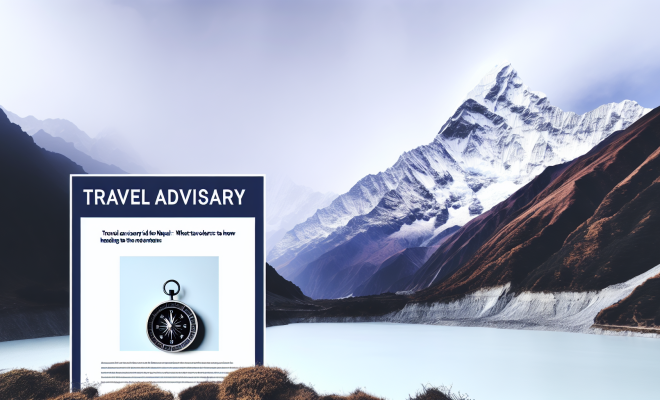
Travelers to Nepal Are Urged to Exercise Caution
The allure of Nepal’s stunning mountain landscapes, rich culture, and trekking opportunities has long drawn travelers from around the globe. However, recent updates from the U.S. State Department have raised significant concerns for American tourists planning trips to this popular destination. The advisory warns of potential natural disasters and civil unrest, prompting many to reconsider their travel plans.
Understanding the Travel Advisory
In its latest update, the U.S. State Department has designated Nepal with a travel advisory that encourages Americans to be vigilant. This advisory is primarily based on two major factors: the risk of natural disasters such as earthquakes and landslides, and the possibility of civil unrest stemming from political tensions.
The advisory reflects ongoing safety concerns that could impact not only the enjoyment of the trip but also the safety and well-being of travelers. With Nepal’s geography making it susceptible to natural events, this warning comes as no surprise to those familiar with the region’s history of seismic activity.
Natural Disasters: A Persistent Risk
Nepal is located in a seismically active zone, and its mountainous terrain poses additional risks such as landslides, especially during the monsoon season. The most notable recent event was the devastating earthquake in April 2015, which caused widespread destruction and loss of life.
Travelers should be aware that:
- The monsoon season, which typically runs from June to September, can lead to heavy rainfall, increasing the likelihood of landslides.
- Earthquakes can strike without warning, and travelers should familiarize themselves with safety protocols in case of an emergency.
- Regions affected by natural disasters may experience disrupted transportation and limited access to emergency services.
Given these conditions, travelers are strongly advised to stay informed about weather forecasts and potential geological activity before and during their trip.
Civil Unrest: Navigating Political Tensions
In addition to natural disasters, Nepal has faced episodes of civil unrest, often fueled by political disagreements and ethnic tensions. Protests can occur sporadically, particularly in urban areas like Kathmandu, and can sometimes escalate quickly.
The U.S. State Department has noted that:
- Demonstrations can disrupt traffic and lead to confrontations with law enforcement.
- Travelers should avoid large gatherings and protests, regardless of their purpose, to minimize the risk of becoming inadvertently involved in unrest.
- It’s crucial to stay updated on local news and advisories from the embassy or consulate, especially if political tensions are heightened.
Understanding the political landscape and remaining aware of one’s surroundings can significantly enhance safety while traveling in Nepal.
Tips for Safe Travel in Nepal
For those who still wish to explore the majestic landscapes of Nepal despite the advisory, here are essential tips to ensure a safer journey:
- Stay Informed: Regularly check travel advisories from the U.S. State Department and local news outlets.
- Register Your Travel: Use the Smart Traveler Enrollment Program (STEP) to receive updates and alerts from the nearest U.S. embassy or consulate.
- Health Precautions: Ensure you have appropriate vaccinations and health insurance that covers international travel.
- Emergency Plan: Familiarize yourself with local emergency contacts, including the nearest hospital and your country’s embassy.
- Travel Insurance: Consider purchasing travel insurance that covers natural disasters and medical emergencies.
By taking these precautions, travelers can better navigate the potential risks associated with visiting Nepal.
Conclusion: Weighing the Risks and Rewards
Nepal remains a breathtaking destination for adventure seekers, offering unparalleled experiences in the heart of the Himalayas. However, the updated travel advisory underscores the importance of staying informed and prepared for both natural and political challenges. As travelers evaluate their options, being aware of these risks can help ensure a rewarding and safe journey.
Ultimately, while the mountains of Nepal beckon with their beauty and adventure, it is essential for travelers to approach their plans with caution and respect for the dynamic nature of the region.