Top 5 Mental Health Challenges for College Students
“`html
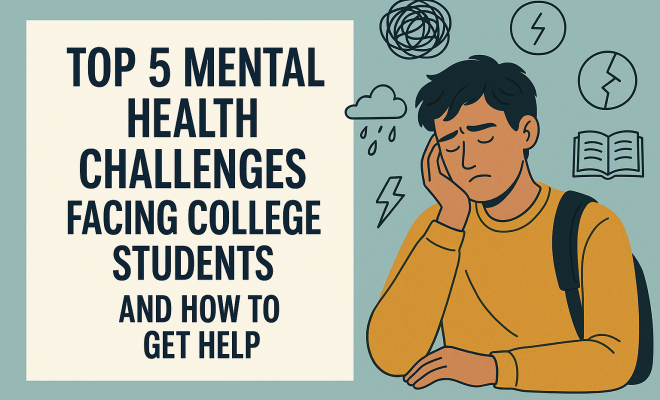
As college life becomes increasingly demanding, students find themselves grappling with a variety of mental health challenges. From the weight of academic pressure to the complexities of social interactions, understanding these challenges is crucial for students and their support systems. In this article, we’ll explore the top five mental health challenges college students face and how they can seek appropriate help.
1. Academic Stress: The Weight of Expectations
Academic stress is perhaps the most pervasive challenge for college students. With exams, projects, and the pressure to maintain high grades, many students report feeling overwhelmed. According to a survey by the American College Health Association, over 30% of students felt overwhelming anxiety that negatively impacted their academic performance. This stress often stems from various sources, including familial expectations, personal aspirations, and competition among peers.
The consequences of unchecked academic stress can be severe. Students may resort to unhealthy coping mechanisms such as procrastination, substance abuse, or even burnout, which can lead to a cycle of decreased performance and increased anxiety. Recognizing the signs of academic stress early on can be key to managing it effectively.
Colleges are increasingly aware of these pressures and have started implementing programs aimed at stress management. Workshops on time management, mindfulness, and relaxation techniques can equip students with the skills to handle academic pressure more effectively. Additionally, creating a balanced schedule can help students allocate time not just for studying, but also for rest and social activities, which are crucial for mental health.
2. Social Isolation: The Loneliness Epidemic
While college is often seen as a time for social engagement and networking, many students experience feelings of isolation. A study by the National Institute of Mental Health revealed that nearly 60% of college students feel lonely at some point during their college journey. This social isolation can stem from various factors, including moving away from home, difficulty making friends, or feeling disconnected from campus culture.
The impact of social isolation on mental health can be profound. Loneliness is linked to increased risks of depression and anxiety, and a lack of social support can exacerbate existing mental health issues. Students are encouraged to seek out campus resources, such as clubs or support groups, which can help foster connections and combat feelings of isolation.
Moreover, universities are beginning to address social isolation by hosting events designed to promote interaction among students. From orientation activities to themed social nights, these events offer students opportunities to connect and form friendships. Additionally, engaging in group projects or study sessions can help students bond over shared academic challenges, further reducing feelings of loneliness.
3. Financial Stress: The Burden of Debt
Financial stress is another significant challenge for college students today. With rising tuition costs and living expenses, many students find themselves in precarious financial situations. According to the Federal Reserve, student loan debt reached a staggering $1.7 trillion in 2021, leaving many graduates anxious about their financial futures.
This financial burden can lead to severe mental health implications, including anxiety and depression. Students may feel trapped by their debt, impacting their academic performance and overall well-being. Institutions can support students by offering financial counseling services to help them manage their budgets and explore scholarship opportunities.
Additionally, many colleges are now offering workshops focused on financial literacy, where students can learn about budgeting, managing student loans, and understanding credit scores. These resources help students feel more empowered in their financial situations and reduce the anxiety that often accompanies financial stress. For those facing extreme financial hardship, emergency funds or grants could be accessible, providing temporary relief and allowing students to focus on their studies.
4. Transition and Adjustment: Finding Your Place
The transition from high school to college is a major life change, and many students struggle with adjusting to this new environment. This period often involves navigating new academic expectations, living situations, and social dynamics, which can be overwhelming. Approximately 40% of students report feeling homesick during their first year of college, according to the College Transition Project. (See: mental health resources for college students.)
Adjustment issues can manifest in various ways, including anxiety, depression, and a sense of loss. It’s vital for students to acknowledge these feelings and seek help if necessary. Schools often provide orientation programs and workshops that can aid in this transitional phase, making it easier for students to acclimate to their new surroundings.
Having a support system during this transition can also be beneficial, whether it’s family, friends from home, or newfound friends on campus. Building connections early on through dorm life, study groups, or extracurricular activities can help foster a sense of belonging. Additionally, peer mentorship programs can be incredibly helpful, pairing incoming students with those who have successfully navigated similar challenges, thus softening the transition experience.
5. Substance Abuse: Coping Mechanisms Gone Wrong
Substance abuse is a troubling coping mechanism that many college students resort to in response to stressors. Binge drinking and drug use are prevalent on campuses, often as a means of socializing or escaping reality. According to the National Institute on Alcohol Abuse and Alcoholism, approximately 54% of college students reported drinking alcohol in the past month, and nearly three out of ten engaged in binge drinking.
This trend poses critical mental health challenges, as substance abuse can exacerbate existing mental health issues and create new ones. Students are encouraged to seek help if they find themselves relying on substances to cope with life’s pressures. Universities typically offer counseling and support groups specifically aimed at addressing substance abuse and its underlying causes.
Preventive measures are also being taken by universities to combat substance abuse. Programs promoting healthy lifestyle choices, safe partying practices, and the importance of moderation are being implemented. Educational campaigns can inform students about the risks associated with binge drinking and drug use, while also providing alternatives for socializing that don’t revolve around alcohol or drugs, such as sober events or recreational activities. challenges for college students offers useful background here.
6. Learning Disabilities and ADHD: Navigating Academic Life
Learning disabilities and ADHD (Attention Deficit Hyperactivity Disorder) are significant mental health challenges that affect many college students. These conditions can make traditional learning environments more difficult, leading to frustration, low self-esteem, and anxiety when academic performance suffers. In fact, studies show that students with learning disabilities are at a higher risk for developing depression and anxiety disorders.
Colleges often have resources available to help students with these challenges, such as academic accommodations and specialized tutoring. It’s essential for students to advocate for themselves and utilize these services. Understanding one’s learning style and seeking appropriate strategies for studying can also make a significant difference in academic success.
In recent years, many institutions have improved their support systems for students with learning disabilities. This includes access to technology tools that assist with organization and time management, as well as training for faculty to better understand and accommodate diverse learning needs. By fostering an inclusive academic environment, colleges can significantly improve the academic experiences of students with learning disabilities.
7. Perfectionism and Imposter Syndrome: The Pressure to Succeed
Many college students battle perfectionism and imposter syndrome, feeling that they must excel in every aspect of their lives. This unrealistic expectation can lead to heightened levels of stress and anxiety. Research indicates that about 70% of people experience imposter syndrome at some point in their lives, often triggered by high-stakes environments like college.
Students struggling with these issues may find themselves doubting their abilities and fearing success. It’s crucial to remember that it’s okay to not be perfect and that many successful individuals have faced similar feelings. Support groups, counseling, and peer discussions can provide a safe space for students to share their experiences and learn from one another.
Additionally, universities are beginning to address the stigma surrounding mental health and perfectionism through campaigns that highlight the importance of self-compassion. Workshops aimed at fostering a growth mindset can help students focus on learning and personal development rather than solely on achievement. Encouraging students to celebrate small victories rather than focusing solely on end results can also alleviate some pressure.
8. Family Dynamics and Support Issues: Home Isn’t Always a Safe Space
Family dynamics can impact a student’s emotional health significantly. Whether it’s due to financial stress, parental expectations, or family obligations, many students face challenging situations at home that affect their college experience. A National Survey on Student Engagement reported that students who feel supported by their families tend to perform better academically and emotionally.
For those who lack supportive family structures, it can be essential to seek help from campus services or mental health professionals. Building a support network on campus can help fill the void left by family issues and provide a sense of community and belonging. (See: statistics on mental health issues.)
Furthermore, some universities offer family support programs that facilitate communication between students and their families. These programs can provide a platform for families to understand the college experience better, thus allowing them to offer more effective support. Workshops aimed at improving communication skills can also be beneficial for students dealing with complex family dynamics.
9. Accessing Resources and Support: Finding Help When You Need It
Recognizing the various mental health challenges college students face is the first step, but knowing how to access help is equally important. Many colleges have counseling centers that offer free or low-cost services, including individual therapy, group therapy, and workshops on stress management and coping skills. In addition, peer support groups can provide a sense of community and understanding.
Students should feel empowered to reach out for help and utilize campus resources. Many universities also offer helplines and workshops aimed at building resilience and coping strategies. Remember, seeking help is a sign of strength, and it can lead to improved mental well-being and academic success. Related reading: stress management tips in Hindi.
It’s also worth noting that telehealth options have become more common, allowing students to connect with mental health professionals from the comfort of their dorm rooms. This accessibility can be a game-changer for students who may feel intimidated by traditional therapy settings or who have difficulty finding time to visit in person.
10. Coping Strategies for Mental Health: Taking Action
While it’s essential to understand the mental health challenges faced by college students, it’s equally important to focus on coping strategies that can help mitigate these issues. Here are a few practical methods students can adopt:
- Mindfulness and Meditation: Practicing mindfulness can help students stay present and reduce anxiety. Apps like Headspace and Calm offer guided meditation sessions that can fit easily into a busy schedule.
- Physical Activity: Regular exercise is known to boost mood and reduce symptoms of anxiety and depression. Students are encouraged to find an activity they enjoy, whether it’s running, yoga, or a team sport.
- Time Management Techniques: Utilizing planners, to-do lists, and digital tools can help students manage their time better, reducing the feeling of being overwhelmed by tasks.
- Journaling: Writing down thoughts and feelings can be a therapeutic outlet, helping students process their emotions and reflect on their experiences.
- Building a Support Network: Establishing a group of friends and trusted peers can provide students with a safe space to share their struggles and seek support.
11. Common Myths About Mental Health in College
There are several misconceptions surrounding mental health challenges faced by college students. Here are a few myths that need to be addressed:
- Myth 1: Only “weak” students struggle with mental health issues.
- Myth 2: Mental health challenges are a sign of failure or incompetence.
- Myth 3: Seeking help means you’re not capable of handling college life.
- Myth 4: Poor mental health is only a problem for certain groups of students.
Countering these myths is important, as they can prevent students from seeking the help they need. Universities are working to normalize conversations around mental health and educate students about the importance of self-care and seeking support.
12. Frequently Asked Questions (FAQ)
What should I do if I feel overwhelmed by academic stress?
If you’re feeling overwhelmed, it’s crucial to reach out for help. Talk to a counselor, a trusted professor, or a friend about your feelings. Utilizing campus resources, such as tutoring or counseling services, can also provide support and strategies to manage your stress effectively.
How can I combat feelings of loneliness in college?
Combatting loneliness involves being proactive in seeking connections. Join clubs or organizations that interest you, attend social events, or participate in study groups. Building relationships takes time, so be patient with yourself.
Is it normal to feel homesick during college?
Yes, feeling homesick is a common experience for many students. It’s a natural part of adjusting to a new environment. Try to stay connected with family and friends while also engaging in campus life to help ease the transition.
How can I find mental health resources on campus?
Most universities have a counseling center that provides various mental health resources. Check your school’s website or student handbook for information on available services, including therapy, workshops, and support groups.
Are there any specific resources for students with learning disabilities?
Yes, many colleges offer resources tailored for students with learning disabilities. This may include academic accommodations, specialized tutoring, and access to assistive technology. Contact your school’s disability services office for more information.
13. More Resources for Mental Health Challenges
Beyond university support, there are numerous organizations and online resources dedicated to helping students tackle mental health challenges. Here are some useful options:
- National Alliance on Mental Illness (NAMI): NAMI provides a wealth of information, support groups, and resources for students experiencing mental health issues.
- Active Minds: This organization is focused on promoting mental health awareness among college students and offers resources for peer support and advocacy.
- Substance Abuse and Mental Health Services Administration (SAMHSA): SAMHSA provides a national helpline that can connect students with local treatment facilities, support groups, and community-based organizations.
Students are encouraged to explore these resources and find the support that best meets their needs. Whether it’s through local community organizations or national platforms, help is available, and taking that first step can lead to significant improvements in mental well-being.
14. Statistics on Mental Health Challenges Among College Students
Understanding the prevalence of mental health challenges can further illuminate the pressing need for awareness and intervention on college campuses. Here are some statistics that highlight the issue:
- According to the American College Health Association, 39% of college students reported feeling so depressed that it was difficult to function.
- The Anxiety and Depression Association of America notes that anxiety disorders are the most common mental health issue faced by college students, affecting about 30% of this population.
- A study published in the Journal of College Student Psychotherapy found that nearly 1 in 5 college students seriously considered suicide at some point during their academic careers.
These statistics underscore the urgency for institutions to prioritize mental health services and promote a culture of support among students. By understanding the scale of these challenges, colleges can better implement strategies to address them effectively.
15. Ways to Encourage Open Conversations About Mental Health
Encouraging open conversations about mental health can foster a more supportive campus culture. Here are some strategies:
- Organize Workshops: Host events that focus on mental health education, where students can learn about various challenges and share their experiences.
- Create Safe Spaces: Establish designated areas on campus where students can gather to discuss mental health openly without fear of judgment.
- Leverage Social Media: Use platforms to raise awareness and share resources, creating a vibrant online community focused on mental wellness.
By creating an environment where mental health is talked about openly, students can feel more comfortable seeking help and supporting one another.
In summary, the mental health challenges facing college students are varied and complex. By understanding these issues and knowing where to seek help, students can navigate their college years with greater resilience and support. Taking proactive steps to address mental health can lead to a fulfilling and successful college experience.
“`
Trending Now
Frequently Asked Questions
What are the main mental health challenges faced by college students?
College students commonly encounter several mental health challenges, including academic stress, social isolation, anxiety, depression, and substance abuse. These issues can stem from the pressures of academic performance, social dynamics, and the transition to independent living.
How can college students manage academic stress?
To manage academic stress, college students can utilize time management techniques, engage in mindfulness practices, and seek support from counseling services. Colleges often provide workshops on stress management and relaxation techniques to help students cope effectively.
What should students do if they feel socially isolated in college?
Students feeling socially isolated should consider joining clubs, attending campus events, or seeking counseling services for support. Building connections with peers and engaging in social activities can help alleviate feelings of loneliness and enhance the college experience.
What resources are available for college students struggling with mental health?
Many colleges offer mental health resources such as counseling services, support groups, and wellness workshops. Students can also access online resources, hotlines, and peer support programs to seek help and improve their mental well-being.
How does academic pressure affect college students' mental health?
Academic pressure can lead to overwhelming anxiety, burnout, and unhealthy coping mechanisms among college students. The stress from high expectations and competition can significantly impact their mental health and academic performance if not managed appropriately.
Have you experienced this yourself? We’d love to hear your story in the comments.