Top 20 Hinduism Facts for Kids
“`html
Hinduism is one of the oldest religions in the world, rich with vibrant traditions, fascinating stories, and deep philosophical meanings. For kids, understanding these Hinduism facts for kids can open a door to appreciate a culture that has shaped the lives of millions. Whether it’s magical tales of gods and goddesses, fascinating festivals, or the wisdom embedded in ancient texts, there’s so much to explore. Let’s dive into 20 engaging facts about Hinduism that will captivate young minds.
1. Hinduism: The Oldest Religion
Hinduism is often regarded as the world’s oldest living religion, with roots that stretch back over 4,000 years. Unlike many religions that trace their origins to a single prophet or a specific moment in time, Hinduism evolved gradually through cultural and spiritual practices. It has no single founder, which means it’s a rich tapestry of beliefs and rituals that vary across different regions and communities.
What’s really interesting is that Hinduism has absorbed influences from other religions and philosophies over the centuries, making it a dynamic and adaptable faith. Kids can think of Hinduism as a giant tree, where different branches represent various beliefs, texts, and traditions, all growing together harmoniously.
2. The Many Gods of Hinduism
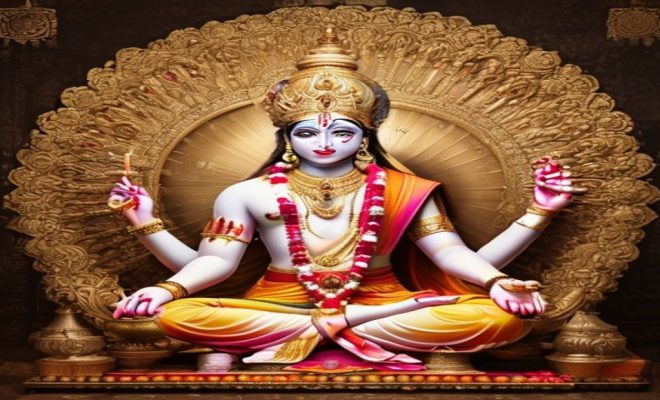
One of the most striking features of Hinduism is its pantheon of gods and goddesses. There are thousands of deities, each representing different aspects of life, nature, and the universe. Among the most popular are Brahma, the creator; Vishnu, the preserver; and Shiva, the destroyer. Together, they form the Trimurti, or the holy trinity, which highlights the cycle of creation, preservation, and destruction.
Hindu kids might also be inspired by stories of fascinating goddesses like Durga, who symbolizes strength, and Lakshmi, the goddess of wealth and prosperity. Each god and goddess has unique stories and attributes that teach moral lessons, making them relatable and engaging for young learners.
3. Epic Tales: Mahabharata and Ramayana
The Mahabharata and the Ramayana are two of the most significant epics in Hindu literature. The Mahabharata, one of the longest poems in the world, spans over 100,000 verses and tells the story of a great war between two groups of cousins, the Pandavas and Kauravas. It’s filled with lessons on duty, righteousness, and the complexity of human nature.
The Ramayana, on the other hand, narrates the life of Lord Rama, focusing on his quest to rescue his wife, Sita, from the demon king Ravana. Both epics are not just stories; they offer profound moral teachings and insights into dharma (duty) and ethics, making them essential reading for kids who enjoy adventure and life lessons.
4. Beliefs in Karma and Reincarnation
Hindus believe in karma, the idea that every action has consequences. Good deeds lead to positive outcomes, while bad deeds result in negative repercussions. This principle encourages kids to think about their choices and the impact they have on themselves and others.
Linked closely to karma is the concept of reincarnation, which teaches that after death, the soul is reborn in a new body. This cycle continues until the soul achieves moksha, or liberation. Understanding these concepts helps kids appreciate the importance of living a good life, as their actions today shape their experiences in the future.
5. The Importance of Dharma
Dharma is a central concept in Hinduism, encompassing duty, morality, and righteousness. It refers to the ethical obligations and responsibilities that individuals hold according to their age, gender, occupation, and position in society. For kids, this means understanding their role in the family and community while striving to do what is right.
Teaching children about dharma could inspire them to act ethically, whether it’s helping a sibling, respecting elders, or being kind to friends. It’s a way to instill strong values that will guide them throughout their lives.
6. Hindu Festivals: Celebrations of Joy
Hindu festivals are colorful, joyous occasions filled with rituals, music, and delicious food. Some of the most famous festivals include Diwali, the festival of lights, which celebrates the victory of good over evil, and Holi, the festival of colors, signifying the arrival of spring. Each festival has its own stories, customs, and significance, making them exciting for kids to learn about and participate in.
During these festivals, families come together, decorate their homes, and often perform prayers. These celebrations not only strengthen family bonds but also foster community spirit, teaching children the value of togetherness and cultural heritage. (See: Hinduism overview on Wikipedia.)
7. The Sacred Texts of Hinduism
Hinduism has a vast array of sacred texts, the most notable being the Vedas, Upanishads, and the Bhagavad Gita. The Vedas, composed over 3,000 years ago, are a collection of hymns, prayers, and rituals that form the foundation of Hindu beliefs and practices.
The Bhagavad Gita, part of the Mahabharata, is a dialogue between Prince Arjuna and Lord Krishna, discussing duty and righteousness in the face of moral dilemmas. Kids can find inspiration in its teachings, as it encourages self-reflection and exploration of personal values.
8. Yoga and Meditation: Mind and Body Connection
Hinduism is also known for introducing yoga and meditation to the world. These practices are seen as spiritual disciplines that help individuals connect with their inner selves and achieve mental clarity. For kids, yoga can be a fun and engaging way to improve flexibility, focus, and relaxation.
Teaching children simple yoga poses and breathing techniques can not only benefit their physical health but also promote emotional well-being. It’s an excellent way for them to learn about balance, both in body and mind.
9. The Concept of Ahimsa
Ahimsa, or non-violence, is a fundamental principle in Hinduism that emphasizes the importance of compassion towards all living beings. This concept teaches children to respect life and to practice kindness, whether towards animals, nature, or fellow humans.
By instilling the value of ahimsa, kids can learn the importance of empathy and understanding, fostering a more peaceful and harmonious environment. They can also explore vegetarianism, a practice often associated with ahimsa, as a way to live in alignment with this principle.
10. The Diversity of Hindu Practices
Hinduism is not a monolithic religion; it encompasses a wide range of beliefs and practices. Different regions, communities, and families may have unique traditions and rituals. For instance, some might worship in temples, while others may create altars at home. Festivals can also vary significantly in how they are celebrated.
For kids, this diversity offers a chance to appreciate cultural differences and learn about the various ways people express their faith. It encourages open-mindedness and curiosity about the world around them, fostering a global perspective.
11. Hindu Symbols and Their Meanings
Hinduism is rich with symbols that convey deep meanings and philosophies. One of the most recognized symbols is the Om (Aum), which represents the sound of the universe and the essence of the ultimate reality. It’s often chanted during prayers and meditations, helping to create a sense of peace.
Another important symbol is the Swastika, which is viewed as a sign of good fortune and auspiciousness in Hindu culture. The meaning of these symbols can spark curiosity in kids, leading them to explore how visual art can express complex ideas and emotions. By learning about these symbols, children gain insight into the symbolic language that transcends words.
12. Hinduism Around the World
While Hinduism originated in India, it has spread to many parts of the world, including countries like Nepal, Indonesia, Bangladesh, and Trinidad and Tobago. In fact, Bali in Indonesia is famous for its unique Hindu culture, where traditional rituals and ceremonies are part of everyday life.
Kids can explore how Hindu communities have adapted their practices in different countries, leading to a rich exchange of cultural traditions. This global perspective helps them appreciate diversity and understand that religion can take on various forms, influenced by local customs and beliefs.
13. Famous Hindu Temples
Hindu temples are breathtaking architectural wonders, each with its own unique style and significance. The Brihadeeswarar Temple in Tamil Nadu is a UNESCO World Heritage site, renowned for its magnificent architecture and intricate carvings. Another famous temple is the golden temple, or Harmandir Sahib, in Amritsar, which is a sacred site for Sikhs but also attracts many Hindu visitors.
Visiting temples can be an educational experience for kids, allowing them to see the artistry of sacred spaces and learn about the rituals that take place within. It’s a wonderful way to connect with the history and culture of Hinduism through exploration and discovery. (See: CDC on mental health and culture.)
14. Hinduism and Nature
Hinduism places a strong emphasis on the relationship between humans and nature. Many deities are associated with natural elements, such as Ganga (the river goddess) and Vayu (the god of wind). This connection promotes respect for the environment and emphasizes the importance of preserving nature.
Kids can learn the significance of eco-friendly practices and the idea of living in harmony with nature. Engaging in activities like planting trees or caring for animals can help foster a sense of responsibility towards the environment, aligning with the values taught in Hinduism. Understanding this aspect can motivate them to become environmental advocates in their communities.
15. Hindu Meditation Practices
Meditation is a key part of Hinduism, with various practices that help cultivate mindfulness and inner peace. Techniques such as mantra meditation, where specific sounds or phrases are repeated, and visualization, where one imagines peaceful scenes, are often taught to help calm the mind.
Introducing kids to meditation can provide them with tools to manage stress and enhance focus. Simple guided meditations can be a fun way to start, allowing them to explore their thoughts and feelings in a peaceful manner. Teaching them these practices early can instill lifelong habits that contribute to their emotional well-being.
16. Frequently Asked Questions about Hinduism
What is the main belief of Hinduism?
The main belief in Hinduism is that every individual has a soul (Atman) that is eternal and connected to the universal soul (Brahman). Hindus believe in living a life of dharma (duty) while seeking moksha (liberation) from the cycle of birth and rebirth.
Do Hindus believe in one god?
Hinduism is often described as both monotheistic and polytheistic. While there are many gods and goddesses, they are seen as different manifestations of one supreme reality, Brahman. This allows for a rich diversity of worship and practice.
What is the significance of the caste system in Hinduism?
The caste system is a social hierarchy that categorizes people into different groups based on their occupations and duties. While it has historical significance, modern Hinduism increasingly emphasizes equality and social justice, moving away from rigid caste distinctions.
Are all Hindus vegetarians?
Not all Hindus are vegetarians, but many choose to be as a reflection of the principle of ahimsa (non-violence). Diet can vary significantly among different communities, and some may include meat in their diets, depending on cultural practices and personal beliefs.
How do Hindus celebrate weddings?
Hindu weddings are elaborate celebrations that include various rituals, ceremonies, and customs that can last several days. The ceremonies symbolize the union of two families and often include vibrant decorations, music, and traditional attire.
17. Learning Resources for Kids
For kids interested in learning more about Hinduism, there are many engaging books, documentaries, and websites that provide information in a fun and relatable way. Some recommended children’s books include “Ramayana: The Story of Lord Rama” and “The Mahabharata: A Child’s View.” These stories not only entertain but also teach moral lessons central to Hindu philosophy.
There are also interactive online platforms and apps that offer games and quizzes about Hindu culture, mythology, and festivals, making learning about Hinduism enjoyable and interactive. Engaging with these resources helps reinforce the facts and concepts they learn in school or at home.
18. Famous Hindu Figures in History
Hindu history is filled with influential figures who shaped not only the religion but also society. Mahatma Gandhi, known for his philosophy of non-violent resistance, was deeply influenced by Hindu principles, particularly ahimsa. His efforts in leading India to independence have made him a global icon for peace and justice.
Another notable figure is Swami Vivekananda, who played a crucial role in introducing Hindu philosophy to the Western world. His speeches and writings emphasized the importance of spirituality and the unity of all religions. Learning about these figures can inspire kids to think about how values from Hinduism can be applied in modern contexts, promoting ideals like peace, compassion, and social responsibility.
19. Hindu Art and Architecture
Hinduism has inspired some of the most magnificent art and architecture throughout history. Temples often feature intricate carvings depicting various deities, scenes from the epics, and symbols that convey deep spiritual meanings. The colors and designs reflect the vibrancy of Hindu culture.
Kids can explore how art can express spiritual beliefs and tell stories, helping them appreciate creativity in diverse forms. Participating in art projects inspired by Hindu motifs can also be a fun way for them to connect with the culture, allowing for personal expression while learning about tradition.
20. The Future of Hinduism
As the world becomes more interconnected, Hinduism continues to evolve while holding on to its core values. Many young people are finding ways to blend traditional practices with modern lifestyles, showcasing the adaptability of Hindu beliefs in contemporary society. This evolution can spark discussions among kids about how traditions can be respected while still adapting to new ideas and technologies.
Encouraging kids to think critically about these changes can foster a sense of identity and belonging, helping them navigate their own beliefs and values in a diverse world.
21. Common Misconceptions About Hinduism
Hinduism is often misunderstood, leading to common misconceptions that may confuse kids. One such misconception is that all Hindus are the same. In reality, Hinduism is incredibly diverse, with various beliefs, practices, and cultural expressions. Kids should understand that just like any major religion, there are many interpretations and ways of living one’s faith.
Another common misunderstanding is the idea that Hinduism promotes a strictly hierarchical caste system. While the caste system has historical roots in Hindu culture, many modern Hindus advocate for equality and reject caste-based discrimination. Teaching children about these nuances helps them develop a more informed and empathetic view of the world.
22. Hindu Contributions to World Culture
Hinduism has made significant contributions to art, science, mathematics, and philosophy. For example, the concept of zero, which is fundamental in mathematics, originated in ancient India. Kids can learn how this innovation has shaped the world and its importance in technology today. Additionally, many yoga practices that promote physical and mental well-being are rooted in Hindu traditions, showcasing how these ancient practices continue to influence modern lifestyles.
Encouraging kids to explore these contributions can enhance their appreciation for how Hinduism has enriched global culture, creating connections between the past and the present.
In closing, exploring these Hinduism facts for kids not only helps children understand a significant world religion but also provides valuable life lessons that can shape their character and values. Whether through epic stories, engaging festivals, or meaningful practices, Hinduism offers a rich tapestry of knowledge waiting to be discovered. So, encourage your children to ask questions, learn, and embrace the beauty of this ancient faith!
“`
Trending Now
Frequently Asked Questions
What is the oldest religion in the world?
Hinduism is often regarded as the oldest living religion, with roots that date back over 4,000 years. Unlike many religions, it evolved gradually and does not have a single founder, resulting in a diverse tapestry of beliefs and practices.
How many gods are there in Hinduism?
Hinduism features thousands of deities, each representing various aspects of life and the universe. Key figures include Brahma the creator, Vishnu the preserver, and Shiva the destroyer, forming the Trimurti or holy trinity.
What are some important festivals in Hinduism?
Hinduism is rich with vibrant festivals, including Diwali, the festival of lights, and Holi, the festival of colors. These celebrations involve various rituals, cultural activities, and community gatherings, showcasing the religion's diversity and traditions.
What are the main texts of Hinduism?
Hinduism has several important texts, including the Vedas, Upanishads, and epics like the Mahabharata and Ramayana. These scriptures encompass a wide range of spiritual teachings, philosophies, and stories that guide followers in their beliefs and practices.
Why is Hinduism important for kids to learn about?
Learning about Hinduism helps kids appreciate a rich culture that has influenced millions. Understanding its stories, traditions, and values can foster respect for diversity and promote curiosity about different ways of life. This builds on Hinduism facts for kids.
What’s your take on this? Share your thoughts in the comments below — we read every one.