10 Engaging After-School Activities for Kids & Parents
“`html
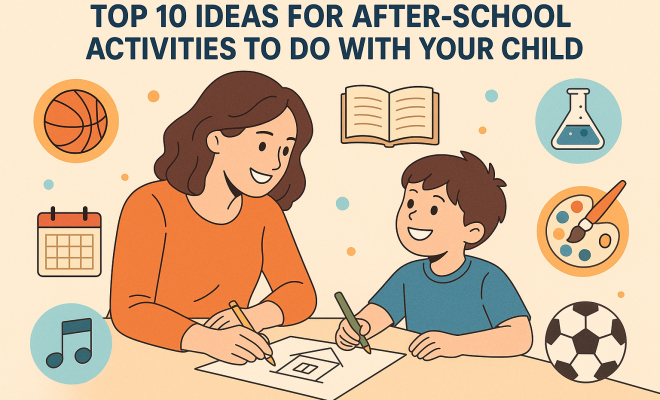
After-school hours can be a pivotal time for kids, providing opportunities to unwind, explore interests, and engage in productive activities. In our fast-paced world, finding enriching and enjoyable after school activities for kids can sometimes feel overwhelming for parents. Fortunately, there are myriad options available that not only keep children entertained but also support their development. Here, we present ten engaging after-school activities that you can do with your child, each designed to foster creativity, learning, and fun.
1. Outdoor Adventures: Connecting with Nature
One of the best ways to engage children after school is through outdoor activities. Whether it’s hiking, biking, or simply exploring local parks, spending time in nature has numerous benefits. Research indicates that outdoor play can improve children’s physical health, enhance their mood, and even increase their attention span.
Consider organizing weekly nature walks or weekend family hikes. Bring along a journal for your child to document their observations or a camera to capture interesting sights. Activities like searching for specific plants or animals can turn a simple walk into an educational adventure. The fresh air and physical activity will not only be refreshing but will also allow for quality bonding time away from screens and distractions.
Additionally, you can incorporate a scavenger hunt into these outdoor adventures. Create a list of items for your child to find, such as certain leaves, rocks, or flowers. This can make the experience even more engaging, as it adds an element of excitement and discovery. You might be surprised at how many different items you come across, and your child will love the challenge!
2. Cooking Together: A Recipe for Learning
Cooking is a fantastic after-school activity that combines fun, education, and life skills. Involving your child in meal preparation can teach them about nutrition, measuring, and kitchen safety, all while fostering a sense of accomplishment when a meal is finished.
Try planning a weekly cooking night where both of you choose a recipe, shop for ingredients, and prepare the meal together. This activity can also serve as a springboard for conversations about healthy eating habits, different cultures through their cuisines, and even basic math skills through measuring ingredients. Plus, nothing beats the joy of sitting down to enjoy a delicious meal made together!
To expand on this activity, why not introduce themed cooking nights? You could dedicate one evening to a specific country’s cuisine, exploring its traditional dishes and even learning a few cultural facts along the way. From Italian pasta-making to Indian curry cooking, these culinary adventures can provide a rich educational experience that goes beyond the kitchen!
3. Arts and Crafts: Unleashing Creativity
Many kids have an innate desire to express themselves creatively, and arts and crafts provide a wonderful outlet for that expression. Setting aside time for creative projects can help children develop fine motor skills, enhance their problem-solving abilities, and boost their confidence.
Gather supplies like paper, paints, markers, and recyclables, and let your child’s imagination run wild. You could even follow along with online tutorials or challenge each other to create themed artwork. Exhibiting their creations around the house can instill pride and encourage them to keep exploring their artistic talents.
Consider introducing different mediums and techniques as well. For example, try your hand at sculpting with clay or creating digital art using tablets. There are endless possibilities with arts and crafts, and experimenting with new materials can inspire your child to expand their creative horizons. Hosting an art show at home featuring all of their work can also provide a fantastic sense of achievement!
4. Science Experiments: Learning Through Discovery
Make science fun and engaging by conducting simple experiments at home. Not only do these activities enhance learning, but they also ignite curiosity and critical thinking skills. Projects can range from creating a homemade volcano to growing crystals from sugar.
Look for age-appropriate science kits or resources that provide step-by-step instructions for fun experiments. Make sure to involve your child in hypothesizing outcomes and discussing results, which reinforces the scientific method while making the experience hands-on and interactive. (See: Benefits of outdoor physical activity.)
You could also explore the world of science with themed weeks or monthly projects. For instance, dedicate a week to exploring chemistry by mixing safe household products, or focus on physics with activities involving simple machines. This can deepen your child’s understanding of scientific concepts and encourage a genuine interest in learning more.
5. Reading Together: Building a Love for Literature
Reading is a critical skill that sets the foundation for a child’s academic success. Turning reading into an enjoyable after-school activity can foster a lifelong love for books. Create a cozy reading nook in your home where you can both curl up with a good book.
Consider starting a family book club where you both read the same book and discuss it afterward. This not only improves comprehension but also fosters communication skills and deeper thinking about the material. Don’t forget to include a mix of genres to keep things fresh and exciting!
Additionally, you can encourage your child to write their own stories or characters. This activity not only enhances their writing skills but also stimulates their imagination. You could even turn it into a fun project by creating a family storybook, allowing your child to illustrate their tales. This blend of reading and writing can create a well-rounded literary experience.
6. Sports and Physical Activities: Staying Active
Engaging in sports is an excellent way for kids to expend energy, develop teamwork skills, and maintain physical fitness. Whether it’s soccer, basketball, or martial arts, getting involved in physical activities can be hugely beneficial for both physical and mental health.
Encourage your child to try different sports to find what they enjoy most. Engaging in backyard games or participating in community sports leagues can also provide opportunities to socialize with peers. Plus, when parents actively participate or coach, it deepens the bond while teaching valuable life lessons about competition, resilience, and sportsmanship.
To complement this, consider introducing some fun fitness challenges at home. It could be a weekly “fitness day” where you set goals, try new sports, or even engage in friendly competitions. Keeping the atmosphere light and fun can help instill a love for physical activity that lasts a lifetime. You could track progress together and reward accomplishments, which further motivates your child to stay active.
7. Music and Dance: Expressing Through Rhythm
Music and dance are powerful forms of expression that can greatly enhance a child’s emotional and social development. Whether it’s learning an instrument or participating in dance classes, these activities can help improve coordination, boost confidence, and even enhance cognitive skills.
Consider scheduling a weekly jam session at home where you both can experiment with different instruments or dance styles. You might even try creating your own songs or choreography together. Not only is this a fun way to bond, but it also allows children to express themselves creatively through rhythm and movement. For more on this, see a helpful guide for parents.
To add depth to this activity, explore music appreciation nights. Listen to different genres of music, discuss the feelings they evoke, and even try composing your own songs. You could dive into the history of different musical styles or even introduce your child to iconic musicians. This not only broadens their musical knowledge but also enhances their appreciation for the art form.
8. Volunteering: Giving Back to the Community
Teaching children about empathy and the importance of giving back can be incredibly valuable. Volunteering as a family can foster a sense of community and responsibility, while helping kids develop social skills and a deeper understanding of different perspectives.
Look for local charities or organizations that welcome family volunteers. Whether it’s helping at a food bank, organizing a neighborhood clean-up, or participating in charity walks, these activities allow children to see the impact of their efforts on others. Discussing the experiences afterward can reinforce the lessons learned and help them appreciate the importance of helping those in need.
Consider integrating a monthly family volunteer project, where you consistently dedicate time to a cause you all care about. This can create a sense of commitment and teach your child about the importance of sustained efforts in making a difference. Sharing stories or reflections after your volunteering can also help process the experience and reinforce the values of kindness and social responsibility.
9. Gardening: Cultivating Patience and Responsibility
Gardening is a rewarding way for children to learn about nature, responsibility, and patience. By planting and caring for a garden, children gain firsthand experience with nurturing plants and observing their growth over time. (See: World Health Organization on physical activity.)
You can start with small pots or a designated area in your yard, choosing easy-to-grow plants or vegetables. Involve your child in every step — from planting seeds to watering and harvesting. This activity can lead to discussions on biology, the environment, and even healthy eating when the fruits of your labor are ready to enjoy.
Further, you might expand your gardening efforts by exploring different types of gardening, such as container gardening or vertical gardening. Introducing concepts like composting can also teach your child about sustainability. Celebrate the harvest by cooking together with your home-grown ingredients, reinforcing the cycle of growth and consumption.
10. Board Games and Puzzles: Building Strategic Thinking
Board games and puzzles are not only fun but also help develop critical thinking, strategy, and social skills. They provide an excellent opportunity for family bonding, encouraging communication and collaboration.
Set aside time for a weekly game night where you can rotate different games or puzzles. This can be a great way to involve siblings or even friends. Look for games that require strategic thinking or teamwork to further enhance cognitive skills while having fun together.
Incorporate themed game nights where you select games based on a specific topic, like history or science. This can further enrich the experience while keeping learning playful. You can also encourage your child to design their own board game, which can be a wonderful way to integrate creativity and strategic thinking!
Final Thoughts: Finding the Right Activities
Choosing the right after school activities for kids can significantly impact their development, providing not only entertainment but also valuable skills and lessons. It’s essential to consider your child’s interests, strengths, and available resources when selecting activities. The key is to keep things fun and engaging, encouraging exploration and creativity.
By actively participating in these activities, you foster a stronger bond with your child, enhance their learning experiences, and help them navigate their personal growth. So why not start today? Explore these ideas and watch your child thrive!
Frequently Asked Questions about After School Activities for Kids
What are the benefits of after school activities for kids?
After school activities can help improve a child’s social skills, enhance cognitive development, build self-esteem, and provide an outlet for creativity. These activities also help children learn time management and responsibility.
How can I choose the right after school activities for my child?
Consider your child’s interests and strengths. Discuss potential activities together and encourage them to try different things before settling on a regular routine. Balance is key—ensure a mix of physical, creative, and educational pursuits.
Are after school activities expensive?
Costs can vary widely depending on the activity. Some activities, like gardening or cooking at home, can be done on a budget, while others, like classes or sports leagues, may require fees. Look for community programs or schools that offer low-cost options.
How much time should my child spend on after school activities?
This can depend on your family’s schedule and your child’s energy levels. It’s often recommended to limit structured after-school activities to a few days a week to allow for downtime and relaxation.
What if my child is not interested in any activities?
If your child is hesitant, try not to push them into something they don’t want to do. Instead, explore various activities without any pressure and allow them to express their preferences. Sometimes, just being around different activities can spark interest.
How can I encourage my child to engage in after school activities?
Model enthusiasm and participate together. Share stories of your own experiences within activities and their benefits. Positive reinforcement and celebrating small accomplishments can also motivate them to stay engaged.
Exploring More After School Activities
Beyond the ten activities mentioned above, there are countless other ways to engage your child during after-school hours. Here are a few additional ideas that can spark interest and creativity:
11. STEM Workshops: Cultivating Future Innovators
STEM (Science, Technology, Engineering, and Math) workshops are gaining popularity as parents recognize the importance of these fields. Engaging in STEM activities can nurture a child’s curiosity and problem-solving skills. Look for local workshops, online classes, or community centers that offer hands-on experiences in robotics, coding, or engineering. You can also create simple at-home experiments using everyday materials, like building a bridge with popsicle sticks or coding a simple game using free online resources.
12. Language Learning: Exploring New Cultures
Learning a new language can be a fun and beneficial after-school activity. It not only enhances cognitive abilities but also broadens cultural understanding. Use interactive apps or online resources to engage your child in language learning. Try watching foreign films together or cooking dishes from different cultures while speaking the corresponding language. This immersive approach can make learning more enjoyable and less intimidating.
13. Technology Projects: Building Digital Skills
In today’s digital world, understanding technology is essential. Consider exploring projects that involve creating websites, designing graphics, or programming simple apps. Platforms like Scratch allow kids to learn coding in a fun, game-like environment. Encourage your child to share their projects with friends or family, promoting confidence in their digital skills.
Statistics on After School Activities
Research consistently shows that children who engage in after-school activities tend to perform better academically and socially. According to the Afterschool Alliance, over 80% of parents believe after-school programs are beneficial for their children, citing improved academic performance and increased social skills as key advantages. Moreover, studies indicate that kids involved in after-school activities are less likely to engage in risky behaviors and more likely to develop essential life skills such as teamwork and leadership.
Expert Perspectives on After School Activities
Experts in child development emphasize the importance of after-school activities in providing children with a balanced and enriched upbringing. Dr. Susan Johnson, a child psychologist, states, “Engagement in structured activities after school helps children develop critical thinking skills, fosters creativity, and builds resilience. It’s not just about keeping busy; it’s about learning and growing in a supportive environment.” According to her, parents should listen to their children’s interests and preferences when selecting activities to ensure a sense of ownership and enthusiasm.
Creating a Balanced Schedule
When choosing after-school activities, it’s crucial to create a balanced schedule that allows room for free play and downtime. Over-scheduling can lead to burnout and stress for both children and parents. Aim for a mix of structured activities and unstructured time, where your child can relax or engage in imaginative play. This balance is essential for mental health and overall well-being.
Final Suggestions for Parents
As you embark on this journey of exploring after-school activities, remember to keep an open mind and be flexible. What excites your child today may change tomorrow, and that’s perfectly okay! Encourage them to try new things but also respect their choices if they prefer to stick with what they know. Always celebrate their efforts and achievements, no matter how small. This support will instill confidence and a passion for lifelong learning.
“`
Trending Now
Frequently Asked Questions
What are some fun after-school activities for kids?
There are many enjoyable after-school activities for kids, including outdoor adventures like hiking and biking, cooking together, arts and crafts, and sports. Engaging in these activities not only keeps children entertained but also supports their physical and emotional development.
How can outdoor activities benefit children?
Outdoor activities provide numerous benefits for children, including improved physical health, enhanced mood, and increased attention span. Spending time in nature allows kids to unwind and explore their interests while also fostering quality bonding time with parents. This builds on Aria's artistic journey.
What are some educational after-school activities?
Educational after-school activities can include cooking, which teaches nutrition and measurement, science experiments, and nature walks that promote observation skills. These activities combine learning with fun, helping children develop essential life skills.
How can I make cooking fun for my child?
Make cooking fun for your child by involving them in the meal preparation process. Encourage creativity by letting them choose ingredients or decorate dishes. You can also turn cooking into a game by measuring ingredients together or creating themed meals.
What should I include in a scavenger hunt for kids?
A scavenger hunt for kids can include items like specific leaves, rocks, flowers, or even man-made objects in a park. Create a list for your child to find during outdoor adventures, adding an element of excitement and discovery to the experience.
Agree or disagree? Drop a comment and tell us what you think.