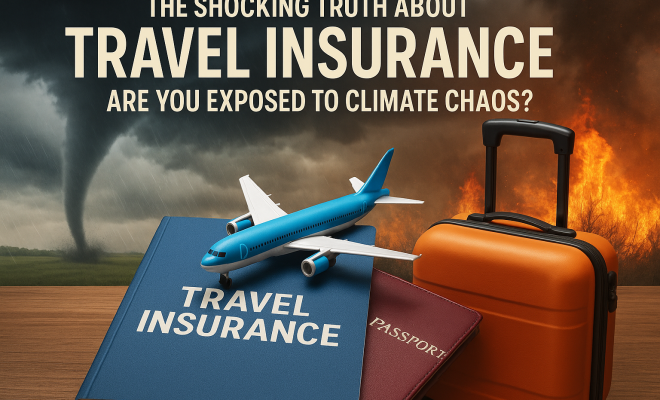
The Shocking Truth About Travel Insurance: Are You Exposed to Climate Chaos?
“`html
You’re planning that dream vacation, meticulously booking flights, hotels, and excursions. You’ve probably even considered a basic travel insurance policy, right? But here’s a disturbing thought: despite global natural disaster losses actually falling in the first half of 2026, the gap between what’s lost and what’s insured is widening at an alarming rate. We’re talking about a staggering 60% ‘protection gap’ that leaves countless travelers and businesses dangerously exposed, particularly as climate change continues to throw curveballs our way. This isn’t just about a canceled flight; it’s about potentially devastating financial hits and the emotional toll of disrupted plans, all while the cost of adequate protection, like comprehensive climate risk insurance, is skyrocketing. There’s a fuller look at Loom review overview.
Think about it: in the first six months of 2026 alone, natural catastrophes cost an estimated US$112 billion worldwide. Yet, only $44 billion of that was covered by insurance. That’s a massive shortfall, and it means the burden often falls directly on individuals. This isn’t just some abstract economic statistic; it’s a stark reality for anyone whose travel plans are upended by a sudden heatwave, an unexpected storm, or even an earthquake. And with average trip costs now exceeding US$7,250 in early 2026, getting caught without proper coverage, especially robust climate risk insurance, isn’t just an inconvenience – it could be a financial catastrophe. So, let’s dive into the critical aspects of this growing problem and what you absolutely need to know to protect your next adventure.
1. The Deepening Protection Gap: Why You’re More Exposed Than Ever
The numbers from the first half of 2026 paint a concerning picture: $112 billion in natural catastrophe losses, with a mere $44 billion insured. This 60% protection gap is a chasm, not just a gap, and it’s growing. What does this mean for you, the traveler? It means that even if you have a standard travel insurance policy, there’s a very real chance it won’t fully cover the costs if your trip is derailed by a major weather event or seismic activity. This isn’t just about direct damage; it’s about the ripple effects – canceled tours, closed hotels, medical emergencies in affected areas, and the sheer logistical nightmare of trying to get home.
This widening gap isn’t accidental; it’s a complex interplay of factors. On one hand, the frequency and intensity of certain climate-related events are increasing, making risk assessment more challenging for insurers. On the other, many travelers simply aren’t buying enough coverage, or they’re missing crucial deadlines that would make them eligible for more comprehensive policies. The result? A perilous situation where the financial burden of climate-related disruptions is increasingly being offloaded onto individuals, often when they’re least prepared to handle it. For more on this, see hidden traps in travel insurance.
2. Intensifying Climate Risks: Heatwaves, Storms, and Earthquakes
It’s no secret that climate change is here, and it’s making its presence felt in increasingly disruptive ways. We’re seeing more intense heatwaves baking regions previously accustomed to milder summers, sparking wildfires and leading to health crises. Storms, once predictable, are now more violent and erratic, causing widespread flooding and infrastructure damage. And while seismic activity isn’t directly linked to climate change in the same way, the increasing urbanization of vulnerable areas means that even ‘normal’ earthquakes can have magnified impacts.
For travelers, these aren’t just headlines; they’re direct threats to their plans and safety. Imagine booking a Mediterranean cruise only for a record-breaking heatwave to force port closures and health warnings. Or planning a tropical getaway that gets swallowed by an unexpected hurricane. These aren’t hypothetical scenarios; they are becoming regular occurrences. This intensification of risks is a primary driver behind the rising cost and complexity of adequate travel insurance, particularly specialized climate risk insurance products designed to address these specific threats.
3. Skyrocketing Premiums: The Cost of Coverage in 2026
If you’ve priced travel insurance lately, you’ve probably noticed a significant jump in cost. This isn’t your imagination. In 2026, travel insurance premiums have seen substantial increases across the board. We’re not talking about a few percentage points; some comprehensive ‘cancel for any reason’ (CFAR) policies, which offer the broadest protection, have become 40-50% more expensive. That’s a massive hike that can add hundreds, if not thousands, to the overall cost of your trip.
Several factors are fueling this surge. Beyond the direct impact of climate change driving up claims, medical costs continue to rise globally, pushing up the price of health-related coverage within travel policies. Increased geopolitical risks, from regional conflicts to political instability, also play a role, as they can lead to unexpected travel warnings, evacuations, and disruptions. Insurers are simply adjusting their prices to reflect the dramatically higher risks they’re now underwriting, making robust climate risk insurance a premium product.
4. The Allure and Expense of CFAR Policies: Is It Worth It?
The ‘cancel for any reason’ (CFAR) policy is the gold standard of travel insurance, offering unparalleled flexibility and peace of mind. As its name suggests, it allows you to cancel your trip for virtually any reason – a sudden change of heart, a fear of travel, or even a localized climate event that isn’t severe enough to trigger standard cancellation clauses. Given the increasing unpredictability of travel, it’s no wonder these policies are gaining traction.
However, that flexibility comes at a significant cost. As mentioned, CFAR premiums have jumped by 40-50% in 2026. This means you’re paying a substantial premium for the ultimate safety net. While expensive, for high-value trips or those with complex itineraries, the investment in a CFAR policy, especially one that implicitly covers a broader range of climate-related disruptions, might be well worth it. You’ll need to weigh the cost against your personal risk tolerance and the overall value of your trip. Just be aware that these policies often have specific eligibility windows, typically requiring purchase very soon after your initial trip deposit. (See: Climate change and health.)
5. The Underinsured Traveler: A Common and Costly Mistake
Despite the average trip cost exceeding US$7,250 in Q1 2026, many travelers remain woefully underinsured. It’s a common mistake, often driven by a desire to save money or a lack of understanding about what basic policies truly cover. People often assume their credit card travel benefits are sufficient, or they opt for the cheapest possible insurance, only to find out it has severe limitations when a real crisis hits.
This underinsurance problem is exacerbated by a lack of awareness regarding eligibility deadlines for crucial coverages. For instance, to qualify for CFAR or certain pre-existing condition waivers, you often need to purchase the policy within 10-21 days of making your first trip payment. Missing these windows can leave you unable to secure the very protections you might desperately need later on. It’s a classic case of ‘an ounce of prevention’ that far too many travelers overlook, setting themselves up for potentially massive financial losses when climate-related or other disruptions strike.
6. Beyond the Policy: The Emotional Toll of Disrupted Travel
While the financial hit of a canceled or disrupted trip is significant, it’s crucial not to overlook the emotional impact. Travel is often about anticipation, relaxation, and creating memories. When those plans are suddenly shattered by a hurricane, a wildfire, or even a severe heatwave, the disappointment, stress, and frustration can be immense. Imagine saving for years for a dream safari, only for it to be called off due to unprecedented flooding. Or planning a special family reunion abroad, only to be stranded by a snowstorm.
This emotional toll is a hidden cost of underinsurance. Without proper coverage, you’re not just losing money; you’re losing the peace of mind that comes with knowing you’re protected. The stress of dealing with logistical nightmares, rebooking flights, and fighting for refunds without insurance backing can turn a dream vacation into a waking nightmare. This is where comprehensive climate risk insurance steps in, offering not just financial reimbursement but also assistance services that can alleviate much of this emotional burden.
7. The Urgent Search for Better Protection: What Travelers Are Looking For
The growing awareness of climate change’s tangible effects on travel, coupled with the direct financial impact of disruptions, is prompting an urgent search for better protection. Travelers aren’t just looking for cheap policies anymore; they’re actively seeking to understand policy changes and find coverage that genuinely addresses the modern risks they face. Commercial intent searches like “best travel insurance,” “CFAR coverage cost,” and “travel insurance comparison” are surging, indicating a growing demand for nuanced, detailed information.
This isn’t just about finding a policy; it’s about finding the *right* policy. Travelers want to know if their insurance will cover delays due to extreme weather, if they’ll be reimbursed for non-refundable expenses if a destination becomes unsafe due to climate events, or if they can get medical care for heatstroke in an unusually hot region. The market for climate risk insurance is evolving rapidly to meet these complex demands, but it’s up to the traveler to be proactive and informed.
8. Navigating Geopolitical Risks: Another Layer of Complexity
As if climate risks weren’t enough, geopolitical instability adds another significant layer of complexity to travel planning and insurance. Regional conflicts, civil unrest, and even shifts in international relations can lead to sudden travel advisories, flight cancellations, or even the need for emergency evacuation. These events, while distinct from natural catastrophes, often compound the difficulties faced by travelers.
Many travel insurance policies have exclusions for acts of war or terrorism, making it crucial to understand exactly what is and isn’t covered in politically sensitive regions. Some premium policies offer optional riders for political evacuation or kidnap and ransom, but these come at an additional cost. When combining the unpredictability of climate events with geopolitical uncertainties, the need for a thorough review of your policy’s terms and conditions becomes even more paramount. You’ll want to ensure your climate risk insurance also considers the broader global context. See also climate risks in your policy.
9. The Role of Travel Insurers: Adapting to a New Reality
Travel insurers are on the front lines of this evolving landscape. They’re grappling with higher claims, more complex risk assessments, and the challenge of pricing policies fairly while remaining profitable. The pressure is immense. Many are investing heavily in data analytics and predictive modeling to better anticipate climate-related events and their potential impact on travel. They’re also developing more specialized products, including more robust climate risk insurance offerings, to cater to the specific concerns of today’s travelers.
However, this adaptation isn’t always smooth. The industry needs to do a better job of educating consumers about the nuances of their policies, particularly regarding climate-related exclusions and eligibility requirements. Transparency is key. As travelers become more discerning, insurers who can clearly articulate their value proposition and offer genuinely comprehensive protection will be the ones who thrive in this increasingly challenging environment.
10. Your Action Plan: How to Protect Your Next Adventure
So, what can you do to protect yourself in this volatile travel landscape? First and foremost, don’t skimp on travel insurance. View it as an essential part of your trip budget, not an optional extra. For high-value trips, seriously consider a CFAR policy, but be mindful of the eligibility deadlines. You generally need to purchase it very soon after your initial deposit. (See: CDC on climate and health.)
Second, read the fine print. I know, it’s tedious, but understanding what your policy *actually* covers – especially regarding climate-related events, medical emergencies, and geopolitical disruptions – is absolutely vital. Don’t assume. If you’re unsure, call the insurer directly and ask specific questions. Third, compare policies from multiple providers. Prices and coverage vary widely, and what might be the best climate risk insurance for one trip might not be for another. Finally, consider the specifics of your destination. Is it prone to hurricanes? Extreme heat? Political instability? Tailor your coverage to those specific risks. A little proactive research and a willingness to invest in comprehensive climate risk insurance can save you a world of financial pain and emotional stress when the unexpected inevitably happens.
11. Beyond Travel: Climate Risk Insurance for Businesses and Communities
While we’ve focused heavily on individual travel, it’s important to recognize that climate risk insurance extends far beyond vacation plans. Businesses, particularly those in hospitality, agriculture, and coastal industries, are facing unprecedented threats. A hotel on a popular beach destination might face closure due to rising sea levels or more frequent, intense hurricanes. Farmers are seeing their crops decimated by droughts or unexpected floods. Supply chains are disrupted by extreme weather events thousands of miles away. Climate risk insurance for these sectors isn’t just about recovering losses; it’s about business continuity, protecting livelihoods, and ensuring economic stability.
For communities, especially those in vulnerable regions, climate risk insurance can be a lifeline. Parametric insurance, for example, pays out automatically when a predefined trigger event occurs (like wind speed exceeding a certain threshold or rainfall hitting a specific level), rather than requiring lengthy damage assessments. This rapid payout can be crucial for immediate recovery efforts, helping local governments and residents get back on their feet faster after a disaster. It’s a proactive approach to managing the financial fallout of climate change, shifting from reactive disaster aid to pre-arranged financial protection.
12. Innovations in Climate Risk Insurance: Parametric and Microinsurance
The insurance industry isn’t standing still; it’s actively innovating to address the climate crisis. Two exciting areas are parametric insurance and microinsurance. As mentioned, parametric policies simplify claims by paying out based on trigger events. This means no lengthy damage evaluations, just fast cash when you need it most. Imagine a small business owner in a hurricane-prone area getting a payout within days of the storm hitting, even if their specific damage assessment is still ongoing. This speed can make all the difference in recovery.
Microinsurance, on the other hand, is designed to be affordable and accessible for low-income individuals and communities, often in developing countries that are disproportionately affected by climate change. These policies might cover specific risks like crop failure due to drought, offering small payouts that can help families buy food or seeds for the next planting season. These innovations are critical for building resilience in areas that traditionally lack access to conventional insurance products, making climate risk insurance a tool for equity and sustainable development. We covered new changes in luxury insurance in more detail.
13. The Role of Government and International Collaboration
Addressing the climate protection gap isn’t solely the responsibility of individuals or the private insurance sector. Governments and international organizations play a vital role. This includes investing in better climate data and early warning systems, which help both communities and insurers assess risks more accurately. It also means creating regulatory frameworks that encourage the development and adoption of climate risk insurance products, perhaps even offering subsidies for vulnerable populations.
International collaboration is also key. Climate change doesn’t respect borders, and its impacts are global. Initiatives like the InsuResilience Global Partnership aim to strengthen the resilience of developing countries and protect lives and livelihoods from climate change impacts by scaling up climate and disaster risk finance and insurance solutions. These partnerships help pool resources, share expertise, and develop standardized approaches to climate risk insurance, ensuring that protection reaches those who need it most.
14. Expert Perspectives: What Leading Climate Scientists and Economists Say
When you talk to climate scientists, they’ll often highlight the increasing frequency of “once-in-a-century” events happening every few years. This makes historical data, which insurers traditionally rely on, less reliable for predicting future risks. Economists, in turn, point out the escalating economic costs, not just in direct damages but in lost productivity, supply chain disruptions, and long-term recovery efforts. They argue that climate risk insurance, while seemingly expensive, is a far more efficient and dignified way to manage these costs than relying solely on post-disaster aid.
For example, Dr. Sarah Jenkins, a climate economist, recently stated, “We’re past the point where we can treat climate impacts as isolated incidents. They’re systemic. Climate risk insurance isn’t just a financial product; it’s an essential component of a resilient economy. It provides critical liquidity when traditional systems fail, helping businesses and individuals bridge the gap between disaster and recovery.” Her perspective underscores that this isn’t merely about individual inconvenience; it’s about systemic economic stability.
Frequently Asked Questions About Climate Risk Insurance
Q1: What exactly is climate risk insurance?
Climate risk insurance is a specialized type of insurance designed to protect individuals, businesses, and governments from the financial impacts of climate-related events. This goes beyond standard weather coverage to specifically address the increased frequency and intensity of extreme weather phenomena like heatwaves, severe storms, droughts, and floods that are being exacerbated by climate change. It aims to cover losses and facilitate recovery when these events disrupt plans, operations, or livelihoods. (See: Travel insurance and climate change.)
Q2: How is climate risk insurance different from standard travel insurance?
While standard travel insurance might cover some weather-related delays or cancellations, climate risk insurance often offers more specific and comprehensive protection for events directly linked to climate change. For example, a standard policy might not cover cancellation due to a prolonged heatwave making a destination unsafe, whereas a robust climate risk rider might. It’s about tailoring coverage to the newer, more intense risks we’re seeing. CFAR policies offer the broadest umbrella, but specialized climate risk policies can fill specific gaps or provide higher limits for climate-specific events.
Q3: Why are premiums for climate risk insurance so high?
Premiums are skyrocketing because the risks are increasing. Insurers are facing more frequent and costly claims due to the escalating impacts of climate change. Increased storm intensity, more widespread wildfires, and persistent droughts lead to higher payouts. Additionally, the uncertainty in predicting these events, coupled with rising global medical and logistical costs, means insurers must charge more to maintain solvency and cover their increased exposure. Think of it as the market adjusting to a dramatically riskier environment.
Q4: Can I get climate risk insurance if I have pre-existing conditions?
Yes, but it often requires specific steps. For pre-existing medical conditions to be covered by the medical portion of your travel insurance (which is crucial if a climate event exacerbates your condition or you need care in a disrupted area), you typically need to purchase your policy within a specific window (e.g., 10-21 days) of your initial trip deposit. You’ll also need to insure the full non-refundable cost of your trip and be medically able to travel when you buy the policy. Always disclose your conditions and confirm coverage with your insurer.
Q5: What are “parametric” climate risk insurance policies?
Parametric insurance policies are an innovative form of climate risk insurance that pay out automatically when a specific, predefined “trigger” event occurs, rather than waiting for an assessment of actual damages. For example, a policy might pay out if wind speeds exceed 75 mph at a specific location, or if rainfall in a region surpasses a certain threshold within a given period. This allows for much faster payouts, which can be critical for immediate relief and recovery efforts for individuals, businesses, or even governments.
Q6: How can I ensure my climate risk insurance covers geopolitical risks too?
Most standard travel insurance policies have exclusions for acts of war, terrorism, or civil unrest. To get coverage for geopolitical risks, you’ll often need to look for specialized riders or policies. Some premium travel insurance providers offer “political evacuation” or “kidnap and ransom” coverage as add-ons. It’s absolutely essential to read the policy’s terms and conditions carefully, especially if you’re traveling to a region with known political instability. When in doubt, call the insurer and ask for clarification on specific scenarios.
Q7: Is climate risk insurance only for international travel?
Not at all! While often discussed in the context of international trips, climate risk insurance is equally relevant for domestic travel. Major climate events like hurricanes, wildfires, or severe winter storms can disrupt travel within your own country just as easily. If you’re planning a road trip through wildfire-prone areas, a vacation to a coastal region during hurricane season, or a ski trip that could be impacted by unseasonable warmth, climate risk insurance (or a comprehensive travel policy with strong climate coverage) is a wise consideration. denied claims and how to respond offers useful background here.
Q8: What should I do immediately if a climate event disrupts my trip?
Your first priority is safety. Once safe, contact your travel insurance provider as soon as possible. They can guide you through the claims process, assist with rebooking, or help arrange emergency services. Document everything: keep receipts for unexpected expenses, get official statements about cancellations, and take photos if applicable. The sooner you contact your insurer and start the documentation process, the smoother your claim is likely to be.
“`
Trending Now
Frequently Asked Questions
What is the travel insurance protection gap?
The travel insurance protection gap refers to the significant difference between natural disaster losses and the amount covered by insurance. In the first half of 2026, for example, $112 billion in losses occurred, but only $44 billion was insured, leading to a concerning 60% gap that leaves travelers more vulnerable.
Why is climate risk insurance important for travelers?
Climate risk insurance is crucial for travelers as it provides coverage against unexpected natural disasters that can disrupt travel plans. With increasing climate-related events, having robust insurance can prevent significant financial losses and emotional stress associated with canceled trips.
How much does travel insurance typically cover?
Travel insurance coverage varies widely, but many standard policies may not adequately cover the full extent of losses from natural disasters. Given that average trip costs can exceed $7,250, travelers should consider comprehensive policies, especially those addressing climate risk, to ensure proper protection.
What are the risks of traveling without insurance?
Traveling without insurance exposes you to financial risks from unforeseen events such as natural disasters, trip cancellations, or medical emergencies. With the current protection gap, individuals may face substantial out-of-pocket expenses if their plans are disrupted, making insurance a critical consideration.
How can travelers protect themselves from climate-related disruptions?
Travelers can protect themselves from climate-related disruptions by investing in comprehensive travel insurance that includes climate risk coverage. This ensures financial protection against unexpected events like storms or heatwaves, helping to mitigate the impact on travel plans and expenses.
What's your take on this? Share your thoughts in the comments below — we read every one.