The Shocking Collapse of a 1,300-Job Exuma Project: What Really Happened?
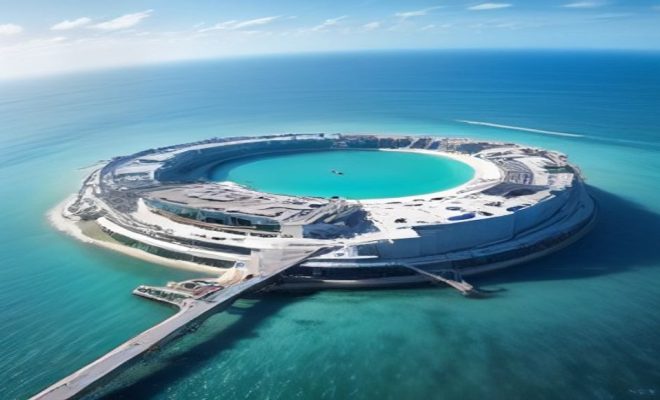
When you hear about a luxury private island resort promising 1,300 jobs, especially in a place as breathtaking as Exuma, Bahamas, your ears perk up. It sounds like a dream, doesn’t it? A massive injection of opportunity and prosperity into a local economy, all wrapped up in the allure of high-end tourism. But sometimes, dreams stay just that – dreams. Unfortunately, for the people of Exuma, and for anyone who followed the tantalizing whispers of the Velaa Luxury Private Island Resort, that dream has reportedly evaporated. What was once heralded as a beacon of economic growth has, according to recent reports, simply fallen by the wayside.
The news, which surfaced on September 2, 2026, painted a rather stark picture. The ambitious Velaa project, slated for the pristine shores of Norman’s Pond Cay, didn’t just stall; it never really got off the ground. Sources close to the situation, including the developer Island Development Group and various local real estate professionals, confirm that the project never progressed beyond those initial, hopeful discussions. This isn’t just a minor setback; it’s a significant blow, particularly when you consider the scale of the promised Exuma job project and the potential ripple effects it could have had on the community. It leaves us wondering: what went wrong, and what does this mean for the future of luxury development in the Caribbean?
The Grand Vision That Never Materialized: Velaa Luxury Private Island Resort
Let’s rewind a bit and imagine what could have been. The Velaa Luxury Private Island Resort wasn’t just another hotel; it was designed to be an ultra-exclusive enclave. The plans were certainly impressive, speaking to a discerning clientele willing to pay top dollar for unparalleled privacy and service. We’re talking about 44 opulent resort suites and villas, each meticulously designed to offer breathtaking views and world-class amenities. On top of that, there were to be 30 branded residences, a common trend in high-end resort development where individuals can purchase a piece of paradise, often with the promise of rental income and access to all resort services.
Beyond the suites and residences, the project envisioned a whole host of other high-end accommodations and facilities. Picture private beaches, gourmet dining experiences, state-of-the-art spas, and perhaps even a yacht club or exclusive watersports offerings. This wasn’t just about building structures; it was about crafting an entire ecosystem of luxury, attracting a global elite to Exuma. The sheer scope of it was enough to get anyone excited, especially when you consider the specialized skills and services such a venture would require. From hospitality staff to construction workers, landscape architects to culinary experts, the demand for local talent would have been immense, making the Exuma job project a truly transformative prospect.
Norman’s Pond Cay: A Jewel Awaiting Development?
The choice of Norman’s Pond Cay as the location for this ambitious resort project was no accident. The Exumas are renowned globally for their unparalleled natural beauty: crystal-clear turquoise waters, pristine white-sand beaches, and a serene, untouched quality that’s increasingly rare in the Caribbean. Norman’s Pond Cay, like many of its Exuma counterparts, offers that quintessential private island experience – a true escape from the hustle and bustle of everyday life. Developers are always on the hunt for these types of locations, islands or cays that offer both natural splendor and sufficient space for large-scale development without compromising the environment or the sense of exclusivity.
However, developing on a private island, especially one with such delicate ecosystems, comes with its own unique set of challenges. Logistics, infrastructure, environmental impact assessments, and securing the necessary permits can be incredibly complex and time-consuming. Any developer looking at Norman’s Pond Cay would have to navigate these hurdles, often requiring significant upfront investment and a deep understanding of local regulations and environmental sensitivities. While the allure of such a pristine location is undeniable, its very remoteness and untouched nature can also contribute to the difficulties in bringing a massive project like Velaa to fruition. It’s a delicate balance, and sometimes, the scales just don’t tip in the project’s favor.
The Lingering Question: What Caused the Collapse of the Exuma Job Project?
So, if the vision was grand and the location was perfect, why did the Velaa Luxury Private Island Resort never move beyond preliminary discussions? The official word points to an “undisclosed acquisition issue.” Now, that’s a phrase that can mean a lot of things, and it certainly leaves room for speculation. Was it a problem with acquiring the land itself? Did the negotiations for Norman’s Pond Cay hit an insurmountable snag? Or perhaps it was an issue related to acquiring financing, partners, or even crucial permits that proved too difficult to overcome. In the world of high-stakes real estate, especially for projects of this magnitude, any one of these elements can be a deal-breaker.
It’s not uncommon for large-scale developments to face a myriad of challenges, from environmental concerns and local opposition to financial market fluctuations and changes in investor sentiment. An “acquisition issue” could imply a disagreement over land valuation, a competing bid that complicated matters, or even unexpected legal entanglements concerning ownership or title. Without more specific details from the Island Development Group, we’re left to piece together the possibilities. What is clear, however, is that whatever this “acquisition issue” was, it was significant enough to completely derail a project that promised so much for the local economy, particularly for the anticipated Exuma job project.
The Volatile Nature of Luxury Real Estate Investments
This whole situation really underscores the volatile nature of large-scale luxury travel real estate investments. These aren’t your typical residential home purchases; they involve astronomical sums of capital, complex financing structures, and often, a reliance on global economic conditions. A project like Velaa would have required hundreds of millions, if not billions, of dollars in investment. Investors in this space are looking for significant returns, but they’re also highly sensitive to risk. A slight shift in global tourism trends, a downturn in the luxury market, or even geopolitical instability can send a developer’s carefully constructed financial model tumbling.
Consider the timelines involved: these projects often take years, sometimes even a decade, from conception to completion. A lot can happen in that time. We’ve seen global recessions, pandemics, and shifts in consumer preferences that can fundamentally alter the viability of a long-term investment. What looked like a sure bet five years ago might seem far less appealing today. This inherent volatility means that even the most promising projects, backed by seemingly robust financial models, can falter if external conditions or internal hurdles prove too great. It’s a high-reward, but also incredibly high-risk, game. (See: BBC report on luxury tourism projects.)
Economic Implications for Exuma: A Missed Opportunity
For a small community like Exuma, the abandonment of a 1,300-job project isn’t just disappointing; it’s a significant missed opportunity. Think about the impact that many jobs would have had. We’re not just talking about direct employment in construction and hospitality. We’re talking about the ‘multiplier effect’ – the way every direct job supports several indirect jobs in related industries. Local businesses like restaurants, shops, transportation services, and tour operators would have seen a massive boost in demand. Farmers would supply fresh produce, fishermen would provide seafood, and artisans would sell their crafts to a new influx of tourists and resort staff. For more context, see economic growth and financial challenges. See also luxury real estate trends.
Moreover, these jobs would have provided stable incomes, allowing families to invest in education, healthcare, and better living conditions. It would have fostered a sense of economic security and upward mobility. The government, too, would have benefited from increased tax revenues and economic activity, which could then be reinvested into public services and infrastructure. When a project of this scale falls through, it leaves a void, not just in terms of jobs, but also in the broader economic development trajectory of the region. The promise of the Exuma job project was tangible, and its loss will undoubtedly be felt for some time.
The Ripple Effect: Beyond Direct Employment
Let’s really unpack that ripple effect. Imagine the increased need for housing for the new workforce, stimulating the local construction sector beyond the resort itself. Think about the educational opportunities that might have arisen – vocational training programs to equip locals with the skills needed for high-end hospitality roles, or perhaps even specialized culinary or management schools. These are the kinds of long-term investments in human capital that can transform a community.
The resort would also have brought increased air traffic, potentially leading to better flight connectivity for the entire Exuma chain. This isn’t just good for the resort; it benefits existing hotels, guesthouses, and local tourism operators. Improved infrastructure, like roads, utilities, and communication networks, often accompanies large developments, providing a lasting benefit to the entire island. So, while 1,300 jobs is a headline number, the true economic potential of this Exuma job project extended far beyond just those direct positions. It was about catalyzing a broader wave of development and prosperity.
Lessons Learned for Future Developments in the Caribbean
The story of the Velaa Luxury Private Island Resort serves as a potent reminder for both developers and local governments in the Caribbean. For developers, it underscores the absolute necessity of thorough due diligence, not just on the land itself, but on the entire acquisition process, financing, and potential regulatory hurdles. They need to have robust contingency plans and a clear understanding of the local political and economic landscape. Relying solely on preliminary discussions, no matter how promising, is a risky strategy.
For governments, it highlights the importance of transparent and efficient processes for land acquisition, permitting, and environmental reviews. While attracting foreign investment is crucial for economic growth, it’s equally important to protect local interests and ensure that promises of jobs and development are grounded in reality. Perhaps there’s a need for more stringent vetting of developers at earlier stages, or a mechanism to ensure that projects progress beyond mere conceptualization. This incident also raises questions about how communities are managed when such a large promise, like this Exuma job project, evaporates. How do you manage expectations and rebuild trust?
Balancing Growth and Sustainability in Island Nations
Island nations, particularly those reliant on tourism, constantly grapple with the delicate balance between economic growth and environmental sustainability. Large-scale luxury resorts, while offering significant economic benefits, also pose potential risks to fragile ecosystems, coral reefs, and marine life. The planning process for such projects must involve rigorous environmental impact assessments and a commitment to sustainable practices.
Furthermore, there’s the question of cultural impact. How do these massive, often foreign-owned, developments integrate with and respect local culture and traditions? Finding that sweet spot where development enhances rather than eroding the unique identity of a place is a continuous challenge. The Velaa project’s failure, while disappointing, provides an opportunity to reflect on these broader considerations for future endeavors. It’s not just about getting a project built; it’s about building it right, for the benefit of all, and ensuring that any proposed Exuma job project is truly sustainable in every sense of the word.
The Role of Local Real Estate in High-Stakes Development
The involvement of local real estate sources in confirming the project’s abandonment is particularly telling. These are the individuals on the ground, deeply embedded in the local property market, who often have the earliest insights into the viability and progress of major developments. They hear the whispers, observe the movements (or lack thereof), and understand the nuances of land ownership and development potential in their specific region. Their confirmation lends significant weight to the news, moving it beyond mere rumor.
For local real estate professionals, the prospect of a project like Velaa is a double-edged sword. On one hand, it promises increased property values, new construction opportunities, and a surge in demand for related services. On the other, the collapse of such a high-profile venture can create uncertainty and dampen investor confidence, at least temporarily. Their role in these situations is critical, not just in facilitating deals, but also in providing accurate, ground-level information that helps paint a realistic picture of the development landscape. Their insights are invaluable for understanding the true pulse of the market, particularly when it comes to a large-scale Exuma job project. (See: New York Times article on Exuma's economy.)
The Future of Luxury Development in Exuma
Despite this setback, it’s unlikely that the allure of Exuma for luxury development will diminish. The natural assets are simply too compelling. What this incident might do, however, is lead to a more cautious approach from both developers and the Bahamian government. We might see future projects with more transparent acquisition processes, stronger initial financial commitments, and perhaps even a greater emphasis on smaller, more boutique luxury developments that are easier to finance and manage.
The demand for exclusive, private island experiences is only growing among the world’s wealthiest individuals. Exuma remains a prime candidate to meet that demand. The challenge now is to learn from the Velaa experience, ensuring that the next promising proposal for an Exuma job project is not just a grand vision, but a thoroughly vetted, financially sound, and ultimately achievable reality. The potential for sustainable, high-end tourism to transform the lives of Exumians is still very much there; it just requires a more robust and resilient approach. For more context, see impact of tourism on local economies.
Hope on the Horizon? Rebuilding Trust and Opportunity
The disappointment surrounding the Velaa project is palpable, but it doesn’t mean the end of opportunity for Exuma. What it does mean is a moment for reflection and potentially, a recalibration of how large-scale developments are approached. Communities, governments, and developers must work together to create an environment where projects are not just ambitious, but also realistic and sustainable. Perhaps this means a greater focus on local partnerships, ensuring that a significant portion of the investment and benefits remain within the community.
It’s about rebuilding trust. When a project promising 1,300 jobs falls through, it can leave a sour taste. The next developer who comes along will need to demonstrate not just financial muscle, but also a genuine commitment to the community and a clear, actionable plan. Exuma deserves projects that deliver on their promises, projects that genuinely uplift and empower its people, without compromising the very beauty and tranquility that makes it such a desirable destination. The dream of a thriving Exuma job project is still alive, it just needs the right vision and the right execution to finally take root.
Comparing Exuma’s Experience to Other Caribbean Developments
It’s useful to look at Exuma’s situation through the lens of other major Caribbean development projects. This isn’t an isolated incident; stories of grand resorts failing to launch, or running into significant hurdles, are unfortunately not uncommon in the region. Take, for example, the Baha Mar resort in Nassau, Bahamas. That project, while eventually completed, faced years of delays, cost overruns, and even bankruptcy filings before it finally opened. It was a rollercoaster, impacting thousands of jobs and the national economy. The scale of the Baha Mar project was immense, and its struggles highlighted the complexities of large-scale development in small island nations.
On the flip side, we’ve seen successful, albeit sometimes controversial, luxury developments. Projects in places like St. Barts or Turks and Caicos have managed to cultivate ultra-exclusive tourism markets. What often differentiates the successes from the failures is not just the vision, but the meticulous planning, robust financing from multiple sources, strong government support with clear regulatory pathways, and a genuine understanding of the local environment and community needs. The Velaa project’s reported “undisclosed acquisition issue” seems to indicate a fundamental breakdown at an early stage, perhaps even before it could face the construction or operational challenges that plagued Baha Mar. This suggests a failure in foundational due diligence, a critical step that simply can’t be skipped when you’re talking about a multi-million dollar Exuma job project.
The Importance of Community Engagement from the Outset
One aspect that often gets overlooked in the initial excitement of a massive development promise is the crucial role of community engagement. When a project like Velaa is announced, particularly one that promises 1,300 jobs, there’s immense hope and anticipation among local residents. They envision better schools, more opportunities for their children, and a general uplift in their quality of life. But when these promises fall apart, it can lead to deep-seated cynicism and distrust in future development proposals.
For any future Exuma job project, developers and government entities should prioritize transparent and continuous dialogue with the local community. This means going beyond simple public announcements. It involves holding regular town hall meetings, establishing clear channels for feedback, and genuinely listening to concerns about environmental impact, cultural preservation, and equitable job distribution. Proactive engagement can help identify potential issues early on, mitigate local opposition, and build a sense of shared ownership in the project’s success. When communities feel heard and valued, they become partners, not just beneficiaries, and that partnership can be invaluable in navigating the inevitable challenges that arise in large-scale ventures.
Expert Perspectives on High-Value Island Development
Industry experts in luxury island development often emphasize several key factors for success that the Velaa project appears to have missed. According to seasoned developers and financial analysts, projects of this magnitude require:
- Rock-Solid Financial Backing: It’s not enough to have investors; you need committed capital that can weather economic storms and unexpected costs. A diverse funding portfolio, often involving institutional investors, private equity, and even some government incentives, provides stability.
- Clear Land Title and Acquisition Strategy: Ambiguities in land ownership or complex negotiations can kill a project before it starts. Legal clarity and a well-defined acquisition plan are paramount.
- Robust Infrastructure Planning: Remote islands often lack the necessary infrastructure (power, water, waste management, transportation) to support a large resort. Developers must factor in the significant costs and complexities of building or upgrading this infrastructure.
- Environmental Sensitivity: Modern luxury travelers are increasingly eco-conscious. Projects that demonstrate a genuine commitment to sustainability and conservation, often going beyond minimal regulatory requirements, tend to gain more acceptance and long-term viability.
- Experienced Development Team: A team with a proven track record in similar high-end, complex projects in island nations is essential. Navigating local customs, regulations, and logistical challenges requires specific expertise.
The “undisclosed acquisition issue” for the Velaa Exuma job project suggests a failure on one or more of these foundational points, highlighting how critical these early stages are to a project’s ultimate success or failure. (See: WHO on social determinants of health.)
FAQ: Understanding the Velaa Exuma Job Project Failure
What was the Velaa Luxury Private Island Resort project?
The Velaa Luxury Private Island Resort was an ambitious, ultra-exclusive development planned for Norman’s Pond Cay in Exuma, Bahamas. It envisioned 44 opulent resort suites and villas, 30 branded residences, and a host of high-end amenities, promising a significant Exuma job project with 1,300 direct positions.
When was the project announced and when was its abandonment reported?
While the exact announcement date isn’t specified, reports of the project’s abandonment surfaced on September 2, 2026. This indicates the project never progressed beyond initial discussions and plans.
What was the main reason cited for the project’s failure?
The official word from sources close to the situation, including the developer Island Development Group, pointed to an “undisclosed acquisition issue.” This suggests a problem related to securing the land, financing, or other critical components necessary to move forward.
How many jobs were promised by the Velaa project?
The project promised to create 1,300 direct jobs, which would have had a substantial positive impact on the local economy through direct employment and indirect multiplier effects.
What does “acquisition issue” typically mean in large-scale real estate?
An “acquisition issue” can encompass several problems, such as difficulties in purchasing the land, disputes over land valuation, legal entanglements concerning ownership, challenges in securing necessary permits, or a failure to obtain adequate financing from investors or partners.
What impact does such a project failure have on the local community of Exuma?
For Exuma, the failure represents a significant missed economic opportunity. It means the loss of 1,300 direct jobs, the broader ripple effects on local businesses, and potential delays in infrastructure improvements. It can also lead to disappointment and distrust within the community regarding future development promises.
Are there lessons learned for future luxury developments in the Caribbean?
Absolutely. This incident underscores the need for developers to conduct thorough due diligence, secure robust financing, and understand local regulations. For governments, it highlights the importance of transparent processes, stringent vetting of developers, and effective communication with communities to manage expectations and rebuild trust when large projects falter. It also emphasizes the need for a balanced approach to growth and sustainability.
Trending Now
- our breakdown of free guide: helping your most vulnerable readers
- our breakdown of unbelievable: the true cost of raising a child will absolutely devour your savings
- read the full story
- Jaw-Dropping: AI’s Quiet Takeover of Law…
- Outrageous: Chatbots Cleared for ‘Steamy Talks’ with 8-Year-Olds — What You MUST Know
Frequently Asked Questions
What happened to the Velaa Luxury Private Island Resort project?
The Velaa Luxury Private Island Resort project in Exuma, Bahamas, ultimately collapsed before it even began. Announced on September 2, 2026, it failed to progress beyond initial discussions, leaving the community without the promised 1,300 jobs and economic boost.
Why did the Exuma luxury resort project fail?
The Velaa Luxury Private Island Resort project failed due to a lack of development progress. Sources indicate that the project never moved beyond preliminary discussions, leading to disappointment for locals who were hopeful for job creation and economic growth.
How many jobs were promised by the Velaa project?
The Velaa Luxury Private Island Resort project promised to create approximately 1,300 jobs for the local community in Exuma. However, the project's failure means these opportunities will not materialize.
What impact does the collapse of the Velaa project have on Exuma?
The collapse of the Velaa Luxury Private Island Resort project represents a significant setback for Exuma's economy. It not only halts the creation of promised jobs but also raises concerns about future luxury developments in the region.
What was the vision for the Velaa Luxury Private Island Resort?
The vision for the Velaa Luxury Private Island Resort included an ultra-exclusive enclave with 44 luxurious suites and villas, designed for high-end clientele seeking privacy and top-tier amenities. Unfortunately, this vision remains unrealized due to the project's collapse.
This builds on hottest real estate markets.
What did we miss? Let us know in the comments and join the conversation.