The Relentless Myth of “Boy” Books and “Girl” Books

Chapter 1: The Relentless Myth of “Boy” Books and “Girl” Books
In the realm of literature, a pervasive myth has emerged, categorizing books into two distinct and rigidly defined groups: “boy” books and “girl” books. This binary classification not only oversimplifies the vast spectrum of literature available but also imposes limiting stereotypes that can shape the reading experiences of young readers. Understanding the origins, implications, and consequences of this myth is essential to fostering a more inclusive literary culture that encourages all children to explore stories without the constraints of gendered expectations.
The Construction of Gendered Literature
The roots of the boy/girl book dichotomy can be traced back to societal norms and expectations surrounding gender. From a young age, children are often inundated with stereotypes that dictate what is deemed appropriate for their gender. Boys are frequently encouraged to engage with action-packed adventures, science fiction, and tales of heroism, while girls are nudged towards stories that emphasize relationships, emotions, and domesticity. This cultural narrative is perpetuated by marketing strategies employed by publishers and bookstores, which often categorize books in ways that reinforce these gender norms.
This segmentation of literature can lead to significant consequences for young readers. Children may feel pressured to conform to the expectations of their gender, limiting their exploration of diverse stories and perspectives. A boy who might enjoy a beautifully written tale about friendship and emotional growth may shy away from it for fear of being judged by peers, while a girl might feel discouraged from reading an action-packed fantasy novel that could expand her imagination and inspire her ambitions.
The Impact on Reader Identity
The division between boy and girl books also has implications for the development of a child’s reading identity. Research has shown that children who are exposed to a diverse range of literature are more likely to develop empathy and understanding towards others. When children are confined to a limited scope of stories, they miss out on opportunities to connect with characters whose experiences differ from their own.
For instance, a girl who reads predominantly about female protagonists may develop a narrow view of what it means to be a woman, while a boy who only reads about male heroes might struggle to appreciate the complexity of female characters. This lack of representation can lead to a skewed understanding of gender roles and an inability to form connections with individuals outside of their gender group.
Challenging the Stereotypes
Fortunately, many authors, educators, and advocates are working to dismantle the myth of boy and girl books. Contemporary literature increasingly features diverse characters and themes that resonate with all readers, regardless of gender. Books like “The Hunger Games” by Suzanne Collins and “Harry Potter” by J.K. Rowling have captivated audiences of all genders by presenting strong, multifaceted characters who navigate challenges, make difficult choices, and grow through their experiences.
Moreover, educational initiatives aimed at promoting gender equality in literature are gaining traction. Schools and libraries are beginning to curate collections that intentionally include a wide array of books, encouraging children to read without the constraints of gendered expectations. Programs that promote reading for pleasure, such as book clubs and reading challenges, focus on the enjoyment of stories rather than their perceived suitability for boys or girls.
The Role of Parents and Guardians
Parents and guardians play a crucial role in challenging the myth of boy and girl books. By providing a diverse selection of literature at home and encouraging children to explore various genres, caregivers can help foster a love for reading that transcends gender norms. Discussing stories with children can also open up conversations about gender, identity, and the importance of empathy, allowing them to reflect on their own experiences and the experiences of others.
It is essential for parents to model inclusive reading habits themselves, demonstrating that people of all genders can appreciate and enjoy any type of story. When children see their caregivers engaged with a variety of literature, they are more likely to feel empowered to explore stories that resonate with them, regardless of societal expectations.
The Importance of Representation
Another critical aspect of dismantling the myth of boy and girl books is the need for representation in literature. Stories that feature protagonists from diverse backgrounds, including different races, cultures, abilities, and gender identities, allow all children to see themselves reflected in the stories they read. This representation fosters a sense of belonging and encourages children to embrace their unique identities while also cultivating an understanding and appreciation for the experiences of others.
Authors and publishers have a responsibility to create and promote literature that celebrates diversity and challenges stereotypes. By showcasing characters and stories that defy traditional gender roles, they can contribute to a more inclusive literary landscape that empowers all readers.
The Role of Educators
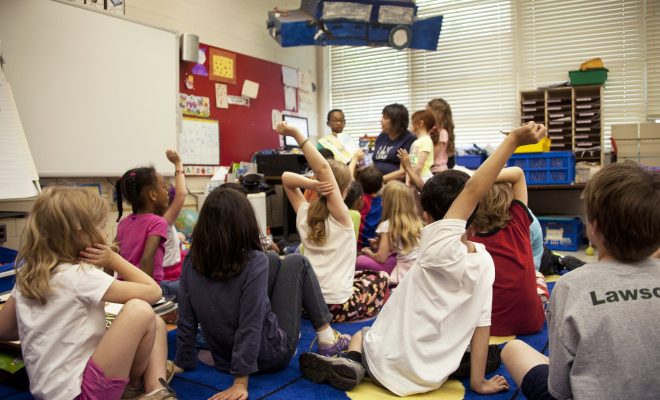
Educators play a pivotal role in reshaping the narrative around gendered literature. By introducing students to a broad spectrum of books, teachers can help dismantle preconceived notions about what constitutes “appropriate” reading material for boys and girls. Classroom discussions can emphasize the importance of character development, plot complexity, and thematic depth over gender considerations.
Incorporating literature into the curriculum that features strong female and male characters in diverse scenarios can broaden students’ perspectives. For instance, discussing books like “Matilda” by Roald Dahl, which features a brilliant young girl challenging the status quo, alongside “The Adventures of Tintin,” which follows a young boy on his investigative exploits, allows students to appreciate the richness of both narratives without confining them to gendered categories.
The Influence of Media and Pop Culture
The role of media and pop culture in perpetuating or challenging the myth of gendered books cannot be overlooked. Movies, television shows, and social media platforms often reinforce traditional gender roles through the content they promote. However, when media highlights stories that defy these norms, it creates an environment where children feel more liberated to explore a variety of genres.
For example, superhero films featuring female characters, such as “Wonder Woman” or “Captain Marvel,” have shown that girls can be as drawn to action and adventure as boys. Similarly, animated series that feature male characters engaging in nurturing or emotional roles help to dispel the notion that certain emotions or actions are gender-specific. The cross-pollination of literature and media can encourage children to seek out books that reflect these evolving narratives.
Encouraging Critical Thinking
Finally, encouraging critical thinking about literature can empower young readers to question the myth of boy and girl books. By inviting children to analyze the motivations of characters, the significance of plot developments, and the themes presented in stories, educators and parents can help them move beyond superficial categorizations.
For instance, when reading a popular series, discussions can focus on the character’s choices and their implications, rather than simply labeling the book as suitable for boys or girls. This approach fosters a deeper appreciation for literature as a whole, allowing children to engage with texts on a more meaningful level, irrespective of gender expectations.
By addressing the relentless myth of boy and girl books through various channels—literature selection, parental guidance, educational practices, media influence, and critical discourse—society can begin to break down these outdated stereotypes. The journey toward a more inclusive literary culture is ongoing, but with sustained effort, we can empower all children to read freely and fully.
Conclusion: Embracing Inclusivity in Literature
In conclusion, dismantling the myth of boy and girl books is essential for fostering a more inclusive literary landscape. By encouraging diverse reading choices, challenging stereotypes, and promoting critical thinking, we can empower children to explore stories that resonate with them, irrespective of gender. Ultimately, embracing a broader perspective on literature enriches the reading experience for all young readers, paving the way for a future where every child can find joy in any book they choose.