Gen Alpha & Higher Ed: Will Universities Adapt by 2030?
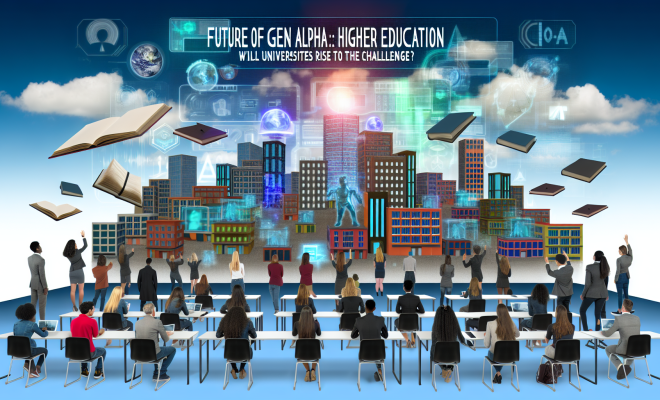
As we move closer to the year 2030, Generation Alpha, those born between 2010 and 2025, will soon start to enter college and reshape the landscape of higher education. This demographic, raised in an environment saturated with technology, has unique expectations and demands that educational institutions must address. Central to their experience will be an emphasis on always-on connectivity, hybrid learning models, and the seamless integration of AI and data analytics in their educational journey.
The Digital Natives of Tomorrow
Generation Alpha is the first cohort to be fully raised in a world influenced significantly by smartphones, social media, and artificial intelligence. As they approach higher education, their expectations will reflect their upbringing. Always-on connectivity is not just a desire; it’s a necessity. This generation will expect robust internet access across campuses, enabling them to stay engaged, whether in the classroom or remotely.
Hybrid Learning: The New Norm
One of the most significant shifts in educational paradigms is the expectation for hybrid learning models. This approach blends traditional face-to-face instruction with online learning, catering to the diverse needs of students. According to many educators, this model is likely to become a staple in Gen Alpha higher education.
- Flexibility: Students will want the option to choose how they learn. Some may prefer in-person classes for certain subjects, while others may opt for online resources and lectures.
- Personalization: Leveraging cloud platforms, institutions will need to offer tailored educational experiences that address the individual learning styles and paces of students.
- Accessibility: A significant part of hybrid learning is ensuring that all students have equal access to the necessary technology, which means universities will have to invest in infrastructure and devices.
The Role of Artificial Intelligence
As we look towards the future of Gen Alpha higher education, the integration of AI and data analytics in the classroom cannot be overstated. Institutions will need to harness these technologies to create immersive learning environments that adapt to student needs in real-time.
Key components of this integration include:
- AI-Driven Insights: Schools will rely on data analytics to track student performance and tailor educational materials accordingly. This can help identify areas of struggle and provide additional resources before small issues escalate.
- Personalized Learning Paths: AI can assist educators in developing customized learning experiences, offering tailored assignments and resources that align with each student’s abilities and interests.
- Enhanced Interaction: Virtual and augmented reality tools, powered by AI, can create engaging classroom experiences that immerse students in their subjects.
Immersive Technology in the Classroom
Generation Alpha will not only rely on traditional educational tools but will also expect classrooms equipped with the latest immersive technologies. This includes virtual reality (VR) and augmented reality (AR) applications that enhance learning by providing interactive experiences.
Benefits of Immersive Learning:
- Engagement: Immersive technologies can make learning more engaging, capturing students’ attention and stimulating their interest in complex subjects.
- Real-World Applications: VR and AR can bring abstract concepts to life, allowing students to explore complex phenomena in a controlled environment.
- Skill Development: These technologies can help students develop critical thinking and problem-solving skills by simulating real-world scenarios.
Preparing Educators for Change
As the expectations of Generation Alpha evolve, educational institutions must also prepare their faculty for these transformations. Faculty meetings and discussions around curriculum adjustments will become increasingly vital in adapting to this new educational landscape.
Training educators in the use of new technologies and teaching methodologies will be critical. Institutions will need to invest in professional development programs that focus on:
- Technology Integration: Educators must be equipped with the skills necessary to incorporate technology into their teaching methods effectively.
- Continuous Learning: Faculty should engage in ongoing education to stay updated on the latest teaching practices and technological advancements.
- Collaborative Approaches: Encouraging teamwork among educators can lead to more innovative teaching strategies and a richer learning experience for students.
Addressing K-12 Transitions
The transition from K-12 education to higher education is critical, especially when considering the technological demands of Generation Alpha. This generation will require robust support systems to help them navigate the shift from their previous learning environments to higher education’s unique challenges.
A focus on AI literacy in K-12 education will be essential in preparing students for higher education. Schools will need to:
- Implement AI Curriculum: Introduce students to AI concepts early, ensuring they possess a foundational understanding before entering college.
- Foster Critical Thinking: Encourage students to think critically about technology and its implications, preparing them for a future where they must navigate complex digital landscapes.
- Support Emotional Wellbeing: As students face new pressures in higher education, institutions must prioritize mental health resources to help them cope with the stresses of academic life.
Engaging Parents and Communities
With the impending arrival of Generation Alpha on college campuses, parents and communities will play a pivotal role in shaping the future of higher education. As stakeholders, they must be informed and engaged in the conversation about educational expectations and innovations.
Educational institutions can foster these connections by:
- Hosting Community Forums: These events can facilitate open discussions between families, educators, and administrators about the evolving landscape of higher education.
- Providing Resources: Institutions should offer resources for parents to help them understand the changes in higher education and how they can support their children.
- Encouraging Involvement: Engaging parents in school activities and decision-making processes can create a sense of community and shared responsibility in shaping the educational experience.
Conclusion: A Call to Action
The future of Gen Alpha higher education is not just about technological advancements; it’s about a comprehensive reevaluation of how learning occurs. As we stand on the brink of this transformation, educational institutions must take proactive steps to meet the needs and expectations of this new generation.
By embracing hybrid learning models, integrating AI and immersive technologies, and preparing educators for these changes, colleges and universities can create an enriching educational experience that aligns with the values and preferences of Generation Alpha. The time for action is now, as the clock ticks down to their arrival on campus. The question remains: will institutions adapt fast enough to ensure that they are not left behind in this rapidly evolving educational landscape?