Unlock Greece’s Magic: Discover the Best Time to Visit
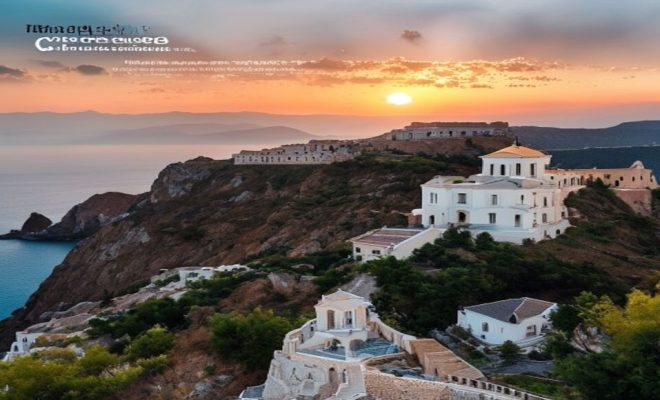
When you think of Greece, images of breathtaking islands, rich history, and delicious cuisine likely come to mind. But did you know that the experience you have in this spectacular country can vary greatly depending on the season? Determining the best time to visit Greece can transform your trip from ordinary to extraordinary. In this guide, we will explore the unique characteristics of each season, important festivals, and practical tips to ensure you have the trip of a lifetime.
1. Spring: Blooming Beauty and Pleasant Weather
Spring, particularly from late March to May, is one of the most beautiful times to visit Greece. During this period, the weather begins to warm up, and the country bursts into bloom. Wildflowers cover the hillsides, and the landscapes are lush and vibrant. This is the time when many travelers appreciate the tranquility of fewer crowds and a more intimate experience with nature.
The temperatures in spring generally range from 15°C (59°F) to 25°C (77°F), making it ideal for outdoor activities like hiking and exploring ancient ruins. Popular destinations such as Athens and Santorini are less crowded compared to the summer months, allowing for a more relaxed atmosphere. Additionally, many local festivals, such as the Easter celebrations in April, provide unique cultural experiences that are not to be missed.
Spring also brings various outdoor activities that families can enjoy together. Many botanical gardens and nature trails are accessible, providing a fun and educational experience for children. The milder weather means that you can comfortably explore outdoor markets and festivals, sampling local foods and handmade crafts. For those interested in photography, spring is a photographer’s paradise, as the blooming flora creates stunning backdrops.
2. Summer: Vibrant Beaches and Bustling Cities
For many, summer is the quintessential time to visit Greece, especially for beach lovers. From June to August, the temperatures soar, often exceeding 30°C (86°F), making it perfect for sunbathing, swimming, and enjoying the azure waters of the Aegean and Ionian Seas. Islands like Mykonos and Crete become hotspots for both tourists and locals, hosting parties, festivals, and vibrant nightlife.
However, it’s important to note that summer also coincides with peak tourist season. Attractions can become crowded, and prices for accommodations often spike. If you plan to visit during these months, booking in advance is crucial. Consider exploring less popular islands, like Naxos or Paros, which can offer a similar vibe without the overwhelming crowds. The summer also hosts various music festivals, including the Athens Epidaurus Festival, which showcases theatrical performances in stunning ancient venues. See also brighten your classroom.
While the beaches are undoubtedly a huge draw, summer is also a great time to partake in water sports such as snorkeling, windsurfing, and sailing. Families can take advantage of organized beach activities that cater to all ages. Furthermore, the extended daylight hours mean you can enjoy long days of exploration, dining, and entertainment under the sun.
3. Autumn: A Culinary Delight and Mild Temperatures
Autumn, particularly September and October, is often regarded as one of the best times to visit Greece. The weather remains warm but is considerably milder than in summer, with temperatures around 20°C (68°F) to 28°C (82°F). This season offers a perfect blend of pleasant weather and fewer tourists, making it ideal for exploring historic sites and enjoying outdoor meals.
Moreover, autumn is harvest season in Greece, meaning you can indulge in fresh local produce, visit vineyards, and participate in wine festivals. For instance, the Wine Festival in Athens celebrates local vintages and showcases the country’s rich winemaking tradition. This is a great time for foodies to visit, as many regions offer culinary tours and classes that highlight traditional Greek cuisine.
In addition to food and wine festivals, autumn sees many cultural events and local fairs. These festivals often include live music, traditional dances, and artisan markets, giving travelers a glimpse into local life. It’s also an excellent season for hiking and exploring Greece’s natural beauty, with trails less crowded and the scenery displaying stunning autumn colors. A visit to the Peloponnese region during this time will reward you with picturesque views and a chance to enjoy the famous olive oil harvest.
4. Winter: A Different Kind of Charm
While winter might not be the first season that comes to mind when thinking about Greece, from December to February, this period brings a unique charm to the country. The cities are adorned with Christmas decorations, and the festive spirit is palpable. While the temperatures can drop to around 5°C (41°F) to 15°C (59°F), particularly in northern Greece, the milder climate in southern regions, like Crete, remains relatively warm. (See: Overview of Greece's geography and culture.)
Visiting during winter allows you to experience both the cultural side of Greece and its natural beauty without the hustle and bustle of tourists. Skiing in the mountainous regions like Macedonia and Epirus is also an option, as Greece has several ski resorts. Additionally, the winter months are characterized by lower accommodation rates, making it an affordable time to explore the country.
During winter, you can also experience traditional Greek feasts during the holiday season. Special dishes are prepared, and each region has its unique holiday customs. The New Year’s celebration includes a cake called Vasilopita, which contains a hidden coin that brings good luck to the person who finds it. This festive atmosphere is enhanced by various local events and fairs that showcase crafts, music, and delicious food. It’s a wonderful time to connect with locals and enjoy traditional Greek hospitality.
5. Key Festivals to Consider
One of the best ways to immerse yourself in Greek culture is by timing your visit with local festivals. Each season showcases diverse celebrations, from religious observances to local fairs. For example, the Carnival (Apokries) held before Lent features parades, parties, and unique traditions, especially in cities like Patras.
Easter is another significant celebration, marked by special services and festive meals. Traditional desserts like tsoureki (sweet bread) and red-dyed eggs are part of the celebration. If you’re visiting in the summer, don’t miss the Athens Epidaurus Festival, which includes performances from ancient Greek plays in stunning outdoor theaters. These festivals not only enrich your experience but also offer insights into the country’s vibrant customs.
Additionally, the International Film Festival in Thessaloniki, held in November, attracts filmmakers and cinephiles from around the world. This event showcases a diverse array of films and offers workshops and discussions that enhance cultural understanding. Attending such festivals allows you to engage with the local arts scene and meet fellow travelers who share your interests.
6. Practical Insights: What to Expect Weather-Wise
Understanding Greece’s climate is crucial for planning your trip effectively. Generally, the country enjoys a Mediterranean climate, characterized by hot, dry summers and mild, wet winters. Coastal areas tend to be warmer, while mountainous regions can be significantly cooler. When planning your visit, be sure to check the regional forecasts as weather can vary considerably from one area to another.
For example, the islands in the Cyclades (like Santorini and Mykonos) experience little rain in summer, whereas northern regions, such as Thessaloniki, may have more variable weather. Packing layers is advisable, especially if you plan to visit during the shoulder seasons of spring and autumn, where temperatures can shift from day to night. For more on this, see outdoor patio ideas.
In addition to packing appropriately for the weather, consider investing in good walking shoes if you plan to explore ancient ruins and cobblestone streets. Many historical sites require a bit of walking, and comfortable footwear will enhance your experience. Also, staying hydrated and protecting yourself from the sun during summer is crucial, as the heat can be intense.
7. How to Avoid Crowds
If avoiding crowds is a priority for you, the shoulder seasons of late April to early June and September to early October are optimal. During these periods, you’ll not only find fewer tourists but also more comfortable weather for sightseeing. Visiting popular sites like the Acropolis in Athens or the Palace of Knossos in Crete in the early morning or late afternoon can also help you sidestep the heaviest foot traffic.
Exploring lesser-known destinations can further enhance your experience. Consider visiting islands like Hydra, which ban cars, offering a peaceful escape from the hustle and bustle. Additionally, smaller towns such as Nafplio or Galaxidi provide a glimpse into authentic Greek life without overwhelming crowds.
Another effective strategy is to prioritize visiting specific attractions on weekdays rather than weekends, as many locals venture out during their days off. This simple adjustment can lead to a more serene experience and give you the opportunity to appreciate the beauty of these historical sites without the typical tourist hustle.
8. Traveling with Children: Family-Friendly Timing
Traveling to Greece with children can be a wonderful experience, but it’s essential to consider the best time to visit Greece with family in mind. The most family-friendly months are late spring and early autumn when temperatures are mild, and the excitement of local festivals can engage children of all ages. Festivals often have activities geared towards families, with food stalls, games, and cultural performances that excite younger visitors. (See: Travel health information for Greece.)
Additionally, visiting during these shoulder seasons means that beaches are less crowded, allowing for a more relaxed family atmosphere. If you’re traveling during peak summer, plan your beach days in the early morning or late afternoon to avoid the heat. Many family-friendly accommodations also offer amenities such as pools, playgrounds, and children’s programs to keep your little ones entertained.
For families interested in educational experiences, consider visiting the various archaeological sites or interactive museums that cater to children. The Acropolis Museum in Athens, for instance, has engaging exhibits designed for younger audiences that make learning about history fun. With so many options, your family can create lasting memories while exploring this beautiful country.
9. Budget Considerations: When to Travel for Best Deals
Budget-conscious travelers will find that timing their visit can lead to significant savings. Traveling during the off-peak season (late fall and winter) typically results in lower airline fares and accommodation prices. Many hotels offer discounts during these months to attract guests, allowing you to enjoy your Greek adventure without breaking the bank.
Furthermore, dining out can be less expensive outside of the summer tourist season, as many local eateries offer reduced prices and special menus. Keep an eye out for lunch specials or local tavernas that provide traditional meals at reasonable rates. With careful planning, you can enjoy all that Greece has to offer while sticking to your budget.
When it comes to transportation, consider using public transit in larger cities like Athens and Thessaloniki. Buses and metro services are generally efficient and affordable, providing a cost-effective way to explore urban attractions. Additionally, many tourist sites offer discounted admission prices during the off-peak months, making it easier to experience everything without overspending.
10. Frequently Asked Questions
What is the best time to visit Greece for beach activities?
The best time for beach activities in Greece is during the summer months, from June to August, when the weather is warmest and the waters are perfect for swimming. However, late spring and early autumn can also be great for enjoying the beach without the intense summer crowds.
Is Greece expensive to visit during peak season?
Yes, Greece can be more expensive to visit during the peak summer season, with higher prices for accommodations and attractions. However, by booking in advance and considering less popular destinations, you can still find good deals even in peak season.
Are there any cultural events to experience in winter?
Absolutely! Winter in Greece is rich in cultural events including Christmas festivities, New Year’s celebrations, and local fairs. The Epiphany celebrations in January and the various wine festivals in the winter months offer unique insights into Greek traditions.
What are the must-see destinations in Greece regardless of the season?
Some must-see destinations include Athens for its historical sites, Santorini for its stunning sunsets, and Crete for its diverse landscapes. Each destination offers unique experiences, so planning to visit a mix of popular and lesser-known locations can enhance your trip.
Can I hike in Greece during the winter months?
Yes, you can hike in many regions of Greece during winter, particularly in southern areas like Crete. However, be cautious of the weather conditions in mountainous regions, which can be colder and have snowfall. Always check local weather forecasts and trail conditions before heading out. (See: Travel tips for visiting Greece in summer.)
11. Special Considerations and Tips
When planning your trip, keep in mind that Greece has a diverse range of climates and terrains, which can impact your travel experience. For instance, if you’re visiting islands and coastal areas, consider the ferry schedules as they can be affected by weather conditions, especially in winter and early spring. Always book ferries ahead of time during peak summer months to secure your preferred travel times. This builds on sports safety for kids.
Additionally, consider the local customs and practices in different regions. Each island or city might have its unique traditions and etiquette. Learning a few Greek phrases can go a long way and shows respect for the culture. Simple greetings or phrases like “Kalimera” (Good morning) and “Efharisto” (Thank you) can enhance your interactions with locals.
Lastly, while it’s tempting to create a packed itinerary to see everything Greece has to offer, don’t forget to allocate some time to simply relax and enjoy the scenery. Greece is about the leisurely pace of life, and taking time to enjoy a sunset by the beach or a quiet meal at a taverna can be some of the most memorable moments of your trip.
12. Comparing Different Regions of Greece
While Greece is renowned for its islands, the mainland offers a plethora of experiences too. The Peloponnese, with its rich history and stunning landscapes, is a fantastic choice for those interested in ancient ruins and natural beauty. Regions like Mani and Arcadia provide opportunities for hiking and exploring charming villages.
On the other hand, the Cyclades are famous for their picturesque white-washed buildings and vibrant nightlife. Islands like Mykonos focus on luxury and parties, while Santorini attracts those seeking romance and stunning sunsets. In contrast, islands like Naxos and Milos offer a more laid-back vibe, with beautiful beaches and local cuisine.
For a completely different experience, the northern regions such as Macedonia and Thrace showcase lush green mountains and lakes, with opportunities for winter sports in the colder months. Each area has its own flavor, so determining your interests can guide you to the best time to visit Greece based on your desired experiences.
In summary, Greece is a year-round destination, each season offering its unique charm and experiences. Whether you’re drawn by the vibrant summer beaches, the cultural richness of autumn festivals, the tranquility of spring, or the cozy winter celebrations, understanding the best time to visit Greece can significantly enhance your travel experience. No matter when you choose to go, Greece will surely capture your heart with its stunning landscapes, warm hospitality, and rich history.
Trending Now
Frequently Asked Questions
What is the best time to visit Greece?
The best time to visit Greece is during the spring (late March to May) when the weather is pleasant, wildflowers bloom, and crowds are fewer. This season offers a unique opportunity to enjoy outdoor activities and cultural festivals, making it ideal for a more intimate experience.
What are the advantages of visiting Greece in spring?
Visiting Greece in spring provides mild temperatures ranging from 15°C to 25°C, fewer tourists, and vibrant landscapes. It’s an excellent time for outdoor activities, exploring ancient ruins, and experiencing local festivals, particularly Easter celebrations that highlight Greek culture.
Is summer a good time to visit Greece?
Summer is a popular time to visit Greece, especially for beach enthusiasts. From June to August, temperatures rise, making it perfect for enjoying the stunning beaches and vibrant nightlife. However, expect larger crowds and higher prices during this peak tourist season.
What is the weather like in Greece during spring?
In spring, Greece experiences mild and comfortable weather, with temperatures ranging from 15°C (59°F) to 25°C (77°F). This pleasant climate is ideal for outdoor activities such as hiking, exploring historical sites, and enjoying local festivals amidst blooming nature.
What cultural experiences can I find in Greece during spring?
Spring in Greece offers rich cultural experiences, particularly during Easter celebrations. Travelers can participate in local festivities, enjoy traditional foods, and witness unique customs that provide insight into Greek heritage, all while experiencing the beauty of the blooming landscape.
What did we miss? Let us know in the comments and join the conversation.