Top 10 Saucepans: Boil Water, Steam Rice & Make Sauce
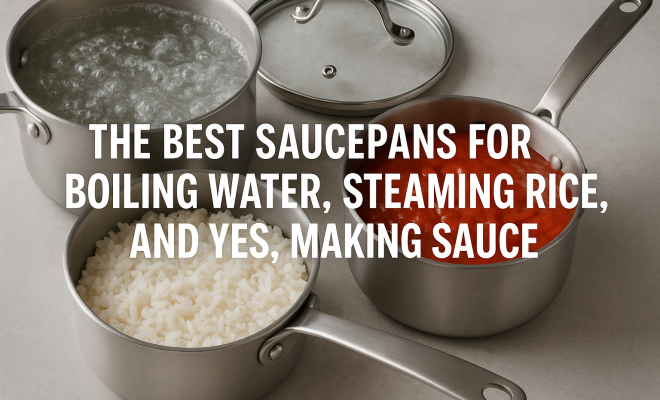
“`html
When it comes to cooking, having the right tools can make all the difference. Among these tools, a good saucepan is essential for a variety of tasks, from boiling water to steaming rice and making sauces that impress. But with so many options on the market, how do you choose the best saucepan for boiling water and other culinary tasks? In this article, we’ll explore the top ten saucepans, highlighting their features, benefits, and what makes them stand out in the kitchen.
1. All-Clad Stainless Steel Saucepan
The All-Clad Stainless Steel Saucepan is often hailed as one of the best saucepans for boiling water. Known for its quality craftsmanship, this saucepan offers an aluminum core sandwiched between layers of stainless steel. This construction ensures even heat distribution, which is crucial for boiling water or making sauces.
With a capacity of 2 quarts, it’s the perfect size for everyday tasks. The stainless-steel handle is ergonomic and stays cool to the touch, making it easy to maneuver while cooking. Plus, it’s dishwasher safe, making cleanup a breeze. If you’re serious about cooking, investing in All-Clad is a decision you won’t regret.
2. Cuisinart MultiClad Pro Stainless Steel Saucepan
Cuisinart has long been a trusted name in kitchen cookware, and the MultiClad Pro Stainless Steel Saucepan is no exception. This 3-quart saucepan features a triple-ply construction, providing excellent heat conductivity. The brushed stainless steel exterior is both durable and attractive.
What sets this saucepan apart is its tight-fitting lid, which helps to retain moisture and flavors when cooking. It’s ideal for boiling water, steaming rice, and even slow-cooking sauces. The cool grip handles provide comfort and control, making it a favorite among home chefs.
3. Calphalon Classic Nonstick Saucepan
If you’re looking for a nonstick option, the Calphalon Classic Nonstick Saucepan is a fantastic choice. Its durable nonstick surface allows for easy food release, making it great for cooking delicate items like sauces and steamed vegetables. It features a hard-anodized aluminum construction that heats evenly.
This saucepan comes with a tempered glass lid that enables you to monitor your food without lifting the cover. It’s also oven-safe up to 450°F, adding versatility to your cooking options. For those who prioritize easy cleanup, this is one of the best saucepans for boiling water and more.
4. Le Creuset Signature Enamel Cast Iron Saucepan
The Le Creuset Signature Enamel Cast Iron Saucepan is a beautiful and functional piece of cookware. With its vibrant colors and iconic design, it’s as much a kitchen statement as it is a cooking tool. The cast iron material retains heat exceptionally well, making it great for simmering sauces.
While it may take a little longer to heat up, once it’s hot, it will maintain that temperature steadily. This 1.75-quart saucepan is perfect for boiling small amounts of water or steaming rice. The enamel coating makes it easy to clean and prevents rust. Plus, it’s compatible with all stovetops, including induction.
5. Scanpan Classic Saucepan
Scanpan’s Classic Saucepan is another excellent option for those seeking quality cookware. Made from pressure-cast aluminum, this saucepan heats quickly and evenly. Its nonstick surface is free from PFOA and PFOS, ensuring a safe cooking experience.
With a 2-quart capacity, it’s versatile enough for boiling water or making sauces. The ergonomic handle stays cool during cooking, and the saucepan is oven safe up to 500°F. If you’re environmentally conscious and want a nonstick option that performs well, Scanpan is a great contender.
6. T-fal Professional Nonstick Saucepan
The T-fal Professional Nonstick Saucepan is a budget-friendly option that doesn’t skimp on quality. Featuring a durable nonstick coating, it ensures easy food release and cleanup. The hard-anodized aluminum construction allows for rapid heating, making it efficient for boiling water. (See: Cooking utensils overview.)
This 3-quart saucepan is equipped with a silicone handle that provides a comfortable grip. It also has a tempered glass lid that lets you monitor your cooking progress. If you’re looking for an affordable yet reliable saucepan, T-fal is a brand worth considering.
7. GreenPan Ceramic Nonstick Saucepan
For those who prefer an eco-friendly alternative, the GreenPan Ceramic Nonstick Saucepan is a standout choice. Its ceramic coating is free from harmful chemicals and offers excellent nonstick properties. This saucepan heats evenly, making it perfect for boiling water or steaming rice.
This 2.5-quart capacity pan is ideal for smaller meals and features a stainless steel handle that stays cool during cooking. The ceramic surface allows for easy cleanup and is dishwasher safe. If sustainability is a priority for you, GreenPan is a great addition to your kitchen.
8. Farberware Classic Stainless Steel Saucepan
The Farberware Classic Stainless Steel Saucepan is a timeless choice that blends style with functionality. Made from polished stainless steel, this saucepan heats quickly and evenly. It comes with a comfortable handle that is riveted for added stability and safety.
Available in 2-quart and larger sizes, it’s perfect for boiling water or preparing sauces. The lid is designed to fit tightly, helping to retain heat and moisture. Its dishwasher-safe feature makes cleanup convenient, ensuring that it remains a staple in your kitchen for years.
9. OXO Good Grips Nonstick Saucepan
The OXO Good Grips Nonstick Saucepan is designed for comfort and usability. Its durable nonstick coating allows for easy food release, while the hard-anodized construction ensures even heating. This 2-quart saucepan comes with a glass lid that lets you check on your food without losing any heat.
One of its standout features is the soft-grip handle that remains cool during cooking, providing an easy grip. This saucepan is dishwasher safe, making cleanup easy. If you’re looking for a reliable nonstick option that puts comfort first, OXO is a brand that delivers.
10. Viking Professional Stainless Steel Saucepan
The Viking Professional Stainless Steel Saucepan is for those who appreciate high-end cookware. This 3-quart saucepan is made from premium materials and features a tri-ply construction for superior heat conductivity. The polished stainless steel exterior is not only stunning but also resistant to staining.
It includes ergonomic handles that stay cool and a lid that fits tightly to retain heat. This saucepan is oven safe up to 600°F, making it versatile for various cooking methods. If you’re serious about cooking and want to invest in top-tier cookware, Viking is a name to trust.
Choosing the Right Size for Your Needs
When it comes to cookware, size matters. Selecting the right size saucepan can significantly affect your cooking efficiency. Here’s a quick guide on how to choose the best size saucepan for boiling water and other tasks:
- 1-2 Quarts: Ideal for boiling small amounts, such as pasta for one or two servings, or for reheating sauces.
- 3-4 Quarts: A versatile size, perfect for boiling larger quantities of water, making sauces, or cooking grains like rice and quinoa.
- 5 Quarts and Up: Best for larger batches, such as soups, stews, or when cooking for a family gathering.
Keep in mind the number of people you typically cook for and the types of dishes you frequently prepare. Investing in a few different sizes can give you the flexibility needed for various culinary tasks.
Material Matters: Understanding Cookware Materials
Choosing a saucepan also involves understanding the materials used in cookware. Each type offers different benefits that can affect cooking performance:
- Stainless Steel: Non-reactive, durable, and resistant to rust. It’s excellent for boiling water and can handle acidic ingredients without affecting flavor.
- Nonstick: Great for low-fat cooking and easy food release, but be mindful of high heat, which can damage the coating.
- Cast Iron: Excellent heat retention and even heating, ideal for simmering. Enamel-coated options are easier to clean and don’t react with foods.
- Aluminum: Lightweight and heats quickly, but look for anodized options to improve durability and prevent reactions with acidic foods.
Understanding these materials will help you choose the best saucepan for boiling water and other cooking tasks, aligning with your specific preferences and cooking styles. (See: Healthy cooking practices.)
Tips for Maintaining Your Saucepan
To get the most out of your saucepan, proper maintenance is key. Here are some tips to ensure longevity and performance:
- Cleaning: Always follow manufacturer instructions for cleaning. Most stainless steel and aluminum pans can go in the dishwasher, but hand washing is often recommended for nonstick and cast iron.
- Avoid High Heat: For nonstick and some stainless steel pans, avoid using high heat, which can warp the material and damage nonstick coatings.
- Use Appropriate Utensils: Use silicone, wood, or plastic utensils to avoid scratching nonstick surfaces or damaging the finish on stainless steel.
- Seasoning Cast Iron: If using cast iron, make sure to regularly season your pans to maintain the nonstick surface and prevent rust.
With the right care, your saucepan can remain a reliable kitchen companion for years to come.
Expert Perspectives: What Chefs Say About Saucepan Selection
To gain insight into the world of cookware, we reached out to professional chefs for their recommendations and tips on selecting the best saucepan for boiling water:
Chef Maria Gonzalez: “A great saucepan should be versatile—able to handle everything from boiling water to making sauces. I always recommend stainless steel for its durability and heat retention.”
Chef John Smith: “Nonstick is great for easy cleanup, but don’t underestimate the value of a good cast iron saucepan. They last a lifetime when properly cared for.”
These perspectives highlight the significance of selecting a saucepan that matches your cooking style and preferences, reinforcing the idea that the right tools can enhance your culinary creations.
Frequently Asked Questions (FAQ)
What is the best material for a saucepan?
The best material depends on your cooking needs. Stainless steel is great for boiling water and making sauces, while nonstick is ideal for delicate tasks like frying eggs or pancakes. Cast iron offers excellent heat retention but requires more maintenance.
How do I know what size saucepan to buy?
Consider how many people you typically cook for and what types of meals you prepare. A 2-3 quart saucepan is usually good for everyday tasks, while larger sizes are better for families or batch cooking.
Can I use metal utensils with my nonstick saucepan?
It’s best to avoid metal utensils with nonstick cookware to prevent scratches. Instead, opt for wood, silicone, or plastic utensils to protect the coating and extend the lifespan of your pan.
How do I clean and maintain my saucepan?
Always check the manufacturer’s instructions for cleaning recommendations. Avoid using abrasive cleaners or scrubbing pads on nonstick surfaces. Regularly seasoning cast iron pans and hand-washing other materials can help maintain their quality.
Is it safe to use nonstick pans at high temperatures?
Most nonstick pans should not be used at high temperatures, as this can damage the coating and potentially release harmful compounds. Stick to low to medium heat for the best results.
What’s the difference between a saucepan and a pot?
A saucepan is typically smaller with a long handle and a lid, designed for tasks like boiling and simmering. A pot, on the other hand, is usually larger and may have two handles, making it suitable for cooking larger quantities of food, such as soups or stews. (See: Cooking basics guide.)
Choosing the Best Saucepan for Boiling Water
When searching for the best saucepan for boiling water, there are a few factors to consider beyond just material and size. Look for features that enhance the boiling process, such as wide openings for steam release and lids that fit snugly to retain heat. A good saucepan should also be resilient enough to handle high heat without warping or damaging the structure.
Additionally, consider the weight of the saucepan. Heavier pans often distribute heat more evenly, making them ideal for boiling tasks. A lighter saucepan might heat up quicker, but you may need to monitor it more closely to avoid scorching.
Finally, consider whether the saucepan is suitable for your stove type. While most saucepans can be used on gas and electric stoves, some may not work on induction cooktops unless specifically designed to do so. Look for a magnetic base if you have an induction stove to ensure compatibility.
Common Mistakes When Choosing a Saucepan
People often make a few common mistakes when selecting a saucepan that can hinder their cooking experience:
- Overlooking Heat Retention: Some may prioritize nonstick surfaces without considering how well a pan holds heat. A saucepan that cools quickly after heating can make it difficult to maintain boiling temperatures.
- Size Misjudgment: Purchasing a saucepan that’s too small for your needs can lead to overflow when boiling water or cooking larger meals. Assess your typical cooking volume carefully.
- Ignoring the Handle: Comfort and safety are crucial. It’s easy to overlook the importance of a good handle, which should be ergonomic and heat-resistant to avoid burns.
- Choosing Non-Compatible Materials: Ensure the saucepan matches your cooking style. If you frequently cook acidic foods, avoid reactive metals like aluminum that can alter flavors.
Trends in Saucepan Technology
The world of cookware is constantly evolving, and saucepans are no exception. Here are some exciting trends to watch out for:
- Eco-Friendly Materials: More brands are moving towards sustainable materials, such as recycled aluminum and non-toxic coatings. This is great news for environmentally conscious consumers.
- Smart Cookware: With the rise of smart kitchens, some saucepans now come with integrated temperature sensors that can sync with your smartphone, ensuring perfect cooking every time.
- Multi-Functional Designs: Many new saucepans come with interchangeable lids or stackable designs, saving space in your kitchen and enhancing functionality.
Staying informed about these trends can help you make more informed decisions when upgrading your cookware collection.
Conclusion: Choosing the Best Saucepan for Your Needs
When deciding on the best saucepan for boiling water, steaming rice, or creating delicious sauces, consider factors like size, material, and ease of use. Each of the saucepans discussed here has its own unique benefits, catering to different cooking styles and preferences. Whether you’re a novice cook or a seasoned chef, investing in a quality saucepan can enhance your cooking experience and produce better results.
By carefully evaluating your needs and understanding the features of each saucepan, you can find the one that fits seamlessly into your kitchen. So, equip yourself with the best saucepan for boiling water, and watch your culinary creations flourish!
“`
Trending Now
Frequently Asked Questions
What is the best saucepan for boiling water?
The All-Clad Stainless Steel Saucepan is often considered the best for boiling water due to its quality craftsmanship and aluminum core that ensures even heat distribution.
Can I use a saucepan for steaming rice?
Yes, many saucepans, like the Cuisinart MultiClad Pro, are great for steaming rice thanks to their tight-fitting lids that help retain moisture and flavors during cooking.
What features should I look for in a saucepan?
Look for features like even heat distribution, a comfortable handle, a durable construction, and a tight-fitting lid for moisture retention when choosing a saucepan.
Are nonstick saucepans good for making sauces?
Yes, nonstick saucepans, such as the Calphalon Classic, are suitable for making sauces as they prevent sticking and make cleanup easier, although they may not provide the same browning as stainless steel.
How do I clean a stainless steel saucepan?
Most stainless steel saucepans, including those from All-Clad and Cuisinart, are dishwasher safe. For hand washing, use warm, soapy water and a non-abrasive sponge to maintain their shine.
Have you experienced this yourself? We'd love to hear your story in the comments.