The Best Rainforest Books for Kids, As Chosen by Educators
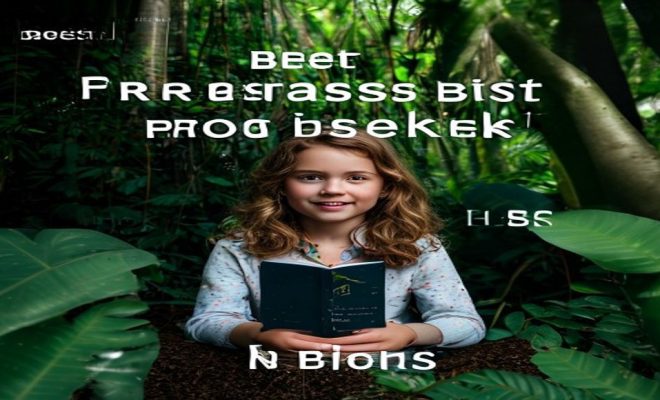
When it comes to instilling a love for nature in children, few topics are as captivating as the rainforest. The vibrant ecosystems, diverse wildlife, and complex interdependencies make rainforests a treasure trove of educational opportunities. Educators recognize this potential and often recommend an array of engaging literature that brings the wonders of the rainforest to life for young readers. In this article, we’ll explore the top eight rainforest books for kids as selected by educators, delving into their unique contributions and why they should be on every child’s bookshelf.
1. The Great Kapok Tree: A Journey into the Heart of the Amazon
Written by Lynne Cherry, The Great Kapok Tree is a beautifully illustrated story that transports children to the depths of the Amazon rainforest. The narrative follows a man who, after falling asleep beneath a kapok tree, is visited by various animals that depend on the tree for their survival. Each animal explains the significance of the tree, emphasizing the interconnectedness of the rainforest ecosystem.
This book serves as a gentle introduction to environmental themes for young readers. Cherry’s vivid illustrations complement the text, allowing children to visualize the rich biodiversity of the rainforest. Educators appreciate this book not only for its storytelling but also for its potential to spark discussions about conservation and the importance of protecting our natural resources.
2. Rainforest Animals: An Illustrated Guide to Biodiversity
Rainforest Animals, authored by Patricia Lauber, offers a detailed look at the incredible variety of wildlife that inhabits rainforests. This informative book is perfect for children who are curious about animals, as it provides facts and colorful photographs that bring each species to life. Lauber presents information about the habits, habitats, and unique features of rainforest animals in an engaging manner.
What sets this book apart is its educational approach. It incorporates scientific facts without overwhelming young readers. Teachers often use this resource to facilitate lessons on animal classification, habitat preservation, and the role of each species within the ecosystem. It’s a fantastic way to inspire a sense of wonder and responsibility toward wildlife and their environments. top kids' rainforest books offers useful background here.
3. My Rainforest Adventure: An Interactive Exploration
For those looking for a more interactive experience, My Rainforest Adventure by Susan Canizares is a perfect choice. This book invites children to explore the rainforest through a fun, hands-on approach that includes flaps to lift and textures to feel. The engaging format captures the attention of young readers, making learning about the rainforest an exciting adventure.
Educators love this book for its ability to engage even the most reluctant readers. By providing a tactile experience alongside compelling visuals, it encourages children to connect with the content in a meaningful way. Additionally, it serves as a springboard for discussions about the importance of rainforests and their preservation.
4. The Umbrella: A Story of Friendship and Adventure
The Umbrella by Jan Brett combines a whimsical narrative with stunning illustrations to tell the story of a boy who finds an umbrella in the rainforest. What unfolds is a delightful tale of friendship as the umbrella becomes a home for various rainforest animals. The book excels in highlighting the theme of cooperation among species, a crucial aspect of rainforest ecosystems.
Jan Brett’s detailed artwork captivates readers and provides an opportunity to discuss the different animals that inhabit the rainforest, their characteristics, and their interactions. This book not only entertains but also educates, making it a favorite among educators who value literature that enriches a child’s understanding of biodiversity. (See: CDC on environmental health.)
5. Oh, the Places You’ll Go!: A Rainforest Adventure
Dr. Seuss’s Oh, the Places You’ll Go! may not focus exclusively on the rainforest, but it serves as a powerful metaphor for life’s adventures, including the journey into nature. Educators often include this classic in lessons about exploration and discovery, pairing it with discussions on the wonder and importance of diverse ecosystems like the rainforest.
This book encourages children to dream big and explore the world around them, suggesting that adventure awaits in every corner of nature, including rainforests. Its playful language and imaginative illustrations resonate with readers of all ages, making it an essential addition to any child’s library.
6. Cloud Forest: Exploring the Vertical World of the Rainforest
Cloud Forest by David Suzuki takes readers on a journey through one of the lesser-known layers of the rainforest. This book dives into the unique ecosystem of the cloud forest, emphasizing its beauty and the importance of its conservation. Suzuki’s narrative is accompanied by breathtaking photographs that highlight the stunning diversity found in these ecosystems.
Educators appreciate this book for its ability to introduce students to a different perspective on rainforest habitats. By focusing on the cloud forest, Suzuki encourages discussions about habitat diversity and the ecological significance of various rainforest layers. It’s an excellent resource for promoting environmental awareness and responsibility among young readers.
7. Bats: A Rainforest Adventure: Discovering the Nightlife
Bats: A Rainforest Adventure by Patricia H. Smith offers a fascinating look at one of the rainforest’s most misunderstood creatures. The book follows a bat through the nighttime rainforest, showcasing its unique adaptations and the role it plays in the ecosystem. Smith presents facts about bats in an accessible and engaging manner, making it easy for young readers to absorb.
Educators often integrate this book into lessons about nocturnal animals and their significance in rainforest ecosystems. It also challenges common misconceptions about bats, promoting a healthy respect for all creatures. Smith’s storytelling effectively highlights the intricate relationships within the rainforest, fostering a deeper understanding of ecological interdependence.
8. Rainforest Rumble: A Rhythmic Journey Through Sound
Finally, Rainforest Rumble by Susan L. Roth is a vibrant exploration of the sounds of the rainforest. This book captures the auditory experience of the rainforest through rhythmic poetry and dynamic illustrations. Roth’s work is not just visually engaging but also encourages children to think about the varied sounds of nature and how they contribute to the richness of the rainforest environment.
Educators find this book particularly useful in integrating arts into science education. It allows for creative expression while teaching students about ecosystems. With its focus on sound, Rainforest Rumble opens discussions on the importance of sound in nature, including how it relates to communication among animals and the impact of human noise pollution on these environments.
Bringing Rainforest Awareness to Kids
These books serve as powerful tools for educators looking to introduce young learners to the wonders of the rainforest. They not only provide factual information but also foster a sense of empathy and connection to nature. Each selection listed here emphasizes critical themes such as biodiversity, conservation, and the importance of understanding our planet’s ecosystems.
By integrating rainforest books for kids into educational curricula, teachers can inspire future generations to appreciate and protect these vital environments. The allure of the rainforest is undeniable, and through literature, children can develop a lasting fascination that motivates them to become stewards of the earth.
The Role of Storytelling in Environmental Education
Storytelling is a powerful educational tool that transcends traditional learning methods. When children encounter stories about rainforests, they don’t just absorb facts—they immerse themselves in experiences. This emotional connection can ignite a passion for nature conservation that textbooks alone may not achieve. Stories can evoke empathy, making young readers care about the fate of the characters and, by extension, the real-life challenges faced by rainforest ecosystems.
Research suggests that children who engage with stories about nature are more likely to express concern about environmental issues. A study from the University of Exeter found that reading about nature can lead to increased concern for the environment and a desire to take action. Books about rainforests specifically can teach kids about the challenges these areas face, such as deforestation and climate change, while also offering solutions and ways to make a difference.
Fun Facts About Rainforests for Kids
In addition to delving into the books themselves, it’s helpful to equip children with interesting facts about rainforests. This not only enhances their reading experience but also encourages a well-rounded understanding of the subject. Here are some fun facts to share:
- Rainforests cover about 6% of the Earth’s surface but are home to more than half of the world’s plant and animal species.
- The Amazon Rainforest alone produces 20% of the world’s oxygen.
- Many of the medicines we use today have ingredients derived from rainforest plants.
- Some rainforest trees can grow over 200 feet tall!
- Rainforests are divided into layers, including the forest floor, understory, canopy, and emergent layer, each supporting different types of wildlife.
Statistics Highlighting Rainforest Importance
To truly grasp the critical role rainforests play in our global ecosystem, consider these statistics:
- Approximately 137 plant, animal, and insect species are lost every day due to rainforest deforestation.
- It’s estimated that rainforests are home to over 50 million species of insects, plants, and animals.
- A single rainforest tree can absorb up to 48 pounds of carbon dioxide per year.
- The destruction of rainforests contributes to about 15% of global greenhouse gas emissions.
- Every minute, an area of rainforest the size of 20 football fields is lost.
Understanding these statistics can help children see the real-world implications of rainforest preservation and the urgency of conservation efforts.
Teaching Strategies for Rainforest Literature
Incorporating rainforest books into the classroom can be enhanced by various teaching strategies. Here are some ideas for educators:
- Interactive Read-Alouds: Use books that encourage participation, such as Rainforest Rumble, to involve students in reading. Ask them to mimic animal sounds or act out parts of the story.
- Creative Projects: After reading a book, have kids create their own rainforest animal or plant using craft supplies. They can present their creations to the class, sharing facts about their chosen species.
- Nature Walks: If feasible, take students on a nature walk where they can look for similarities between their local environment and rainforest ecosystems, discussing biodiversity in their area.
- Book Clubs: Form small groups where students can read and discuss different rainforest books, allowing them to explore multiple perspectives and themes in rainforest literature.
Frequently Asked Questions about Rainforest Books for Kids
Why are rainforest books important for children?
Rainforest books are crucial for children as they educate them about biodiversity, ecological interdependence, and the importance of conservation. They help cultivate empathy and stimulate curiosity about the natural world.
What age group are rainforest books suitable for?
There’s a wide range of rainforest books suitable for various age groups. Picture books like The Great Kapok Tree are great for toddlers, while older children can enjoy more detailed works like Cloud Forest or Rainforest Animals.
How can parents encourage reading about rainforests at home?
Parents can encourage reading by creating a mini-library of rainforest books, regularly visiting local libraries to explore new titles, and engaging children in discussions about what they read to reinforce learning and curiosity.
Are there activity kits or educational resources related to rainforest literature?
Yes, many publishers and educational organizations offer activity kits and resources that complement rainforest literature, including worksheets, interactive games, and hands-on science projects related to rainforest ecosystems.
Can reading about rainforests inspire children to take action?
Absolutely! Engaging stories can motivate children to care about environmental issues, leading them to participate in conservation efforts, community clean-ups, or school projects focused on ecological awareness.
The Importance of Diverse Perspectives in Rainforest Literature
In addition to the environmental themes, exploring rainforest literature can expose children to diverse cultures and perspectives. Many rainforest stories are rooted in indigenous traditions and beliefs, showcasing the unique relationship these communities have with the land and its resources. By understanding these perspectives, children learn the importance of cultural respect and the need for sustainable living practices.
For instance, books that feature indigenous characters or narrators can provide insight into traditional ecological knowledge, imparting lessons on respect for nature and sustainable practices passed down through generations. This cultural awareness can deepen children’s understanding of the rainforest and its significance beyond just its flora and fauna.
Engaging Activities for Kids Inspired by Rainforest Books
Once children have read their chosen rainforest books, it can be beneficial to engage them in activities that reinforce what they’ve learned. Here are some fun activities educators and parents can do with kids:
- Rainforest Dioramas: Kids can create their own rainforest scenes using shoeboxes, craft supplies, and natural materials. This hands-on project allows them to represent different layers of the rainforest and includes various plants and animals.
- Story-Based Art: After reading a story like The Umbrella, encourage children to draw or paint scenes that capture the book’s essence. They can depict the characters and the rainforest elements present in the story.
- Animal Research Projects: Assign kids an animal from the rainforest to research. They can create posters or presentations to share interesting facts about their chosen creature with the class, enhancing public speaking and research skills.
- Rainforest Role Play: Organize a role-play activity where children can act out their favorite rainforest stories. This can help them better understand the characters’ perspectives and develop a deeper connection to the narratives.
Conclusion: The Importance of Rainforest Literature in Early Education
Incorporating rainforest literature into early education is essential for cultivating environmental awareness among the youngest generations. The eight books highlighted in this article are not just engaging stories; they are gateways to understanding complex ecological concepts. As children immerse themselves in these narratives, they learn about the delicate balance of nature, the relationships between species, and the importance of conservation efforts.
With the continued threats to rainforest habitats worldwide, it becomes imperative to arm children with knowledge and compassion. Literature has the power to shape perspectives, and by selecting the right rainforest books for kids, educators can inspire a new generation committed to protecting our planet. The power of storytelling combined with education can indeed change the course of our environmental future.
Trending Now
- this guide on best table of contents template examples for microsoft word
- Best Websites to Buy Cheap Steam…
- our breakdown of best electric lawnmower deals: save on ryobi, sun joe, makita, greenworks and more
- this guide on the 10 best math tutors near me (for all ages & levels)
Frequently Asked Questions
What are some recommended rainforest books for kids?
Some highly recommended rainforest books for kids include 'The Great Kapok Tree' by Lynne Cherry, which highlights the interconnectedness of the rainforest ecosystem, and 'Rainforest Animals' by Patricia Lauber, which provides an illustrated guide to the diverse wildlife found in rainforests.
Why are rainforest books important for children?
Rainforest books are important for children as they cultivate a love for nature, educate about biodiversity, and promote environmental awareness. These stories and illustrations engage young readers, helping them understand the significance of rainforests and the need for conservation. We covered engaging rainforest activities in more detail.
Who chooses the best rainforest books for kids?
Educators often choose the best rainforest books for kids based on their ability to deliver educational content in an engaging and accessible way. Their selections typically focus on themes of biodiversity, conservation, and the beauty of rainforest ecosystems.
What themes are explored in rainforest literature for children?
Rainforest literature for children explores themes such as biodiversity, environmental conservation, and the interdependence of species within ecosystems. These themes help children understand the importance of preserving natural habitats and the role they play in the environment.
How can rainforest books help children understand ecology?
Rainforest books help children understand ecology by illustrating the relationships between different species and their environments. Through engaging narratives and vivid illustrations, these books teach kids about the complexities of ecosystems and the importance of protecting our natural world.
Agree or disagree? Drop a comment and tell us what you think.