Top 10 Best Face Masks for Kids: Comfort & Protection
“`html
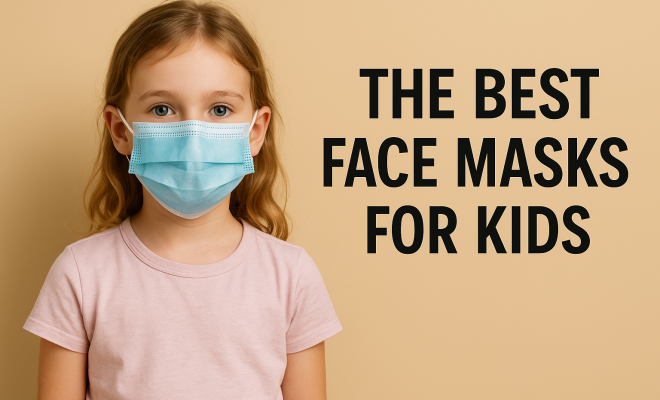
In today’s world, where health and safety are more critical than ever, finding the best face masks for kids has become a priority for many parents. With varying needs — whether it’s for school, outdoor play, or family gatherings — selecting the right masks can be confusing. This article dives deep into the top 10 best face masks for kids, focusing on their features, fit, comfort, and protective qualities.
1. Reusable Cloth Masks
Reusable cloth masks have made a significant impact since their introduction. They come in various colors, patterns, and sizes, making them appealing to children. Many brands prioritize comfort, ensuring that the fabric is soft against the skin, which is essential for kids who may be sensitive to rough materials. Look for masks that come with adjustable ear loops or ties, allowing a customizable fit.
A crucial factor is the layering of fabric. Masks with multiple layers can offer better filtration. For instance, masks made with a combination of cotton and a polyester blend tend to provide comfort without sacrificing protection. Parents should ensure these masks are machine washable for convenience.
Additionally, many cloth masks now come with fun designs, from popular cartoon characters to vibrant colors, which can make them more appealing to kids. Some brands even offer customizable options where children can add their own designs or choose from a selection that reflects their personality. This personalization can help foster a sense of ownership and responsibility over their mask-wearing habits.
2. Disposable Face Masks
Disposable face masks are a practical option for kids, especially for those who often forget to bring their masks back home from school or activities. Made primarily from non-woven fabric, these masks are designed to block droplets and are generally more breathable than cloth masks. Many brands manufacture fun, kid-friendly designs that make wearing a mask less of a chore.
While they are not as environmentally friendly as reusable options, disposable masks come with the convenience of being single-use, reducing the need for washing. It’s essential to note that kids should wear them correctly — covering both the nose and mouth — to maximize effectiveness. Frequent replacements, ideally every four hours or when soiled, ensure they remain effective.
It’s worth mentioning that some disposable masks now feature extra protective layers or added technologies, like antimicrobial coatings, which can enhance their effectiveness. Parents might want to look for these features as they can offer an added peace of mind, especially in crowded settings like schools and public transport.
3. Face Masks with Filters
Face masks with built-in filter pockets offer an added layer of protection. These masks allow parents to insert filters that can enhance the mask’s effectiveness against airborne particles. Many come with adjustable features and comfortable ear straps, making them suitable for all-day wear.
Popular filter materials include activated carbon, which can help filter out harmful particles. It’s crucial to choose masks that use materials tested for effectiveness. Additionally, parents should ensure that filters are changed regularly based on usage to maintain mask efficiency.
Some brands offer filters that are designed for longer use, allowing for extended wear without compromising safety. This can be particularly helpful for children who may wear their masks for extended periods, such as during school hours. Always review the manufacturer’s guidelines for filter usage to ensure optimal protection.
4. Kids’ Surgical Masks
Kid-sized surgical masks are designed to meet medical standards and provide adequate protection against droplets. These masks are typically lightweight and have a three-layer design to enhance filtration. They are a great option for children who may struggle with cloth masks, as they are easy to put on and take off.
Many surgical masks for kids come in colorful designs or themed prints that appeal to children, making them more likely to wear them. Moreover, they are generally disposed of after a single use, preventing the hassle of washing and maintaining cloth masks. Just like disposable masks, proper disposal and frequent changes are vital for maximizing their protective capabilities. (See: CDC guidelines on face masks.)
Additionally, surgical masks are often designed to be fluid-resistant, providing extra protection in environments where exposure to moisture may occur. This feature can be particularly important in areas like schools or during outdoor play when kids might be sweating or playing in wet conditions.
5. Fun Printed Masks
Many brands now cater to children’s preferences by offering face masks in fun prints and colors. Whether your child loves superheroes, animals, or cartoons, there’s likely a mask that reflects their personality. These masks can help ease the anxiety and reluctance some kids may feel about wearing them.
Fun printed masks can also encourage kids to wear their masks without prompting. However, parents should ensure these masks are still made from breathable materials and fitted properly for comfort, especially for long periods of wear.
Some companies even collaborate with popular children’s characters or franchises, making these masks collectible items. This strategy can be a great way to motivate kids to wear their masks and see them as a fun accessory rather than a chore.
6. Adjustable Masks
Adjustable masks are incredibly beneficial for growing children. They tend to have ear straps that can be modified for a better fit, ensuring that the mask stays in place during play or movement. This adjustability not only enhances comfort but also ensures that the mask covers the nose and mouth effectively.
Some adjustable masks even offer a nose bridge feature, which helps prevent gaps that could allow respiratory droplets to escape or enter. For parents, investing in adjustable masks can be a more economical solution since they can last longer and adapt to a child’s growing face.
Furthermore, adjustable masks can often accommodate different head sizes, making them suitable for a wider age range. This versatility is particularly useful for families with multiple children, ensuring that all kids can have a proper fit without needing to purchase separate masks for each one.
7. Mask with Nose Wires
Some of the best face masks for kids come with a built-in nose wire, which allows for a snugger fit. This feature helps create a seal around the nose, preventing moisture from escaping and minimizing fogging for those who wear glasses. It also ensures that the mask remains in place, reducing the need for constant readjustments.
Nose wires can be especially useful for children with special needs or those who might find traditional masks uncomfortable. As you evaluate options, check that the nose wire is soft and flexible, allowing it to mold to the child’s face without causing discomfort.
Additionally, some manufacturers offer masks with adjustable nose bridges, giving parents the ability to customize the fit even further. This feature can be particularly beneficial for children who may have difficulty keeping their masks in place during active play.
8. Eco-Friendly Masks
In an era where environmental consciousness is vital, eco-friendly face masks made from organic materials are gaining popularity. These masks are often made from sustainable fabrics such as organic cotton or bamboo, which are less harmful to the environment and often hypoallergenic.
Using eco-friendly masks can teach children about sustainability and the importance of taking care of the planet. Furthermore, many eco-friendly brands also prioritize durability, meaning that these masks can withstand multiple washes without losing their shape or effectiveness.
Some eco-friendly masks even feature biodegradable packaging, further reducing their environmental impact. This aspect can resonate with environmentally conscious families who want to instill values of sustainability in their children from a young age. (See: WHO advice on mask usage.)
9. Sports Masks
For active kids, particularly those involved in sports, sports masks are designed to provide comfort and breathability during physical activities. These masks are often made from moisture-wicking fabrics that help keep kids cool and dry as they run and play. Some masks even include mesh panels for added ventilation.
When choosing sports masks, ensure they have secure straps or ear loops to prevent slipping during activities. Additionally, they should be lightweight, so they don’t impede performance. Finding a mask that fits well can help children stay safe while enjoying their favorite sports.
It’s also a good idea to check if the sports masks comply with any specific regulations set by sports organizations, especially if your child is participating in competitive sports. This compliance can help ensure that the mask meets safety standards while still allowing for peak performance.
10. Where to Buy the Best Face Masks for Kids
With the growing demand for face masks for kids, many retailers have emerged, both online and in physical stores. Websites like Amazon, Etsy, and specialty children’s stores often provide a wide range of options, making it easy to find the best masks tailored to your child’s needs.
When shopping, look for customer reviews and feedback specifically from parents. This can provide insights into durability, comfort, and fit, helping you make an informed decision. Additionally, consider supporting local businesses or brands that focus on ethical manufacturing practices.
Also, don’t overlook the possibility of purchasing masks from schools or community organizations, as many are now producing and selling masks to support local initiatives. This can be a great way to find unique designs while contributing to a good cause.
Understanding the Importance of Fit
A good fit is essential for the effectiveness of any face mask. An ill-fitting mask can allow droplets to escape or enter, which defeats the purpose of wearing one. When selecting masks for kids, parents should consider the size and shape of their child’s face. Many brands offer sizing guides based on age ranges, but it’s often best to measure your child’s face to ensure a proper fit. Be sure to check that the mask sits snugly against the sides of the face without large gaps, and that it covers both the nose and mouth securely.
Parents should also consider the weight of the mask material, as heavier fabrics may cause discomfort during extended wear. Lightweight options can provide comfort while still offering adequate protection, making them a preferable choice for kids.
Statistics on Mask Effectiveness
Research has shown that wearing masks significantly reduces the transmission of respiratory viruses, including COVID-19. According to a study published in the journal “Health Affairs,” states in the U.S. that mandated mask-wearing saw a decline in COVID-19 cases by 2% to 5% in the weeks following the implementation of such policies. For children, wearing masks in schools has been linked to lower rates of transmission, supporting the idea that masks are a critical component in keeping students safe while learning in-person.
Additionally, a meta-analysis conducted by researchers at the University of California found that mask mandates could lead to a reduction in case numbers by as much as 50% when combined with other public health measures. This reinforces the idea that masks are not just a personal safety measure but a communal tool for public health.
Expert Perspectives on Kid’s Masks
Experts recommend that children above the age of two wear masks to reduce the spread of infectious diseases. Dr. Anthony Fauci, a leading immunologist and director of the National Institute of Allergy and Infectious Diseases, has emphasized the importance of mask-wearing in children, particularly in settings where social distancing cannot be maintained. Pediatricians also agree that kids can safely wear masks if they are comfortable and well-fitted, making it easier for parents to find the right options for their kids.
Additionally, various health organizations, including the American Academy of Pediatrics, urge parents to engage in conversations with their kids about the importance of masks. This dialogue not only helps kids understand why they need to wear masks but can also alleviate fears and resistance. (See: NIH resources on masks.)
Frequently Asked Questions
What age should my child start wearing a mask?
Children aged two and older are recommended to wear masks, especially in crowded places or when social distancing is not possible. Parents should assess their child’s ability to wear a mask consistently and correctly.
How do I care for my child’s cloth mask?
Cloth masks should be washed regularly, ideally after each use. They can be machine-washed or hand-washed using soap and water. Make sure to dry them completely before the next use. Following the manufacturer’s care instructions is also a good practice.
Can my child wear a mask while exercising?
Yes, but it’s vital to choose a mask designed for athletic use. Sports masks are made from breathable materials that allow for airflow while still providing protection. Be sure your child stays hydrated and takes breaks when needed.
Are there any safety concerns with kids wearing masks?
When fitted correctly, masks are safe for children to wear. It’s important to ensure that they can comfortably breathe and that the mask does not obstruct their vision. Children should also be supervised to ensure they don’t play with or remove their mask during use.
What should I do if my child has a sensitivity to masks?
If your child experiences discomfort or irritation from wearing a mask, consider trying different materials. Some are made from softer fabrics or have features like adjustable ear loops that can enhance comfort. Discuss with your pediatrician to explore other options if sensitivity persists.
How can I encourage my child to wear a mask?
Engaging children in the selection process can be a great way to encourage them to wear masks. Allow them to choose designs or colors they like, and explain the importance of masks in a way that’s relatable to them. Additionally, leading by example and wearing masks yourself can set a positive tone for your child.
What if my child refuses to wear a mask?
Sometimes, children may have strong feelings about wearing masks. In such cases, it’s essential to remain patient and understanding. Try to introduce the idea slowly, maybe by letting them wear the mask at home first for short periods. Gradually increasing the amount of time they wear it can help them get used to it without feeling overwhelmed.
Conclusion
Equipping your child with the best face masks for kids is essential for their safety and comfort. By focusing on fit, breathability, and style, you can ensure your child remains protected while also feeling confident in their mask. Whether it’s for school, sports, or social gatherings, having the right masks can make all the difference. Remember, fostering a positive attitude towards mask-wearing can also help children feel more inclined to wear them. Involve them in the selection process, highlighting designs that reflect their interests, and explain the importance of mask-wearing in a relatable way.
“`
Trending Now
Frequently Asked Questions
What are the best face masks for kids?
The best face masks for kids include reusable cloth masks with adjustable ear loops and fun designs, as well as disposable masks that are breathable and come in kid-friendly patterns. It's important to consider comfort, fit, and protective qualities when selecting masks for children.
Are cloth masks safe for children?
Yes, cloth masks can be safe for children if they are made with multiple layers of fabric, such as cotton and polyester blends. Look for masks that are soft, breathable, and machine washable to ensure comfort and convenience.
How do I choose a face mask for my child?
When choosing a face mask for your child, consider factors like size, comfort, fit, and design. Masks with adjustable ear loops provide a better fit, while fun colors and patterns can make them more appealing to kids.
Can kids wear disposable masks?
Yes, kids can wear disposable masks, which are designed to block droplets and are often more breathable than cloth masks. They are a convenient option for children who may forget to bring their masks back home from school or activities.
How often should kids wash their cloth masks?
Kids should wash their cloth masks after each use, especially if they have been worn for an extended period or during activities. Regular washing helps maintain hygiene and ensures the mask remains effective in providing protection.
What did we miss? Let us know in the comments and join the conversation.