2025 Workplace Revolution: AI Transforms Careers & Skills
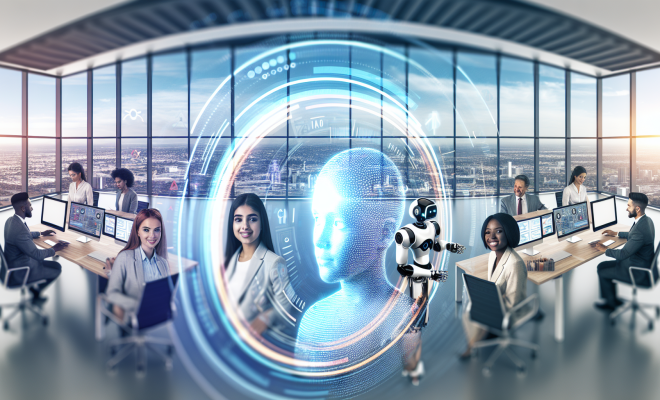
AI in the workplace is no longer a futuristic concept; it is rapidly becoming a reality that is reshaping how we work and interact with technology. According to a groundbreaking report by McKinsey, titled “Superagency in the Workplace: Empowering People to Unlock AI’s Full Potential at Work,” the landscape of employment is undergoing a seismic shift. This report, published just hours ago, highlights the explosive growth in AI adoption within work environments, showcasing a fourfold increase in the use of generative AI since 2023.
The Surge of AI Adoption
The data presented in the McKinsey report underscores that approximately 70% of employees are now integrating AI tools into their daily routines. These tools are being employed for a myriad of tasks including coding, content creation, and decision-making. This rapid integration of AI has significant implications for productivity, with reports of gains reaching up to 40% in knowledge work.
Understanding Generative AI
Generative AI refers to algorithms that can create new content, from text to images, based on the data they have been trained on. This technology not only streamlines processes but also enhances creativity, allowing professionals to focus on higher-level strategic tasks rather than mundane operations. The fourfold increase in the use of generative AI highlights a crucial turning point in the workforce, pointing toward a more AI-driven future.
The Widening Skills Gap
Despite the promising statistics surrounding productivity, the report also raises a red flag about a widening skills gap in the workforce. Only 25% of workers feel fully empowered to utilize AI technologies effectively. This gap creates a potential divide where a significant portion of the workforce may be left behind as AI continues to evolve.
Implications of Job Displacement
One of the most alarming aspects of the McKinsey report is the projection that up to 300 million roles globally could be affected by job displacement due to AI integration. This statistic has sparked heated debates across social media and in professional circles, as employees express concerns about their job security. The fear of missing out (FOMO) on AI-driven career advantages has led many professionals to seek out opportunities to upskill and adapt to the changing landscape.
The Call for ‘Superagency’ Training
In response to the challenges posed by the increasing presence of AI, the McKinsey report emphasizes the need for ‘superagency’ training. This concept refers to empowering workers with the skills and knowledge necessary to leverage AI technologies fully. By investing in training programs that focus on both technical skills and soft skills, organizations can ensure that their employees are not only aware of AI capabilities but are also competent in utilizing these tools effectively.
The Role of Tech Leaders
The insights from tech leaders at companies such as Google and Microsoft further emphasize the importance of adapting to this new reality. These leaders argue that organizations must prioritize continuous learning and development to remain competitive in an AI-driven market. As AI tools evolve, so too must the skills of the workforce, making adaptability a key trait for success.
Exploring the Benefits of AI in the Workplace
While the fears surrounding job displacement and skills gaps are valid, it is also essential to recognize the benefits that AI brings to the workplace. Here are some key advantages:
- Increased Efficiency: AI can automate repetitive tasks, freeing up employees to focus on more strategic initiatives.
- Enhanced Decision-Making: AI tools can analyze data quickly, providing insights that inform better decision-making processes.
- Cost Savings: By automating certain tasks, businesses can reduce operational costs and improve their bottom line.
- Improved Customer Experience: AI algorithms can personalize customer interactions, leading to higher satisfaction rates.
The Need for Balance
As organizations embrace the integration of AI tools, it is vital to strike a balance between technological advancement and human skills. The ultimate goal should be to enhance collaboration between humans and machines, rather than allowing AI to replace human workers entirely. A combined approach can lead to innovative solutions that benefit both employees and employers.
Preparing for the Future
As we look ahead toward 2025, preparing for the evolving landscape of AI in the workplace will be crucial. Professionals should consider the following strategies to stay ahead:
- Continuous Learning: Dedicate time to learning about AI tools and how they can be applied to your role.
- Networking: Connect with others who are also navigating the new technological landscape to share knowledge and experiences.
- Adaptability: Cultivate a mindset that embraces change and is open to new ways of working.
The Role of Employers
Organizations must also take proactive steps to prepare their workforce for the influx of AI technologies. Providing training programs, resources, and support systems can help employees feel more empowered and equipped to handle the changes ahead. In doing so, businesses can cultivate a culture of innovation and resilience.
Conclusion
The findings from McKinsey’s report on AI in the workplace serve as a wake-up call for both employees and employers. While the integration of AI presents opportunities for unprecedented productivity gains, it also poses significant challenges in terms of skills gaps and job displacement. To navigate this evolving landscape successfully, embracing a culture of learning, adaptability, and collaboration between humans and AI is essential. By doing so, we can unlock the full potential of AI in the workplace while ensuring that the workforce is equipped to thrive in the future.