MA Healthcare Workers Demand Action Against Rising Violence
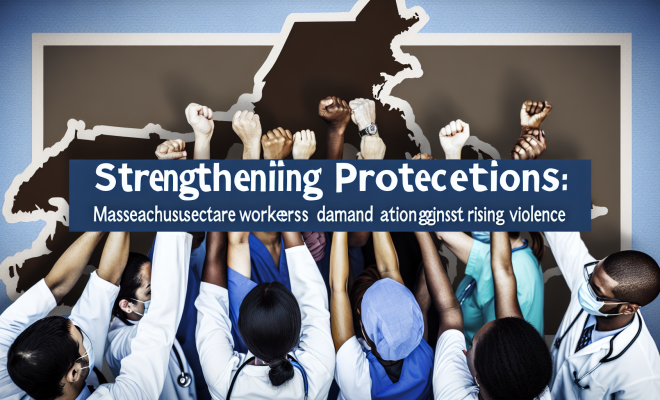
As incidents of violence against healthcare workers surge across Massachusetts, a coalition of medical professionals is calling for stronger legal protections and harsher penalties for those who assault them. The urgency behind this demand has been amplified by a recent trend that sees healthcare workers facing violence with alarming frequency, particularly in emergency departments.
Legislative Developments
In November, the Massachusetts House of Representatives took a significant step towards addressing the issue by approving a bill that would classify assaults on healthcare workers as felonies. This proposed legislation would impose prison sentences of up to five years for assaults on medical staff, increasing to ten years if the assault results in serious injury. However, the bill is currently pending review and approval by the Senate, highlighting the ongoing challenges in enacting effective measures to combat workplace violence in healthcare.
The Reality on the Ground
Dr. Melisa Lai-Becker, chief of emergency medicine at Mass General Brigham’s community hospitals, underscores the critical nature of the situation. She reports that assaults on healthcare workers are not isolated incidents but rather occur daily in emergency departments, contributing to an already burned-out workforce. These violent episodes not only endanger the safety of healthcare providers but also hinder their ability to deliver quality care to patients.
Impact on Healthcare Workers
The pervasive threat of violence has led healthcare professionals to adopt defensive tactics during their shifts. Many workers now take precautionary measures, such as positioning themselves near exits or avoiding turning their backs on patients. Despite these efforts, healthcare workers express that such individual strategies are insufficient to ensure their safety. The consensus among staff is clear: systemic changes are urgently needed to create a safer working environment.
Understanding the Causes
The rise in violence against healthcare workers can be attributed to multiple factors. Increased patient stress levels, particularly in emergency settings, and the challenges posed by mental health crises have escalated tensions. Additionally, the COVID-19 pandemic has exacerbated existing issues, placing further strain on healthcare systems and increasing the likelihood of confrontations.
Healthcare workers often find themselves on the front lines during these crises, where emotions run high and individuals may act out in frustration or fear. This underscores the necessity for comprehensive strategies that not only address the immediate threat of violence but also consider the underlying issues contributing to such behavior.
Advocacy for Change
The call for legislative reform is being driven by healthcare advocates who demand more than just punitive measures. They emphasize the importance of prevention and education, suggesting that training programs for healthcare workers on conflict de-escalation could help mitigate potential violent encounters. Furthermore, enhancing mental health resources for patients in emergency settings may also reduce the occurrence of aggressive behavior.
- Enhanced Training: Implementing training programs focused on conflict resolution and de-escalation skills for healthcare workers.
- Improved Mental Health Resources: Providing better access to mental health support for patients, particularly in emergency departments.
- Public Awareness Campaigns: Educating the community about the challenges faced by healthcare workers and promoting respectful patient-provider interactions.
What’s Next?
As the Senate prepares to review the proposed bill, healthcare workers and advocates are hopeful that this legislation will pave the way for fundamental changes in how violence against medical staff is addressed. The outcome could set a precedent for other states grappling with similar issues, creating a ripple effect that encourages stronger protections nationwide.
Ultimately, the focus must remain on fostering a culture of safety within healthcare environments. Protecting healthcare workers not only ensures their well-being but also enhances the quality of care that patients receive. As healthcare professionals continue to advocate for change, they highlight the need for society to recognize the invaluable role they play and the importance of safeguarding their security in the workplace.
A Collective Responsibility
The rising tide of violence against healthcare workers is a societal issue that demands collective action. It is the responsibility of lawmakers, healthcare administrators, and communities to collaborate on innovative solutions that prioritize the safety of those who dedicate their lives to caring for others. As Massachusetts navigates this critical juncture, the hope is that strengthened protections will lead to a more secure and supportive environment for healthcare workers across the state.