Revolutionizing Communication: Bexar County Sheriff’s Office Integrates AI Language Translation into Body-Worn Cameras
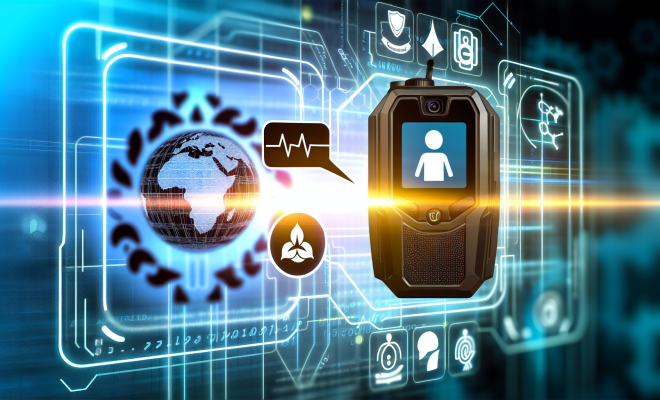
The Bexar County Sheriff’s Office (BCSO) in Texas is taking a significant stride towards enhancing communication between law enforcement and the diverse communities they serve. In a pioneering move, the BCSO is implementing AI-powered language translation technology on its Axon body-worn cameras, a development aimed at bridging the communication gap with non-English speakers.
A Step Forward in Community Policing
Sheriff Javier Salazar announced the introduction of the Translate Assistant feature, which has been designed to facilitate seamless interactions between deputies and individuals who may not speak English. This initiative underscores the BCSO’s commitment to fostering a more inclusive environment and ensuring that language barriers do not obstruct justice.
Understanding the Technology
The Translate Assistant technology is capable of auto-detecting languages from a pool of 60 options. This expansive range allows deputies to communicate effectively with individuals from various linguistic backgrounds, making it a vital tool in diverse neighborhoods where multiple languages are spoken.
When a deputy encounters a person speaking an unfamiliar language, they can simply press a button on their body-worn camera to activate the translation feature. This functionality provides real-time audible translations, allowing for immediate understanding and response. The implications of this technology are profound, as it not only enhances the efficiency of police work but also promotes a sense of trust and safety within the community.
Training for Effective Implementation
As with any new technology, effective implementation hinges on proper training. BCSO deputies are currently undergoing training to familiarize themselves with the Translate Assistant feature. This training process is crucial, as it ensures that officers are well-equipped to utilize the technology confidently and effectively during interactions.
Components of the Training Program
- Technical Training: Deputies learn how to operate the body-worn cameras and navigate the Translate Assistant feature.
- Scenario-based Training: Officers practice real-life situations where language barriers may arise, allowing them to apply the technology in context.
- Cultural Sensitivity Training: Understanding the cultural backgrounds of community members is emphasized to foster respectful interactions.
The Impact on Community Relations
The introduction of AI language translation technology marks a significant pivot in the approach law enforcement agencies take towards community engagement. By breaking down language barriers, the BCSO aims to build stronger relationships with community members, enhancing public safety and trust.
Community Feedback
Community leaders and residents have expressed optimism about the BCSO’s initiative. Many believe that effective communication is foundational to community policing, and the Translate Assistant feature could lead to improved outcomes in critical situations, such as traffic stops, emergency calls, and public assistance encounters.
Challenges and Considerations
While the integration of AI language translation offers numerous benefits, it also presents certain challenges that the BCSO must navigate carefully. Some of these challenges include:
- Accuracy of Translation: Ensuring that translations are contextually accurate is essential to prevent misunderstandings during critical interactions.
- Technology Limitations: The efficacy of the technology can be influenced by environmental factors, such as noise levels or the clarity of speech.
- Privacy Concerns: The use of body-worn cameras raises questions about data privacy and the handling of sensitive information.
Future Prospects
The BCSO’s initiative to implement AI language translation on body-worn cameras is just the beginning. As the technology evolves, there are opportunities for further enhancements that could change the landscape of law enforcement communications.
Potential Developments
- Increased Language Options: Expanding the language detection capabilities to include more dialects and regional variations.
- Integration with Other Technologies: Combining the translation feature with other law enforcement tools for enhanced situational awareness.
- User Feedback Mechanisms: Establishing systems to gather feedback from community members to continually improve the technology.
Conclusion
The Bexar County Sheriff’s Office is setting a precedent by utilizing AI technology to enhance communication and foster community trust. As the Translate Assistant feature rolls out, it promises to create a more inclusive atmosphere where all community members feel heard and understood. The ongoing training of deputies and the potential for future advancements in technology will ensure that the BCSO remains at the forefront of innovative policing strategies, ultimately working towards a safer and more connected community.