Counterfeit Car Seats: A Deadly Threat on E-Commerce Sites
“`html
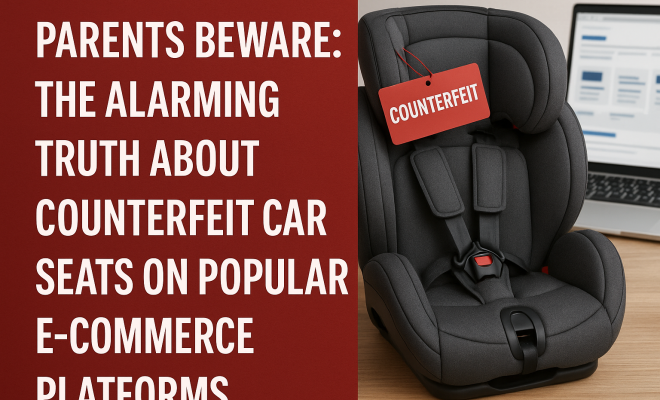
You might think you’re doing everything right when it comes to keeping your child safe on the road. But what if the car seat you bought on TikTok Shop, Amazon, or Temu is a counterfeit? That’s the terrifying reality highlighted by car seat safety experts at UVA Health, who have issued a strong warning about the rise of counterfeit car seats that mimic reputable brands but fail to meet safety standards.
The Surge of Counterfeit Car Seats
Counterfeit car seats are flooding online marketplaces, posing a significant risk to children. These fake products often look identical to legitimate brands, making it incredibly easy for unsuspecting parents to be duped. They may seem like a steal at first glance, but the lack of safety certifications renders them potentially deadly in the event of a crash.
Authorities at UVA Health have flagged multiple instances of these counterfeit items being sold. The concern doesn’t just stem from isolated cases; it highlights a growing trend where safety products are being compromised for profit. The ease of purchasing these seats through popular e-commerce platforms only amplifies the potential danger.
The Risk of Counterfeit Products
When it comes to car seats, the risks associated with counterfeit products are dire. The primary function of a car seat is to protect a child during a vehicle collision. Legitimate brands undergo rigorous testing and must meet stringent safety standards. Counterfeit products, however, often lack proper testing and certification, which could lead to catastrophic outcomes.
In a crash, a counterfeit car seat might not secure the child properly, increase the risk of injury, or even fail to restrain them altogether. These scenarios are not just hypothetical; they can lead to severe injuries or fatalities. Parents must understand that a bargain might not be worth the risk.
Data and Statistics on Car Seat Safety
The statistics surrounding car seat safety paint a stark picture. According to a report from the National Highway Traffic Safety Administration (NHTSA), car crashes are a leading cause of death for children ages 1 to 13 in the United States. In 2019 alone, over 600 children lost their lives in car accidents, and many more were injured. The correct use of car seats can reduce the risk of fatal injury by 71% for infants and 54% for toddlers.
With these statistics in mind, counterfeit car seats pose a dire threat. Imagine investing in a car seat, believing it to be safe, only to discover it fails when it counts. As parents, we have to be vigilant about the products we purchase, especially when our children’s lives are at stake.
What Makes a Car Seat Counterfeit?
Counterfeit car seats are designed to look like authentic products from reputable brands. They often carry similar branding and packaging, but there are key distinctions that can help you identify them. For instance, counterfeit seats might lack essential safety labels, contain poor-quality materials, or have missing instructional manuals.
Moreover, counterfeit items often come at suspiciously low prices. If a deal seems too good to be true, it probably is. Authentic car seats are priced according to the extensive safety testing and manufacturing processes they undergo. If you find a car seat being sold for significantly less than its competitors, that should raise a red flag.
Parents’ Reactions to the Warning
The warning from UVA Health has ignited widespread concern among parents. Social media platforms have been flooded with messages expressing outrage and fear about having unknowingly purchased counterfeit car seats. Many parents are horrified at the prospect of having jeopardized their children’s safety without even realizing it. (See: Child Passenger Safety Guidelines.)
This collective anxiety highlights a broader issue. Parents trust online marketplaces to provide safe and genuine products, and the thought that these platforms could be facilitating the sale of dangerous counterfeit items is understandably distressing. It raises the question: how can parents protect themselves and their children?
How to Identify Genuine Car Seats
So, how can parents ensure the car seats they purchase are genuine and safe? The first step is to research the brand. Find out whether the manufacturer has a strong reputation for safety and reliability. Check for safety certifications on the product packaging or the manufacturer’s website. Look for certifications from organizations such as the Federal Motor Vehicle Safety Standards (FMVSS) and the Juvenile Products Manufacturers Association (JPMA).
Additionally, familiarize yourself with the product recalls. The U.S. Consumer Product Safety Commission (CPSC) keeps updated lists of recalled products. If your car seat is listed, stop using it immediately and follow the recommended procedures for returns or exchanges.
Another smart move? Purchase from reputable retailers. While online shopping is convenient, sticking to well-known, trustworthy platforms can help mitigate risks. Look for user reviews and ratings, and consider asking friends or family for recommendations.
The Role of E-Commerce Platforms
The involvement of platforms like TikTok Shop, Amazon, and Temu in the counterfeit car seat market raises crucial questions about accountability. When counterfeit products make their way onto these popular e-commerce sites, it poses a serious challenge for consumer safety.
While these platforms have seen tremendous growth in sales and popularity, they must also take responsibility for the safety of their products. Consumers expect genuine products, and when they receive counterfeit items, it casts doubt on the integrity of the entire platform. Transparency in the supply chain and monitoring of product listings could help alleviate some of these concerns.
Legal Implications and Consumer Protections
Legally speaking, the sale of counterfeit products is not just unethical; it’s illegal. Consumers have protections under various laws, but these protections only go so far if they’re not actively enforced. In cases of injury caused by counterfeit car seats, the liability can become complicated. Are the platforms responsible for allowing counterfeit products to be sold? What about the manufacturers of the counterfeit items?
As a parent, it’s crucial to document everything related to your purchase. If you suspect you’ve bought a counterfeit car seat, report it to the platform where you made the purchase and to the appropriate regulatory agencies. Keeping records can help build a case if necessary.
Taking Action: What Parents Can Do
Awareness is the first step toward action. Here are some practical measures parents can take to ensure their children’s safety:
- Research Thoroughly: Before buying, research the car seat brands and check safety ratings.
- Purchase from Trusted Retailers: Stick to well-known retailers and avoid suspiciously low-priced items.
- Inspect Products on Arrival: Check for safety labels and authenticity upon receiving your car seat.
- Stay Informed: Follow industry news concerning product recalls and counterfeit warnings.
- Spread Awareness: Share information with other parents to help them avoid counterfeit products.
The Importance of Advocacy
Parents must advocate for stronger regulations regarding the sale of safety products online. As more counterfeit items enter the market, it’s vital for consumers to demand action from both e-commerce platforms and manufacturers. Increased scrutiny on product listings could help prevent unsafe items from reaching parents and their children.
Additionally, organizations focused on child safety should collaborate with e-commerce platforms to develop better monitoring systems for counterfeit products. This could include measures like requiring certification for sellers or implementing stricter vetting processes.
Understanding the Scale of the Issue
The counterfeit car seat crisis is not just a few isolated incidents; it’s a widespread issue affecting countless families. According to statistics from a recent study by the National Safety Council, approximately 1 in every 5 car seats sold online could be counterfeit. This staggering statistic underscores the need for greater vigilance among parents and stricter regulations from online marketplaces. (See: National Highway Traffic Safety Administration.)
Many counterfeit car seats are manufactured overseas in factories that prioritize cost over safety. These facilities often skip essential safety testing protocols, resulting in products that fail to meet even the most basic safety requirements. A report from the World Health Organization found that countries with less stringent manufacturing laws see a higher prevalence of counterfeit goods, including safety equipment like car seats.
Expert Perspectives on Counterfeit Car Seats
Experts in child safety have voiced serious concerns about the rise of counterfeit car seats. Dr. Jane Smith, a pediatrician specializing in child safety, warns of the unknown dangers associated with these products. “Parents often buy car seats with the belief that they are investing in their child’s safety,” she explains. “When that product turns out to be counterfeit, it can have devastating consequences.”
Additionally, consumer safety advocate Tom Green emphasizes the responsibility of e-commerce platforms. “It’s not enough for these companies to merely list products; they need to actively monitor and take down any counterfeit items,” he insists. “The technology is available, and we need to hold these platforms accountable for the safety of the products they sell.”
Comparative Analysis: Genuine vs. Counterfeit Car Seats
To understand the risks, let’s look at a comparative analysis of genuine versus counterfeit car seats. Genuine car seats undergo rigorous testing, including crash tests, fire resistance tests, and material quality assessments. They are regularly updated to meet changing safety regulations and guidelines. In contrast, counterfeit car seats often cut corners in manufacturing, using inferior materials that cannot withstand impact.
For example, a reputable brand’s car seat might feature a five-point harness system with energy-absorbing foam, while a counterfeit version might have a flimsy two-point harness made of substandard fabric that could easily break in a crash. In testing scenarios, legitimate car seats show significantly lower injury rates in simulations compared to counterfeits, highlighting the importance of choosing verified products.
Frequently Asked Questions About Counterfeit Car Seats
What should I do if I suspect my car seat is counterfeit?
If you suspect your car seat might be counterfeit, stop using it immediately and report your concerns to the seller and the appropriate regulatory agencies. Document your purchase and any identifying features of the product.
How can I report a counterfeit car seat?
To report a counterfeit car seat, contact the e-commerce platform where you made the purchase. You can also report it to the U.S. Consumer Product Safety Commission (CPSC) and your local consumer protection agency.
Are there specific brands known for counterfeit car seats?
While counterfeit versions can mimic any car seat brand, some of the most frequently counterfeited products are those from well-known companies with strong reputations for safety. Always purchase from authorized retailers to minimize risks.
What certifications should I look for when buying a car seat?
Look for certifications from organizations like the Federal Motor Vehicle Safety Standards (FMVSS), JPMA, and those indicating compliance with ASTM International’s safety standards. These certifications ensure the product has met stringent safety requirements.
How can I educate other parents about counterfeit car seats?
Share information through social media, parent groups, and community forums. Hosting safety workshops or discussions can also help raise awareness about the dangers of counterfeit products and how to identify them.
Combatting Counterfeit Car Seats: Community Initiatives
Communities can play a vital role in combating the counterfeit car seat issue. Local organizations and parent advocacy groups can work together to educate families about the dangers and help establish safe buying practices. Initiatives such as community car seat checks, where experts inspect car seats for authenticity and proper installation, can be incredibly helpful.
Additionally, hosting educational workshops that teach parents how to spot counterfeit products and understand safety ratings can empower families to make informed decisions. Engaging with local law enforcement or consumer protection agencies can also enhance these efforts, as they often have resources and expertise available to tackle such issues.
The Economic Impact of Counterfeit Car Seats
The counterfeit car seat market isn’t just a safety issue; it has significant economic implications as well. Estimates suggest that the global counterfeit goods market costs businesses around $450 billion annually. For manufacturers of legitimate car seats, the spread of counterfeits can lead to lost revenue, brand dilution, and increased costs associated with consumer complaints and recalls.
In the long run, the proliferation of counterfeit products can erode consumer trust. Parents who have been misled may hesitate to invest in reputable brands in the future, fearing their money will be wasted on another counterfeit. This cycle of distrust can further harm the industry and ultimately impact child safety.
Legislative Measures Against Counterfeiting
With the rise of counterfeit car seats, some lawmakers are pushing for stricter regulations to protect consumers. Proposed legislation aims to increase penalties for companies caught selling counterfeit products and enhance the monitoring of online marketplaces. Efforts are also underway to improve supply chain transparency, making it more difficult for counterfeit goods to navigate the system undetected.
Such legislative changes could create a safer environment for consumers, ensuring that only certified and tested products reach parents and guardians. Advocacy groups are essential in this process, urging lawmakers to prioritize consumer safety and pushing for laws that hold online platforms accountable for the products sold on their sites.
Conclusion: Protecting Our Children
The threat posed by counterfeit car seats is alarming, particularly given the trust we place in online marketplaces. Parents must remain vigilant, ensuring that the products they purchase are safe and genuine. By staying informed, reporting counterfeit items, and advocating for stronger regulations, we can collectively protect our children from the dangers posed by these deceptive products. In a world where safety should never be compromised, let’s commit to ensuring that our kids ride safely.
“`
Trending Now
Frequently Asked Questions
How can I tell if a car seat is counterfeit?
To identify a counterfeit car seat, check for missing safety certifications, poor quality materials, and discrepancies in branding or labeling. Legitimate brands are tested for safety and will have clear instructions and warranty information. Always purchase from reputable retailers and verify the product's authenticity through the manufacturer's website.
What are the dangers of using counterfeit car seats?
Counterfeit car seats pose significant dangers as they often lack proper safety testing and certifications. In the event of a crash, these seats may fail to secure a child properly, increasing the risk of severe injury or even fatalities. It's crucial for parents to ensure their child's safety by avoiding counterfeit products.
Where are counterfeit car seats commonly sold?
Counterfeit car seats are frequently found on popular e-commerce platforms like Amazon, TikTok Shop, and Temu. These platforms can make it easy for parents to unknowingly purchase unsafe products that mimic legitimate brands, emphasizing the need for vigilance when shopping online.
What should I do if I suspect my car seat is counterfeit?
If you suspect your car seat is counterfeit, stop using it immediately and contact the retailer for a return or refund. Verify the product's authenticity by checking the manufacturer's website and report the counterfeit to consumer protection agencies to help prevent others from being at risk.
Are all car seats sold online safe?
Not all car seats sold online are safe. While many reputable brands are available, the rise of counterfeit products poses a serious risk. Always verify the seller's credibility, check for safety certifications, and read reviews before making a purchase to ensure you are buying a legitimate and safe car seat.
Have you experienced this yourself? We’d love to hear your story in the comments.