March 2026: Cybersecurity Turmoil & Breaches Unveiled
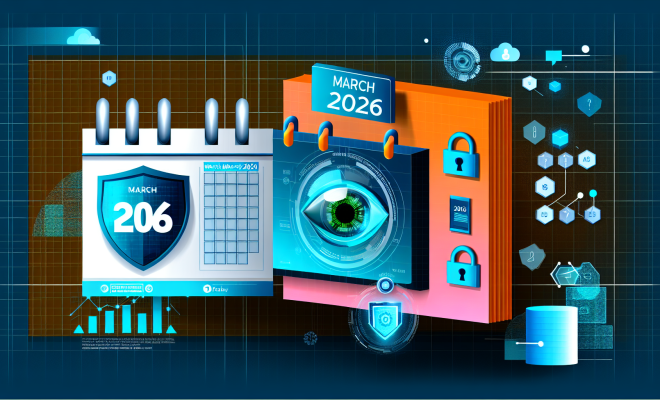
March 2026 has proven to be a tumultuous month in the cybersecurity landscape, as highlighted by ESET Chief Security Evangelist Tony Anscombe in his monthly overview. This month has seen significant breaches, alarming trends in data theft, and changes in major social media security policies that have sent ripples through the tech community.
Major Cyberattack on Stryker by Handala Hacktivist Group
One of the most alarming incidents reported in March was the devastating cyberattack on Stryker, a leading medical technology company. This attack, attributed to the Iran-linked hacktivist group Handala, resulted in the crippling of over 200,000 systems and the theft of approximately 50 terabytes of sensitive data. The scale of this breach raises serious concerns about the vulnerabilities within the medtech sector and the potential impact on patient care.
The implications of such a large-scale data theft extend beyond immediate financial losses; they pose a significant threat to patient privacy and the integrity of medical devices. As the healthcare industry becomes increasingly reliant on technology, the need for robust cybersecurity measures is more critical than ever.
Ransomware Attacks and Data Theft Trends
In a related development, research from the Google Threat Intelligence Group has shed light on the evolving nature of ransomware attacks. The research revealed that in 2025, a staggering 77% of ransomware attacks involved suspected data theft, a significant increase from 57% in 2024. This trend indicates that cybercriminals are not only focused on encrypting data for ransom but are also increasingly interested in exfiltrating sensitive information.
Moreover, attackers are now leveraging built-in Windows utilities to facilitate their attacks, demonstrating a shift towards more sophisticated and less detectable methods. This tactic allows cybercriminals to maneuver within systems without raising immediate alarms, making it imperative for organizations to enhance their detection and response capabilities.
Instagram’s Discontinuation of Private Message Encryption
In a significant policy shift, Instagram announced plans to discontinue its private message encryption starting in May 2026. This decision has sparked debate among privacy advocates and users alike, as encryption is a vital tool for protecting user communications from unauthorized access.
The discontinuation of encryption raises questions about user trust and the platform’s commitment to safeguarding personal data. As social media platforms continue to grapple with the balance between user privacy and regulatory compliance, the implications of this decision could reverberate across the industry.
Europol’s Takedown of the Tycoon 2FA Phishing Platform
On a more positive note, Europol achieved a significant victory in the fight against cybercrime by successfully dismantling the Tycoon 2FA phishing platform. This platform was responsible for an alarming 62% of all phishing attempts blocked by Microsoft through mid-2025. The Tycoon platform targeted users by spoofing two-factor authentication (2FA) mechanisms, undermining the very security measures designed to protect users.
Europol’s efforts to disrupt such operations are crucial in the ongoing battle against phishing, which remains one of the most prevalent cyber threats. By targeting the infrastructure that enables these attacks, law enforcement agencies can significantly reduce the volume of phishing attempts reaching users.
The Importance of Cyber Hygiene
As March 2026 comes to a close, the cybersecurity incidents highlighted by Tony Anscombe serve as a stark reminder of the ever-evolving landscape of cyber threats. Organizations must prioritize cybersecurity hygiene and remain vigilant against emerging threats. Here are some best practices for enhancing cybersecurity:
- Regular Software Updates: Ensure all systems and applications are up-to-date to mitigate vulnerabilities.
- Employee Training: Conduct regular training sessions to educate employees about recognizing phishing attempts and other cyber threats.
- Implement Strong Password Policies: Encourage the use of complex passwords and two-factor authentication to enhance account security.
- Conduct Regular Security Audits: Periodically assess security measures and protocols to identify and address weaknesses.
- Incident Response Planning: Develop and rehearse an incident response plan to ensure swift action in the event of a breach.
Conclusion
The events of March 2026 highlight the pressing need for organizations to adapt to an increasingly hostile cyber environment. By understanding the tactics employed by cybercriminals and implementing robust cybersecurity strategies, businesses can better protect themselves and their customers. As the landscape continues to evolve, vigilance and proactive measures will be key in mitigating risks and safeguarding sensitive information.