Kilauea Eruption 2026: What to Expect from Hawaii’s Volcano
“`html
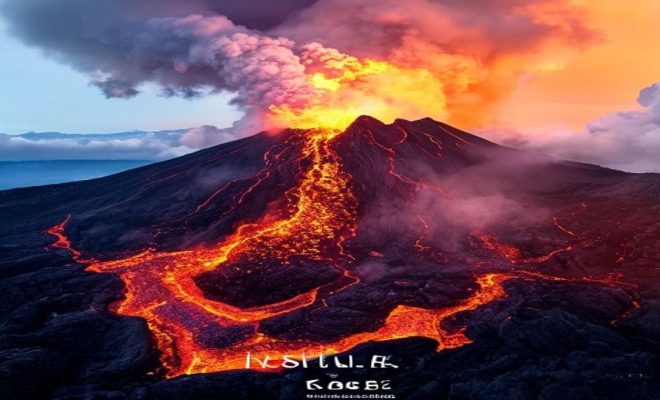
As the anticipation builds, the latest Kilauea volcano news has travelers, volcano enthusiasts, and nature lovers gearing up for an extraordinary natural event. The United States Geological Survey (USGS) has forecasted that Kīlauea, one of the most active volcanoes in the world, is likely to erupt again between July 6 and July 10, 2026. This forecast comes on the heels of Episode 50, which has recently paused, leaving many wondering about the potential for lava fountaining in what is expected to be Episode 51.
1. The Significance of Kīlauea
Kīlauea is not just any volcano; it’s a remarkable natural phenomenon that has captivated the interest of scientists and tourists alike. Located on the Big Island of Hawaii, it is one of the most studied and frequently erupting volcanoes in the world. Its eruptions are notable for their relatively gentle nature compared to other volcanoes. Unlike explosive eruptions that can wreak havoc, Kīlauea’s lava flows provide a unique spectacle of nature’s power that draws thousands of visitors annually.
What makes Kīlauea particularly fascinating is its location within Hawaii Volcanoes National Park, which offers breathtaking views and opportunities for exploration. The park itself is a UNESCO World Heritage site and home to diverse ecosystems. The symbiosis of nature and volcanic activity makes Kīlauea a must-see for travelers looking to understand the earth’s geological processes. With the latest forecasts indicating a return to activity, the volcano is set to become a focal point for both tourism and scientific research in the coming years.
2. What’s New in Kīlauea Volcano News?
The USGS has recently issued critical updates regarding Kīlauea, which have gained significant attention on social media and among travel enthusiasts. According to their forecasts, the volcano is expected to erupt again soon, and this news is generating considerable buzz. The advisory alert level has also been raised, denoting a heightened state of volcanic activity. This alert level, combined with the yellow aviation color code, indicates that there could be potential hazards associated with the upcoming eruption. There’s a fuller look at exciting volcano experiments.
For travelers considering a visit, the prospect of witnessing an eruption is a once-in-a-lifetime opportunity. Plans are already in motion as people from all over the world discuss their travel itineraries, hoping to enhance their experiences by witnessing this awe-inspiring natural event. The excitement surrounding the eruption is palpable, fueled by the ‘fear of missing out’ that many feel when it comes to such unique experiences.
3. The Eruption Timeline: Past and Future
Kīlauea has a rich history of eruptions, with the most recent episodes providing insights into its volcanic cycles. The previous eruption, Episode 50, ended abruptly, showing the unpredictable nature of Kīlauea’s activity. The forecast for Episode 51 suggests a rapid turnaround, which is not uncommon for Kīlauea. This rhythm of eruptions and pauses adds an element of mystery and excitement to the volcano.
As we look ahead to the anticipated dates of July 6–10, 2026, it’s vital to understand the patterns of Kīlauea’s eruptions. The intervals between eruptions can vary dramatically, and the brief hiatus experienced recently adds to the intrigue. It’s particularly interesting to note that Kīlauea’s eruptions often include stunning lava fountains that can reach great heights, creating mesmerizing displays that capture the imagination of onlookers.
4. Planning Your Visit: Tips for Travelers
If you’re one of those eager travelers hoping to witness Kīlauea’s next eruption, planning ahead is crucial. Given the forecasted eruption dates, booking your accommodations well in advance is wise. Popular places like Hilo and Volcano Village offer easy access to Hawaii Volcanoes National Park, making them ideal bases for your adventure.
Additionally, familiarize yourself with local regulations and safety guidelines, especially considering the changing volcanic activity. Stay updated through the USGS website and local news channels for real-time information. Joining guided tours can also enhance your experience, as knowledgeable guides can provide insights and ensure safety while allowing you to enjoy spectacular views of the lava flows. (See: USGS Kīlauea Volcano information.)
5. The Emotional Appeal of Eruptions
The emotional draw of witnessing a volcanic eruption cannot be overstated. For many, the thrill of seeing molten lava flowing from a volcano is akin to witnessing the raw power of nature. The spectacle is both beautiful and humbling, serving as a reminder of the earth’s dynamic processes. This emotional connection is why many people are willing to travel thousands of miles just to stand before Kīlauea.
The social media buzz surrounding the anticipated eruption speaks volumes about our collective desire to experience monumental natural events. Travelers share their plans, excitement, and even fears, creating a community united by the thrill of adventure. The ‘fear of missing out’ is palpable, driving people to make arrangements at a moment’s notice, ensuring they don’t miss this extraordinary opportunity.
6. Understanding Volcanic Alerts and Safety Measures
With Kīlauea’s activity continuously monitored, understanding volcanic alerts is crucial for safety. The USGS operates a rigorous monitoring system that provides real-time data on volcanic activity. When an eruption is imminent, alerts are issued based on various factors, including seismic activity, ground deformation, and gas emissions.
For visitors, knowing how to react during an eruption is equally important. Always pay attention to local authorities and park rangers, who are trained to handle emergencies. Evacuate promptly if instructed. Having a plan in place before your visit can make all the difference, ensuring you can safely enjoy the marvels Kīlauea has to offer while being prepared for any sudden changes in activity.
7. The Role of Social Media and Community Engagement
Social media plays a pivotal role in spreading Kilauea volcano news and engaging the community around volcanic activity. Platforms like Twitter and Instagram serve as vital sources for live updates and firsthand accounts from those near the volcano. This interaction creates a sense of immediacy and connectivity, allowing individuals to share experiences and excitement about upcoming eruptions.
Moreover, the online community often organizes meetups and group trips, enhancing the overall experience for travelers. As people share their stories, photos, and tips, it fosters a vibrant community atmosphere that adds valuable dimensions to the experience of visiting Kīlauea. The emotional resonance of these interactions turns ordinary trips into unforgettable adventures filled with shared enthusiasm.
8. Scientific Importance of Kīlauea Eruptions
Beyond the excitement and beauty of volcanic eruptions, Kīlauea serves as an essential site for scientific research. Understanding its eruptions can help volcanologists gain insights into the behavior of volcanoes worldwide. The data collected from Kīlauea’s activity can inform safety measures, improve eruption forecasting, and enhance our understanding of volcanic processes.
Research conducted at Kīlauea has broader implications, including hazard mitigation in populated areas around the globe. As scientists analyze the patterns of eruption and lava flow, they contribute to knowledge that can save lives and property in regions vulnerable to volcanic activity. This blend of natural wonder and scientific investigation makes Kīlauea an invaluable asset to both tourism and research.
9. Key Features of Kīlauea
One of the most remarkable aspects of Kīlauea is the variety of volcanic features it exhibits, each contributing to its unique geological landscape. The Halemaʻumaʻu Crater, located at the summit, is particularly notable, as it contains a lava lake that can be observed during eruptions. This crater has been both a source of inspiration and concern, as changes in its activity can foretell more significant eruptions.
Another fascinating feature is the extensive lava tube systems formed by previous eruptions. These tubes can transport lava over long distances and have become popular attractions for visitors. Some of these tubes are accessible for exploration, providing a glimpse into the inner workings of a volcano while showcasing the beauty of hardened lava formations. The combination of active geological processes and stunning landscapes makes Kīlauea a hotspot for both education and adventure.
10. Local Culture and Kīlauea
The cultural significance of Kīlauea cannot be overstated. For many Native Hawaiians, Kīlauea is considered a sacred site, deeply intertwined with their beliefs and practices. The goddess Pele, associated with fire and volcanoes, is revered in Hawaiian mythology, and many locals view the volcano as a manifestation of her power. (See: Hawaii Volcanoes National Park.)
Festivals and cultural events celebrate this connection, and visitors often find opportunities to engage with the local culture during their trips. Understanding the cultural context of Kīlauea adds a profound layer to the experience, encouraging respect for the land and its traditions. By participating in cultural events or guided tours led by local experts, travelers can gain insights into the rich heritage of Hawaii and the significance of Kīlauea.
11. Statistics and Facts about Kīlauea
Kīlauea is not only one of the world’s most active volcanoes but also one of the most studied. Here are some interesting statistics:
- Height: Kīlauea stands at approximately 4,091 feet (1,247 meters) above sea level.
- Eruptions: Since 1983, Kīlauea has been in a state of almost continuous eruption, making it one of the world’s most active volcanoes.
- Lava Flow: Lava flows from Kīlauea have reached the ocean multiple times, creating new land and fascinating geological formations.
- Visitor Count: The Hawaii Volcanoes National Park, home to Kīlauea, attracts over 1.5 million visitors annually.
- Seismic Activity: The volcano experiences thousands of small earthquakes each year, providing valuable data for scientists studying its behavior.
These statistics not only highlight Kīlauea’s activity but also underscore its importance as a destination for tourists and researchers alike.
12. FAQ About Kīlauea Volcano
What should I bring when visiting Kīlauea?
When visiting Kīlauea, it’s essential to dress in layers, as temperatures can vary significantly. Bring sturdy shoes for hiking, plenty of water, and snacks. A camera or binoculars can enhance your experience, allowing you to capture the stunning landscapes and volcanic activity.
Is it safe to visit Kīlauea during an eruption?
Visiting Kīlauea during an eruption can be safe, provided you follow guidelines set by the USGS and park officials. Always stay informed about volcanic activity and follow evacuation orders if necessary. Guided tours often offer the safest way to experience eruptions while ensuring visitors’ safety.
How can I stay updated on Kīlauea’s activity?
The USGS provides real-time updates on Kīlauea’s activity through their website and social media channels. Subscribing to their alerts can also keep you informed about any changes in volcanic activity, including potential eruptions.
What are the best times to visit Kīlauea?
The best times to visit Kīlauea are typically during the dry season, which runs from April to October. However, many visitors come year-round to witness eruptions. Checking eruption forecasts can help to time your visit for the best chance to see lava flows and other volcanic activity.
Can I see lava flows from Kīlauea?
Yes, depending on volcanic activity, visitors may be able to see lava flows. The best vantage points are often determined by current activity, so it’s advisable to check with park rangers or local guides for the safest and most accessible locations. We covered recent flooding in Hawaii in more detail.
13. Environmental Impact and Conservation
Understanding the environmental impact of Kīlauea is crucial, especially as its eruptions reshape the landscape. The lava flows create new land, fostering unique ecosystems, but they can also destroy existing habitats. Conservation efforts are vital in balancing the natural processes of the volcano with the need to protect the diverse flora and fauna of Hawaii. (See: Wikipedia entry on Kīlauea.)
Hawaii Volcanoes National Park implements various conservation strategies to restore and preserve native ecosystems affected by volcanic activity. Invasive species management is a significant focus, as non-native plants can disrupt the natural balance and threaten native species. Engaging visitors in conservation initiatives, such as volunteer programs, can help foster a greater appreciation for the land and its ecological significance.
14. What to Expect During an Eruption
When Kīlauea erupts, the experience can be awe-inspiring. Visitors can expect to see flowing lava, glowing lava fountains, and sometimes explosive bursts of activity. The different types of eruptions range from effusive lava flows to explosive eruptions, each offering a unique spectacle. Effusive eruptions tend to be safer and are characterized by the lava slowly flowing out of the volcano, while explosive eruptions can send ash and rock into the air, creating a more hazardous environment.
A significant aspect of experiencing an eruption is the sound— the deep rumbling of the earth and the crackling of lava as it meets the air create an unforgettable auditory landscape. The sight of glowing orange lava against the night sky is a remarkable visual treat that many travelers hope to witness. Safety is paramount during these eruptions, and visitors should always heed park guidelines and stay at designated viewing areas to ensure their safety.
15. The Future of Kīlauea
Looking ahead, the future of Kīlauea remains a subject of intense interest among volcanologists and the general public alike. Scientists are constantly monitoring the volcano for changes in seismic activity, ground deformation, and gas emissions, all of which can provide clues about future eruptions. With advancements in technology, such as satellite monitoring and drone surveillance, researchers can gather data more effectively than ever before.
Predicting the exact timing and nature of future eruptions is complex due to the volcano’s dynamic nature. However, ongoing studies and research will continue to enhance our understanding of Kīlauea and inform safety measures for the communities nearby. As Kīlauea continues to erupt, it will remain a vital site for scientific research and a powerful natural attraction for visitors from around the world.
16. Conclusion
The anticipation surrounding the upcoming eruption of Kīlauea is not merely about the spectacle of lava; it’s a convergence of science, culture, and natural beauty. This unique volcano offers a rare opportunity for individuals to connect with the earth’s processes while learning about the rich heritage of Hawaii. As we look forward to the eruption forecasted for July 2026, one thing is certain: Kīlauea will continue to inspire awe and curiosity in all who visit.
“`
Trending Now
Frequently Asked Questions
When is the next expected eruption of Kilauea volcano?
The United States Geological Survey (USGS) has forecasted that Kilauea volcano is likely to erupt again between July 6 and July 10, 2026. This prediction follows the pause of Episode 50, with anticipation building for Episode 51.
Why is Kilauea volcano significant?
Kilauea is one of the most active and studied volcanoes globally, known for its relatively gentle eruptions. Located in Hawaii Volcanoes National Park, it attracts visitors for its unique lava flows and stunning natural beauty, making it a focal point for both tourism and scientific research.
What are the latest updates on Kilauea volcano?
Recent updates from the USGS indicate that Kilauea is expected to erupt soon, generating significant interest among travel enthusiasts and scientists. The advisory alert level has also been raised, reflecting increased volcanic activity.
What can visitors expect during Kilauea's eruptions?
Visitors to Kilauea can expect to witness spectacular lava flows during eruptions, which are generally less explosive than those of other volcanoes. The eruptions provide a unique opportunity to observe nature's power in a relatively safe environment.
Is Kilauea located in a national park?
Yes, Kilauea is located within Hawaii Volcanoes National Park, a UNESCO World Heritage site. The park offers breathtaking views, diverse ecosystems, and opportunities for exploration, making it a popular destination for travelers and nature lovers.
Agree or disagree? Drop a comment and tell us what you think.