Heartbreaking: How Unaffordable Healthcare Forces Mothers to Sacrifice Their Own Well-being
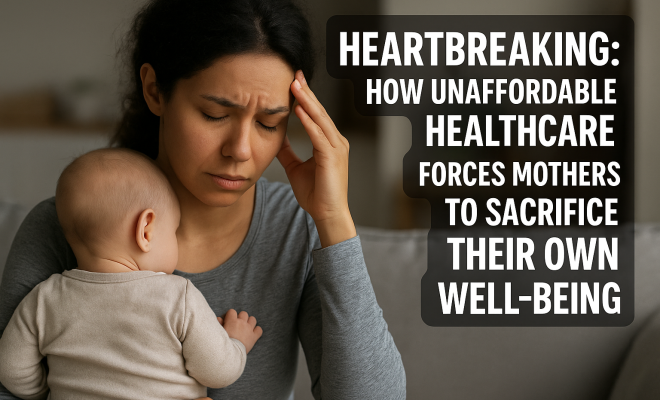
It’s a truth universally acknowledged in parenting circles, but rarely spoken about with the urgency it deserves: mothers often put themselves last. We’re conditioned to do it, expected to do it, and in a twisted way, we often feel a sense of pride in our self-sacrifice. But what happens when that self-sacrifice isn’t a choice, but a devastating necessity forced upon us by a broken system? A recent report, “Mothers See it First: Wave 1 of the National Benchmark of U.S. Mothers,” brought to light by the advocacy organization Inseparable and the Count on Mothers initiative, exposes a truly heartbreaking reality: unaffordable healthcare costs are forcing mothers to forgo their own physical and mental well-being to ensure their children receive care. This isn’t just about budgeting; it’s about a systemic failure that disproportionately impacts mothers and their children’s mental health. The report, based on a May 2026 survey, paints a stark picture of the challenges facing families, making the need for affordable healthcare for mothers more critical than ever.
As a parent, you’ve probably felt that gut-wrenching decision point: do I pay for this, or do I go without that? For far too many mothers, that decision involves their own health. The data is clear and frankly, infuriating: nearly a third of mothers (32%) admitted to delaying or completely skipping their own physical or mental healthcare dueations due to cost. Compare that to a tiny fraction—less than six percent—who reported postponing only their child’s care. Let that sink in. Mothers are actively choosing to endure pain, anxiety, and untreated conditions so their children don’t have to. It’s an act of profound love, yes, but it’s also a damning indictment of a healthcare system that leaves families, and especially mothers, in such an impossible bind. We need to talk about this, and more importantly, we need to demand change to ensure genuinely affordable healthcare for mothers is a reality, not a distant dream.
1. The Stark Reality: Mothers Prioritize Child’s Care Above Their Own
The core finding of the “Mothers See it First” report is both unsurprising to those of us who are mothers and utterly devastating to contemplate: when the chips are down and healthcare costs loom large, mothers consistently put their children’s needs before their own. The report clearly states that 32% of mothers delayed or went without their own physical or mental healthcare due to financial constraints. In stark contrast, less than 6% postponed only their child’s care. This isn’t just a statistic; it’s a window into the daily sacrifices millions of mothers are making across the country.
Think about what this truly means. It means a mother with a nagging back pain, who might be struggling to lift her toddler, is putting off seeing a doctor. It means a mother experiencing postpartum depression or anxiety, silently battling her demons, isn’t getting the mental health support she desperately needs. It means preventative screenings, crucial for early detection of serious illnesses, are being skipped. These aren’t minor inconveniences; these are fundamental aspects of health and well-being being sacrificed on the altar of unaffordable care. The ripple effect of a mother’s declining health, both physical and mental, touches every member of the family, yet they are the ones forced into this untenable position. The quest for affordable healthcare for mothers isn’t just about individual well-being; it’s about the resilience of the entire family unit.
2. The Unmet Mental Health Needs of Children: A Growing Crisis
The report doesn’t just highlight mothers’ sacrifices; it also shines a bright, uncomfortable light on the significant mental health challenges facing children today. Nearly 4 in 10 mothers reported that their child needed mental, emotional, or behavioral help in the past year. That’s almost half of all children! This isn’t some niche issue; it’s a pervasive crisis that demands immediate attention. And here’s the kicker: nearly half of those mothers faced significant difficulties in accessing that crucial support for their children.
When you combine these two data points – mothers sacrificing their own care and children struggling to access mental health support – you see a vicious cycle. Stressed, unsupported mothers are trying to navigate a system that’s failing their children, too. The pandemic undoubtedly exacerbated these issues, but the underlying systemic problems have been festering for years. Children are grappling with everything from anxiety and depression to behavioral issues, and the resources designed to help them are either too expensive, too scarce, or simply too difficult to navigate. This double-edged sword impacts the entire family’s well-being and underscores why genuinely affordable healthcare for mothers, and their children, is paramount.
3. Financial Strain: The Elephant in the Room for Families
It goes without saying that the cost of healthcare is a massive burden for American families. The “Mothers See it First” report implicitly and explicitly points to financial strain as a primary driver of these difficult decisions. When a family is already stretched thin, every additional cost feels like a mountain. Deductibles, co-pays, out-of-network fees, prescription costs – it all adds up, fast. For many families, an unexpected illness or injury can lead to medical debt that lingers for years, impacting their credit, their ability to save, and their overall financial stability.
Mothers often bear the brunt of managing family finances and making these impossible choices. They’re the ones looking at the budget, calculating what can be deferred, and deciding whose needs are most urgent. When the choice is between ensuring a child’s therapy sessions continue or getting that much-needed dental work for herself, the decision, however painful, often leans towards the child. This isn’t just about healthcare; it’s about the broader economic pressures on families, and how those pressures manifest in critical health decisions. Addressing affordable healthcare for mothers isn’t just a health issue; it’s an economic justice issue that could lift a significant burden from millions of households.
4. The Interconnected Challenges: More Than Just Medical Bills
The report from Count on Mothers and Inseparable paints a comprehensive picture of the challenges mothers are facing, showing that it’s not just isolated medical bills. These are interconnected issues, a tangled web of unmet mental health needs, significant financial strain, and even emerging concerns like children’s excessive AI use. All these factors converge to create an environment where mothers are constantly juggling, constantly worrying, and consistently undersupported. (See: CDC on healthcare access for families.)
Think about it: a mother is worried about her child’s anxiety, but she can’t afford therapy. Simultaneously, she’s trying to manage the family budget, which is tight due to rising costs of living. Then, she’s also grappling with how much screen time her child is getting, and the potential negative effects of AI on their developing mind. Each of these challenges, on its own, is significant. Combined, they create an overwhelming burden. And when her own mental health takes a hit from all this stress, she’s less likely to seek help because of the very financial pressures that are causing the stress in the first place. It’s a cruel feedback loop that urgently needs intervention, starting with comprehensive and affordable healthcare for mothers. For more context, see Alaskan Teachers Face a Brutal Housing Crisis.
5. The Impact of AI Use on Children: A New Frontier of Parental Concern
One fascinating and perhaps unexpected finding in the report touches upon a modern concern: children’s AI use. While the report doesn’t detail the specifics of this concern, its inclusion highlights the ever-evolving landscape of challenges parents face. In an age where digital devices and artificial intelligence are becoming increasingly integrated into daily life, mothers are on the front lines, grappling with the potential long-term impacts on their children’s development, social skills, and mental well-being.
This adds another layer of complexity to already overburdened parents. It’s not just about managing screen time anymore; it’s about understanding the nuances of AI algorithms, their potential for addiction, exposure to inappropriate content, and the implications for critical thinking and creativity. These are uncharted waters for most parents, and without adequate support or resources, it becomes another source of stress and worry. While not directly a healthcare cost issue, this new concern adds to the overall mental load mothers carry, making their need for robust mental health support, often hindered by lack of affordable healthcare for mothers, even more pronounced.
6. Systemic Failures and the Call for Greater Support
The “Mothers See it First” report isn’t just a collection of disheartening statistics; it’s a resounding call to action. It exposes profound systemic failures in how our society supports mothers and families. The fact that so many mothers are forced to choose between their own health and their children’s care, and that children struggle to access vital mental health services, points to a healthcare system that simply isn’t working for a significant portion of the population.
What kind of support are we talking about? It’s multifaceted. It includes policies that expand access to affordable health insurance, reduce out-of-pocket costs, and increase the availability of mental health professionals. It also means greater investment in community-based resources, parental leave policies, and workplace flexibility that truly supports working mothers. The current approach, which essentially asks mothers to bear the burden of these systemic shortcomings, is unsustainable and frankly, inhumane. Without a fundamental shift in how we value and support mothers, these heartbreaking trends will only continue. True affordable healthcare for mothers must be a cornerstone of this broader societal shift.
7. The Long-Term Consequences of Delayed Care for Mothers
When mothers delay or forgo their own healthcare, the consequences aren’t just immediate discomfort or stress; they can be severe and long-lasting. Skipping preventative screenings, for example, can lead to delayed diagnoses of serious conditions like cancer or heart disease, making treatment more complex, more expensive, and less effective down the line. Untreated chronic conditions can worsen, leading to increased pain, disability, and a diminished quality of life. Forgoing mental health care can exacerbate depression, anxiety, and other conditions, impacting a mother’s ability to function, parent effectively, and maintain healthy relationships.
These individual health declines also have a ripple effect on the family. A mother who is chronically ill, in pain, or struggling with mental health challenges is less able to care for her children, manage household responsibilities, or participate fully in family life. This can lead to increased stress for partners, children taking on caregiving roles prematurely, and a general decline in family well-being. The initial “savings” from delaying care are often dwarfed by the eventual costs, both financial and human, making the case for robust and affordable healthcare for mothers undeniable.
8. Advocacy and Policy Changes: Pushing for Affordable Healthcare for Mothers
Organizations like Inseparable and Count on Mothers are at the forefront of advocating for meaningful change. Their reports aren’t just academic exercises; they are vital tools for policymakers, showing in no uncertain terms where the system is failing and who is bearing the cost. The data they present provides a powerful narrative to push for legislative and policy changes that prioritize family health and well-being.
What specific changes are needed? They include expanding Medicaid eligibility, strengthening the Affordable Care Act (ACA) to make marketplace plans truly affordable, capping out-of-pocket costs, and addressing the severe shortage of mental health providers. There’s also a need for greater transparency in healthcare pricing and a reduction in administrative burdens that often make accessing care so frustrating. It’s a complex issue, requiring a multi-pronged approach, but the message is clear: the current state is unacceptable, and we need concrete steps to ensure affordable healthcare for mothers is a right, not a luxury. (See: NIH on women's healthcare access issues.)
9. The Economic Ripple Effect of Unaffordable Care
Beyond the immediate health implications, the lack of affordable healthcare for mothers creates a significant economic ripple effect that touches not just individual families, but also the broader economy. When mothers are sick or stressed due to untreated conditions, their productivity at work can decline. They might need to take more sick days, leading to lost wages and decreased job security. For mothers who are primary caregivers, their inability to work can have an even more profound impact on household income, potentially pushing families into deeper poverty.
Consider the costs associated with emergency room visits for conditions that could have been managed with preventative care. These visits are far more expensive than regular doctor appointments. When mothers defer necessary screenings or treatments, they increase the likelihood of developing more serious and costly illnesses down the road. This isn’t just a cost to the individual; it’s a cost to insurance companies, government programs, and ultimately, taxpayers. Investing in affordable, accessible healthcare for mothers is not just a moral imperative; it’s a smart economic strategy that can reduce overall healthcare expenditures and boost economic stability for families and communities. For more context, see Alaska's Bold Gamble: Will $144 Million Finally Fix Its Teacher Crisis?.
10. Comparing Healthcare Systems: Lessons from Other Developed Nations
It’s often useful to look at how other developed nations approach healthcare, especially when talking about affordable healthcare for mothers. Many countries, such as Canada, the UK, and most of Western Europe, operate under universal healthcare systems where essential medical services are largely covered by the government through taxes. This significantly reduces or eliminates out-of-pocket costs for patients, including mothers and their children.
In these systems, mothers typically don’t have to make the agonizing choice between their own health and their child’s. Preventative care, mental health services, and specialist visits are often readily accessible. While these systems aren’t without their own challenges, like wait times for certain procedures, they demonstrate that it’s possible to design a healthcare system where financial barriers don’t prevent people from getting necessary care. Studying these models can offer valuable insights and potential solutions for the US, particularly in finding ways to ensure that affordable healthcare for mothers is a fundamental right, not a privilege.
11. The Role of Employers and Workplace Policies
Employers play a crucial, often underestimated, role in the accessibility of affordable healthcare for mothers. Many families rely on employer-sponsored health insurance, and the quality and affordability of these plans vary wildly. Companies offering robust benefits, including comprehensive health plans with lower deductibles, generous mental health coverage, and even on-site or telehealth options, can significantly alleviate the burden on mothers.
Beyond insurance, workplace policies like paid parental leave, flexible work schedules, and sick leave are essential. A mother shouldn’t have to choose between going to her own doctor’s appointment and losing a day’s pay. Policies that support a healthy work-life balance can reduce stress, improve mental well-being, and enable mothers to prioritize their health without fear of professional repercussions. Advocacy efforts for affordable healthcare for mothers must extend to encouraging employers to adopt family-friendly policies and offer competitive, comprehensive health benefits.
12. Empowering Mothers: Resources and Self-Advocacy
While systemic change is crucial and long-term, what can mothers do right now to navigate this challenging landscape? First, it’s about self-advocacy. Don’t hesitate to ask questions about costs upfront. Research different insurance plans during open enrollment periods, looking beyond just the monthly premium to understand deductibles, co-pays, and out-of-pocket maximums. Many hospitals and clinics have financial assistance programs or payment plans; inquire about these options.
For mental health support, explore community mental health centers, which often offer sliding scale fees. Telehealth options have also expanded access to therapy, sometimes at a lower cost than in-person visits. Support groups, both online and in-person, can provide a vital sense of community and shared experience, reminding mothers they are not alone. And critically, remember that taking care of yourself isn’t selfish; it’s essential for your family’s well-being. It truly is an act of love to prioritize your own health, and by speaking up, sharing your experiences, and demanding better, you’re contributing to a future where affordable healthcare for mothers is a given, not a fight. For more context, see This One State Just Approved a $144 Million Lifeline to Save Its Schools. (See: AP News on healthcare costs and mothers.)
Frequently Asked Questions About Affordable Healthcare for Mothers
Q1: Why is affordable healthcare for mothers such a critical issue?
A1: Affordable healthcare for mothers is critical because mothers often serve as the primary caregivers and emotional anchors of their families. When mothers delay or forgo their own healthcare due to cost, it doesn’t just impact their individual well-being; it creates a ripple effect that negatively affects their children’s health, mental health, and the overall stability of the family unit. Untreated conditions in mothers can lead to more severe, costly illnesses down the line and reduce their ability to care for their families effectively.
Q2: What are some of the main barriers mothers face in accessing affordable healthcare?
A2: Mothers face several significant barriers. These include high deductibles and co-pays, out-of-network costs, expensive prescription medications, and the sheer lack of available mental health providers. Beyond direct costs, financial strain from rising living expenses often forces mothers to make difficult choices, prioritizing their children’s immediate needs over their own preventative or ongoing care. Administrative complexities and a lack of transparency in healthcare pricing also add to the challenge.
Q3: How does a mother’s lack of affordable healthcare impact her children’s mental health?
A3: There’s a direct link. When a mother is stressed, anxious, or struggling with her own untreated mental health issues, it creates a less stable and supportive environment for her children. Children are highly attuned to their parents’ well-being. Furthermore, if a mother is sacrificing her own care, she’s likely also struggling to find affordable mental health care for her children, even when they desperately need it. This creates a vicious cycle of unmet needs within the family.
Q4: What specific policy changes are being advocated for to improve affordable healthcare for mothers?
A4: Advocacy groups are pushing for a range of policy changes. These include expanding Medicaid eligibility, strengthening the Affordable Care Act (ACA) to make marketplace plans more genuinely affordable, implementing caps on out-of-pocket costs, and increasing funding to address the severe shortage of mental health professionals. There’s also a focus on improving price transparency in healthcare and reducing administrative burdens that complicate access to care.
Q5: What can individual mothers do to advocate for themselves in the current system?
A5: While systemic change is vital, mothers can take steps to advocate for themselves. Always ask about costs upfront when scheduling appointments. Research different insurance plans during open enrollment, focusing on deductibles, co-pays, and out-of-pocket maximums, not just monthly premiums. Inquire about financial assistance programs or payment plans offered by hospitals and clinics. Explore community mental health centers for sliding scale fees, and consider telehealth options for therapy, which can sometimes be more affordable. Joining support groups can also provide valuable resources and a sense of community.
The “Mothers See it First” report pulls back the curtain on a crisis that has been simmering for far too long. It’s a stark reminder that while mothers are incredibly resilient, they shouldn’t have to be superheroes sacrificing their own health to ensure their children’s well-being. We have a collective responsibility to build a healthcare system that supports, rather than burdens, the very individuals who are the bedrock of our families and communities. Let’s make sure this report doesn’t just gather dust, but instead ignites a powerful movement for change, ensuring truly affordable healthcare for mothers becomes a non-negotiable priority.
Trending Now
Frequently Asked Questions
Why do mothers sacrifice their health for their children?
Mothers often prioritize their children's needs over their own due to societal expectations and the belief that self-sacrifice is a virtue. However, unaffordable healthcare forces many to forgo necessary medical care, leading to detrimental impacts on their physical and mental well-being.
What percentage of mothers delay their healthcare due to costs?
According to recent data, nearly 32% of mothers reported delaying or skipping their own physical or mental healthcare due to financial constraints, highlighting a critical issue within the healthcare system that disproportionately affects mothers.
How does unaffordable healthcare affect mothers and children?
Unaffordable healthcare can lead mothers to neglect their own health in favor of their children's care, which can result in untreated conditions and increased stress. This cycle not only harms mothers but can also negatively impact their children's mental health and overall family dynamics.
What is the National Benchmark of U.S. Mothers report?
The National Benchmark of U.S. Mothers report, launched by the advocacy organization Inseparable, reveals alarming statistics about the challenges mothers face regarding healthcare affordability and the systemic failures that force them to sacrifice their own well-being for their children's needs.
What changes are needed in the healthcare system for mothers?
There is an urgent need for reforms that ensure affordable healthcare for mothers. This includes policy changes aimed at reducing costs, increasing access to services, and prioritizing the health and well-being of mothers as a crucial part of family health.
Have you experienced this yourself? We'd love to hear your story in the comments.