
Gaming Skills Take Flight: U.S. Air Traffic Controller Shortage Turns to Gamers for Solutions
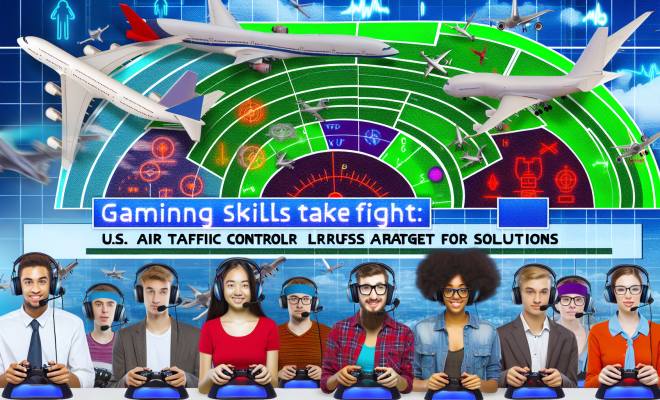
The U.S. Department of Transportation is taking an innovative approach to address a critical shortage of air traffic controllers by turning its sights on a surprising demographic: gamers. Recognizing the unique skills that many video game enthusiasts possess, the department is launching a recruitment campaign aimed at attracting young, tech-savvy individuals to consider a career in air traffic control.
The Growing Need for Air Traffic Controllers
As air travel continues to rebound following pandemic-related disruptions, the demand for air traffic controllers has risen dramatically. However, the profession is currently facing a significant workforce shortage. According to Transportation Secretary Sean Duffy, this crisis has prompted a reevaluation of traditional recruitment strategies.
Why Gamers?
The decision to target gamers is grounded in the recognition that they embody many of the traits essential for successful air traffic control. With over 200 million Americans engaging with video games regularly, the gaming community represents a vast pool of potential candidates. Gamers often demonstrate:
- Quick Thinking: The fast-paced nature of many games requires players to make rapid decisions, a skill that is crucial in air traffic control.
- Focus: Gamers are accustomed to maintaining concentration over extended periods, which is vital for monitoring multiple aircraft simultaneously.
- Complex Problem-Solving: Many games involve intricate scenarios that necessitate strategic planning and adaptability, mirroring the unpredictable nature of air traffic.
Duffy emphasized that the campaign aims to connect with a generation of individuals who may not have considered a career in aviation, especially those pursuing alternative career paths. Notably, only about 25 percent of current air traffic controllers possess traditional college degrees, indicating that skills and aptitude can often outweigh formal educational credentials in this field.
The Background of the Shortage
The air traffic controller shortage has been exacerbated by various factors, including a period when controllers were unpaid for 44 days due to government shutdowns. This situation not only strained the workforce but also led many experienced controllers to leave the profession, seeking more stable opportunities elsewhere.
In light of these challenges, the Department of Transportation is taking proactive steps to ensure that the air traffic control workforce is replenished with capable and motivated individuals. The recruitment campaign will utilize various platforms popular among gamers, including social media and gaming websites, to spread awareness and generate interest in air traffic control careers.
Engaging the Next Generation
As part of this initiative, the Department of Transportation intends to highlight the similarities between gaming and air traffic control through targeted messaging. By showcasing stories of current air traffic controllers who were once avid gamers themselves, the campaign aims to create relatable pathways for potential recruits.
This approach aligns with broader trends in workforce development, where employers are increasingly recognizing the value of non-traditional career backgrounds. By diversifying the candidate pool, the Department hopes to attract individuals who may possess unique insights and skills that traditional recruitment methods might overlook.
Future Prospects and Training
The recruitment of gamers into air traffic control is not just about filling vacancies; it also represents a shift in how the industry views skill acquisition and training. Current training programs for air traffic controllers are well-structured, focusing on both classroom learning and simulated environments that mimic real-world scenarios.
For gamers, the transition into air traffic control could be smoother than anticipated. Many of the cognitive abilities honed through gaming—such as spatial awareness, multitasking, and rapid data processing—are directly applicable to the demands of air traffic management.
Moreover, the Department of Transportation is committed to providing comprehensive support for new recruits, ensuring they receive the necessary training and mentorship to succeed in their roles. This support is crucial as the industry looks to stabilize and enhance air travel safety and efficiency.
Conclusion
As the U.S. grapples with a critical shortage of air traffic controllers, the innovative recruitment strategy targeting gamers represents a bold step towards revitalizing the workforce. By leveraging the skills inherent in the gaming community, the Department of Transportation is not only addressing immediate staffing needs but also reshaping the narrative around careers in aviation.
With a commitment to inclusivity and modern recruitment tactics, the campaign serves as a reminder that the future of air traffic control may well lie in the hands of those who have honed their skills in virtual worlds. As this initiative unfolds, it will be fascinating to see how the intersection of gaming and aviation shapes the next generation of air traffic controllers.



