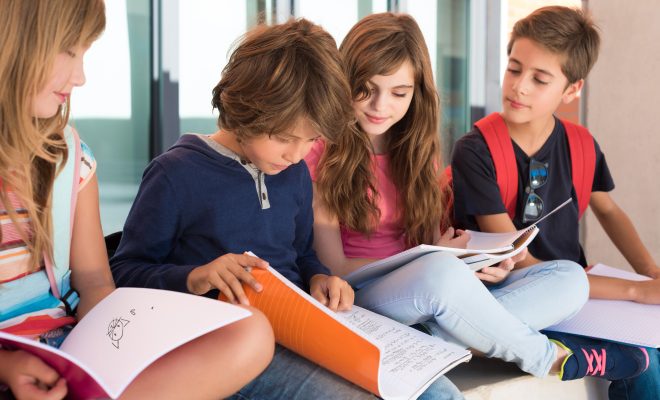
Fun Attention Grabbing Tips Classroom

Fun Attention Grabbing Tips: Engaging Students in the Classroom
Introduction: The Importance of Student Engagement
In the fast-paced world of education, capturing and maintaining students’ attention is a fundamental challenge faced by teachers. Engaging students not only facilitates better learning but also fosters a positive classroom environment. As the landscape of education evolves, so do the strategies designed to keep students actively participating in their learning experiences. This article explores a variety of fun and innovative attention-grabbing tips that educators can implement in the classroom to enhance student engagement.
Interactive Activities: Making Learning Hands-On
One effective way to grab students’ attention is through interactive activities that allow them to engage with the material in a hands-on manner. These activities can take many forms, from physical games to collaborative projects.
Group Work: Encouraging Collaboration Among Students
Group activities encourage students to work together, share ideas, and learn from one another. When students collaborate, they often feel more invested in the task at hand. For instance, consider organizing a group project where students must create a presentation on a specific topic. This not only promotes teamwork but also allows students to explore the subject matter in depth.
Classroom Games: Infusing Fun into Learning
Incorporating games into lessons can transform the classroom experience. Games can be tailored to any subject, whether it’s a math quiz in the form of a competition or a vocabulary game that involves acting out words. Using tools like Kahoot! or Quizizz can make quizzes exciting, as students compete for points in real-time.
Visual Aids: Enhancing Learning Through Imagery
Visual aids are another powerful tool for grabbing students’ attention. The human brain processes images much faster than text, making visuals an effective way to communicate information.
Infographics: Simplifying Complex Concepts
Creating infographics that summarize complex concepts can help students grasp challenging material quickly. Infographics can be displayed on classroom walls or distributed as handouts, serving as a quick reference for students.
Video Content: Captivating Interest with Multimedia
Incorporating video content into lessons can also enhance engagement. Short, relevant video clips can spark interest and provide context for the lesson. Platforms like YouTube offer a wealth of educational content that can complement traditional teaching methods.
Storytelling: Capturing Imagination Through Narratives
Storytelling is a timeless method of teaching that captivates students’ imaginations. By weaving lessons into compelling narratives, teachers can make even the most mundane subjects come alive.
Personal Anecdotes: Building Connections with Students
Sharing personal stories related to the lesson can create a connection with students. When they see their teacher as a relatable figure, they are more likely to engage with the content.
Student Stories: Encouraging Participation Through Sharing
Encouraging students to share their own stories related to the subject matter fosters a sense of ownership in the learning process. This can be done through class discussions or by assigning reflective writing tasks.
Technology Integration: Leveraging Digital Tools for Engagement
In today’s digital age, technology plays a crucial role in education. Integrating technology into the classroom can significantly enhance student engagement.
Interactive Whiteboards: Making Lessons Dynamic
Interactive whiteboards allow teachers to present lessons in a dynamic way. Teachers can incorporate multimedia elements, such as videos and interactive exercises, to keep students engaged.
Educational Apps: Enhancing Learning Experiences
Utilizing educational apps tailored to specific subjects can make learning more interactive. For example, apps like Google Classroom or Edmodo can facilitate collaboration and communication among students and teachers.
Movement Breaks: Rejuvenating Minds with Physical Activity
Incorporating movement breaks into the classroom can help re-energize students’ minds. Short, structured breaks allow students to stretch or engage in brief physical activities, which can improve focus and attention.
Brain Breaks: Quick Activities to Refresh Focus
Implementing brain breaks, such as quick games or stretching exercises, can help students reset their focus. These short activities can be particularly effective during long lessons or after intensive study sessions.
Classroom Environment: Creating a Stimulating Atmosphere
The physical environment of the classroom can also influence students’ attention levels. A well-organized and visually stimulating classroom can enhance engagement.
Flexible Seating: Encouraging Comfort and Collaboration
Providing students with flexible seating options can create a more inviting learning environment. Comfortable seating arrangements, such as bean bags or standing desks, can help students feel more at ease and focused.
Decorative Displays: Inspiring Learning through Visuals
Decorating the classroom with inspiring quotes, student work, and educational posters can create a stimulating atmosphere. Visual displays can serve as constant reminders of learning objectives and encourage creativity.
Positive Reinforcement: Motivating Students through Encouragement
Implementing a system of positive reinforcement can help maintain students’ interest and motivation. Recognizing students’ efforts and achievements can create a supportive learning environment.
Reward Systems: Encouraging Participation and Effort
Establishing reward systems, such as a points system for participation or a “star of the week” recognition, can motivate students to engage more actively in their learning.
Celebrating Achievements: Acknowledging Progress
Celebrating both individual and group achievements fosters a culture of positivity in the classroom. Whether it’s through a simple acknowledgment or a small celebration, recognizing students’ hard work can boost morale and engagement.Creative Assignments: Encouraging Out-of-the-Box Thinking
Assignments don’t have to be traditional essays or reports. Creative assignments can inspire students to think critically and engage deeply with the material. For instance, instead of a standard book report, students might create a multimedia presentation or a video blog summarizing the themes and messages of the book. This format not only caters to different learning styles but also allows students to express their understanding in innovative ways.
Role-Playing: Experiencing Learning Through Action
Role-playing can be an effective strategy to make history or literature come alive. By having students act out historical events or scenes from a book, they can gain a deeper understanding of the context and emotions involved. For example, in a history class, students could reenact a pivotal moment, such as a key debate or treaty signing, allowing them to immerse themselves in the subject matter and see it from various perspectives.
Peer Teaching: Empowering Students as Educators
Peer teaching is another strategy that can greatly enhance engagement. When students teach their peers, they not only reinforce their own understanding but also build confidence in their abilities. Assigning students to small groups where they must teach a specific concept or skill allows them to take ownership of their learning. This not only makes the learning process more interactive but also helps to build a collaborative classroom culture.
Gamification: Adding Game Elements to Learning
Gamification involves incorporating game-like elements into lessons to motivate students. This approach can include point systems, badges for achievements, or friendly competitions. For example, a teacher might set up a “learning leaderboard” where students earn points for completing assignments, participating in discussions, or helping classmates. Such elements not only make learning fun but also encourage healthy competition, which can drive student engagement.
Mindfulness Activities: Promoting Focus and Clarity
Incorporating mindfulness activities into the classroom can help students develop better focus and emotional regulation. Simple practices like deep breathing exercises or guided visualizations can create a calm atmosphere, making it easier for students to concentrate on learning. Mindfulness breaks can be particularly effective before starting a challenging lesson, helping students clear their minds and prepare for cognitive tasks.
Student Choice: Fostering Autonomy in Learning
Providing students with choices in their learning can significantly increase their engagement. When students have a say in their assignments or the topics they want to explore, they are more likely to feel invested in their education. Teachers might offer different project formats (like videos, art projects, or research papers) or allow students to choose their reading materials from a curated list. This autonomy helps students feel respected and valued, which can enhance motivation.
Real-World Connections: Making Learning Relevant
Establishing connections between classroom learning and real-world applications can capture students’ interest. When students see how lessons relate to their lives or future careers, they are more likely to engage with the content. Teachers can invite guest speakers, organize field trips, or incorporate current events into discussions. For example, a science class might explore environmental issues by studying local ecosystems and then engage in a community project to improve them.
Curriculum Integration: Blending Subjects for Comprehensive Learning
Integrating multiple subjects into a single project can create a more holistic learning experience. For instance, a project that combines art, history, and writing might involve students creating a historical mural that tells a story. This approach not only deepens understanding but also allows students to see the interconnectedness of different fields of study, making learning more meaningful and engaging.
Feedback Loops: Encouraging Continuous Improvement
Establishing regular feedback loops can greatly enhance student engagement. Providing timely and constructive feedback not only helps students understand their progress but also encourages them to take an active role in their learning. Incorporating peer feedback sessions where students review each other’s work fosters a collaborative environment and allows them to learn from one another.
Community Building: Fostering Relationships Among Students
Building a strong sense of community in the classroom can enhance engagement. Activities that promote team-building, such as icebreakers or collaborative projects, help students feel more connected to one another. When students build relationships, they are more likely to participate actively in discussions and support each other’s learning journeys.
Inclusive Practices: Engaging Every Learner
Implementing inclusive teaching practices ensures that all students feel valued and engaged in the classroom. Tailoring lessons to accommodate diverse learning needs can make a significant difference. This can involve differentiated instruction, where tasks are adjusted based on students’ abilities, or employing various teaching methods to reach different learners. For example, visual learners might benefit from diagrams, while auditory learners might thrive with discussions or lectures.
Celebration of Culture: Enriching Learning Through Diversity
Celebrating the diverse cultures represented in the classroom can significantly enhance student engagement. Recognizing cultural events, traditions, and perspectives can create a richer learning environment. Teachers might invite students to share their cultural backgrounds, leading to discussions that broaden everyone’s understanding and appreciation of different viewpoints. This not only enriches the curriculum but also fosters a sense of belonging among students.
By integrating these attention-grabbing strategies into their teaching, educators can create a dynamic classroom environment that not only captures students’ interest but also promotes deeper learning and collaboration. The key is to remain flexible and responsive to students’ needs, adjusting strategies as necessary to keep engagement levels high.Conclusion: Engaging Strategies for a Dynamic Classroom
Incorporating fun and attention-grabbing strategies in the classroom not only enhances student engagement but also fosters a positive learning environment. By utilizing interactive activities, technology, and inclusive practices, teachers can create a vibrant educational experience that resonates with every student. Ultimately, these approaches help cultivate a love for learning that extends beyond the classroom walls.