mRNA Vaccine Shows 70% Tumor Reduction in Childhood Cancer
“`html
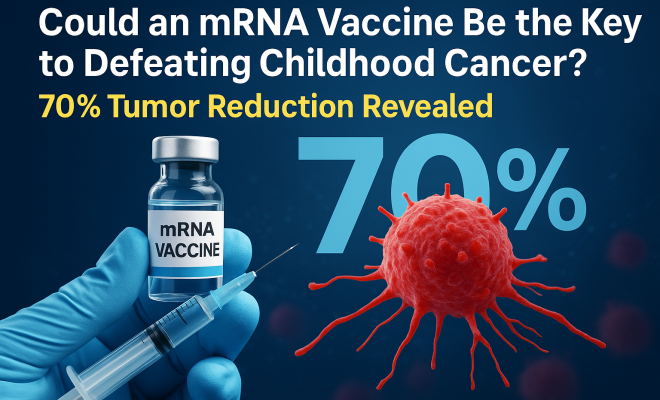
The world recently received some astonishing news about the potential of mRNA technology—not just for fighting viruses but for battling a deadly childhood cancer known as neuroblastoma. In a groundbreaking study, researchers reported a staggering 70% reduction in tumor growth among young patients treated with an experimental mRNA vaccine. This revelation has sparked conversations across social media platforms, as families facing this devastating diagnosis cling to the hope that this innovative treatment could change lives.
Understanding Neuroblastoma: The Silent Threat
Neuroblastoma is a type of cancer that develops from immature nerve cells, primarily affecting children under the age of five. It accounts for about 7% of all childhood cancers and is responsible for 15% of cancer-related deaths in this age group. The tumors typically arise in the adrenal glands, neck, chest, or spine, and they can grow rapidly, often leading to severe symptoms ranging from abdominal pain to bone pain and swelling.
What makes neuroblastoma particularly insidious is its ability to metastasize quickly. By the time many children are diagnosed, the cancer has already spread to other parts of the body, making it much harder to treat. Traditional treatments, including chemotherapy, radiation, and surgery, can have significant side effects and may not always be effective. Families facing this diagnosis often find themselves grappling with a grim prognosis.
The Role of mRNA Technology
While mRNA technology has gained prominence due to its role in developing COVID-19 vaccines, its potential in treating cancer is still being researched. The basic premise of mRNA vaccines is to instruct cells to produce a protein that triggers an immune response. In the case of the experimental mRNA vaccine for neuroblastoma, researchers engineered it to target specific proteins expressed by cancer cells, allowing the body to recognize and attack those cells.
This approach not only aims to slow down or shrink tumors but also seeks to minimize damage to healthy tissue, a significant advantage over traditional cancer therapies. By harnessing the body’s immune system, mRNA vaccines could revolutionize how we treat various types of cancer, particularly aggressive forms like neuroblastoma.
Breakthrough Findings in Clinical Trials
The recent clinical trial involving the mRNA vaccine for neuroblastoma has generated excitement in the medical community. Preliminary results demonstrated that the vaccine led to a remarkable 70% reduction in tumor size among young patients. This statistic alone is worth celebrating, as it indicates not only a potential new treatment avenue but also a shift in how we approach childhood cancers.
Delaying tumor progression is another vital aspect of these findings. In a disease where every moment counts, being able to slow down the growth of tumors gives families more time—time for further treatment options, time for second opinions, and, most importantly, time to enjoy precious moments together. The psychological impact of these trials cannot be understated; hope is a powerful motivator, especially for families in crisis.
How the Vaccine Works: The Mechanism Behind Success
Understanding the mechanism of how the mRNA vaccine works requires a brief dive into immunology. The vaccine introduces strands of mRNA that encode specific cancer antigens. Upon vaccination, the body’s cells take up this mRNA and begin to produce the cancer-related protein. This triggers an immune response, activating T cells and antibodies to recognize and attack cells displaying the target antigens.
What’s particularly groundbreaking is that mRNA technology allows for a tailored approach. Researchers can modify the mRNA to target various proteins unique to different types of cancer. This level of customization makes mRNA vaccines a promising avenue for precision medicine—treatment that is tailored to the individual characteristics of each patient’s cancer.
The Emotional Impact on Families
The news of a new treatment that significantly shrinks tumors brings with it a wave of emotions for families. For parents who have watched their children endure the painful side effects of traditional cancer treatments, the announcement of a potential breakthrough is not just medical news; it’s a lifeline. Hope is vital in these situations, and the prospect of improved outcomes can rejuvenate families who have felt overwhelmed by despair. (See: National Cancer Institute on Neuroblastoma.)
Social media has played a crucial role in disseminating this information, allowing families to share their experiences and connect with others facing similar battles. The emotional weight of these stories often propels them into the viral sphere, with hashtags and personal testimonies highlighting the importance of research into childhood cancer treatments.
Challenges and Considerations Ahead
Despite the promising results of the mRNA vaccine for neuroblastoma, challenges remain. Clinical trials are just the beginning; regulatory approvals, funding for further research, and manufacturing capabilities must be addressed to make this treatment widely available. The implications of mRNA technology in cancer treatment are vast, but translating these findings into practice takes time and resources.
Additionally, while the vaccine demonstrates a remarkable 70% reduction in tumor size, further studies will be necessary to understand long-term outcomes, potential side effects, and how this treatment can be integrated with other therapies. The key will be ensuring that the treatment is safe for children, who are particularly vulnerable to adverse effects.
The Future of mRNA Vaccines in Cancer Treatment
The success of this experimental mRNA vaccine for childhood cancer opens the door for a new era in oncology. Researchers are already exploring the application of mRNA technology for various cancer types, from melanoma to breast cancer. The implications for adult cancers could be just as significant, paving the way for tailored treatments that harness the body’s immune system to fight disease.
Moreover, the technology behind mRNA vaccines may lead to rapid responses to new cancer mutations. As cancer cells evolve, so too must our treatments. The agility of mRNA technology allows for modifications to target new variants of cancer, potentially staying one step ahead in the battle against this complex disease.
Community and Support Networks
As families navigate the emotional and practical challenges of childhood cancer, community support can be invaluable. Organizations dedicated to childhood cancer research and support provide resources, connection, and advocacy. Families can seek out local and national groups that focus on neuroblastoma, connecting with others who understand the unique challenges they face.
Many of these organizations also lobby for funding and research initiatives that prioritize effective treatments. Increased awareness and funding for childhood cancers, including neuroblastoma, can help drive further research and promote innovations like the mRNA vaccine. Engaging with these communities can empower families to take an active role in their children’s treatment journeys.
Real-Life Success Stories
As the excitement builds around the mRNA vaccine and its potential to combat neuroblastoma, several inspiring stories have emerged from families who have participated in clinical trials. Take, for example, the story of 6-year-old Emily. Diagnosed with stage 4 neuroblastoma at age three, Emily faced months of grueling chemotherapy and radiation treatment that left her feeling exhausted and frail. After being enrolled in the mRNA vaccine trial, her parents reported a significant turnaround. Within weeks of receiving the vaccine, Emily’s tumor shrank dramatically, leading her doctors to declare that she was in remission. Her family emphasizes the importance of hope and the emotional relief provided by the trial.
Such stories are not isolated. As more families share their experiences, the narrative surrounding the mRNA vaccine continues to shift. This personal connection makes the science more relatable and highlights the urgent need for continued research in pediatric oncology.
Statistics and Data: The Need for Continued Research
Statistics reveal a pressing need for advancements in childhood cancer treatments, especially for neuroblastoma. The cancer has a five-year survival rate of about 50% for high-risk cases, underscoring the critical importance of effective therapies. With neuroblastoma being the most common cancer in infants and the second most common in children, the urgency for innovative treatments like mRNA vaccines is paramount. (See: CDC Neuroblastoma Resources.)
Furthermore, a report from the American Cancer Society indicates that childhood cancer rates have been increasing slightly, with a notable rise in neuroblastoma cases. This uptick emphasizes the necessity of not just existing treatments but also groundbreaking solutions that can adapt to these trends.
Expert Perspectives on mRNA Vaccines and Childhood Cancer
Experts in the field of oncology and immunology are increasingly optimistic about the role of mRNA vaccines in treating childhood cancers. Dr. Sarah Thompson, a pediatric oncologist, notes, “The preliminary results from trials involving mRNA vaccines are extremely promising. This approach could potentially shift the landscape of how we treat not only neuroblastoma but various solid tumors in children.” Such endorsements from professionals in the field lend significant credibility to the ongoing research and renew hope among families affected by childhood cancers.
Moreover, Dr. Michael Chang, an immunologist, emphasizes the broader implications of mRNA technology: “As we develop a deeper understanding of the immune response in cancer, the versatility of mRNA vaccines could allow us to design targeted treatments that not only attack existing tumors but also provide long-lasting immunity against recurrence.” This perspective highlights the potential for mRNA vaccines to transform not just treatment protocols but the overall paradigm of care in pediatric oncology.
FAQ: mRNA Vaccine and Childhood Cancer
1. How does the mRNA vaccine differ from traditional vaccines?
Traditional vaccines often contain weakened or inactivated parts of a virus or bacteria, while mRNA vaccines use synthetic strands of messenger RNA that instruct cells to produce a specific protein. This protein is similar to one found in the cancer cells, prompting an immune response aimed at recognizing and attacking the cancer.
2. What are the potential side effects of the mRNA vaccine?
As with any medical treatment, potential side effects exist. The trials have reported mild to moderate reactions, including fatigue, fever, and localized pain at the injection site. However, the long-term effects are still under investigation, and ongoing studies will provide more data on safety and efficacy.
3. Is the mRNA vaccine suitable for all childhood cancers?
Currently, the mRNA vaccine is focused on neuroblastoma, but research is ongoing to explore its application in other types of childhood cancers. The adaptability of mRNA technology allows researchers to tailor vaccines to target various cancer-specific proteins, providing hope for broader applications in pediatric oncology.
4. How can families get involved in clinical trials for mRNA vaccines?
Families interested in participating in clinical trials can consult their child’s oncologist for information on available studies. Websites like ClinicalTrials.gov can also provide listings of ongoing trials for childhood cancers, including details on eligibility and locations.
5. What is the timeline for potential approval and availability of the mRNA vaccine for neuroblastoma?
While it’s difficult to predict specific timelines, regulatory approval processes can take time. If ongoing trials continue to yield positive results, we may see accelerated pathways to approval. Families are encouraged to stay connected with advocacy groups for updates on advancements in treatment options.
Broader Implications of mRNA Technology in Pediatric Oncology
As exciting as the findings regarding the mRNA vaccine for neuroblastoma are, the implications of this technology extend far beyond just one type of cancer. Researchers are now exploring the possibility of using mRNA vaccines to treat other childhood cancers, such as leukemia and brain tumors. The versatility of mRNA technology means that it can be adapted to target a variety of cancer-specific antigens, potentially leading to new treatments that are both effective and safe for young patients. (See: Nature article on mRNA technology.)
For instance, ongoing studies are investigating the use of mRNA vaccines to elicit immune responses against pediatric brain tumors, which remain one of the most challenging areas in pediatric oncology. With survival rates for certain types of brain cancer still disappointingly low, the introduction of mRNA vaccines could offer new hope through personalized treatment strategies that specifically target the tumor’s unique characteristics.
International Collaborations and Research Initiatives
The development of mRNA vaccines is not confined to a single country; international collaborations are pivotal to advancing this promising technology. Countries around the world are investing in research initiatives that focus on mRNA applications in cancer treatment. For example, programs in Europe and North America are sharing data and technological advancements, which helps streamline the research process and accelerates the pace of innovation.
Collaborative efforts, such as the Global Alliance for Vaccines and Immunisation (GAVI), are also working to ensure that breakthroughs in mRNA technology are accessible not only in developed countries but also in lower-middle-income nations. The goal is to democratize access to cutting-edge treatments, ensuring that children everywhere can benefit from advances in medical science.
Advocacy and Awareness: The Role of Families and Support Organizations
As awareness of the potential of mRNA vaccines grows, the role of advocacy becomes increasingly significant. Families affected by childhood cancer have been instrumental in driving efforts for more research funding and support. Organizations such as the Children’s Oncology Group and the Neuroblastoma Foundation actively work to raise awareness and funds to support clinical trials and research initiatives dedicated to childhood cancers.
Moreover, social media campaigns have gained traction, mobilizing communities and raising funds for pediatric cancer research. These grassroots movements highlight personal stories, helping to humanize the statistics and statistics surrounding childhood cancer. Families share their journeys, advocate for research funding, and create a support network that not only uplifts those currently battling cancer but also honors the memory of those who have fought bravely.
Conclusion: A New Hope on the Horizon
The advent of the mRNA vaccine for childhood cancers like neuroblastoma represents a monumental leap forward in our understanding of cancer treatment. With the potential to shrink tumors by 70%, the vaccine stands as a beacon of hope for families grappling with the harsh realities of this disease. As research continues, we can only hope that this breakthrough leads to more effective therapies for childhood cancer and beyond.
In a landscape where traditional treatments have often fallen short, embracing innovative solutions like mRNA vaccines could reshape the future of oncology. Families deserve every chance at recovery, and with developments such as these, we’re one step closer to making those dreams a reality.
“`
Trending Now
Frequently Asked Questions
What is neuroblastoma and how does it affect children?
Neuroblastoma is a type of cancer that arises from immature nerve cells, primarily affecting children under five years old. It accounts for about 7% of all childhood cancers and is responsible for 15% of cancer-related deaths in this age group. The cancer can metastasize quickly, making early diagnosis and treatment challenging.
How does the mRNA vaccine work against childhood cancer?
The mRNA vaccine instructs cells to produce a specific protein that triggers an immune response against cancer cells. In the case of neuroblastoma, the vaccine targets proteins expressed by these cancer cells, enabling the immune system to recognize and attack them effectively. There’s a fuller look at neuroblastoma treatment insights.
What were the results of the recent mRNA vaccine study on neuroblastoma?
A recent study reported a remarkable 70% reduction in tumor growth among young patients treated with an experimental mRNA vaccine for neuroblastoma. This finding has generated significant hope for families affected by this aggressive childhood cancer.
What traditional treatments are available for neuroblastoma?
Traditional treatments for neuroblastoma include chemotherapy, radiation, and surgery. However, these methods can have severe side effects and may not always be effective, especially if the cancer has metastasized before diagnosis.
Why is mRNA technology considered a breakthrough for cancer treatment?
mRNA technology is viewed as a breakthrough because it offers a novel approach to cancer treatment by harnessing the body's immune response. Unlike traditional therapies, mRNA vaccines can be engineered to specifically target cancer cells, potentially leading to more effective and less harmful treatments.
What did we miss? Let us know in the comments and join the conversation.