Top 10 Fidget Toys for Enhanced Focus & Stress Relief
“`html
In today’s fast-paced world, maintaining focus can be a daunting task, especially with the myriad of distractions vying for our attention. For many, fidget toys have emerged as an effective tool to enhance concentration and manage stress. Whether you’re a student, a professional, or someone just trying to navigate daily distractions, finding the best fidget toys can significantly impact your ability to focus. Let’s explore the top 10 fidget toys that promote concentration and help you stay on task.
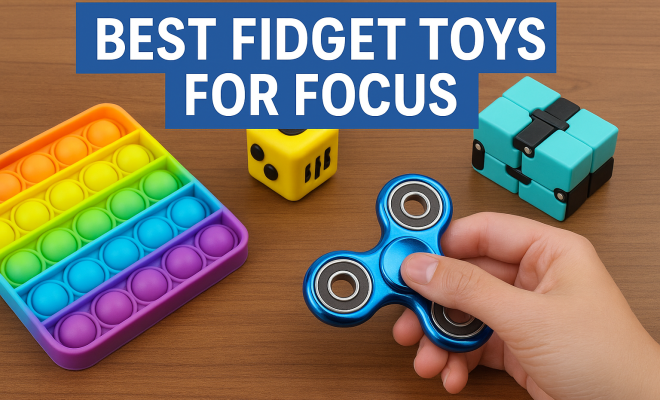
1. Fidget Spinner: The Classic Choice
The fidget spinner took the world by storm in 2017, and for good reason. These small, handheld devices consist of a ball bearing in the center and three prongs that you can spin between your fingers. The beauty of the fidget spinner lies in its simplicity. As you spin, it provides a soothing, repetitive motion that can help redirect restless energy.
Many users report that fidget spinners help them concentrate better during meetings or while studying. Whether you’re waiting for your turn during a tedious presentation or trying to focus on complex material, the spinner can keep your hands busy and your mind clear. The fidget spinner is also portable, making it easy to bring along wherever you go.
2. Stress Balls: Squeeze Away Tension
Stress balls are among the most popular fidget toys designed to promote relaxation and relieve stress. These squishy, malleable balls are available in various materials and designs, including foam, gel, and even scented options. Squeezing a stress ball can increase blood flow to the hands and reduce muscle tension, leading to a calmer state of mind.
Research indicates that engaging in activities like squeezing a stress ball can help enhance focus by channeling nervous energy into a physical activity. This is especially beneficial during long study sessions or workdays when stress levels may be high. Moreover, stress balls are an excellent option for those who prefer tactile stimulation without causing disruption in a quiet environment.
3. Fidget Cube: Multi-Sensory Engagement
The fidget cube is a versatile fidget toy packed with various tactile activities on each side. From clicking buttons to rolling a ball, the cube offers multiple ways to interact and engage your fingers. This variety allows users to switch between actions, keeping boredom at bay and focus maintained.
Fidget cubes are particularly beneficial for individuals who may struggle with attention disorders, as they provide an outlet for excess energy without drawing attention. Whether you’re in a classroom or a meeting, the discreet design of the fidget cube allows for use without disturbing others, making it a top choice among office workers and students alike.
4. Infinity Cube: Endless Focus
The infinity cube is an intriguing fidget toy that captivates users with its continuous folding and unfolding motion. Made of smaller cubes connected by hinges, it allows for a seamless flow of movement that can be mesmerizing. The repetitive motion can help clear your mind and improve focus, allowing you to concentrate on the task at hand. We covered classroom-friendly options in more detail.
This fidget toy is particularly effective for visual and kinesthetic learners. The tactile and visual feedback it provides can enhance cognitive engagement, making it a perfect companion for studying or brainstorming sessions. Plus, its compact size means you can take it anywhere, providing an outlet for fidgeting during long periods of sitting.
5. Magnetic Balls: Creativity Meets Focus
Magnetic balls, often referred to as magnetic desk toys, consist of small spheres that can be manipulated into various shapes and structures. This unique fidget toy not only serves the purpose of fidgeting but also encourages creativity and strategic thinking. Users can form intricate designs, which can be satisfying and mentally stimulating.
While playing with magnetic balls, you’re likely to find that your mind drifts less toward distractions. The act of focusing on the shapes you’re creating can provide a mental break from mundane tasks, rejuvenating your focus. As such, they are excellent for creative professionals looking for a fresh perspective while working on projects.
6. Chewable Jewelry: Taste Your Focus
Chewable jewelry is specifically designed for those who engage in oral fidgeting, such as chewing or biting objects when concentrating. Made from safe, non-toxic materials, these items provide a discreet way to manage sensory needs without drawing unwanted attention. They come in various designs, from bracelets to necklaces, making them easy to wear throughout the day.
For individuals with sensory processing disorders or those who simply find that chewing helps them concentrate, chewable jewelry can be a game-changer. By providing an appropriate outlet for oral fidgeting, users can redirect their focus back to their tasks without the stigma of more traditional fidget toys. (See: Fidget toys and their benefits.)
7. Spinner Rings: Subtle and Stylish
Spinner rings, also known as worry rings, combine fashion with functionality. These rings feature a stationary band with an outer band that spins around it. The act of spinning the ring is not only calming but also serves as a fidgeting tool that can enhance concentration.
Wearing a spinner ring is ideal for situations where traditional fidget toys may be inappropriate, such as in professional settings or social gatherings. Users can discreetly fidget while maintaining a polished appearance. Plus, it’s a simple way to manage anxiety in high-stress environments, allowing for a quick mental reset when you need it most.
8. Pencil Toppers: Fidget While You Write
Pencil toppers designed for fidgeting can transform an ordinary writing instrument into a tool for focus. These fun, often colorful toppers can provide texture and movement, allowing users to fidget while taking notes or completing assignments. They’re especially helpful for students who might struggle with keeping their hands still during lessons.
Using pencil toppers can help bridge the gap between fidgeting and productivity. Instead of distracting from the task at hand, they integrate fidgeting into the learning process, making it easier for students to maintain focus during long periods of writing or studying. Plus, they’re a fun addition to school supplies that students will love!
9. Tangle Toys: Twisted Focus
Tangle toys are unique fidget tools made of interconnected segments that can twist and turn in various directions. This design allows for a tactile experience that engages users in a fun, hands-on manner. Tangles can be particularly effective for those who enjoy a more complex fidgeting experience.
Engaging with a tangle toy can help direct energy away from distractions and into a more productive outlet. Studies suggest that the act of handling a tangle can stimulate the brain’s focus mechanisms, enhancing cognitive performance during tasks that require deep concentration. This makes them an ideal choice for those in high-focus environments, such as libraries or study groups.
10. Putty and Slime: Squeeze and Stretch
Putty and slime have gained popularity as fun, squishy fidget toys that offer a satisfying sensory experience. Users can stretch, mold, and manipulate the material, which can be incredibly soothing and invigorating. The tactile nature of putty and slime provides an excellent outlet for stress relief and focus enhancement.
The repetitive motions of squeezing and stretching can help calm anxious thoughts, allowing users to redirect their focus back to their work or studies. In addition, many brands offer putty and slime with different textures and resistance, catering to various sensory preferences. It’s a marvelous way to engage your hands while keeping your mind sharp.
Why Fidget Toys Work for Focus
Understanding why fidget toys can enhance focus is crucial for choosing the right one for your needs. Fidget toys work by engaging your hands, which in turn helps to calm your mind. When your hands are busy, your brain can focus on the task at hand without being distracted by external stimuli or internal worries.
Neuroscience supports this notion. Studies have shown that small movements can lead to greater cognitive engagement, especially for individuals with attention disorders. Fidget toys provide a physical outlet, reducing anxiety and restlessness, which can ultimately improve concentration levels. With the right fidget toy, you can harness your energy productively, transforming your focus and productivity. insightful guide from Drmattlynch offers useful background here.
Choosing the Best Fidget Toys for You
When selecting the best fidget toys for focus, consider your personal preferences and the environments in which you’ll be using them. Some toys are more discreet and suitable for professional settings, while others might be better for home or study use. Pay attention to the sensory aspects that resonate with you – whether you prefer tactile sensations, visual stimulation, or oral fidgeting.
It’s also important to note that not all fidget toys are created equal. Some individuals may find certain designs distracting rather than helpful. Experimenting with a few options can help you discover which fidget toys work best for your unique needs. You might even find that your preferences change depending on the context, so keep an open mind!
Fidget Toys in Different Environments
Fidget toys can be particularly useful in various settings, and understanding how to use them appropriately can enhance the overall experience. Here’s a closer look at how different environments can shape the selection and use of fidget toys:
In the Classroom
For students, the classroom is often a challenging environment. Long lectures can lead to boredom and restlessness. Fidget toys like stress balls, fidget cubes, or pencil toppers can allow students to manage their energy without disrupting the learning environment. Teachers can even integrate fidget toys into their teaching by allowing students to use them during specific activities, which can help maintain engagement and focus.
At Work
In professional settings, maintaining a polished appearance while managing stress can be tricky. Spinner rings and discreet fidget cubes are excellent choices for the office. These tools can help manage workplace anxiety while still allowing you to appear focused during meetings or discussions. Research indicates that the use of fidget toys in office environments can reduce stress levels and improve overall job satisfaction. (See: Coping with stress and focus.)
At Home
At home, the situation might be more relaxed, allowing for a wider variety of fidget toys. Putty, slime, and larger fidget tools can provide a more tactile experience that encourages creativity and stress relief. Engaging with these toys can be an excellent way to unwind after a long day, helping to transition from work mode to relaxation mode.
Benefits of Using Fidget Toys
Fidget toys are not just trending items; they come with numerous benefits that can support mental health and productivity. Here’s a breakdown of some notable advantages of incorporating fidget toys into your daily routine:
Improved Focus and Concentration
As previously mentioned, fidget toys can help redirect restless energy. Engaging in repetitive motions can create a calming effect that allows individuals to better focus on tasks. This is particularly beneficial for students and professionals who need to concentrate on complex material or long-term projects. See also fidget devices for students.
Stress and Anxiety Reduction
Fidget toys provide a fantastic outlet for managing anxiety. The physical act of fidgeting can help release pent-up nervous energy, alleviating feelings of stress and leading to a more relaxed state. This benefit can be particularly helpful for those who experience anxiety in social situations or high-pressure environments.
Enhanced Creativity
Many people find that using fidget toys can spur creativity. By allowing your hands to engage in creative movements, your mind can wander freely, leading to new ideas and innovative thoughts. This is particularly beneficial for artists, writers, and anyone looking to brainstorm fresh concepts.
Common Misconceptions About Fidget Toys
Despite their growing popularity, there are several misconceptions about fidget toys that might prevent individuals from utilizing them effectively. Let’s dispel some of the common myths:
Myth: Fidget Toys Are Only for Kids
While fidget toys are often associated with children, they are equally beneficial for adults. Many professionals and students utilize these tools to enhance focus and reduce anxiety. Fidget toys can be effective for anyone looking to manage their stress levels or improve concentration, regardless of age.
Myth: Fidget Toys Are Distracting
Some people believe that fidget toys can be more of a distraction than a help. However, when used appropriately, these tools can enhance focus rather than detract from it. The key lies in choosing the right toy for your needs and using it in a way that complements your tasks.
Myth: Fidget Toys Are Just a Trend
While fidget toys have gained popularity in recent years, their effectiveness is backed by research. Studies show that fidgeting can promote better focus, reduce stress, and support mental well-being. They are far from just a fad; they serve a genuine purpose in enhancing productivity and concentration.
Frequently Asked Questions About Fidget Toys
1. Can anyone use fidget toys?
Absolutely! Fidget toys can benefit anyone looking to manage stress, improve focus, or redirect restless energy. They are particularly helpful for individuals with attention disorders but are suitable for all ages and backgrounds.
2. Are fidget toys suitable for use in public places?
Many fidget toys are designed for discreet use, making them appropriate for public settings. Spinner rings, fidget cubes, and other subtle options can be used without drawing unwanted attention.
3. How do I choose the right fidget toy for me?
Consider your personal preferences, such as the sensory experience you enjoy (tactile, visual, or oral) and the environments where you will use the toy. Experimenting with different toys can help you find the right fit. There’s a fuller look at creative stress ball ideas.
4. Can fidget toys help with anxiety?
Yes! Fidget toys can provide a physical outlet for anxiety and stress, helping to calm the mind and promote relaxation. Many users report feeling more at ease when using fidget toys during stressful situations.
5. Are there any downsides to using fidget toys?
While most people find fidget toys beneficial, they can be distracting for some individuals, especially if the toy is too noisy or disruptive. It’s essential to choose a toy that suits your environment and personal needs.
6. Can fidget toys be used in therapy?
Yes, many therapists incorporate fidget toys into their sessions, especially when working with children or individuals with sensory processing issues. These toys can help clients express themselves and manage their anxiety while discussing difficult topics.
7. Are there fidget toys specifically designed for adults?
Absolutely! Many fidget toys are designed with adults in mind, featuring more discreet options like spinner rings and fidget cubes that blend seamlessly into professional settings without drawing attention.
8. How do I clean my fidget toys?
Cleaning methods vary depending on the material of the fidget toy. Most plastic fidget toys can be wiped down with a disinfectant cloth or washed with soap and water. For fabric items, check for machine-washable labels.
9. How can I encourage my child to use fidget toys effectively?
Start by discussing the benefits of fidget toys with your child. Encourage them to use the toy during specific tasks, such as homework or studying. Setting clear guidelines on when and where to use the toys can help them stay focused.
10. Are there fidget toys that can improve dexterity?
Yes! Many fidget toys, like Tangle toys and magnetic balls, require fine motor skills and can help improve dexterity over time. These toys offer not just fidgeting opportunities but also help in the development of hand-eye coordination and agility.
In a world filled with distractions, finding effective ways to maintain focus is essential. The best fidget toys not only provide a fun way to engage your hands but also serve as valuable tools for improving concentration and productivity. By exploring the top ten fidget toys listed above, you can discover the perfect companions to help you stay focused and achieve your goals.
Additional Tips for Using Fidget Toys
To get the most out of your fidget toys, consider these additional tips:
- Know Your Limits: Understand when to use fidget toys effectively and when they might become a distraction. If you find yourself relying on your fidget toy during crucial moments, it might be time to switch to another method of focus.
- Incorporate Breaks: Use fidget toys during short breaks to recharge your mental energy. This can refresh your focus when you return to your tasks.
- Combine with Mindfulness: Pair fidgeting with mindfulness techniques, such as deep breathing or meditation, to enhance your focus and reduce stress.
With these strategies in hand, you can harness the power of fidget toys to boost your focus and well-being.
“`
Trending Now
Frequently Asked Questions
What are the best fidget toys for focus?
Some of the best fidget toys for focus include fidget spinners, stress balls, and fidget cubes. These toys help channel restless energy, reduce stress, and enhance concentration, making them ideal for students and professionals alike.
How do fidget toys help with concentration?
Fidget toys help with concentration by providing a physical outlet for nervous energy, allowing users to focus better on tasks. Activities like spinning a fidget spinner or squeezing a stress ball can improve blood flow and reduce muscle tension, leading to enhanced focus.
Are stress balls effective for anxiety?
Yes, stress balls are effective for managing anxiety. They allow users to release tension through squeezing, which can promote relaxation and a calmer state of mind, making them a popular choice during stressful situations.
Can fidget toys improve productivity?
Fidget toys can improve productivity by helping individuals maintain focus and reduce distractions. Engaging in fidgeting activities can enhance concentration during tasks, leading to more efficient work and study sessions.
What types of fidget toys are there?
There are various types of fidget toys, including fidget spinners, stress balls, fidget cubes, and sensory rings. Each type offers different sensory experiences and benefits, catering to different preferences for tactile stimulation.
Have you experienced this yourself? We'd love to hear your story in the comments.