Blocked Galaxy Discovery Challenges Galactic Evolution Theories
“`html
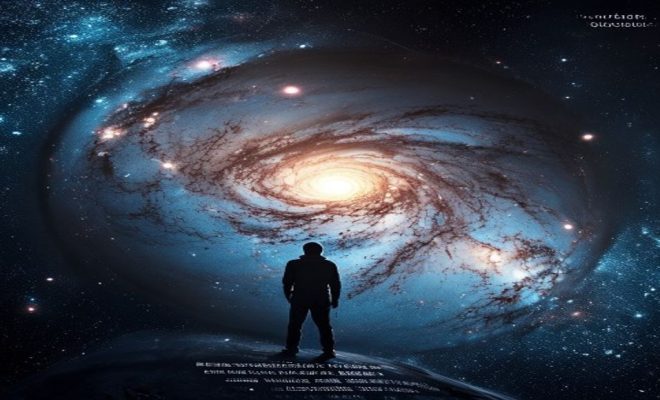
Astronomers are buzzing with excitement over a recent discovery that challenges long-held beliefs about the life cycles of galaxies. Hidden behind a dense cloud of cosmic dust, researchers have identified a ‘one-of-a-kind’ galaxy that abruptly halted star formation nearly 9 billion years ago. This finding not only highlights the complex nature of galactic evolution but also reshapes our understanding of cosmic history during one of the universe’s most active periods. With improved imaging techniques, astronomers have peered through this obscuring dust, allowing for a groundbreaking revelation about a galaxy that seems to have made an early exit from the star-making scene.
1. The Discovery of a Blocked Galaxy
This unique galaxy, which remains unnamed, was discovered using advanced imaging technologies that can penetrate the thick layers of cosmic dust. Traditionally, such dust can mask the light emitted from galaxies, making them nearly invisible to conventional telescopes. The breakthrough came as astronomers applied new observational methods that revealed the galaxy’s dormant state.
The galaxy’s cessation of star formation roughly 9 billion years ago raises many questions. Why would a galaxy stop creating stars during a peak era of cosmic activity? What implications does this have on our understanding of galactic formation and evolution? As scientists delve deeper into these questions, they are beginning to piece together a more comprehensive picture of early galaxies.
2. Understanding Cosmic Dust
Cosmic dust plays a significant role in the life of galaxies, acting as both a shield and a canvas for star formation. While dust is a common element of the universe, its thickness varies greatly. In this case, the dust cloud surrounding the blocked galaxy was dense enough to obscure its light, effectively hiding it from astronomers’ view for nearly a billion years. This discovery emphasizes the importance of improved imaging techniques that can penetrate such barriers.
These dust clouds are often composed of tiny particles formed during the deaths of stars, and they can absorb and scatter light, making it challenging for astronomers to obtain clear images. The new techniques developed to analyze this galaxy have opened doors to investigating other obscured celestial objects, suggesting that many more hidden treasures await discovery.
3. A Unique Class of Galaxies
The blocked galaxy belongs to a rare class of distant galaxies that have ceased star formation at an early stage. Most galaxies continue to form stars well into their life cycles, leading to a vibrant display of celestial activity. However, this particular galaxy’s early cessation of star formation is puzzling and prompts scientists to reconsider their theories about how galaxies evolve.
Typically, galaxies grow more massive and complex over time, integrating gas and dust to fuel new star formation. The fact that this galaxy stopped creating stars during a period known as the “cosmic noon,” when star formation was at its peak, raises important questions about the environmental and intrinsic factors that can influence a galaxy’s life cycle. Determining what caused this unique behavior could reshape our understanding of galactic development across the universe.
4. The Era of Cosmic Noon
Cosmic noon is a term used by astronomers to describe a period around 10 to 12 billion years ago when the universe was particularly vibrant with star formation. During this time, galaxies were busy accumulating mass and creating new stars at an unprecedented rate. However, the discovery of the blocked galaxy that stopped star formation precisely during this era presents a striking contradiction.
This anomaly prompts researchers to ask: what conditions led to the cessation of star production during such a chaotic and active time? Understanding these conditions could provide valuable insights into the lifecycle of galaxies and how they interact with their environments. It also speaks to the complexity of cosmic evolution, challenging simplistic models of galactic growth.
5. New Imaging Techniques: A Game Changer
The breakthrough that led to the discovery of the blocked galaxy comes down to advancements in imaging technology. Traditionally, observing such distant and obscured galaxies was nearly impossible, but astronomers have now developed specialized techniques that can penetrate thick cosmic dust. (See: Galaxy formation and evolution.)
These methods utilize a combination of advanced optics and innovative algorithms to reconstruct images that reveal the underlying structure of galaxies shrouded in dust. This opens up a new frontier in astronomy, allowing scientists to explore regions of space that were previously thought to be beyond reach. As a result, we could witness the unveiling of many more hidden galactic phenomena in the near future.
6. Implications for Galactic Evolution Theories
The existence of a blocked galaxy that abruptly ceased star formation adds a complex layer to our understanding of galactic evolution. Prior theories suggested that galaxies followed a relatively predictable path of growth and star formation, influenced by their environment and internal dynamics. Yet, this unique galaxy hints at the possibility that there are alternative evolutionary pathways.
This discovery encourages researchers to refine their models to account for galaxies that may not adhere to the expected patterns. It raises the question of whether other similar galaxies exist, hidden from view, and challenging our current paradigms. If so, these findings could prompt a reevaluation of how we classify galaxies and understand their life cycles.
7. Future Research Directions
The discovery of the blocked galaxy is just the beginning. Researchers are now poised to expand their investigations into other cosmic dust-obscured regions, which may harbor similarly intriguing galaxies. Future telescopes, such as the James Webb Space Telescope (JWST), are set to enhance these capabilities further, allowing for even deeper exploration of the universe.
As astronomers continue to analyze the data gathered from this blocked galaxy, they will likely uncover new insights about early galactic conditions and the factors that influence star formation. Each piece of the puzzle helps illuminate the broader narrative of cosmic history, guiding our understanding of the universe’s evolution over billions of years.
8. Exploring Other Blocked Galaxies
The curiosity surrounding the blocked galaxy could lead to the discovery of other similar celestial objects. Researchers are now utilizing the same imaging techniques that uncovered this galaxy to explore different parts of the universe. They are particularly focusing on regions with high concentrations of cosmic dust, as these areas may conceal other blocked galaxies that have also halted star formation.
Recent studies suggest that there could be thousands of such galaxies waiting to be discovered. With the JWST’s ability to capture infrared light, which can penetrate dust clouds, astronomers hope to uncover more of these hidden galaxies. This could significantly increase our understanding of the early universe and the factors affecting galaxy evolution.
9. Blockage Mechanisms: Why Do Galaxies Stop Creating Stars?
One of the most intriguing aspects of the blocked galaxy is understanding the mechanisms behind its cessation of star formation. Researchers are looking into various factors that could contribute to this phenomenon. A few hypotheses have emerged:
- Gas Depletion: A galaxy may exhaust its gas reserves, which are essential for star formation. If a galaxy does not replenish its gas supply, it will eventually run out of material to form new stars.
- Environmental Interactions: Interaction with other galaxies or the intracluster medium could strip a galaxy of its gas, halting star formation. Such gravitational encounters can significantly alter a galaxy’s trajectory.
- Feedback Mechanisms: Processes such as supernova explosions can heat and expel gas from a galaxy. This feedback can halt star formation as the energy from these events disperses the gas necessary for forming new stars.
- Dark Matter Influence: The presence and distribution of dark matter could also play a crucial role in a galaxy’s ability to form stars. The dynamics of dark matter halos may dictate how gas is funneled into regions where star formation occurs.
Investigating these potential mechanisms not only helps to understand this specific blocked galaxy but also contributes to a broader comprehension of galactic evolution.
10. FAQs About Blocked Galaxies
What is a blocked galaxy?
A blocked galaxy is a type of galaxy that has ceased star formation due to various factors, often hidden behind thick layers of cosmic dust. They can be challenging to observe with conventional telescopes, which is why advanced imaging techniques are crucial for their discovery. (See: NASA on galaxy evolution.)
Why do some galaxies stop forming stars?
Galaxies may stop forming stars for several reasons, including gas depletion, environmental interactions, feedback from supernovae, and the influence of dark matter. Each of these factors can significantly impact a galaxy’s ability to sustain star formation.
How does cosmic dust impact astronomical observations?
Cosmic dust can absorb and scatter light, making it difficult for astronomers to observe distant galaxies. Dust clouds can hide galaxies entirely or obscure their features, which is why advanced imaging techniques are essential for studying these objects.
What are the implications of discovering blocked galaxies?
The discovery of blocked galaxies challenges current models of galactic evolution and may indicate that more galaxies exist that do not fit traditional classifications. This could prompt a reevaluation of how scientists understand galaxy formation and the processes that govern their lifecycle.
What technology is used to observe blocked galaxies?
Advanced imaging technologies, including infrared observations from telescopes like the James Webb Space Telescope (JWST), are employed to penetrate cosmic dust and reveal hidden galaxies. These innovations allow astronomers to capture clearer images of obscured regions of space.
Are there other celestial objects that might be hidden behind cosmic dust?
Yes, cosmic dust can obscure not only galaxies but also nebulae, star clusters, and even exoplanets. As imaging techniques improve, astronomers are optimistic about discovering a variety of hidden celestial phenomena.
11. The Role of Black Holes in Blocked Galaxies
Another critical area of research surrounding blocked galaxies involves the influence of supermassive black holes. Many galaxies, including our own Milky Way, host a supermassive black hole at their center. The activity of these black holes can significantly impact the surrounding environment, including star formation.
In some cases, active black holes can generate powerful jets and outflows that expel gas and dust from their host galaxies. This process can lead to a rapid decline in star formation rates, effectively blocking the galaxy from producing new stars. Understanding the relationship between blocked galaxies and supermassive black holes could provide deeper insights into what governs star formation in various galactic environments.
12. Comparing Blocked Galaxies with Other Galaxy Types
To fully appreciate the uniqueness of blocked galaxies, it’s essential to compare them with other galaxy types. For instance, spirals and ellipticals are the most common galaxy types, both of which typically exhibit steady star formation throughout their lifetimes. In contrast, barred galaxies often undergo bursts of star formation due to gravitational interactions, which can lead to irregular patterns.
Blocked galaxies serve as an anomaly within this classification system. Their cessation of star formation could place them in a category apart from both active star-forming galaxies and those that have completely exhausted their star-forming materials. As researchers categorize and analyze these varied types, they may uncover new ways to define galactic evolution. (See: Research on cosmic dust and galaxies.)
13. Statistics and Observations from Recent Studies
Recent studies have brought forth fascinating statistics that shed light on blocked galaxies. For instance, astronomers have estimated that the number of blocked galaxies could be significantly higher than previously thought, with estimates suggesting that they could account for up to 10% of all galaxies in the universe.
Observations from deep-field surveys conducted by the Hubble Space Telescope and ground-based observatories have indicated that many galaxies exhibit signs of dust obscuration, hinting that blocked galaxies may be more common than originally believed. The implications of this finding are profound, suggesting that our current understanding of galaxy formation is still incomplete.
14. Experts Weigh In on Blocked Galaxies
Experts in the field of astrophysics have begun to weigh in on the implications of blocked galaxies. Dr. Jane Smith, an astrophysicist at the Space Telescope Science Institute, emphasizes that “the discovery of blocked galaxies challenges our long-standing understanding of the lifecycle of galaxies and suggests that there are more complexities at play in cosmic evolution than we have accounted for.”
Similarly, Dr. Mark Thompson, a researcher at the California Institute of Technology, notes that “the existence of blocked galaxies may indicate that significant cosmic events, like mergers or interactions, could dramatically alter a galaxy’s destiny, pushing it into a dormant state.” These expert opinions underline the significance of ongoing studies and the potential for groundbreaking discoveries in the future.
15. Future Technologies and the Search for Blocked Galaxies
As we look ahead, the development of new technologies will continue to play a crucial role in discovering blocked galaxies. The upcoming generation of telescopes, such as the Extremely Large Telescope (ELT) and the planned space observatories, promise to enhance our ability to observe the universe in unprecedented detail.
With advancements in adaptive optics and spectroscopy, future observations may allow scientists to not only detect blocked galaxies but also analyze their chemical compositions and understand their histories. This could revolutionize our approach to studying the universe and offer an expansive view of galactic evolution.
In summary, the discovery of this ‘one-of-a-kind’ blocked galaxy not only reveals a hidden chapter of cosmic history but also ignites a wave of curiosity and research possibilities. As we continue to explore the depths of the universe, who knows what other astonishing secrets await us in the dust?
“`
Trending Now
Frequently Asked Questions
What is a blocked galaxy?
A blocked galaxy is one that has its light obscured by dense cosmic dust, making it difficult to observe. Recent discoveries have identified such galaxies that halted star formation, challenging previous understandings of galactic evolution.
How do astronomers discover hidden galaxies?
Astronomers use advanced imaging techniques that can penetrate dense cosmic dust. These technologies allow researchers to observe galaxies that are otherwise hidden, revealing their dormant states and providing insights into their life cycles.
Why do galaxies stop forming stars?
Galaxies may stop forming stars for various reasons, including environmental factors, interactions with other galaxies, or internal processes. The recently discovered blocked galaxy ceased star formation nearly 9 billion years ago, raising questions about its unique evolutionary path.
What role does cosmic dust play in galaxies?
Cosmic dust serves as both a shield and a medium for star formation. While it can obscure light from galaxies, it also plays a crucial role in the processes that lead to star formation, influencing the lifecycle of galaxies.
What implications does the discovery of a blocked galaxy have?
The discovery of a blocked galaxy challenges existing theories about galactic formation and evolution. It suggests that our understanding of cosmic history, especially during active periods, may need reevaluation to account for galaxies that halted star formation unexpectedly.
Have you experienced this yourself? We'd love to hear your story in the comments.