
Artemis II: A Historic Return from the Moon and a New Era in Space Exploration
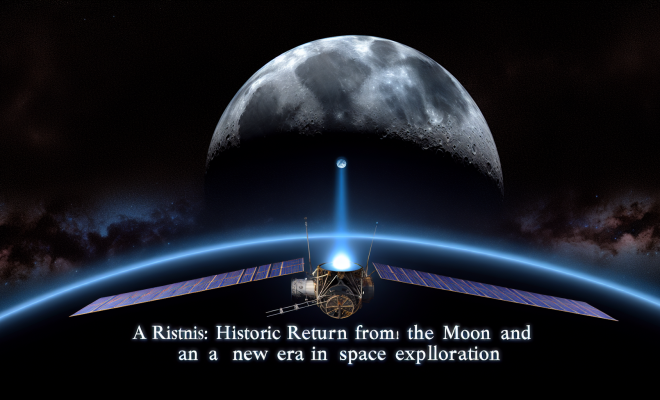
The Artemis II mission has successfully concluded, marking a pivotal moment in human space exploration and a significant milestone for NASA. The crew, comprising commander Reid Wiseman, pilot Victor Glover, and mission specialists Christina Koch and Jeremy Hansen, completed an impressive 685,000-mile (1.1 million kilometers) journey around the Moon, returning to Earth after a ten-day voyage that captured the imaginations of millions worldwide.
Historic Mission Overview
Launched as part of NASA’s Artemis program, the Artemis II mission is particularly noteworthy as it is the first crewed lunar mission since the Apollo era. This mission serves as a precursor to future lunar explorations, including potential human landings on the Moon’s surface and the establishment of a sustainable human presence there.
Precision Landing
On April 10, 2026, at precisely 8:07 p.m. EDT, the Orion capsule, affectionately named Integrity, executed a remarkable “bullseye landing” in the Pacific Ocean. This precise splashdown was the culmination of intricate planning and advanced engineering, showcasing the capabilities of NASA’s Artemis program. Upon landing, commander Reid Wiseman confirmed that all crew members were in good health, a testament to the rigorous training and preparation undertaken by the astronauts.
Mission Highlights
The Artemis II mission not only focused on the technical aspects of space travel but also aimed to engage a global audience through stunning visuals and real-time updates. Here are some of the key highlights:
- Global Engagement: The mission captivated audiences around the world with breathtaking images of the Moon and Earth from space.
- Scientific Endeavors: The crew conducted various experiments and gathered data that will inform future missions, particularly regarding the effects of long-duration spaceflight on the human body.
- International Collaboration: The mission involved collaboration with international partners, emphasizing the global nature of space exploration.
Welcoming the Crew Home
Following their successful splashdown, the crew was swiftly picked up by a helicopter and transferred to the USS John P. Murtha, a key vessel in the recovery operations. This rapid response is part of NASA’s comprehensive recovery plan, ensuring the safety and well-being of astronauts upon their return from space.
The Future of Artemis
The successful conclusion of Artemis II is seen as a stepping stone toward more ambitious lunar missions, including Artemis III, which aims to land astronauts on the Moon’s south pole. This region is of particular interest due to the presence of water ice, which could be crucial for sustaining human life and enabling long-term exploration.
NASA’s Vision for Lunar Exploration
NASA’s Artemis program is built on a vision of not only returning humans to the Moon but also establishing a sustainable presence there by the end of the decade. The program aims to:
- Conduct Scientific Research: The Moon serves as a testing ground for technologies and systems that will be used for future Mars missions.
- Inspire Future Generations: By pushing the boundaries of human exploration, NASA hopes to inspire a new generation of scientists, engineers, and explorers.
- Foster International Partnerships: The program encourages collaboration with international space agencies and private companies to share knowledge and resources.
Conclusion
The successful return of the Artemis II crew marks a significant achievement for NASA and humanity’s quest to explore beyond Earth. With the mission’s successful execution, the groundwork has been laid for future lunar explorations and the continued pursuit of knowledge about our solar system. As we look to the stars and beyond, the Artemis program stands as a beacon of human ingenuity and a testament to our relentless spirit of exploration.


