Why Two Powerhouse Private Jet Companies Are Merging — And What It Means For You
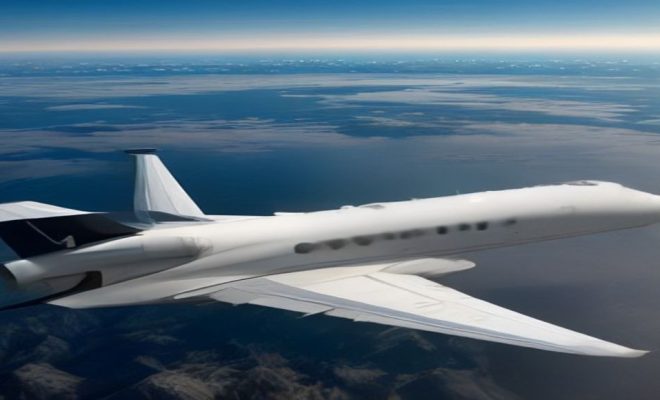
When you think about the pinnacle of luxury travel, private jets undoubtedly come to mind. It’s an industry that, for many, remains aspirational, a symbol of success and unparalleled convenience. But even in this exclusive world, seismic shifts occur. Recently, the news broke that Solairus Aviation is set to acquire the charter and aircraft management divisions of Clay Lacy Aviation. This isn’t just another business deal; it’s a consolidation that will reshape the landscape of private jet companies, creating a behemoth with a combined fleet exceeding 500 aircraft.
This mega-deal, reported on August 7, 2026, and expected to finalize by the end of September pending regulatory green lights, is more than just a merger of two prominent names. It signifies a growing trend in luxury aviation, promising implications for high-net-worth individuals, corporate travelers, and even those of us who simply marvel at the efficiency and opulence of private air travel. With approximately 200 jets available for charter services post-acquisition, and over 150 of those being large-cabin and ultra-long-haul capable, the new entity is poised to dominate a significant segment of the market. Let’s dive into what makes this particular merger so intriguing and what it might mean for the future of private jet travel.
1. The Scale of the Merger: A Fleet Exceeding 500 Jets
To truly grasp the significance of this acquisition, we need to talk numbers. Solairus Aviation, already a formidable player in the private aviation sector, is absorbing key divisions from Clay Lacy Aviation. The result? A combined fleet that will boast over 500 private jets. Now, that’s a staggering figure in an industry where individual aircraft represent substantial investments and operational complexities.
What this means, practically speaking, is a massive expansion of resources. Imagine the logistical power, the sheer range of aircraft types, and the increased availability this provides. For clients, it translates into more options, potentially shorter lead times for bookings, and an even wider network of operational bases. This kind of scale rarely happens in the private jet world, and it immediately places the new, combined entity among the very top private jet companies globally, not just in the U.S.
2. Charter Powerhouse: 200 Jets Ready for Takeoff
While a fleet of 500+ aircraft is impressive, it’s important to distinguish between managed aircraft and those specifically available for charter. The exciting detail here is that roughly 200 of these jets will be available for charter services. For anyone who’s ever looked into private jet charter costs or considered the benefits of on-demand private travel, this is a game-changer.
A larger charter fleet means greater accessibility. Need a jet for a last-minute business trip across the country? Or perhaps a family vacation to a remote destination? The increased inventory significantly improves the chances of securing the right aircraft at the right time. This move solidifies the new entity’s position as a dominant force in the on-demand charter market, offering unparalleled flexibility and choice to its clientele.
3. Global Reach: Over 150 Large-Cabin and Ultra-Long-Haul Jets
One of the most compelling aspects of this merger is the composition of the combined fleet. We’re not just talking about more jets; we’re talking about more *capable* jets. Specifically, the new operation will command over 150 large-cabin and ultra-long-haul aircraft. These aren’t your typical short-hop business jets; these are machines built for extensive international travel, capable of crossing oceans with ease and comfort.
For high-net-worth individuals and multinational corporations, this is a significant advantage. It means seamless travel between continents, direct flights to destinations that might otherwise require multiple stops on smaller aircraft, and the ability to conduct global business with maximum efficiency. This particular strength truly sets the combined private jet companies apart, catering directly to the demands of truly international itineraries.
4. The Players Involved: Solairus Aviation and Clay Lacy Aviation
Before delving deeper into the implications, it’s worth understanding the reputations of the two companies at the heart of this deal. Solairus Aviation has long been recognized for its comprehensive aircraft management and charter services, building a reputation for safety, operational excellence, and personalized client care. They’ve been a go-to for many who prioritize a professional, seamless private aviation experience.
Clay Lacy Aviation, on the other hand, carries the legacy of its pioneering founder, Clay Lacy, who was instrumental in shaping the private jet industry. Known for its extensive MRO (Maintenance, Repair, and Overhaul) capabilities, fixed-base operations (FBOs), and a significant charter and management arm, Clay Lacy has a deep-rooted history in aviation innovation and service. Bringing these two powerhouses together creates a synergistic effect, combining Solairus’s management prowess with Clay Lacy’s operational depth.
5. Market Consolidation: A Growing Trend in Private Aviation
This merger isn’t an isolated incident; it’s part of a broader trend of consolidation we’ve seen in the private aviation sector over the past few years. The industry, while seemingly niche, is incredibly competitive and capital-intensive. Smaller operators often struggle with the economies of scale that larger entities can achieve.
Consolidation allows private jet companies to streamline operations, negotiate better deals on fuel and maintenance, and expand their geographic footprint more efficiently. For clients, this could mean more standardized service levels, potentially more consistent pricing (though this is always subject to market dynamics), and a more robust support network. It reflects a maturing industry where efficiency and scale are becoming increasingly vital for sustained growth and profitability.
6. Implications for High-Net-Worth Individuals and Corporate Travel
So, what does this actually mean for the core clientele of private aviation? For high-net-worth individuals, the immediate benefit is likely an even greater array of options and potentially enhanced service. With a larger fleet and expanded operational capabilities, the chances of finding the perfect jet for any mission, whether it’s a short domestic hop or an intercontinental journey, are significantly improved. (See: business trends in aviation industry.)
For corporate travel, especially for companies with executives needing to cover vast distances or visit multiple locations efficiently, this merger offers compelling advantages. The increased availability of large-cabin, ultra-long-haul jets is particularly beneficial for global business operations. Imagine a team needing to fly from New York to Tokyo and then directly to London; a fleet of this size and capability makes such complex itineraries far more manageable and less prone to disruption, allowing business to continue uninterrupted.
7. The Future of Private Jet Ownership and Charter
This deal will inevitably influence the choices available for those considering fractional jet ownership programs or direct private jet ownership. With a larger, more integrated network of managed aircraft, the new entity could potentially offer more attractive programs or even innovative solutions for those looking to offset ownership costs through chartering their aircraft. For those evaluating best fractional jet ownership programs, this new combined force will certainly be a contender to watch. For more context, see Dramatic shifts in luxury aviation.
Ultimately, the consolidation aims to create a more robust and resilient service provider, capable of weathering market fluctuations and continually investing in technology and infrastructure. For anyone navigating the complex world of private aviation, whether as an owner, charter client, or simply an observer, this merger between Solairus Aviation and Clay Lacy Aviation’s key divisions marks a pivotal moment. It signals a future where leading private jet companies are larger, more integrated, and perhaps, even more efficient, all while striving to maintain the bespoke luxury that defines the industry.
8. Operational Synergies and Enhanced Service Quality
Beyond just the numbers, the integration of Solairus Aviation and Clay Lacy Aviation’s divisions promises significant operational synergies. Solairus has a strong reputation for its aircraft management expertise, focusing on the intricate details of compliance, crew management, and financial oversight for private jet owners. Clay Lacy, with its deep roots in MRO and FBO services, brings a wealth of hands-on operational experience, ensuring aircraft are meticulously maintained and ready for flight at strategically located bases.
When you combine these strengths, you get a more holistic service offering. Think about it: a single entity can now manage your aircraft, provide top-tier maintenance, and then seamlessly offer it for charter when you’re not using it. This vertical integration means fewer handoffs between different providers, which often translates into better communication, smoother operations, and ultimately, a higher quality of service for the client. For a private jet owner, this could mean less administrative burden and more peace of mind, knowing their asset is in capable hands from every angle.
This enhanced integration also allows for standardized training protocols across a larger fleet. Consistency in pilot training, cabin crew service, and ground support means that regardless of the specific aircraft or operational base, clients can expect a uniform, high-level experience. This is a critical factor in luxury aviation, where reliability and consistency are just as important as the opulence of the cabin.
9. Technological Advancements and Innovation in Private Aviation
Large-scale mergers like this often free up capital and resources for significant investment in technology and innovation. Both Solairus and Clay Lacy have, in their own right, invested in cutting-edge systems for flight planning, logistics, and client communication. The combined entity is now in an even stronger position to push these boundaries.
We could see advancements in areas like predictive maintenance, using AI and data analytics to anticipate potential issues before they become problems, thereby reducing downtime and increasing safety. There’s also the potential for more sophisticated client portals, offering real-time tracking of flights, easier booking modifications, and personalized service options. Imagine a truly seamless digital experience that integrates all aspects of private jet travel, from booking to post-flight feedback. This isn’t just about making things more convenient; it’s about optimizing every facet of the private aviation experience through smart technology, setting new industry standards for private jet companies.
Furthermore, larger entities are better equipped to explore and adopt sustainable aviation fuels (SAFs) and other eco-friendly technologies. The private aviation sector is increasingly aware of its environmental footprint, and significant investment in greener solutions often requires the financial muscle and operational scale that a consolidated giant can provide. This could position the new company as a leader in sustainable luxury travel.
10. Competitive Landscape and Market Dynamics
The private jet industry is highly competitive, with a mix of large players, regional operators, and specialized niche providers. This merger undeniably shifts the competitive landscape. By creating such a large entity, the new combined company will exert significant influence on pricing, service standards, and even the types of aircraft available in the market.
Competitors, both large and small, will need to adapt. Smaller charter operators might find it harder to compete on scale or pricing, potentially leading to further consolidation or a focus on highly specialized routes or aircraft types. Larger competitors, like NetJets, Flexjet, or VistaJet, will now face an even more formidable rival, likely prompting them to innovate and refine their own offerings to maintain their market share. This kind of competitive pressure often benefits the consumer in the long run, as companies strive to outdo each other with better services and more value.
The deal also highlights the increasing demand for private air travel, a trend exacerbated by global events that have made commercial travel less appealing for some. As the market grows, the need for robust, reliable, and scalable private jet companies becomes even more pronounced. This merger is a direct response to that evolving demand, aiming to capture a larger slice of a growing pie.
11. Regulatory Considerations and Anti-Trust
Any merger of this magnitude in a significant industry like aviation naturally attracts the attention of regulatory bodies. Anti-trust laws are designed to prevent monopolies and ensure fair competition. The acquisition’s finalization is contingent on regulatory approval, which will involve a thorough review of its potential impact on market competition.
Regulators will examine whether the combined entity would unduly restrict choices for consumers, lead to unfair pricing, or create barriers for new entrants into the market. Given the existing competition from other large private jet companies and the fragmented nature of parts of the industry, it’s likely the deal will pass muster, but it’s not a foregone conclusion. The review process ensures that while consolidation can bring efficiencies, it doesn’t come at the expense of a healthy, competitive marketplace. (See: recent mergers in private aviation.)
The regulatory scrutiny also extends to operational standards. Aviation is a heavily regulated industry, and merging two large operational structures requires careful alignment of safety protocols, certifications, and compliance procedures. This ensures that the transition is seamless from a safety perspective, maintaining the impeccable safety record that both Solairus and Clay Lacy have strived to uphold.
12. Impact on Employment and Talent Acquisition
Mergers often have significant implications for employees. While the exact details aren’t publicly available, a combination of this scale will likely involve some restructuring. However, in a specialized industry like private aviation, where skilled pilots, mechanics, and operational staff are in high demand, the focus is often on retaining talent. For more context, see how global trends are reshaping industries.
For employees, this merger could mean expanded career opportunities within a larger organization, access to broader training programs, and potentially enhanced benefits packages. For the industry at large, it means the new entity will become an even more significant employer, attracting top talent and contributing to the development of highly skilled aviation professionals. The need for experienced pilots, for example, is a constant challenge in aviation, and a larger, more stable company can offer compelling career paths.
This also extends to the recruitment of specialized personnel for new technological initiatives. As the company invests in advanced systems, it will need data scientists, software engineers, and cybersecurity experts, further diversifying the types of roles available within the private jet companies sector.
13. The Evolution of Client Expectations and Tailored Experiences
The private jet industry thrives on meeting and exceeding client expectations for personalized, luxurious, and efficient travel. This merger, with its expanded resources and operational capabilities, is perfectly positioned to elevate these tailored experiences even further.
Clients are no longer just looking for a flight; they’re looking for an end-to-end experience that reflects their individual preferences. This could mean bespoke catering, specific cabin configurations, seamless ground transportation arrangements, or even personalized in-flight entertainment. With a larger fleet and more operational hubs, the combined company can offer a greater degree of customization. Imagine being able to select an aircraft not just based on size, but on its interior design, specific amenities, or even the crew’s language proficiency for international trips. This level of detail becomes more feasible with increased scale and integrated management systems. There’s a fuller look at reshaping luxury travel.
The ability to anticipate client needs through advanced data analytics will also play a crucial role. By understanding past preferences and travel patterns, the new entity can proactively offer services that resonate with its high-net-worth clientele, solidifying its reputation as a leader in truly personalized luxury travel.
14. Future Outlook and Potential for Further Expansion
This acquisition is likely just one step in a longer-term strategy. Once the integration is complete and the operational synergies are fully realized, the new entity will be in a prime position for further expansion. This could take several forms: acquiring smaller regional operators to expand geographic coverage, investing in new aircraft types to meet emerging market demands, or even expanding into related luxury services.
The private aviation market is dynamic, influenced by global economic conditions, technological advancements, and shifting client preferences. A larger, more diversified company is better equipped to adapt to these changes and capitalize on new opportunities. For instance, the growing demand for sustainable travel might lead to investments in electric or hybrid aircraft, or the expansion of SAF infrastructure at their FBOs. The sheer scale of this new combined force suggests an ambition to not just compete, but to truly lead and shape the future direction of private jet companies globally.
Frequently Asked Questions (FAQ)
Q1: What exactly is happening with Solairus Aviation and Clay Lacy Aviation?
Solairus Aviation is acquiring the charter and aircraft management divisions of Clay Lacy Aviation. This isn’t a full acquisition of Clay Lacy, as they will retain their MRO (Maintenance, Repair, and Overhaul) and FBO (Fixed-Base Operator) businesses.
Q2: When is this merger expected to be finalized?
The deal was reported on August 7, 2026, and is anticipated to finalize by the end of September of the same year, pending necessary regulatory approvals.
Q3: How large will the combined fleet be?
The combined entity will boast a fleet exceeding 500 private jets, making it one of the largest private jet companies globally. (See: Harvard's research on luxury travel.)
Q4: How many jets will be available for charter services?
Approximately 200 of the combined fleet’s aircraft will be available for on-demand charter services.
Q5: What types of jets are prominent in the combined fleet?
Over 150 of the jets will be large-cabin and ultra-long-haul capable aircraft, ideal for extensive international travel and transcontinental flights.
Q6: What are the main benefits for private jet clients?
Clients can expect a wider array of aircraft options, increased availability for charter, potentially shorter booking lead times, enhanced operational efficiency, and a more robust support network. The focus is on a more seamless and personalized luxury travel experience.
Q7: How will this affect the overall private jet market?
This merger signifies a trend of consolidation within the private aviation sector. It will likely increase competition among the largest private jet companies, potentially driving further innovation and standardization of high-quality services across the industry. Smaller operators may need to find niche markets or consider consolidation themselves.
Q8: What are operational synergies?
Operational synergies refer to the benefits gained when two companies combine their operations, leading to increased efficiency and effectiveness. In this case, it means combining Solairus’s aircraft management expertise with Clay Lacy’s operational depth in maintenance and FBO services, creating a more integrated service offering.
Q9: Will this merger lead to higher prices for private jet charters?
While consolidation can sometimes lead to reduced competition, the private jet market remains competitive with several major players. The efficiencies gained from scale might offset some cost increases, and competitive pressures from other large private jet companies will likely keep pricing in check. However, market dynamics are always subject to various factors.
Q10: What about the impact on technology and sustainability?
Larger entities often have more resources to invest in technological advancements, such as predictive maintenance, advanced client portals, and more sophisticated logistics systems. They are also better positioned to invest in and adopt sustainable aviation fuels (SAFs) and other eco-friendly initiatives, potentially leading the industry in green aviation practices.
Q11: Will Clay Lacy Aviation cease to exist?
No, Clay Lacy Aviation will continue to operate its MRO (Maintenance, Repair, and Overhaul) and FBO (Fixed-Base Operator) businesses, which were not part of the acquisition by Solairus Aviation.
Q12: What does this mean for employees of both companies?
While specific details will emerge post-merger, generally, large mergers aim to retain valuable talent. Employees might find expanded career opportunities within a larger organization, access to broader training, and potentially enhanced benefits. The new entity will be a significant employer in the private aviation sector.
Trending Now
Frequently Asked Questions
What are the implications of the Solairus Aviation and Clay Lacy Aviation merger?
The merger between Solairus Aviation and Clay Lacy Aviation signifies a major consolidation in the private jet industry, creating a fleet of over 500 aircraft. This enhances availability and resources for customers, indicating a shift towards larger, more efficient operations in luxury air travel.
How will the merger affect private jet pricing and availability?
With the merger, the combined fleet will increase the number of jets available for charter, particularly large-cabin and ultra-long-haul options. This could lead to more competitive pricing and improved availability for high-net-worth individuals and corporate travelers.
What is the significance of having a fleet exceeding 500 private jets?
A fleet of over 500 private jets represents a significant scale in the private aviation market. It allows for greater logistical capabilities, a diverse range of aircraft types, and increased service offerings, ultimately enhancing the travel experience for clients.
When is the Solairus and Clay Lacy merger expected to finalize?
The merger is expected to finalize by the end of September 2026, pending regulatory approvals. This timeline indicates a swift consolidation process in the luxury aviation sector.
What types of jets will be available after the merger?
Post-merger, there will be approximately 200 jets available for charter, with over 150 being large-cabin and ultra-long-haul capable. This variety will cater to a wide range of travel needs for clients.
What did we miss? Let us know in the comments and join the conversation.