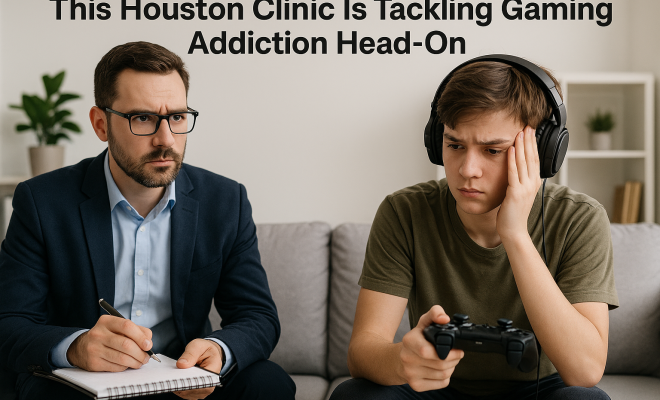
This Houston Clinic Is Tackling Gaming Addiction Head-On
“`html
For years, the idea of ‘gaming addiction’ lingered on the fringes, often dismissed as a phase or a lack of discipline. But as technology has advanced and games have become more immersive, more pervasive, and more integrated into our social fabric, the conversation has shifted dramatically. What was once seen as a harmless hobby for many has, for a significant minority, morphed into a genuine, life-altering struggle. The World Health Organization officially recognized gaming disorder as a mental health condition in 2018, a move that brought mainstream validation to countless individuals and families grappling with its insidious grip. Now, specialized centers are stepping up, and here in the Lone Star State, places like Heights Behavioral Health in Houston are at the forefront, offering targeted gaming addiction treatment Houston residents can access, with dedicated programs launching by July 16, 2026. This isn’t just about playing too many video games; it’s about a compulsive behavior that compromises an individual’s mental health, relationships, and fundamental responsibilities.
The Silent Epidemic: Understanding Gaming Addiction
It’s easy to shrug off excessive gaming. After all, who hasn’t lost a few hours to a captivating new release? But there’s a crucial distinction between enthusiastic play and a full-blown addiction. The core difference lies in control and consequences. A healthy gamer can choose when to play, for how long, and can easily step away when other obligations call. Someone struggling with gaming addiction finds themselves unable to stop, even when they desperately want to. They might neglect work or school, pull all-nighters, ignore personal hygiene, or abandon real-world relationships in favor of virtual ones. The consequences pile up: academic failure, job loss, social isolation, financial strain, and significant emotional distress. It’s a progressive disorder, meaning it often starts subtly and intensifies over time, making early intervention incredibly difficult.
Think about the sheer accessibility of modern gaming. Smartphones put countless titles in our pockets, consoles offer hyper-realistic worlds, and multiplayer online games connect us to communities 24/7. This constant availability, combined with the psychological design of many games — think of endless progression systems, loot boxes, daily rewards, and social validation through leaderboards — creates a powerful feedback loop. These elements are designed to be engaging, even habit-forming, and for vulnerable individuals, they can become truly problematic. It’s not a moral failing; it’s a complex interplay of individual psychology, game design, and environmental factors that can lead to a behavioral addiction as potent as substance abuse.
The Rise of Immersive Worlds and Compulsive Habits
What makes today’s games so uniquely compelling, and in some cases, so dangerously addictive? It’s a cocktail of technological advancement and clever psychological design. Consider the evolution: from simple arcade games to sprawling open-world RPGs (Role-Playing Games) and hyper-competitive esports. Games like ‘World of Warcraft,’ ‘Fortnite,’ ‘League of Legends,’ and ‘Call of Duty’ aren’t just entertainment; they’re social platforms, competitive arenas, and often, entire virtual identities. The investment isn’t just monetary; it’s an investment of time, emotion, and social capital.
Multiplayer online games, in particular, often foster a sense of belonging and achievement that can be lacking in a person’s real life. You’re part of a team, you have responsibilities to your guild or clan, and your performance matters to others. This social pressure, combined with the constant drip-feed of rewards and progress, creates an incredibly sticky experience. For someone feeling isolated or inadequate in the real world, the virtual realm can offer an intoxicating escape and a powerful sense of validation. The problem arises when this escape becomes the primary reality, and the real world — with its messy obligations and relationships — begins to feel secondary and burdensome. This is precisely the kind of challenge that dedicated gaming addiction treatment Houston programs are designed to address.
Recognizing the Red Flags: When to Seek Help
How do you know if you or a loved one has crossed the line from passionate gamer to someone needing professional help? It’s not always obvious, and denial is a powerful force. Look for patterns of behavior that indicate a loss of control and significant negative impact on daily life. Key indicators include:
- Preoccupation: Constantly thinking about gaming, even when not playing. Planning the next session, replaying past ones in your head.
- Withdrawal Symptoms: Feeling irritable, anxious, or sad when unable to play.
- Tolerance: Needing to play for longer periods or with more intensity to achieve the same level of satisfaction.
- Failed Attempts to Cut Back: Trying repeatedly to reduce gaming time but failing.
- Loss of Interest: Neglecting previous hobbies, social activities, or responsibilities in favor of gaming.
- Continued Use Despite Negative Consequences: Persisting with gaming even when it’s clearly causing problems at work, school, or with relationships.
- Deception: Lying to family or friends about the amount of time spent gaming.
- Using Gaming to Escape: Relying on games to relieve negative moods, anxiety, guilt, or depression.
- Jeopardizing Relationships/Opportunities: Sacrificing significant relationships, jobs, or educational opportunities due to gaming.
If several of these red flags are present and have been ongoing for an extended period, it’s a strong indication that professional intervention, such as gaming addiction treatment Houston offers, might be necessary. Ignoring these signs only allows the problem to deepen and become more entrenched.
The Comprehensive Approach to Gaming Addiction Treatment Houston Offers
Treating gaming addiction isn’t about shaming or simply telling someone to ‘stop playing.’ It’s about understanding the underlying psychological factors, teaching coping mechanisms, and rebuilding a life that feels fulfilling without the compulsive need for gaming. Heights Behavioral Health, for example, emphasizes a multi-faceted approach that addresses the individual’s unique needs. This often begins with a thorough assessment to understand the severity of the addiction, any co-occurring mental health conditions (like depression or anxiety, which often go hand-in-hand with addiction), and the individual’s personal history.
The treatment paradigm is similar to that used for other behavioral addictions, focusing on sustainable change rather than just abstinence. It’s about learning to manage triggers, develop healthier habits, and find new ways to connect with life. This isn’t a quick fix; it’s a journey that requires commitment, support, and professional guidance. The goal is to equip individuals with the tools they need to live a balanced, fulfilling life where gaming, if it remains a part of it, is a healthy, controlled activity, not a destructive compulsion.
Therapeutic Pillars: CBT, Motivational Interviewing, and Family Support
At the heart of effective gaming addiction treatment Houston programs are proven therapeutic modalities. Let’s break down some of the most common and effective: (See: World Health Organization on gaming disorder.)
Cognitive Behavioral Therapy (CBT): This is often the cornerstone of addiction treatment. CBT helps individuals identify and challenge the distorted thoughts and beliefs that fuel their addictive behaviors. For a gaming addict, this might involve recognizing the thought, “I can only relax when I’m gaming,” and reframing it to, “I can find relaxation in other activities that are healthier for me.” It also focuses on developing practical coping strategies to manage cravings and high-risk situations. Patients learn to anticipate triggers – whether it’s stress, boredom, or certain times of day – and develop alternative, healthier responses.
Motivational Interviewing (MI): Many individuals struggling with addiction are ambivalent about change. They might recognize the problems but still feel drawn to the behavior. MI is a client-centered approach that helps individuals explore and resolve this ambivalence. Therapists using MI guide patients to articulate their own reasons for change, strengthening their commitment and self-efficacy. It’s less about telling someone what to do and more about helping them discover their own intrinsic motivation for recovery, a crucial step in any successful addiction journey.
Family Counseling: Addiction rarely affects just one person; it ripples through families. Family counseling is vital for healing strained relationships, improving communication, and establishing healthy boundaries. Family members often need education about addiction, support for their own emotional distress, and guidance on how to best support their loved one’s recovery without enabling the addictive behavior. It helps create a cohesive support system crucial for long-term success.
Group Therapy: There’s immense power in shared experience. Group therapy provides a safe space for individuals to connect with others facing similar struggles. This fosters a sense of community, reduces feelings of isolation, and allows participants to learn from each other’s experiences, strategies, and setbacks. Hearing from peers who understand the unique challenges of gaming addiction can be incredibly validating and motivating.
The Role of Co-Occurring Disorders in Gaming Addiction
It’s rare for an addiction to exist in a vacuum. Often, gaming addiction is intertwined with other mental health challenges, known as co-occurring disorders or dual diagnoses. These can include anxiety disorders, depression, ADHD, social phobias, or even underlying trauma. For example, someone struggling with social anxiety might find solace and a sense of control in online gaming, where interactions feel less threatening. A person battling depression might use gaming as a way to numb painful emotions or escape feelings of hopelessness.
Effective gaming addiction treatment Houston programs understand this complexity. A holistic approach means simultaneously treating both the addiction and any co-occurring mental health conditions. If only the gaming addiction is addressed, the underlying anxiety or depression might resurface, making relapse more likely. Integrated treatment ensures that all aspects of an individual’s mental well-being are considered, leading to a more stable and sustainable recovery.
Beyond the Screen: Rebuilding a Fulfilling Life
Recovery from gaming addiction isn’t just about stopping the compulsive behavior; it’s about building a life worth living without it. This involves helping individuals rediscover old interests, develop new hobbies, and strengthen real-world connections. It’s about finding alternative sources of pleasure, accomplishment, and social interaction. For some, this might mean getting back into sports, pursuing creative arts, volunteering, or reconnecting with nature.
Life skills training is also a critical component. Many individuals deep in gaming addiction may have neglected basic life skills, such as time management, financial planning, or even effective communication. Treatment programs often incorporate elements that help individuals re-learn or develop these essential skills, empowering them to manage their lives more effectively and independently. The goal is not just to reduce gaming time but to replace it with meaningful, healthy activities that contribute to overall well-being and a sense of purpose.
Navigating Insurance and Treatment Options in Houston
One of the most common questions families have when considering gaming addiction treatment Houston options is about cost and insurance coverage. It’s a valid concern, as specialized treatment can be an investment. The good news is that as gaming disorder gains recognition as a legitimate mental health condition, more insurance providers are beginning to cover aspects of its treatment. However, coverage can vary widely depending on your specific plan and provider.
It’s crucial to directly contact your insurance company to understand your benefits for behavioral health services, specifically for process addictions or mental health disorders. Questions to ask include: What is my deductible? What is my out-of-pocket maximum? Do I need a referral? What percentage of outpatient or inpatient mental health services are covered? Many treatment centers, including Heights Behavioral Health, have admissions teams that can help verify benefits and guide you through the financial aspects, easing some of the burden during what is already a stressful time. Don’t let potential cost deter you from exploring options; often, there are more resources available than people realize.
The Future of Gaming and Responsible Engagement
It’s important to remember that gaming itself is not inherently bad. For millions, it’s a source of joy, connection, and intellectual stimulation. The challenge lies in fostering responsible engagement and building resilience against problematic use. As awareness of gaming addiction grows, we’re likely to see continued advancements in prevention and treatment. Game developers themselves are facing increasing pressure to incorporate features that promote healthier play, such as playtime reminders, self-imposed limits, and clearer information about in-game purchases. (See: NIH article on gaming addiction.)
Education is also key. Parents, educators, and even gamers themselves need to be informed about the signs of problematic gaming and the importance of seeking help. Creating environments that encourage a balanced lifestyle, with diverse interests and strong real-world connections, is perhaps the most powerful preventative measure. For those who do find themselves struggling, the increasing availability of specialized services, like those becoming available for gaming addiction treatment Houston, offers a real path to recovery and a chance to regain control over their lives.
The Spectrum of Care: From Outpatient to Residential Programs
When you’re looking for gaming addiction treatment Houston offers, you’ll find a range of options designed to fit different levels of need. It’s not a one-size-fits-all situation, and the right choice depends on the severity of the addiction, the presence of co-occurring disorders, and the individual’s living situation and support system.
- Outpatient Programs (OP): These are ideal for individuals who are still able to function in their daily lives but need structured support. They typically involve regular therapy sessions – individual, group, and family – a few times a week, allowing the person to continue living at home, attending work or school, and practicing new coping skills in real-time. This level of care is often suitable for those with less severe addictions or as a step-down from more intensive programs.
- Intensive Outpatient Programs (IOP): IOPs offer a more concentrated level of care than standard outpatient, with more frequent and longer therapy sessions, often several days a week for multiple hours. This provides a higher level of support and structure while still allowing the individual to live at home. It’s a good option for those who need more support than an OP but don’t require 24/7 supervision.
- Partial Hospitalization Programs (PHP): PHPs are a step up from IOPs, providing daily treatment for several hours, typically five days a week. It mimics the structure of an inpatient program without the overnight stay. Individuals return home in the evenings, making it a good bridge between residential care and full independence, or for those whose home environment is stable enough to support recovery outside of treatment hours.
- Residential Treatment Programs: For the most severe cases of gaming addiction, especially when accompanied by significant co-occurring mental health issues or a home environment that’s not conducive to recovery, residential treatment can be life-changing. These programs offer 24/7 care in a structured, therapeutic environment, completely removing the individual from their triggers. It allows for intensive, immersive therapy and skill-building, focusing solely on recovery without the distractions of daily life. This is often the most effective option for stabilizing individuals and laying a strong foundation for long-term sobriety.
Heights Behavioral Health, like many comprehensive centers for gaming addiction treatment Houston, will likely offer a combination of these programs, ensuring that each person receives the most appropriate and effective level of care for their unique journey.
The Role of Technology in Recovery: A Double-Edged Sword
It’s a fascinating paradox: technology is at the heart of gaming addiction, yet it can also be a powerful tool in recovery. While the initial focus of treatment often involves a period of abstinence from gaming, the long-term goal for many is controlled use, not complete elimination. In this context, technology can help. Apps designed for mindfulness, mood tracking, or habit formation can support healthier routines. Online support groups or telehealth sessions provide accessible, ongoing care, especially for those in remote areas or with mobility challenges.
However, it’s a delicate balance. Therapists working in gaming addiction treatment Houston will help individuals develop a critical awareness of their digital habits. This means learning to identify high-risk online environments, setting strict screen time limits, and understanding the psychological hooks of various platforms. The aim isn’t to demonize technology, but to empower individuals to be its master, not its servant. This might involve using parental controls for self-management, installing website blockers, or even setting up “digital detox” zones in the home. how the crisis center helps offers useful background here.
Prevention is Key: Educating the Next Generation
While treatment options for gaming addiction Houston are growing, proactive prevention remains critical. This starts with education in homes and schools. Parents need to understand the potential risks of excessive screen time and the psychological mechanisms behind game design. Establishing healthy digital habits from a young age – like setting clear time limits, encouraging diverse hobbies, and prioritizing real-world social interaction – can build resilience.
Schools can play a role by incorporating digital literacy and well-being into their curriculum. Teaching critical thinking about online content, understanding the impact of social media and gaming on mental health, and promoting a balanced lifestyle are all crucial. Ultimately, fostering environments where children and adolescents feel seen, valued, and connected offline can significantly reduce the appeal of virtual escapes becoming a primary coping mechanism.
Frequently Asked Questions About Gaming Addiction and Treatment
What exactly is “gaming addiction” or “gaming disorder”?
It’s a pattern of gaming behavior characterized by impaired control over gaming, increasing priority given to gaming over other life interests and daily activities, and continuation or escalation of gaming despite the occurrence of negative consequences. The World Health Organization (WHO) officially recognized it as a mental health condition in 2018.
How common is gaming addiction?
Estimates vary, but studies suggest that problematic gaming affects about 1-10% of the general population, with higher rates among adolescents and young adults. It’s not as common as casual gaming, but it’s a significant issue for those affected and their families. (See: AP News coverage on gaming addiction.)
Is it just a phase, or is it a real addiction?
While many young people might go through periods of intense gaming, a true addiction is characterized by a persistent pattern of behavior and significant impairment in personal, family, social, educational, or occupational functioning. If the negative impacts are severe and long-lasting, it’s definitely more than just a phase and warrants professional attention.
Can gaming addiction be cured completely?
Like other behavioral addictions, gaming addiction is typically managed, not “cured.” The goal of gaming addiction treatment Houston is to help individuals develop healthy coping mechanisms, regain control over their gaming habits, and rebuild a balanced, fulfilling life. For some, this might mean complete abstinence from gaming, while for others, it could involve controlled, responsible gaming.
What if the person doesn’t want help?
This is a common challenge with any addiction. Motivational Interviewing (MI) is a therapeutic technique specifically designed to help individuals explore their ambivalence about change and find their own reasons to seek help. Family counseling can also be crucial in learning how to approach a loved one and set healthy boundaries without enabling the behavior.
Are there specific types of games that are more addictive?
While any game can become problematic for a vulnerable individual, games with certain characteristics are often associated with higher addiction potential. These include massively multiplayer online role-playing games (MMORPGs), competitive online games (like esports titles), and games with endless progression systems, loot boxes, or strong social components that create a sense of obligation to play.
How long does treatment usually take?
The duration of gaming addiction treatment Houston varies greatly depending on the individual’s needs, the severity of the addiction, and the chosen level of care (outpatient, IOP, residential). It’s typically an ongoing process, with initial intensive treatment followed by longer-term aftercare and support.
What can parents do to prevent gaming addiction in their children?
Encourage a balanced lifestyle with diverse hobbies, set clear screen time limits and stick to them, prioritize family time and real-world interactions, educate yourself and your children about responsible gaming, and model healthy technology use yourself. Open communication about online experiences is also vital.
The journey from compulsive gaming to a balanced life is challenging, but it is absolutely achievable. With the right support, therapeutic interventions, and a commitment to change, individuals can reclaim their time, their relationships, and their well-being. Recognizing the problem is the first, often most difficult, step. The next is reaching out for help, and thankfully, resources are becoming more robust and accessible than ever before.
“`
Trending Now
Frequently Asked Questions
What is gaming addiction?
Gaming addiction, officially recognized by the World Health Organization as a mental health condition, involves compulsive gaming behavior that negatively impacts an individual's life. Unlike casual gaming, those with gaming addiction struggle to control their gaming habits, often neglecting responsibilities and personal relationships.
How can I tell if I have a gaming addiction?
Signs of gaming addiction include an inability to stop playing despite wanting to, neglecting work or school, pulling all-nighters, and prioritizing gaming over real-life relationships. If gaming leads to academic failure, job loss, or emotional distress, it may indicate a serious problem.
What are the consequences of gaming addiction?
The consequences of gaming addiction can be severe, including academic failure, job loss, social isolation, and emotional distress. Individuals may also experience financial strain and neglect personal hygiene and responsibilities, leading to a downward spiral in mental health and well-being.
Are there treatment options for gaming addiction?
Yes, specialized centers like Heights Behavioral Health in Houston offer targeted gaming addiction treatment. These programs focus on helping individuals regain control over their gaming habits and address the underlying issues associated with the addiction.
Why is gaming addiction considered a mental health issue?
Gaming addiction is considered a mental health issue because it disrupts daily functioning and well-being. The compulsive behavior associated with it can lead to significant emotional distress, impaired social interactions, and neglect of responsibilities, similar to other recognized behavioral addictions.
Have you experienced this yourself? We'd love to hear your story in the comments.