Gemini vs. ChatGPT: AI Mental Health Support in Korea (2026)
“`html
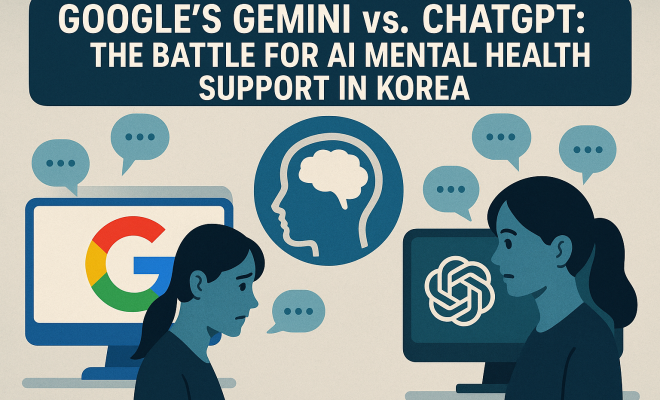
The landscape of AI-powered search tools is changing rapidly, especially in Korea, where Google’s AI service, Gemini, has reached a remarkable 52.2% usage rate. This surge poses a significant challenge to OpenAI’s ChatGPT, which has dominated the AI search market until recently. According to the AI Search Trends Report 2026 released by OpenSurvey on July 13, this shift is more than just a battle of algorithms; it reflects a growing reliance on AI for mental health support, stirring intense discussions about its implications for users, especially younger populations.
The Rise of Gemini in Korea’s AI Search Scene
As of mid-2023, Gemini has made considerable strides in capturing the attention of Korean users. With over half of respondents reporting they’ve utilized Gemini for AI search within the last three months, the platform’s adoption rate showcases a decisive turn in consumer preferences. What does this mean for ChatGPT, which has held the fort in the global AI arena?
ChatGPT has long been favored for its conversational abilities and extensive knowledge base. However, Gemini’s explosive growth indicates that users are exploring alternatives, possibly driven by a desire for different functionalities or perhaps a response to localized needs that Gemini seems to address more effectively. The competition is not merely about search efficiency; it extends into how these platforms can support well-being through AI mental health tools.
A New Era of AI Mental Health Support
With the increasing availability and use of AI-driven tools for mental health, platforms like Gemini and ChatGPT have positioned themselves as resources for crisis counseling and emotional guidance. This is particularly important as mental health has become a pressing issue, especially among youth. The rising anxiety rates, exacerbated by social media and other modern pressures, have led many individuals to seek immediate help and support.
AI mental health solutions provide a crucial access point for those who may hesitate to seek traditional therapy. Users can access resources anytime, often feeling safer discussing their feelings with AI than with a human. However, this raises legitimate questions regarding the accuracy of diagnoses and the lack of human empathy in responses, which are vital components of effective mental health care.
Controversies Around AI in Mental Health
While AI mental health applications offer significant benefits, they are not without risks. Experts have raised concerns about potential misdiagnoses when users depend exclusively on AI for advice. AI systems, despite their advanced algorithms, can fail to capture the nuances of individual human experiences. In therapeutic contexts, this can lead to oversights that might worsen a user’s condition rather than alleviate it.
Moreover, the ethical implications of using AI for mental health support are profound. Parents and educators are particularly anxious about these tools not providing adequate emotional support or guidance. The potential for AI to misinterpret or trivialize serious issues poses a significant risk, especially for vulnerable populations.
The Role of Guardians in Navigating AI Mental Health Resources
Given these concerns, the role of parents and educators becomes critical in guiding young people through their interactions with AI mental health tools. It is essential for guardians to stay informed about the capabilities and limitations of these platforms, ensuring that youth engage with these technologies safely.
Educators, in particular, can play a pivotal role in creating a culture of awareness around mental health issues, facilitating discussions that allow students to express their feelings and challenges. This could involve integrating AI mental health resources as a supplement rather than a replacement for traditional support systems. (See: Mental health response strategies.)
Public Anxiety and Youth Mental Health
Recent reports indicate a marked increase in anxiety levels among young audiences, with a growing number of adolescents reporting feelings of despair and loneliness. This troubling trend coincides with the rise of AI tools designed to provide mental health support. The timing should not be overlooked; as society grapples with these pressing concerns, the emergence of Gemini and its challenge to ChatGPT illustrates a broader cultural shift toward digital solutions.
The social media reactions to AI mental health tools also highlight a mix of enthusiasm and skepticism. Many users express relief at having immediate access to mental health resources, while others voice concern over the absence of qualified professionals. This dichotomy reflects the complex landscape of mental health in the digital age, where convenience often collides with the need for genuine human connection.
Expert Perspectives on AI Mental Health Solutions
Experts in mental health and technology continuously evaluate the implications of using AI in therapeutic contexts. Some advocate for the integration of AI mental health tools, arguing that they can complement traditional therapy. For instance, Dr. Anne Fishel, a psychologist and co-founder of the Family Dinner Project, notes that while AI can provide immediate support, it should not replace human intervention.
Conversely, critics warn against over-reliance on AI. Dr. John Torous, a psychiatrist at Beth Israel Deaconess Medical Center, emphasizes the need for clear ethical guidelines and ongoing research. He argues that while AI can offer a helping hand, its limitations must not be overlooked; human validation and insight are irreplaceable. There’s a fuller look at hurdles in AI education.
Balancing Innovation and Responsibility
As the competition between Gemini and ChatGPT escalates, users must navigate this evolving landscape with a critical eye. Developers of AI mental health tools face the challenge of ensuring their products not only meet the demand for accessibility but also uphold ethical standards in mental healthcare.
This balancing act is crucial. Companies must invest in rigorous testing and transparency regarding how their AI systems work—especially in terms of data privacy and treatment recommendations. Public trust hinges on the understanding that these tools are created responsibly and can genuinely contribute to users’ mental well-being without jeopardizing their safety.
The Future of AI in Mental Health
The future of AI in mental health is undeniably intertwined with advancements in technology and growing public interest. As tools like Gemini rise in prominence, it is essential to evaluate their effectiveness critically. The challenge lies in enhancing these systems while ensuring they do not overshadow the critical role that human professionals play in mental healthcare.
Looking ahead, the collaboration between AI developers and mental health professionals will be vital in shaping tools that genuinely benefit users. This collaboration can lead to a more nuanced understanding of mental health needs, creating solutions that are not only innovative but also compassionate.
Practical Strategies for Engaging with AI Mental Health Tools
For those interested in utilizing AI mental health resources, a few strategies can help navigate these tools effectively:
- Stay Informed: Understand the capabilities and limitations of specific AI mental health platforms. Research user experiences and expert analyses to make informed decisions.
- Supplement Traditional Support: Use AI tools to complement therapy rather than replace it. Consider them as one of many resources available to you.
- Engage in Open Dialogue: Parents and educators should discuss AI mental health tools with youth, helping them process their experiences and feelings related to these technologies.
- Monitor Responses: Pay attention to how the AI responds to your queries. If you feel uncomfortable or misrepresented, seek human intervention immediately.
AI mental health tools have the potential to democratize mental health support, offering immediate assistance to those in need. However, it is crucial to approach this rapidly evolving landscape with caution, balancing innovation with the ethical responsibilities that accompany such advancements. (See: CDC mental health resources.)
A Deep Dive into AI Mental Health Applications
AI mental health applications are continually evolving, making it essential to explore the various types that currently exist. These range from chatbots designed to provide immediate emotional support to sophisticated platforms that analyze user data to suggest coping strategies. Some notable examples include:
- Woebot: This AI-powered chatbot uses Cognitive Behavioral Therapy (CBT) principles to provide users with coping strategies and emotional support through text interactions.
- Wysa: An AI-driven mental health app that offers mood tracking, exercises, and guided conversations tailored to the user’s emotional state, aiming to enhance personal insights and coping mechanisms.
- Replika: A conversational agent that evolves with user interactions, promoting emotional literacy by allowing users to engage in meaningful dialogue about their feelings.
Each of these applications employs unique algorithms and frameworks to address mental health concerns. The effectiveness of these tools often depends on user engagement and the specific mental health challenges they face. As AI technology progresses, it’s likely that these applications will become even more personalized and responsive to individual needs.
Statistics Highlighting the Impact of AI in Mental Health
Recent studies underline the growing role of AI in mental health. For instance:
- According to a report by the National Institute of Mental Health, over 20% of adolescents experience a mental health disorder, making the need for accessible support urgent.
- Research indicates that 60% of users prefer AI mental health tools due to their accessibility and anonymity, especially among younger demographics.
- Data from a survey conducted by the American Psychological Association reveals that 75% of therapists believe AI can be a beneficial supplement to traditional therapy.
These statistics highlight not only the demand for AI mental health solutions but also the potential acceptance of these tools as viable complements to traditional therapeutic methods. As awareness increases, so too does the opportunity for AI to play a significant role in mental health care.
Frequently Asked Questions about AI Mental Health
What is AI mental health?
AI mental health refers to the use of artificial intelligence technology to provide mental health support, resources, and interventions through various applications and platforms. These tools can range from chatbots to more advanced systems offering data-driven insights.
How can AI help with mental health issues?
AI can assist with mental health issues by providing immediate access to resources, offering coping strategies, allowing for anonymous discussions about feelings, and serving as a supplement to traditional therapy. It can also help in mood tracking and identifying patterns in emotional well-being.
Are AI mental health applications safe to use?
While many AI mental health applications are designed with user safety in mind, their effectiveness and safety can vary. Users should remain cautious, verify the credentials of the platforms they choose, and utilize these tools as a supplement to, not a replacement for, professional care.
Can AI replace human therapists?
No, AI cannot replace human therapists. While AI can provide immediate support and guidance, the complexity and nuances of human emotions often require the understanding and empathy that only trained professionals can offer. AI should be viewed as an adjunct tool to assist in the broader context of mental health care.
What should I do if I feel uncomfortable using an AI mental health tool?
If you feel uncomfortable with an AI mental health tool, it’s essential to seek human support immediately. This could mean contacting a therapist, calling a crisis hotline, or talking to a trusted friend or family member about your feelings. (See: Statistics on mental illness.)
The Evolving Role of AI in Mental Health Care
As the field of mental health care continues to evolve, the role of AI is becoming increasingly significant. AI systems can analyze vast amounts of data to identify trends and patterns that may not be immediately apparent to human therapists. This capability can lead to more personalized treatment plans based on an individual’s unique history, preferences, and needs. For example, AI can track a user’s mood over time, providing insights that may prompt a therapist to adjust their approach.
Some healthcare providers are even integrating AI into their practice. For instance, some clinics are using AI-driven assessment tools to gather initial information from patients before they meet with a therapist. This allows therapists to spend more time addressing specific issues rather than gathering background information. Such integrations can streamline the therapeutic process and enhance overall care.
Comparing AI Mental Health Tools: What to Look For
When considering AI mental health tools, it’s essential to compare their features and functionalities. Here are some factors to consider:
- Evidence-Based Approaches: Look for applications that incorporate established therapeutic techniques, such as CBT or Dialectical Behavior Therapy (DBT), to ensure that the advice offered is grounded in proven methods.
- User Experience: A user-friendly interface can enhance engagement. Tools should be easy to navigate and visually appealing to keep users returning.
- Privacy and Security: Confirm that the application protects user data through encryption and complies with health data regulations, such as HIPAA in the United States.
- Integration Capabilities: Some tools can integrate with existing health management systems, which can be beneficial for users already engaged in traditional therapy.
- Community Support: Applications that foster a sense of community, such as forums or peer support groups, can enhance users’ sense of belonging and provide additional emotional support.
The Importance of Continued Research and Development
The rapid advancement of AI technology necessitates ongoing research into its effectiveness in mental health. As more users turn to AI solutions, collecting data on their experiences and outcomes becomes crucial. Robust studies can help refine algorithms and improve the quality of AI interactions.
Furthermore, research into the long-term effects of using AI mental health tools should be prioritized. Understanding how these tools impact users over extended periods will inform best practices and guide future development. Collaborative efforts among technologists, mental health professionals, and researchers will be essential for fostering innovation while prioritizing user well-being.
Conclusion: The Ongoing Conversation
The battle between Google’s Gemini and OpenAI’s ChatGPT signifies a pivotal moment in the AI mental health conversation. As more users turn to these platforms for support, the discussions surrounding their effectiveness and ethical implications grow increasingly urgent. It’s a conversation that invites everyone—developers, mental health professionals, parents, and users alike—to participate actively, navigating the complexities of AI in mental health together. As we continue to explore the capabilities of AI, the ultimate goal should always be to enhance human well-being, fostering an environment where technology serves as a tool for positive change rather than a replacement for the human touch.
“`
Trending Now
Frequently Asked Questions
What is the difference between Google's Gemini and ChatGPT?
Google's Gemini and ChatGPT differ primarily in their functionalities and user experience. While Gemini has gained significant traction in Korea with a 52.2% usage rate, ChatGPT is known for its conversational abilities and extensive knowledge base. Users in Korea may prefer Gemini for its localized features and AI mental health support.
How is AI being used for mental health support?
AI is increasingly being utilized for mental health support through platforms like Gemini and ChatGPT, which offer resources for crisis counseling and emotional guidance. As mental health issues rise, especially among youth, these AI tools provide immediate assistance and support, addressing the growing need for accessible mental health resources.
Why is Gemini gaining popularity in Korea?
Gemini is gaining popularity in Korea due to its rapid adoption by users, with over half reporting usage in recent months. Its growth reflects a shift in consumer preferences, driven by the desire for tailored functionalities and effective AI mental health support that resonates with local needs.
What are the implications of AI in mental health?
The implications of AI in mental health are significant, as tools like Gemini and ChatGPT can provide immediate support and resources to individuals facing mental health challenges. This shift towards AI-driven solutions raises discussions about the quality of care and the importance of human oversight in mental health services.
How are younger populations using AI for mental health?
Younger populations are leveraging AI for mental health support as anxiety rates rise due to social media and modern pressures. Platforms like Gemini and ChatGPT are becoming go-to resources for immediate emotional guidance, reflecting a reliance on technology for addressing mental health issues among youth.
What's your take on this? Share your thoughts in the comments below — we read every one. We covered Gemini AI 3.6 insights in more detail.