7 Fascinating Facts About the Total Lunar Eclipse Turning the Moon Blood Red This Weekend
“`html
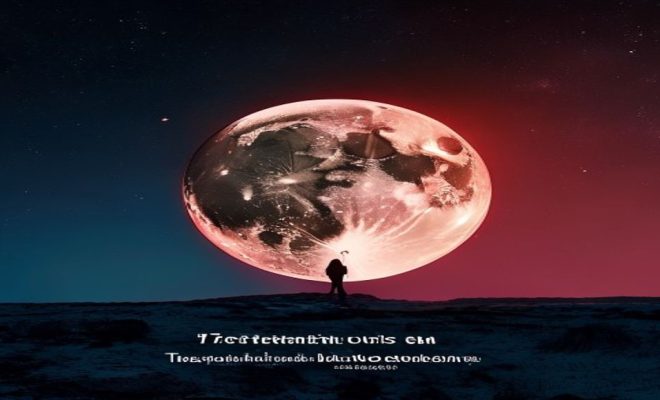
The night sky is set to showcase a breathtaking spectacle this Sunday, July 12, 2026, as a total lunar eclipse transforms the Moon into a vibrant blood red. This celestial event joins the ranks of the most visually captivating occurrences of the year, attracting not just astronomers but also casual observers and social media users eager to capture the moment. In this article, we’ll explore seven fascinating aspects of the upcoming total lunar eclipse that will have people buzzing with excitement.
1. What Is a Total Lunar Eclipse?
A total lunar eclipse occurs when the Earth comes between the Sun and the Moon, casting a shadow that completely covers the Moon. This alignment causes sunlight to be filtered through Earth’s atmosphere, scattering shorter wavelengths of light while allowing the longer red wavelengths to illuminate the Moon—resulting in the characteristic deep crimson hue. This striking color has led to the colloquial term “blood moon.”
During this total eclipse, the Moon will pass entirely into the Earth’s shadow, an event that can last several hours. However, the peak phase, where the Moon appears most vividly red, typically lasts for only a few minutes. The duration and visibility of the total lunar eclipse can vary based on geographic location, but for many, it’ll be a unique opportunity to witness one of nature’s most stunning phenomena. This builds on top global astronomy schools.
2. The Science Behind the Blood Red Color
When the Moon enters the Earth’s shadow, a process known as lunar reddening takes place. Sunlight passing through the atmosphere bends, or refracts, around the edges of the Earth and casts a reddish light on the Moon. This phenomenon is similar to the way sunrise and sunset skies are painted in shades of red and orange due to atmospheric scattering.
Dr. James Peterson, a prominent astronomer from the Royal Astronomical Society, emphasizes that understanding the science behind this occurrence is crucial. He will be hosting live streams during the eclipse to explain the intricacies of light scattering and answer questions from the public. This educational approach aims to combat the spread of misinformation often associated with such celestial events.
3. The Social Media Buzz
As the total lunar eclipse approaches, social media platforms are already abuzz with anticipation. Millions of users are expected to share their experiences and photos, contributing to an ever-growing archive of eclipse imagery. The phenomenon of the blood moon has previously driven significant spikes in Google search volume and social media engagement, highlighting the event’s viral appeal.
People often express their excitement and fear of missing out (FOMO), a sentiment that drives many to plan viewing parties or to participate in online discussions. The hashtag #LunarEclipse is likely to trend as people share their perspectives, making this celestial event not just a visual feast, but also a social experience.
4. Religious and Cultural Interpretations
The term “blood moon” carries with it a range of interpretations, particularly from various religious communities. Some view the total lunar eclipse as a prophetic sign, believing it heralds significant events or changes. This belief is rooted in historical texts and interpretations that have linked lunar eclipses with various religious prophecies.
Such interpretations can evoke emotional reactions, leading to discussions that intertwine science with spirituality. While many people celebrate the event for its astronomical significance, others may approach it with a sense of reverence or concern, adding layers of complexity to the public discourse surrounding the eclipse. (See: Lunar eclipse overview on Wikipedia.)
5. Global Visibility: Catching the Eclipse
One of the most exciting aspects of this total lunar eclipse is its global visibility. Most regions around the world will have the opportunity to witness this spectacular event, provided local weather conditions cooperate. Observers from North America to Europe, and even parts of Asia, will be treated to a front-row seat to this astronomical show.
Given that this particular eclipse won’t occur with the same intensity for another 15 years, it’s a once-in-a-lifetime chance for many. Those in urban areas with light pollution may want to seek out darker locations for the best viewing experience. The anticipation builds as people prepare to gather with friends and family, armed with cameras to capture the moment and share it with the world.
6. Live Streams and Educational Opportunities
With the rise of accessibility in technology, many organizations and astronomy enthusiasts will offer live streams of the total lunar eclipse. These streams not only provide a way for people unable to observe the eclipse in person to witness the event but also serve as an educational platform. Astronomers like Dr. Peterson will explain the event in real-time, providing insights that enhance the viewing experience.
These live broadcasts often attract large audiences, creating a virtual community of eclipse watchers who engage with experts and each other through live chat features. This engagement fosters a collective learning environment, where viewers can ask questions and deepen their understanding of lunar eclipses.
7. Preparing for the Total Lunar Eclipse
As the date draws closer, preparations are underway for many eager sky gazers. First and foremost, people should ensure they have a clear line of sight to the sky, away from city lights. Bringing along binoculars or a telescope can enhance the viewing experience, allowing observers to see intricate details of the lunar surface.
Additionally, planning for weather conditions is crucial. Checking local forecasts ahead of time can help you choose the best viewing spot. Some may even decide to host a viewing party, complete with snacks and drinks, to make the event more communal and enjoyable. Whether you’re a seasoned astronomer or a casual observer, the total lunar eclipse is an event that should not be missed, as it combines science, beauty, and community.
8. Why Total Lunar Eclipses Are Significant
Total lunar eclipses are not just beautiful spectacles; they hold scientific significance as well. They provide a unique opportunity for researchers to study the Earth’s atmosphere. By analyzing how the Earth’s shadow interacts with the Moon, scientists can gain insight into the atmospheric conditions on Earth. This can lead to a better understanding of how light travels through our atmosphere, which has implications for climate science and astronomy. must-have astronomy apps offers useful background here.
Moreover, they offer a chance for amateur astronomers to engage with complex astronomical phenomena. Observing a total lunar eclipse can teach valuable lessons about planetary alignment, light scattering, and celestial mechanics, thereby sparking interest in the field of astronomy among the general populace.
9. Historical Context of Lunar Eclipses
Lunar eclipses have fascinated humans for millennia. Ancient civilizations often correlated these celestial events with omens, deities, or significant historical events. In many cultures, the sight of a blood moon led to a flurry of myth-making and superstition. For instance, in ancient Mesopotamia, lunar eclipses were seen as signs of disaster for kings. The Babylonians even created elaborate strategies to mitigate the impact of eclipses on their rulers.
In more modern times, scientists like Galileo Galilei used lunar eclipses to make revolutionary discoveries about the nature of the solar system. By observing the way the Moon’s shadow moved across the Earth, he contributed to the heliocentric theory, which positioned the Sun at the center of the solar system rather than the Earth. Each total lunar eclipse, therefore, is a reminder of our shared human history and evolution in understanding the cosmos.
10. Statistics on Total Lunar Eclipses
According to NASA, there are typically between 2 to 5 lunar eclipses each year, but a total lunar eclipse occurs less frequently. The average frequency of total lunar eclipses is about 1 to 2 times every three years. In fact, the last total lunar eclipse visible in the United States occurred on January 20-21, 2019, and the next one after the 2026 event is scheduled for March 14, 2025. Knowing these statistics can add to the excitement, as it highlights how rare and special these events are. (See: NASA's eclipse information page.)
Moreover, the duration of totality during a lunar eclipse can also vary. The longest possible duration for a total lunar eclipse is about 1 hour and 40 minutes, although most tend to last around 30 to 60 minutes. This makes planning for viewing even more crucial, as the window for witnessing the peak of the eclipse is relatively short.
11. How to Capture the Moment
If you’re planning to document the total lunar eclipse, preparation is key. Here are some tips to help you capture the moment:
- Use a Tripod: Stability is important for long exposure shots. A tripod will help keep your camera steady, allowing for clearer images.
- Adjust Your Settings: Start with a low ISO and a small aperture to reduce noise. Gradually increase the exposure time as the Moon darkens.
- Experiment with Filters: Using a neutral density filter can help control the amount of light entering your camera, especially during the brightest parts of the eclipse.
- Take Test Shots: Prior to the eclipse, take some practice shots of the Moon to fine-tune your camera settings.
By following these simple suggestions, you can ensure that you’ll have stunning photographs to remember this extraordinary event. We covered leading HBCUs for astronomy in more detail.
12. Frequently Asked Questions (FAQ)
What causes a total lunar eclipse?
A total lunar eclipse occurs when the Earth is positioned directly between the Sun and the Moon, preventing sunlight from directly reaching the Moon and casting a shadow over it.
How often do total lunar eclipses happen?
Total lunar eclipses happen about 1 to 2 times every three years. However, the frequency can vary greatly depending on the specific eclipse cycle.
Will the total lunar eclipse be visible from everywhere?
While most regions of the world will have the opportunity to see the total lunar eclipse, visibility will depend on local weather conditions and time zones. Always check a reliable local source to confirm visibility in your area.
Is it safe to look at a total lunar eclipse?
Yes, it is completely safe to look at a total lunar eclipse with the naked eye. Unlike solar eclipses, which require special glasses, lunar eclipses pose no danger to your eyesight.
Can I still see the Moon during a total lunar eclipse?
Yes, during a total lunar eclipse, the Moon will take on a reddish hue. This phenomenon occurs due to the scattering of sunlight through the Earth’s atmosphere, which filters the light and casts a glow on the Moon.
13. The Impact of Climate on Eclipse Visibility
The weather conditions at the time of a total lunar eclipse can significantly impact visibility. Cloud cover or precipitation can obstruct views, turning what should be a stunning visual experience into a frustrating wait for breaks in the clouds. Historically, some of the most memorable eclipses have been marred by poor weather conditions, while others have been perfectly clear. (See: CDC's lunar eclipse feature.)
To optimize your chances of witnessing the total lunar eclipse, it’s wise to keep an eye on the weather forecasts in the days leading up to the event. Some places may have a higher likelihood of clear skies, making them ideal locations for viewing. For instance, areas with dry climates typically offer clearer nights compared to regions known for humidity and rain.
14. What to Expect During the Eclipse
To prepare for the total lunar eclipse, it’s important to understand the different stages of this event. A total lunar eclipse typically unfolds in several phases:
- Penumbral Phase: This initial phase occurs when the Moon begins to move into the Earth’s outer shadow (penumbra). It may appear slightly shaded but remains mostly bright.
- Partial Phase: As the Moon moves deeper into the Earth’s shadow, a part of it will start to darken. This is when observers can first note the eclipse’s effects.
- Total Phase: The most breathtaking part of the eclipse occurs when the Moon is fully immersed in the Earth’s shadow. This is when the Moon takes on its characteristic red hue, often captivating all who are watching.
- Exit Phases: After the total phase, the Moon will gradually leave the Earth’s shadow, returning to its normal brightness. Observers can watch as the red slowly fades away.
Understanding these phases can enhance your viewing experience, allowing you to share the excitement of each stage with your fellow observers.
15. Celebrating the Blood Moon: Community Events
Many communities and astronomy clubs take advantage of the excitement surrounding a total lunar eclipse to host special events. These might include viewing parties at local parks, planetarium presentations, or educational seminars to teach about the science of eclipses. Engaging with your local astronomy community can enhance the experience, as shared moments often create lasting memories. See also premier institutions for planetary science.
In addition to organized events, informal gatherings among friends or family can foster a sense of camaraderie. Whether you’re sharing snacks and drinks while watching the eclipse or discussing the science behind what you’re seeing, the communal aspect of the event can make it unforgettable.
The total lunar eclipse on July 12, 2026, promises to be an unforgettable experience. From its stunning visual effects to the cultural and scientific discussions it sparks, this celestial event has something for everyone. So mark your calendars, gather your friends, and prepare to be awed by the beauty of the blood moon.
“`
Trending Now
Frequently Asked Questions
What happens during a total lunar eclipse?
During a total lunar eclipse, the Earth aligns directly between the Sun and the Moon, casting a shadow that completely covers the Moon. This causes sunlight to filter through Earth's atmosphere, scattering shorter wavelengths and allowing longer red wavelengths to illuminate the Moon, resulting in its characteristic blood red color.
Why is the Moon red during a lunar eclipse?
The Moon appears red during a lunar eclipse due to a phenomenon called lunar reddening. As sunlight passes through Earth's atmosphere, it bends and scatters, filtering out shorter wavelengths and allowing longer red wavelengths to reach the Moon, creating the striking crimson hue.
How long does a total lunar eclipse last?
A total lunar eclipse can last several hours, but the peak phase, when the Moon appears most vividly red, typically lasts only a few minutes. The exact duration can vary depending on the observer's geographic location and the specifics of the eclipse.
When is the next total lunar eclipse?
The next total lunar eclipse will occur on July 12, 2026. This event will provide a unique opportunity for both astronomers and casual observers to witness the Moon transform into a vibrant blood red in the night sky.
What is a blood moon?
A blood moon is a colloquial term for the Moon during a total lunar eclipse when it takes on a deep crimson hue. This striking color is caused by the Earth's atmosphere scattering sunlight, allowing only the longer red wavelengths to illuminate the Moon.
Agree or disagree? Drop a comment and tell us what you think.