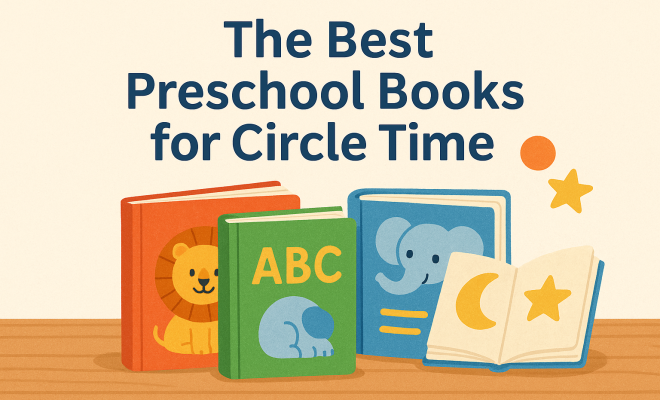
The Best Preschool Books for Circle Time
“`html
Circle time in preschool is a cherished ritual that fosters a sense of community, enhances language skills, and sparks creativity among young learners. One of the most powerful tools to make circle time effective is the selection of the right books. Choosing captivating preschool circle time books can turn this time into a magical journey of discovery and learning. In this article, we’ll explore eight exceptional books that are perfect for preschool circle time, each chosen for their ability to engage, educate, and entertain.
1. The Very Hungry Caterpillar: A Classic Journey of Transformation
Eric Carle’s The Very Hungry Caterpillar has captivated generations of children with its charming illustrations and simple yet engaging storyline. The book follows a caterpillar as it hatches from an egg and goes on a food-eating spree, eventually transforming into a beautiful butterfly. This delightful narrative not only introduces children to the concept of counting as they track the caterpillar’s meals, but it also teaches them about metamorphosis and the lifecycle of butterflies.
During circle time, educators can utilize this book to facilitate discussions about nature and the environment. Children can engage in activities that mimic the caterpillar’s transformation, further deepening their understanding. Additionally, the rhythmic language and repetitive structure make it a prime candidate for read-aloud sessions, encouraging participation and interaction.
2. Brown Bear, Brown Bear, What Do You See?: A Colorful Exploration of Animals
Another gem from Bill Martin Jr. and Eric Carle is Brown Bear, Brown Bear, What Do You See?. This book is not just about identifying colors and animals; it also fosters a sense of anticipation and excitement as children predict the next animal in the sequence. The repetitive phrasing and beautiful illustrations create an engaging experience that captivates young audiences.
To make the most of this book during circle time, educators can incorporate color-themed activities or animal sound games. For instance, after reading, children can match colors in their surroundings or create animal noises, which promotes both learning and fun. This interactive approach helps reinforce concepts while keeping the atmosphere lively.
3. Chicka Chicka Boom Boom: A Rhythmic Introduction to the Alphabet
For preschoolers who are just starting to learn their letters, Chicka Chicka Boom Boom by Bill Martin Jr. and John Archambault offers an energetic and rhythmic introduction to the alphabet. The story features letters climbing up a coconut tree, with an engaging rhyme that encourages children to chant along. The illustrations are vibrant and captivating, making it a visual treat.
This book can be used in circle time to introduce letter recognition and phonemic awareness. Educators can create letter-themed activities where children can act out the letters or even create their own coconut trees with letters. This hands-on approach will help solidify their understanding while making learning enjoyable. See also books for young learners.
4. Goodnight Moon: A Soothing Bedtime Classic
Margaret Wise Brown’s timeless classic, Goodnight Moon, is an excellent choice for circle time, particularly during transition periods like before nap time. The gentle rhythmic text and calming illustrations provide a soothing atmosphere, allowing children to wind down while engaging with the story. The book’s repetitive structure makes it easy for children to memorize and participate.
During circle time, educators can encourage children to share their own bedtime routines or favorite nighttime objects. This not only reinforces vocabulary but also helps children relate to the story personally. Creating a cozy corner with soft cushions or props from the book can transform the reading experience into a comforting ritual.
5. Where the Wild Things Are: A Journey of Imagination
Sending children on an imaginative journey, Maurice Sendak’s Where the Wild Things Are is a beloved classic that encourages creativity and emotional exploration. The story follows Max, a young boy who sails to an island inhabited by wild creatures. This book can spark discussions about emotions and bravery, as well as imaginative play. (See: The Very Hungry Caterpillar on Wikipedia.)
Incorporating this book into circle time allows educators to explore themes of feelings, adventure, and imagination. Teachers can encourage children to express how they feel when they are angry or scared, and how they can transform those feelings into creativity. Role-playing or crafting wild creature masks can further enhance the experience, making it memorable.
6. The Pout-Pout Fish: A Delightfully Rhyming Tale
Deborah Diesen’s The Pout-Pout Fish is a delightful book that employs a catchy rhyme and a fun storyline to teach children about positivity and the power of a smile. The story revolves around a fish who believes he is destined to be glum, until friends help him discover the joy of happiness. Its engaging narrative offers an excellent opportunity to discuss emotions and friendship.
During circle time, educators can initiate discussions about feelings and how they can change. Interactive activities, such as creating fish crafts or sharing what makes them happy, can make for a vibrant and participatory atmosphere. This book not only entertains but also imparts valuable life lessons, making it a fantastic addition to any circle time lineup.
7. Last Stop on Market Street: Celebrating Diversity and Community
Matt de la Peña’s Last Stop on Market Street is a beautifully illustrated book that tells the story of a young boy and his grandmother as they travel through the city. This story offers a unique perspective on community, diversity, and appreciation for the world around us. It serves as a springboard for important conversations about social consciousness and empathy.
Incorporating this book into circle time provides an opportunity to celebrate diversity and discuss the various people and places found in a community. Children can engage in activities that explore different cultures or even map out their community. This book encourages children to see beauty in diversity and understand the importance of inclusivity.
8. Pete the Cat: I Love My White Shoes: A Funky and Fun Musical Journey
James Dean and Eric Litwin’s Pete the Cat: I Love My White Shoes is a fantastic choice for circle time, bringing music and rhythm into the reading experience. Pete the Cat, with his catchy tunes and laid-back attitude, teaches kids about resilience and positivity as he steps in various messes yet continues to love his shoes. The interactive nature of the story invites children to sing along and participate actively.
This book can be integrated into circle time by incorporating music and movement. Children can create their own songs about different colors or even dance along while the story is being read. This allows for kinetic learning, which is particularly beneficial for young children who thrive on movement and music.
The Importance of Choosing the Right Preschool Circle Time Books
Choosing the right preschool circle time books is vital for several reasons. Firstly, these books set the tone for the learning environment, helping to foster a love for reading and storytelling. When children are excited about the books read during circle time, they are more likely to develop a lifelong passion for literacy.
Moreover, the themes and messages conveyed through these books can significantly influence children’s emotional and social development. Stories that delve into feelings, community, and diversity not only enrich vocabulary but also promote empathy and understanding among peers. Circle time becomes more than just a reading session; it transforms into an interactive learning experience that builds crucial life skills.
Tips for Maximizing Circle Time with Books
To make the most out of circle time using preschool circle time books, consider the following tips:
- Interactive Engagement: Encourage children to participate by asking questions, making predictions, and even acting out parts of the story.
- Follow-Up Activities: After reading, incorporate complementing activities such as crafts, songs, or games related to the book’s themes.
- Variety is Key: Rotate different books to keep circle time fresh and exciting. Introduce new authors and genres to broaden children’s literary exposure.
- Create a Cozy Environment: Arrange seating with cushions or themed decorations to create an inviting and comfortable space for reading.
By implementing these strategies, educators can enhance the circle time experience, making it more engaging and enjoyable for preschoolers. (See: CDC on the importance of early childhood education.)
Exploring Themes in Preschool Circle Time Books
Every book comes with its unique themes, and exploring these can deepen children’s understanding and engagement. Here are a few common themes often found in preschool circle time books:
- Friendship: Books like The Pout-Pout Fish and Last Stop on Market Street delve into the importance of friendships and social bonds. Discussing these themes helps children learn how to navigate their emotions and relationships with peers.
- Imagination: Stories like Where the Wild Things Are expose children to the wonders of imagination, inspiring them to create their narratives or games, fostering creativity and innovative thinking.
- Emotional Awareness: Books such as Goodnight Moon and The Very Hungry Caterpillar encourage discussions about feelings and transitions, which can be relatable for many children as they navigate their daily experiences.
- Cultural Appreciation: Introducing stories that celebrate different cultures, like Last Stop on Market Street, can help children appreciate diversity and foster inclusivity, making them aware of the rich tapestry of experiences around them.
Utilizing these themes during circle time not only enriches the reading experience but also equips children with essential life skills in empathy, creativity, and social awareness.
The Role of Educators in Circle Time
Educators play a crucial role in shaping the circle time experience. Their involvement and enthusiasm can significantly impact how children perceive reading and learning. Here are some strategies for educators to enhance their effectiveness during circle time:
- Be Animated: Use varied voices for different characters and incorporate facial expressions. This helps to capture children’s attention and makes the story come alive.
- Encourage Participation: Prompt children to share their thoughts or experiences related to the story. This not only fosters communication skills but also builds a sense of community among the children.
- Use Visual Aids: Incorporating props, puppets, or visual aids can enhance understanding. For instance, using a caterpillar puppet when reading The Very Hungry Caterpillar can make the experience more engaging and memorable.
- Create a Routine: Establishing a predictable routine during circle time can help children feel secure and eager to participate. Consistent elements, such as a welcome song or a closing activity, create familiarity and comfort.
By being intentional in their approach, educators can maximize the benefits of circle time, making it a highlight of the preschool day.
Statistics on Reading to Young Children
Research consistently shows the benefits of reading to children from a young age. Here are some compelling statistics that underscore the importance of circle time and reading:
- According to the National Research Council, reading aloud to children is one of the most effective ways to foster literacy skills, as it significantly enhances vocabulary and comprehension.
- A study published in the journal Developmental Psychology found that children who are read to regularly demonstrate higher language skills and cognitive performance than their peers who are not.
- The American Academy of Pediatrics recommends that children start reading and being read to as early as six months, emphasizing that early exposure to books can lead to better outcomes in literacy and academic achievement.
- Data from the National Center for Education Statistics indicates that children who are read to daily are more likely to enter kindergarten with the skills necessary for academic success.
These statistics highlight the vital role of circle time and reading in preschool settings, reinforcing the importance of selecting engaging and educational books that resonate with young learners.
Frequently Asked Questions About Preschool Circle Time Books
1. What age group is best suited for circle time?
Circle time is typically designed for preschoolers, ages 3 to 5. This age group benefits greatly from social interaction, language development, and structured activity, making circle time an essential part of their educational experience.
2. How long should circle time last?
Circle time should last around 15 to 30 minutes, depending on the children’s attention spans and the structure of the session. Keeping it concise and engaging is crucial to maintaining their interest.
3. Can I incorporate technology into circle time?
Yes! Incorporating technology can be beneficial if done thoughtfully. Using interactive e-books or educational apps related to the themes of the books being read can add an exciting dimension to circle time. However, it’s essential to strike a balance between screen time and traditional reading. (See: NIH on the benefits of reading to children.)
4. How can I choose the right books for circle time?
Consider the interests and developmental levels of the children in your group. Look for books with engaging illustrations, repetitive text, and relatable themes. It can also be helpful to include a mix of genres, such as poetry, picture books, and informational texts. Related reading: top kids' reads.
5. What are some activities to pair with circle time books?
Activities can range from arts and crafts related to the book’s themes, singing songs, role-playing characters, or even simple discussions about the story. The key is to make activities interactive and fun, reinforcing the concepts from the book.
Additional Considerations for Circle Time
As you curate your selection of preschool circle time books, it’s also important to consider the pacing of the session. Children thrive on routine, so maintaining a consistent schedule can help create a secure environment where they feel comfortable to explore and express themselves.
Another important aspect is the diversity of your book selection. Aim to include books that represent different cultures, family structures, and abilities. This inclusiveness not only fosters a sense of belonging among all children but also helps them develop an understanding and appreciation for the world around them.
Engaging Parents in Circle Time
Don’t overlook the role of parents in the circle time experience. Sharing the titles of the books being read can encourage parents to discuss them at home, reinforcing the lessons learned during circle time. Consider hosting occasional family reading nights where parents can participate in storytime sessions, further bridging the gap between home and school learning.
Involving parents also allows them to see firsthand how their children interact in a group setting, which can be both enlightening and beneficial for fostering a supportive educational environment.
Conclusion
The right preschool circle time books can turn an ordinary reading session into an extraordinary learning experience. By choosing engaging stories that resonate with young learners, educators can cultivate a love for reading while promoting essential social and emotional skills. The books mentioned here are just a starting point; the world of literature is vast and filled with treasures waiting to be discovered during circle time.
“`
Trending Now
Frequently Asked Questions
What are the best preschool books for circle time?
Some of the best preschool books for circle time include 'The Very Hungry Caterpillar' by Eric Carle and 'Brown Bear, Brown Bear, What Do You See?' by Bill Martin Jr. These books engage young learners with captivating stories and illustrations, making them perfect for fostering discussion and creativity during circle time.
Why is circle time important in preschool?
Circle time is important in preschool as it fosters a sense of community, enhances language skills, and encourages creativity among young learners. It provides a structured environment where children can engage with stories, participate in discussions, and develop social skills.
How can books enhance circle time activities?
Books enhance circle time activities by providing engaging narratives that spark discussions and promote interaction. They can introduce educational concepts, encourage participation through repetitive phrasing, and facilitate creative activities related to the story, making learning enjoyable.
What themes should preschool circle time books cover?
Preschool circle time books should cover themes such as nature, colors, animals, and transformations. Books like 'The Very Hungry Caterpillar' teach about metamorphosis, while 'Brown Bear, Brown Bear, What Do You See?' focuses on colors and animal recognition, enriching children's learning experiences.
How do you choose books for preschool circle time?
When choosing books for preschool circle time, look for engaging stories with vibrant illustrations, repetitive language, and interactive elements. The books should be age-appropriate and capable of sparking discussions or activities that enhance children's understanding and creativity.
What did we miss? Let us know in the comments and join the conversation.