Best Sensory-Friendly School Supplies
“`html
The world of education often overlooks the unique needs of students with sensory sensitivities. Whether it’s the texture of a pencil, the sound of a classroom, or the brightness of fluorescent lights, many children struggle to engage fully in a traditional learning environment. For these children, sensory-friendly school supplies can make a world of difference. Not only do they help minimize distractions, but they can also promote learning and comfort.
This article explores the best sensory-friendly school supplies that cater to children with sensory processing challenges. From soft, tactile materials to noise-canceling headphones, these tools are designed to create a more inclusive and effective learning experience. Let’s dive into the essentials!
1. Fidget Tools: Redirecting Energy
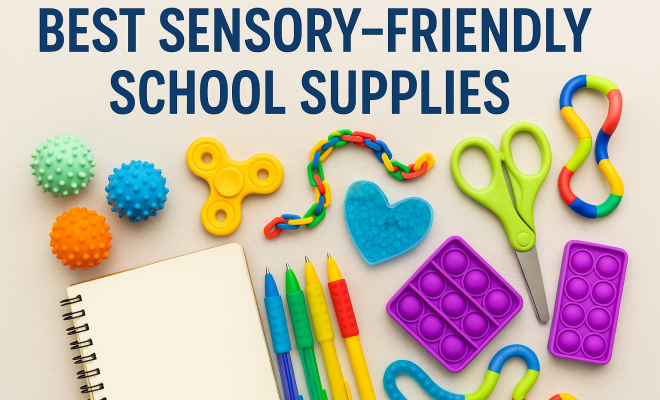
Fidget tools are a must-have for students who need to keep their hands busy while concentrating. These items come in various forms—stress balls, fidget spinners, and textured cubes are just a few examples. Research shows that fidgeting can actually improve focus and concentration for some children, especially those with ADHD or anxiety disorders.
When selecting fidget tools, consider the noise level and the classroom environment. For instance, silent fidget spinners or squishy stress balls can be great options for minimizing disruption. The right fidget tool allows students to release pent-up energy without drawing attention to themselves, creating a more conducive learning environment.
2. Noise-Canceling Headphones: Finding Peace in Chaos
Noise-canceling headphones are essential sensory-friendly school supplies for children who may be overwhelmed by auditory stimuli. These headphones can help block out distracting sounds from the classroom, allowing students to focus more intently on their work. They are particularly useful during tests or when students need to engage in quiet reading time.
When shopping for noise-canceling headphones, look for comfortable designs with adjustable headbands. Lightweight options are preferable, as they won’t add extra pressure to a child’s ears during long periods of use. Some brands even offer customizable sound settings, enabling parents to tailor the experience based on their child’s preferences.
3. Weighted Blankets: Comfort and Stability
Weighted blankets have gained popularity for their calming effects on children with sensory processing disorders. The gentle pressure of these blankets can provide a sense of security, helping to reduce anxiety and promote relaxation. In a classroom setting, a child may use a weighted lap pad for added comfort during lessons.
Choosing the right weight is crucial. Experts recommend that the blanket should be about 10% of the child’s body weight. Additionally, breathable fabrics, like cotton or bamboo, can prevent overheating, making the blanket more comfortable for extended use in school. (complete guide to sensory spaces)
4. Textured Writing Instruments: Sensory Engagement
Not all writing tools are created equal, especially for children with sensory sensitivities. Textured writing instruments, such as ergonomic pencils and gel pens with soft grips, can significantly improve the writing experience. These supplies provide tactile feedback, making it easier for children to hold and use them comfortably.
Look for pencils that are triangular-shaped or have soft, squishy grips to help with hand fatigue and improve grip. Gel pens with vibrant colors and smooth ink flow can also engage students more actively in their writing tasks, turning potentially mundane assignments into enjoyable activities.
5. Calming Visuals: Enhancing Focus
Calming visuals can play a significant role in creating a sensory-friendly classroom environment. Items like soft-colored posters, calming images, or even mood boards can help set a serene atmosphere, which is crucial for children with sensory sensitivities. These visuals can minimize distraction and help students center their focus. (See: CDC guidelines on ADHD management.)
Teachers can incorporate these visuals around the classroom, creating designated calming corners with bean bags, soft lighting, and inspirational images. This space allows children to take breaks when feeling overwhelmed, helping them to manage their sensory needs more effectively.
6. Flexible Seating Options: Movement Matters
Traditional desks and chairs can be uncomfortable for children who struggle with sensory sensitivities. Flexible seating options, such as wobble chairs, bean bags, or floor cushions, allow students to choose their seating arrangements based on their comfort levels. This flexibility is essential in promoting active engagement and reducing restlessness.
Implementing flexible seating can encourage movement and collaboration among students. Studies have shown that when children are comfortable, they are more likely to participate actively in class discussions and activities.
7. Organizational Tools: Reducing Overwhelm
Organization can be a significant challenge for students with sensory sensitivities. Cluttered desks or chaotic binders can lead to distractions and overwhelm. Sensory-friendly organizational tools, like color-coded folders, clear storage bins, and labeled boxes, can help students keep their materials tidy and accessible.
By streamlining organization, children can focus on their tasks rather than the chaos around them. Finding organizational systems that are visually appealing can also make the process more enjoyable for children, encouraging them to maintain their workspace.
8. Soft Lighting Options: Soothing the Senses
Harsh fluorescent lighting can be particularly bothersome for sensory-sensitive individuals. Soft, adjustable lighting options, like LED lamps or natural light filters, can create a more inviting atmosphere in classrooms. These alternatives can reduce glare and create a calming environment that supports students’ focus and well-being.
Consider using lamps with adjustable brightness or colored bulbs that can be tailored to the mood of the classroom. Implementing these lighting options can help students feel more comfortable and ready to learn.
9. Odor-Free Supplies: Keeping It Neutral
Strong odors from certain school supplies, such as markers and glues, can be overwhelming for students with sensory sensitivities. Opting for odor-free versions of these supplies can create a more pleasant and less distracting environment. Look for non-toxic, scent-free alternatives that provide the same functionality without the overpowering smells.
When selecting odor-free supplies, read labels and choose products that are specifically designed for sensitive individuals. Many brands now offer a range of odor-neutral options, so parents can easily find suitable supplies for their children.
10. Customizable Learning Tools: Adapting to Individual Needs
Finally, customizable learning tools provide the flexibility necessary for sensory-sensitive children to thrive. Items like adjustable tablet stands, personalized planners, and interactive learning apps can cater to individual learning styles and sensory preferences. These tools can help create a more engaging and less stressful learning experience.
Look for tools that allow for personalization, enabling students to adapt their learning materials to fit their needs. Technology can play a significant role in this adjustment, as many apps and devices offer customizable options that can enhance a child’s educational journey.
11. The Role of Parents and Educators: A Collaborative Approach
Collaboration between parents and educators is crucial in identifying and implementing sensory-friendly school supplies. Parents often have valuable insights into their child’s needs, preferences, and triggers. Open communication can help teachers understand how to best support their students in the classroom.
Schools can organize workshops or training sessions for teachers on sensory sensitivities and how to create an inclusive environment. Involving parents in these initiatives can foster a stronger community, where parents feel empowered to advocate for their children’s needs while educators are better equipped to accommodate diverse learning styles. (See: NIH resources on ADHD treatment.)
12. Case Studies: Success Stories from Sensory-Friendly Classrooms
Many schools have successfully integrated sensory-friendly supplies into their classrooms, leading to improved student outcomes. For example, a school in California implemented a sensory corner equipped with fidget tools, noise-canceling headphones, and calming visuals. Teachers reported a significant decrease in behavioral issues and an increase in student engagement. Students were more willing to participate in class activities and reported feeling less anxious.
In another instance, a school district in New York introduced flexible seating options, allowing students to choose how and where they sit. This change led to higher productivity levels and a noticeable reduction in off-task behavior. Feedback from both students and teachers highlighted the benefits of giving children the autonomy to adjust their learning environment.
13. Statistics on Sensory Sensitivities
Understanding the prevalence of sensory sensitivities can help educators and parents recognize the importance of sensory-friendly supplies. According to the CDC, approximately 1 in 6 children experience sensory processing issues. Furthermore, studies indicate that students with sensory processing disorders may have lower academic performance compared to their peers, highlighting the need for tailored learning environments. We covered inclusive learning strategies in more detail.
Research published in the Journal of Autism and Developmental Disorders found that sensory-friendly interventions significantly improved students’ focus and academic performance. These statistics underscore the importance of creating an inclusive educational setting that accommodates diverse sensory needs.
14. Frequently Asked Questions (FAQs)
Q1: What are sensory-friendly school supplies?
A: Sensory-friendly school supplies are designed to cater to the needs of students with sensory sensitivities. They include items that minimize distractions, provide comfort, and support different learning styles.
Q2: How can I determine if my child needs sensory-friendly supplies?
A: Look for signs of sensory overload, such as anxiety, difficulty concentrating, or avoidance of certain tasks. If your child struggles in traditional learning environments, they may benefit from sensory-friendly tools.
Q3: Are sensory-friendly supplies expensive?
A: The cost can vary. While some specialized items may be pricier, many sensory-friendly supplies are affordable and can be found at local stores or online retailers. Investing in these supplies can lead to better learning outcomes. This builds on tips for a peaceful classroom.
Q4: Can sensory-friendly supplies be used at home as well?
A: Absolutely! Sensory-friendly supplies can benefit children in any environment. Incorporating them at home can create a consistent and supportive atmosphere for learning and play.
Q5: How can schools implement sensory-friendly practices?
A: Schools can start by assessing the sensory needs of their students, training staff on sensory sensitivities, and gradually introducing sensory-friendly supplies and practices in the classroom.
15. The Importance of Sensory-Friendly School Supplies
Understanding why sensory-friendly school supplies are essential goes beyond just practicality. These supplies play a critical role in shaping a child’s emotional and psychological well-being. When children with sensory sensitivities have access to tools that cater to their needs, it fosters a sense of belonging and acceptance. This sense of security allows them to engage with their education without the looming stress of sensory overload.
For instance, a child who uses noise-canceling headphones will likely feel less anxious in a noisy school environment. This can lead to improved participation in group activities and better overall social interactions. The result? Students not only thrive academically but also develop stronger interpersonal skills as they feel more comfortable in their surroundings.
16. Expert Perspectives on Sensory Needs
Experts in child psychology and education emphasize the need for awareness of sensory processing issues. Dr. Sarah Williams, a child psychologist specializing in sensory integration, states, “Every child has a unique sensory profile. Understanding these profiles helps educators create environments where all children can succeed.” Her insights highlight the necessity of personalized approaches in understanding sensory needs.
Additionally, educators like Mr. James Taylor, who has experience working with children with special needs, advocate for continuous training on sensory issues. “When teachers are trained to recognize the signs of sensory overload,” he explains, “they can preemptively provide solutions, like sensory breaks or the introduction of calming tools.” His experience underlines the importance of preparedness in the classroom.
17. How to Advocate for Sensory-Friendly Supplies
Parents and caregivers can take an active role in advocating for sensory-friendly supplies in schools. Start by having open discussions with teachers and school administrators about your child’s specific needs. Share observations and offer suggestions for supplies that could help. It may also be beneficial to provide research or articles that highlight the benefits of these materials.
Additionally, consider forming a parent-teacher group focused on sensory-friendly practices. This collaborative effort can help raise awareness and encourage schools to adopt sensory-friendly tools. Remember, the more parents and teachers engage in conversations about sensory needs, the more likely schools will prioritize these resources.
18. Tips for Selecting Sensory-Friendly Supplies
Choosing the right sensory-friendly school supplies can feel overwhelming, but a few guidelines can simplify the process:
- Consider the Individual: Every child is different. What works for one may not work for another. Take into account their specific sensitivities and preferences.
- Check Reviews: Look for feedback from other parents and educators about specific products. This can give you insight into the effectiveness of certain items.
- Trial and Error: Sometimes, you won’t know what works until you try it out. Be open to experimenting with different tools and supplies.
- Involve Your Child: Whenever possible, let your child participate in selecting their supplies. This can empower them and help them feel more in control of their learning environment.
19. Additional Resources
For families and educators looking to learn more about sensory-sensitive needs and supplies, several reputable resources are available:
- Sensory Processing Disorder Foundation: Offers insights, resources, and support for families of children with sensory processing challenges.
- Education Corner: Provides articles and information about inclusive educational practices, including sensory-friendly strategies.
- ADDitude Magazine: A resource for parents and educators of children with ADHD and related conditions, including sensory processing challenges.
- Child Mind Institute: A nonprofit organization that provides resources and support for children’s mental health, including sensory issues.
Incorporating sensory-friendly school supplies into everyday learning not only supports children with sensory sensitivities but also promotes a more inclusive educational environment overall. Whether you’re a parent, teacher, or caregiver, understanding the importance of these supplies can empower students to learn more effectively and enjoyably.
“`
Trending Now
Frequently Asked Questions
What are sensory-friendly school supplies?
Sensory-friendly school supplies are specially designed tools that cater to students with sensory sensitivities. These items, such as fidget tools and noise-canceling headphones, help minimize distractions and create a more inclusive learning environment, enhancing comfort and focus for children with sensory processing challenges.
How can fidget tools help students concentrate?
Fidget tools can improve concentration by allowing students to redirect their energy while focusing on tasks. Items like stress balls and fidget spinners provide a discreet way for children to manage restlessness, which can enhance their ability to concentrate, especially for those with ADHD or anxiety.
Why are noise-canceling headphones important in school?
Noise-canceling headphones are crucial for students who are easily overwhelmed by classroom noise. They help block distracting sounds, enabling students to focus better on their work, particularly during tests or quiet reading periods, thus promoting a more effective learning experience.
What features should I look for in sensory-friendly supplies?
When choosing sensory-friendly supplies, consider features like texture, noise level, and comfort. Look for items that minimize distractions, such as silent fidget tools and comfortable noise-canceling headphones, to ensure they meet the unique needs of students with sensory processing challenges.
Can sensory-friendly school supplies improve learning?
Yes, sensory-friendly school supplies can significantly improve learning by creating a more comfortable and focused environment. By addressing sensory sensitivities, these tools help reduce distractions, allowing students to engage better with their lessons and enhance their overall educational experience.
Have you experienced this yourself? We'd love to hear your story in the comments.