Top Compression Socks for Teachers: Comfort & Support
“`html
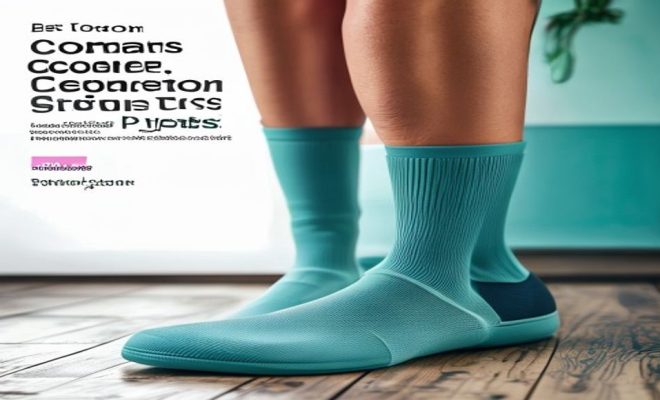
Teaching is undoubtedly a rewarding profession, but it often comes with its own set of challenges. Long hours on your feet, navigating from classroom to classroom, and managing a busy schedule can take a toll on your legs and feet. This is where compression socks for teachers come in. They can provide the much-needed support and comfort that every educator deserves. In this article, we’ll explore the best compression socks for teachers, detailing their benefits, key features, and some top recommendations to help you make the best choice.
1. Understanding Compression Socks
Compression socks are specially designed garments that apply gentle pressure to your legs and feet. This pressure helps improve blood circulation, reduce swelling, and prevent fatigue—issues that are all too common for teachers. With the right pair of compression socks, you can enjoy a more comfortable day, whether you’re standing in front of a classroom, running errands, or attending meetings. (top teacher shoes)
Typically, these socks come in various compression levels measured in mmHg (millimeters of mercury). For teachers, a moderate compression level of 15-20 mmHg is often recommended, as it strikes a balance between support and comfort. Higher levels may be beneficial for individuals with specific medical conditions, but they can also feel tighter and might not be suitable for all-day wear.
2. Benefits of Compression Socks for Teachers
Investing in a good pair of compression socks brings a plethora of benefits to teachers. First and foremost, they enhance blood flow. Enhanced circulation helps to reduce the risk of conditions such as varicose veins or Deep Vein Thrombosis (DVT), especially for those who spend prolonged periods standing or walking.
Moreover, compression socks can alleviate discomfort associated with long hours of teaching. Many teachers report less fatigue and soreness in their legs after wearing these socks throughout the day. Additionally, they can also help with muscle recovery if you’re active after school hours, whether at the gym or chasing after kids.
Statistically, studies have shown that wearing compression socks can reduce leg swelling by as much as 30% in some individuals, making them a valuable tool for teachers whose daily activities involve extended periods of standing or walking around the classroom.
3. Key Features to Look For
When searching for the best compression socks for teachers, certain features can enhance your overall experience. First, consider the material. Look for moisture-wicking fabrics that keep your feet dry and comfortable, especially during busy school days.
Next, think about the fit. Compression socks should fit snugly but not so tight that they restrict movement. It’s also essential to find the right length—knee-high compression socks are popular among teachers because they provide excellent support while remaining discreet under professional attire.
Another feature to consider is the level of breathability. With long hours in the classroom, socks that allow air circulation can help prevent overheating and discomfort. Compression socks that are made with a blend of synthetic fibers and natural materials tend to achieve this balance effectively.
4. Top Compression Socks Picks for Teachers
There’s a wide variety of compression socks available, so here are some top picks that are particularly well-suited for teachers: (See: Benefits of compression socks.)
- CompressionZ Compression Socks: These knee-high socks are crafted from a blend of nylon and spandex, providing a good balance of durability and stretch. They offer moderate compression and come in multiple colors and patterns, allowing teachers to express their style.
- Physix Gear Sports Compression Socks: Designed with athletes in mind, these socks deliver excellent arch support. They feature moisture-wicking technology and a comfortable fit, making them perfect for long days in the classroom.
- Doc Miller Compression Socks: Known for their breathable fabric, Doc Miller socks help keep your feet cool and dry. They offer graduated compression, which is optimal for improving circulation, and their stylish designs are perfect for any professional setting.
- Sockwell Compression Socks: These socks are not only functional but also stylish. They use a blend of merino wool, which is known for its temperature-regulating properties, making them ideal for year-round wear. The graduated compression helps with circulation, particularly beneficial for teachers on their feet all day.
- Figs Compression Socks: Figs offers compression socks tailored specifically for healthcare professionals but are a great fit for teachers too. They blend style and comfort, featuring fun designs and compressive benefits to alleviate leg fatigue.
5. How to Properly Wear Compression Socks
Wearing compression socks correctly is crucial for maximizing their benefits. Start by putting them on first thing in the morning, before you’ve been on your feet for an extended period. This practice helps prevent swelling.
When putting them on, make sure they’re smooth and not bunched up at the ankles or knees. If you find it difficult to put them on, consider using a sock aid or opting for knee-high styles that are easier to manage. Remember to remove them at night, as they’re designed for daytime wear.
It’s also worth noting that many experts recommend taking breaks during the day to elevate your legs. This practice can further enhance circulation and provide additional relief from the strain of standing for long periods.
6. Addressing Common Concerns
Many teachers might have concerns about wearing compression socks. One common worry is the potential discomfort due to tightness. It’s important to choose the right size and compression level tailored to your needs. If you’re unsure, consult with a healthcare professional to find the best option.
Another concern can be the style or appearance of compression socks. Fortunately, many brands offer fashionable options that blend seamlessly into your wardrobe. Whether you prefer solid colors or fun patterns, there’s likely a pair that fits both your aesthetic and functional needs.
There’s also the question of how long one should wear compression socks. While many teachers find relief from wearing them throughout their workday, it’s generally advisable to wear them for 8-12 hours at a time. Overuse can lead to discomfort, so listen to your body and adjust your usage as necessary.
7. Testimonials from Teachers
Don’t just take our word for it! Many teachers have shared their positive experiences with compression socks. For instance, Emily, a high school math teacher, noted, “Since I started wearing compression socks, I no longer feel fatigued by the end of the day. It’s like a weight has been lifted off my legs!”
Similarly, Mark, a middle school physical education teacher, added, “I was skeptical at first, but after a week of wearing them, I noticed a significant reduction in swelling. They’ve become an essential part of my teaching wardrobe.” These testimonials highlight that compression socks can genuinely make a difference in daily comfort.
Sarah, an elementary school teacher, shared, “I love how I can wear these socks with both professional attire and casual outfits. They’re stylish, and I’ve even received compliments from students!” The versatility of compression socks makes them a popular choice among educators of all grade levels.
8. Where to Buy Compression Socks for Teachers
Finding the right compression socks is easier than ever. You can purchase them at local drugstores, sporting goods stores, and specialty retailers. However, online shopping is often the most convenient option, with numerous brands offering extensive selections. Websites like Amazon, Zappos, and even brand-specific sites provide customer reviews, which can help guide your decision. (See: Understanding circulation and health.)
When buying online, pay close attention to sizing charts and return policies, ensuring that you can exchange them if they don’t fit as expected. Many brands also offer money-back guarantees, which can provide extra peace of mind when making your purchase.
Besides online retailers, don’t overlook local health and wellness stores that may have knowledgeable staff to help you choose the right product. Additionally, consider checking with fellow teachers for recommendations based on their personal experiences.
9. Frequently Asked Questions (FAQ)
What are compression socks and how do they work?
Compression socks are specialized hosiery designed to apply pressure to your legs and feet. This pressure supports blood flow and reduces discomfort and swelling. They work by compressing the veins, which helps promote better circulation and prevent blood pooling in the legs.
How do I know what compression level I need?
Compression levels are typically labeled in mmHg. For most teachers, a level between 15-20 mmHg is optimal for everyday use. If you have underlying health conditions or specific concerns, consult with a healthcare professional to determine what’s best for you.
Can I wear compression socks all day?
Yes, many people wear compression socks all day, especially during long working hours. However, it’s important to listen to your body. If you start to experience discomfort, it’s a good idea to take breaks and occasionally remove them, especially if you’re sitting for extended periods.
Are there any side effects of wearing compression socks?
Side effects are rare, but some people may experience skin irritation or discomfort if the socks are too tight or not the right size. Always ensure that you’re wearing the appropriate size and consult with a healthcare provider if you have concerns.
How do I clean my compression socks?
Most compression socks are machine washable, but it’s best to check the care instructions on the label. Generally, it’s recommended to wash them in cold water and air dry to maintain elasticity and compression levels.
10. Understanding the Science Behind Compression
The science behind compression socks is fairly straightforward yet fascinating. The graduated compression design means that the socks are tighter at the ankle and gradually loosen as they go up the leg. This design promotes optimal blood flow back to the heart, which can be particularly beneficial for teachers who stand or walk for extended periods.
Research has demonstrated that such compression can help reduce the risk of blood clots and improve overall vascular health. A study published in the Journal of Vascular Surgery found that compression therapy can significantly lower the incidence of venous disorders in occupations that require prolonged standing, making them a sensible choice for educators. (See: Harvard's take on compression socks.)
In addition to helping with blood circulation, compression socks can also support the muscles and reduce muscle oscillation during activity. This can lead to less soreness and quicker recovery times after physical exertion, which is especially beneficial for teachers who might engage in activities such as physical education classes or after-school sports.
11. Comparative Analysis: Compression Socks vs. Regular Socks
It might seem simple to just wear regular socks, but when comparing compression socks to standard options, the differences are clear. Regular socks do not provide any of the support or compression that can enhance blood circulation and reduce fatigue.
For instance, a regular sock lacks the graduated compression that helps push blood upwards towards the heart, which is fundamental in preventing pooling in the lower legs. This can be crucial for teachers who spend their days on their feet.
Another notable difference is the material used in compression socks. They are often made from high-tech fibers that wick moisture away from the skin, whereas regular socks may not offer the same level of moisture management, leading to discomfort and a higher likelihood of blisters.
Moreover, compression socks can come with additional features like arch support, extra cushioning at pressure points, and anti-odor technology, which are typically not found in regular socks. Thus, the choice between compression socks and regular socks can significantly impact comfort and performance during long teaching hours.
12. Tips for Choosing the Right Compression Socks
Choosing the right pair of compression socks can seem daunting with so many options available. Here are some tips to help guide your selection:
- Consult with a Doctor: If you have existing health conditions, it’s a good idea to talk to a healthcare provider before choosing compression socks. They can help you determine the right compression level and fit for your specific needs.
- Read Reviews: Before making a purchase, take some time to read customer reviews and ratings. This can provide insights into the comfort, durability, and effectiveness of the socks you’re considering.
- Consider Length: While knee-high socks are popular, there are also thigh-high options available. Depending on your comfort level and the type of clothes you wear, you may prefer one length over the other.
- Try Different Brands: Different brands may fit differently, even if they are the same size, so trying out a few can help you find your perfect match.
- Look for Special Features: Some socks come with additional features like graduated compression, arch support, or reinforced heels. Think about what features might be beneficial for you personally.
13. Conclusion: Make the Switch to Compression Socks
With so many benefits to wearing compression socks, it’s clear they can be an invaluable addition to any teacher’s wardrobe. From promoting better blood circulation to reducing fatigue and swelling, these socks are designed to keep you comfortable throughout your busy day. So, if you’re a teacher looking to enhance your comfort levels, consider investing in a reliable pair of compression socks. The difference they can make is nothing short of remarkable.
“` We covered adult lunch boxes for teachers in more detail.
Trending Now
Frequently Asked Questions
What are the benefits of compression socks for teachers?
Compression socks for teachers enhance blood circulation, reduce swelling, and alleviate fatigue. They help prevent conditions like varicose veins and Deep Vein Thrombosis (DVT), making them ideal for those spending long hours on their feet.
What level of compression is best for teachers?
A moderate compression level of 15-20 mmHg is often recommended for teachers. This level provides a good balance of support and comfort, suitable for all-day wear during busy teaching schedules.
How do compression socks work?
Compression socks apply gentle pressure to the legs and feet, which improves blood circulation and reduces swelling. This support helps alleviate discomfort and fatigue, especially for those who stand or walk for extended periods.
Can compression socks help with leg fatigue?
Yes, many teachers report that wearing compression socks significantly reduces leg fatigue and soreness. The improved circulation they provide helps keep legs feeling fresh during long teaching days.
Are there different types of compression socks?
Yes, compression socks come in various styles and compression levels. They can be knee-high or thigh-high, and the compression levels are measured in mmHg, allowing users to choose based on their comfort and support needs.
Have you experienced this yourself? We'd love to hear your story in the comments.