The Best Toy Doctor Kits for Kids
“`html
If you’ve noticed your little ones showing interest in doctor play or nurturing activities, you’re not alone. Many children are naturally drawn to the idea of caring for others, and toy doctor kits provide an excellent way to channel that curiosity. These kits not only serve as fun playtime accessories but also play a crucial role in child development. Let’s explore the best toy doctor kits available today and understand why they capture the hearts and imaginations of children everywhere.
1. What Are Toy Doctor Kits?
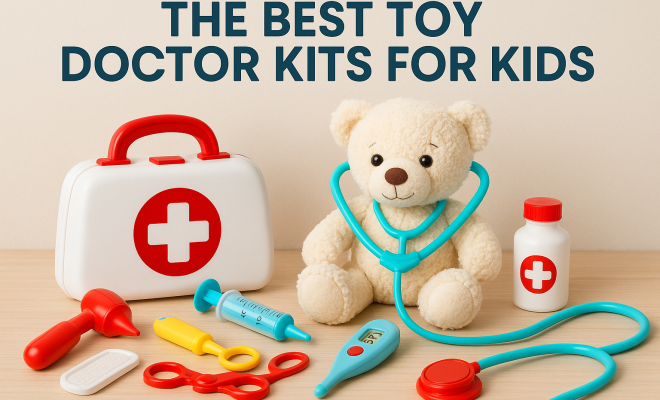
Toy doctor kits are playsets designed to mimic the tools and equipment used by medical professionals. They often include an array of items such as stethoscopes, thermometers, syringes, and even plush dolls to practice on. These kits encourage imaginative play and help children understand the medical world in a fun and engaging way.
The origins of toy doctor kits can be traced back to the early 20th century, when simple wooden sets began to appear on the market. Over time, these kits have evolved, incorporating educational elements and realistic features. Today’s kits are designed not only for entertainment but also for educational purposes, addressing social skills, empathy, and problem-solving abilities. As children role-play as doctors or nurses, they learn to express themselves and develop a better understanding of health care.
2. The Benefits of Playing with Toy Doctor Kits
Engaging with toy doctor kits provides numerous benefits for children. Firstly, these kits promote imaginative play, allowing kids to step into the shoes of a doctor and navigate various scenarios. This kind of play is crucial for cognitive development, as it enhances creativity and critical thinking skills.
Moreover, playing with doctor kits can also have therapeutic benefits. For children who may have experienced a medical procedure or hospital visit, these toys offer a way to process their feelings about such experiences. By acting out scenarios, kids can gain confidence and reduce anxiety related to doctor’s visits. It becomes a safe space for them to express their fears and understand what happens during medical treatments.
Additionally, toy doctor kits can enhance children’s communication skills. As they interact with peers or caregivers during play, they practice verbalizing their thoughts and negotiating roles and scenarios. This helps in developing language skills and boosts their social interactions.
3. Top Toy Doctor Kits for Kids
When it comes to choosing the perfect toy doctor kit, you’ll find a wide variety of options. Here are seven standout kits worth considering: This builds on apps for building empathy.
3.1. Melissa & Doug Doctor Activity Center
Melissa & Doug are well-known for producing high-quality children’s toys, and the Doctor Activity Center is no exception. This kit includes a sturdy wooden case filled with essential doctor tools, such as a stethoscope, otoscope, and a reflex hammer. Its compact design makes it easy for children to carry around, promoting on-the-go play.
One of the standout features of this toy is its educational element. Every component is designed to encourage role-playing and enhance fine motor skills. The wooden construction also adds durability, ensuring that this kit can withstand the rigors of playtime. Overall, it’s an excellent choice for aspiring young doctors.
3.2. B. Toys – Doctor Set
The B. Toys Doctor Set is a vibrant and colorful option that captures children’s attention right away. This kit comes with a selection of tools that are made from high-quality materials, ensuring both safety and durability. Included tools feature a stethoscope, a thermometer, and a syringe, all designed to be easy for little hands to grasp.
What sets this kit apart is its emphasis on imaginative play, with a fun, whimsical design. Children can immerse themselves in their roles, whether they’re treating stuffed animals or friends. The B. Toys Doctor Set also encourages cooperative play, allowing kids to work together in a medical scenario.
3.3. VTech Touch & Teach Word Book
While not a traditional toy doctor kit, the VTech Touch & Teach Word Book includes a doctor-themed section that introduces children to medical vocabulary. This interactive book features sound buttons, illustrations, and a variety of learning modes, making it an excellent addition to any child’s playtime.
The book allows kids to explore different scenarios, like visiting the doctor or learning about health. It encourages reading skills while blending in medical knowledge, making it a perfect supplemental tool for children interested in the medical field. (See: importance of play in child development.)
3.4. KidKraft Medical Pretend Play Set
For those looking for a more elaborate setup, the KidKraft Medical Pretend Play Set is a fantastic option. This set features a sturdy wooden construction with a range of tools, including a blood pressure cuff, syringes, and a patient chart. The attention to detail is impressive, offering a realistic experience for children. Related reading: teaching empathy strategies.
One of the standout aspects of this kit is its ability to accommodate multiple children. The design allows for collaborative play, helping kids learn the importance of teamwork and communication. This makes it an excellent choice for playdates or family gatherings.
3.5. LEGO Duplo Doctor’s Car
The LEGO Duplo Doctor’s Car offers a unique twist on the traditional doctor kit by incorporating building elements. This set allows children to construct a medical vehicle, complete with a doctor, patient, and tools. It encourages not only imaginative play but also critical thinking and spatial awareness.
Building the car is just as much fun as role-playing with it. Once assembled, kids can embark on adventures, rushing to help patients in need. The versatility of this set makes it a hit with both younger and older children, as they can engage in multiple types of play.
3.6. Hape Doctor’s Case
The Hape Doctor’s Case is a beautifully crafted wooden kit that embodies quality and sustainability. The set includes a variety of tools such as a stethoscope, a thermometer, and a reflex hammer, all made from eco-friendly materials. Hape is known for its commitment to child development, and this kit encourages both imaginative play and fine motor skills.
One of the notable features of the Hape Doctor’s Case is its compact size, making it easy for children to carry. The design promotes tidiness, as everything can be stored within the case. This kit not only enhances play but also teaches children the importance of organization.
3.7. Disney Doc McStuffins Get Better Checkup Center
For fans of the popular animated series, the Disney Doc McStuffins Get Better Checkup Center is a dream come true. This interactive playset features a variety of medical tools inspired by the show, including a light-up stethoscope and a plush patient. The vibrant colors and familiar characters draw children in and keep them engaged.
This kit encourages role-playing scenarios that reflect the lessons learned in the show, such as empathy and problem-solving. Children can explore health concepts while also having fun, making it a perfect blend of entertainment and education.
4. Choosing the Right Toy Doctor Kit
When selecting a toy doctor kit, there are several factors to consider. Firstly, think about the age and interests of your child. Some kits are designed for younger children with larger pieces, while others may appeal to older kids with more complex tools. Safety is also paramount; look for kits made from non-toxic materials that are age-appropriate.
Additionally, consider the educational value of the kit. Many toy doctor kits include elements that go beyond simple role-play, incorporating lessons on health, emotions, or teamwork. Try to choose a kit that not only entertains but also offers a learning opportunity.
Lastly, durability is an essential factor. Kids can be tough on their toys, so it’s wise to invest in a kit that is built to last. Look for reputable brands known for their quality and safety standards.
5. Integrating Toy Doctor Kits into Learning
Toy doctor kits can be integrated into various educational contexts, making them a valuable resource for parents and educators alike. For instance, during a unit on health or biology, these kits can serve as hands-on tools for teaching children about the human body and common illnesses.
In a home-schooling environment, adding a toy doctor kit to your curriculum can make learning more engaging. Encourage children to role-play as doctors and patients, creating scenarios where they can discuss parts of the body, basic hygiene, or the importance of regular check-ups.
In classrooms, these kits can foster collaborative learning. Small groups can work together to role-play different health scenarios, enhancing communication skills and empathy among peers. Integrating a toy doctor kit into lesson plans can transform abstract concepts into relatable experiences for young learners. (See: child development and learning.) We covered steps for demonstrating empathy in more detail.
Parents can also use toy doctor kits to introduce discussions about health and well-being. For instance, when a child plays with their doctor kit, parents can ask questions about what they are doing, encouraging them to explain symptoms or treatment processes in their own words. This not only reinforces their learning but also validates their curiosity.
6. The Role of Imaginative Play in Child Development
Imaginative play is a cornerstone of childhood development. Psychologists and educators highlight its importance in fostering critical life skills. When children engage in role-playing with toy doctor kits, they develop empathy and social skills as they learn to understand others’ feelings and perspectives.
This kind of play also enhances cognitive abilities. As children create scenarios, they think critically about situations and devise solutions. Whether they’re pretending to diagnose a stuffed animal or talking to a peer about symptoms, they’re honing their problem-solving skills.
Moreover, imaginative play can provide an outlet for emotions. For children who may be anxious about doctor visits, role-playing can demystify the experience, providing a sense of control and understanding. This can lead to a more positive emotional relationship with health care professionals in the future.
It’s interesting to note that research has shown that children who engage in imaginative play are often more successful in school settings as they develop skills that aid in learning and emotional regulation. Engaging with toys like doctor kits can set a strong foundation for future academic success.
7. Where to Buy Toy Doctor Kits
Finding the right toy doctor kit is easier than ever, thanks to the vast array of options available online and in stores. Major retailers, such as Amazon, Walmart, and Target, offer a selection of popular kits from reputable brands. Shopping online can provide access to customer reviews, which can help guide your decision.
Additionally, specialty toy stores often carry unique and high-quality products that may not be available at larger retailers. Visiting a local store allows you to see the kits up close, assessing quality and features firsthand.
Don’t forget to check for sales or promotions, especially during holidays or Back-to-School seasons. Many stores offer discounts on educational toys, making it a great time to invest in a toy doctor kit.
Social media platforms and parenting blogs can also be excellent resources for discovering new toy doctor kits. Many influencers share their experiences and recommendations, helping you find the best products tailored to your child’s interests.
8. Frequently Asked Questions about Toy Doctor Kits
8.1. Are toy doctor kits suitable for all ages?
Most toy doctor kits are designed for children aged 3 and up, although some kits may feature smaller pieces that can pose a choking hazard for younger children. Always check the packaging for age recommendations and ensure the kit is appropriate for your child’s developmental stage.
8.2. Can playing with toy doctor kits help reduce my child’s fear of doctors?
Yes, engaging with toy doctor kits can help children process their feelings about medical professionals and visits. Role-playing as a doctor or patient allows them to become familiar with medical situations, potentially reducing anxiety associated with real-life doctor visits.
8.3. What should I look for when buying a toy doctor kit?
When purchasing a toy doctor kit, consider factors like age appropriateness, safety (non-toxic materials), educational value, and durability. Look for kits that encourage imaginative play and have a variety of tools to enhance the play experience.
8.4. Are there any educational benefits to toy doctor kits?
Absolutely! Toy doctor kits can teach children about health, anatomy, and the importance of empathy and care. They promote imaginative play, social skills, and even basic problem-solving as children navigate their roles during playtime.
8.5. Can toy doctor kits be used in educational settings?
Yes, many educators incorporate toy doctor kits into classroom activities to teach children about health, anatomy, and teamwork. They provide hands-on learning experiences that can make abstract concepts more tangible and relatable for young learners.
9. Statistics on the Impact of Imaginative Play
Research underscores the impact of imaginative play on children’s development. A study published in the journal “Child Development” found that children engaged in imaginative play are better at problem-solving, exhibiting improved social skills and emotional understanding. Specifically, the study revealed that children who frequently participated in role-playing activities scored 15% higher on tests measuring empathy compared to their peers.
Furthermore, according to the American Academy of Pediatrics, imaginative play is essential for healthy brain development. Children who engage in pretend play are shown to develop stronger communication skills and better self-control. The cognitive leaps made during these playful moments set the groundwork for future learning.
10. Expert Perspectives on Child Development and Play
Child development experts emphasize the importance of play in a child’s growth. Dr. Sarah L. Hines, a child psychologist, notes, “Imaginative play, such as that facilitated by toy doctor kits, provides children with a safe environment to explore their emotions and practice real-world skills.” She suggests that these types of toys help children process complex feelings about health and safety. social skills resources for autism offers useful background here.
Another expert, Dr. James E. Barr, an educational researcher, highlights that “play is a child’s first language.” He asserts that when children engage in role-play, they learn to communicate effectively and build social connections, which are crucial for lifelong relationships. According to Dr. Barr, investing in quality toys can significantly influence a child’s ability to navigate social situations later in life.
11. Creative Ways to Use Toy Doctor Kits
While toy doctor kits are primarily designed for imaginative play, there are several creative ways to enhance their use. One idea is to create a “doctor day” at home, where children can set up their own clinic. Invite family members or friends to be patients, and allow kids to take turns diagnosing and treating various “illnesses.” This not only fosters creativity but also reinforces teamwork skills.
Another fun twist is to integrate storytelling into play. Encourage children to come up with stories about different patients and their ailments. This helps develop narrative skills and allows kids to express their creativity alongside their medical play. For instance, they could create a character who has a funny ailment like a cold from too much ice cream!
Finally, consider using the doctor kit for themed birthday parties or playdates. Setting up a medical-themed event can spark excitement and further encourage children to engage with the toys in a fun and social environment.
In summary, toy doctor kits provide a wealth of opportunities for imaginative play and learning. By selecting the right kit, integrating it into educational contexts, and recognizing the role of imaginative play, you can nurture a child’s curiosity about health care and the world around them. Whether it’s a simple wooden set or a high-tech play center, these kits are sure to inspire the next generation of doctors and caregivers.
“`
Trending Now
Frequently Asked Questions
What are the benefits of toy doctor kits for children?
Toy doctor kits promote imaginative play, enhance creativity, and develop critical thinking skills in children. They also provide therapeutic benefits for kids who have experienced medical procedures, allowing them to process their feelings through role-play.
What items are typically included in a toy doctor kit?
A typical toy doctor kit includes items like stethoscopes, thermometers, syringes, and plush dolls for practice. These tools are designed to mimic real medical equipment, encouraging kids to explore the medical world in a fun way.
How do toy doctor kits support child development?
Toy doctor kits support child development by encouraging role-playing, which helps children express themselves and understand healthcare concepts. This type of play also fosters social skills, empathy, and problem-solving abilities.
When did toy doctor kits first become popular?
Toy doctor kits originated in the early 20th century, starting with simple wooden sets. Over the years, they have evolved to include more realistic features and educational elements, making them valuable tools for both play and learning.
Are toy doctor kits suitable for all ages?
While toy doctor kits are generally designed for preschoolers and early elementary-aged children, the specific suitability can vary by kit. Always check the recommended age range on the packaging to ensure safe and appropriate play.
Agree or disagree? Drop a comment and tell us what you think.