Cook Fresh Green Beans: Tender, Crispy Perfection
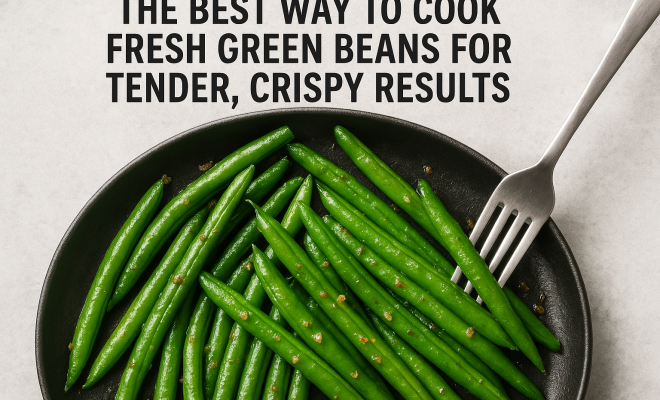
“`html
1. Understanding Green Beans: A Nutritional Powerhouse
Green beans, also known as snap beans or string beans, are a fantastic vegetable that brings not just flavor but also nutrition to your table. They belong to the legume family and are often enjoyed for their tender crispness and vibrant green color. Packed with vitamins A, C, and K, as well as dietary fiber, green beans make an excellent addition to any meal.
When you’re pondering how to cook green beans, it’s essential to consider their best attributes. The key to enjoying them in their prime lies in the cooking method. While overcooked green beans can turn mushy and dull, the right technique will keep them crisp and vibrant — a treat for both the eyes and the palate.
2. Choosing the Right Green Beans: Freshness Matters
Before diving into cooking methods, selecting the freshest green beans is crucial. Look for beans that are firm, smooth, and bright green, with no browning at the ends or spots. Fresh green beans should snap easily when bent, an indication of their crispness.
For the best results, consider organic green beans if possible. They tend to have better flavor and nutritional value since they’re grown without synthetic fertilizers or pesticides. Once you’ve chosen your beans, it’s best to cook them soon after purchase to retain their nutrients and texture. For more on this, see organic vegetable tips.
3. Preparation Techniques: Cleaning and Trimming
Preparation is key when learning how to cook green beans. Start by rinsing your beans under cold water to remove any dirt or debris. After washing, you can trim the ends, where the bean connects to the plant. Some people prefer to remove the strings from the sides, especially in older varieties, but many modern types are stringless.
Trimming is a simple task that only takes a few minutes but makes a significant difference in presentation and texture. Once prepped, you can choose from a variety of cooking techniques, each offering unique flavors and textures.
4. Boiling: The Classic Method
Boiling is perhaps the most traditional way of cooking green beans. To start, bring a large pot of salted water to a rolling boil. Add the green beans and cook for about 4 to 6 minutes, depending on their thickness. The goal is to achieve a bright green color while maintaining a tender-crisp texture.
To ensure the beans don’t become overcooked, have a bowl of ice water ready. Once they reach the desired doneness, quickly transfer the beans to the ice bath using a slotted spoon. This process stops the cooking immediately, preserving that beautiful color and crunch.
5. Steaming: A Healthy Alternative
Steaming is another excellent method that preserves the beans’ nutrients while providing a tender yet crispy texture. To steam green beans, you can use a steamer basket or a microwave-safe bowl with a lid. If using a pot, fill it with about an inch of water and bring it to a simmer. Place the beans in the steamer basket above the boiling water, cover, and steam for about 5 to 7 minutes.
One of the best things about steaming is that it requires minimal effort and results in fresh, crisp green beans. You can enhance the flavor by adding herbs or garlic to the water during steaming, infusing the beans with additional taste.
6. Sautéing: Adding Flavor and Texture
Sautéing is a popular technique for cooking green beans, especially when you want to infuse them with additional flavors. Begin by heating oil or butter in a large skillet over medium heat. Add the prepared green beans and sauté them for about 5 to 8 minutes, stirring frequently, until they’re tender but still crisp. (See: Nutritional benefits of green beans.)
For extra flavor, consider adding ingredients such as minced garlic, shallots, or even crushed red pepper flakes during the last few minutes of cooking. This method not only cooks the beans quickly but also adds a rich, savory taste that elevates the dish. Don’t be afraid to experiment with various seasonings to find your favorite combination.
7. Roasting: A Flavorful Twist
If you’re looking for a new way to enjoy green beans, roasting them can yield incredibly delicious results. Preheat your oven to 425°F (220°C). Toss the trimmed beans with olive oil, salt, and pepper, and spread them out on a baking sheet in a single layer. Roast for about 15 to 20 minutes, stirring halfway through, until they’re tender and have developed a slightly crispy exterior.
Roasting green beans caramelizes their natural sugars, enhancing their flavor profile and giving them a delightful crunch. You can also add toppings such as Parmesan cheese, nuts, or balsamic glaze after roasting for added taste and texture. This method is perfect for a side dish that stands out on any dinner table.
8. Stir-Frying: Quick and Flavorful
Stir-frying is a quick cooking method that retains the crunch and color of green beans while infusing them with a variety of tastes. To stir-fry, heat a wok or large skillet over high heat, and add a small amount of oil. Once the oil is shimmering, add the green beans and cook for about 3 to 5 minutes, stirring constantly.
This method is highly versatile; you can throw in other vegetables, proteins, and sauces to create a complete meal. The high heat cooks the green beans quickly, ensuring they stay crisp. Consider adding soy sauce, ginger, or sesame oil to give your dish an Asian flair.
9. Serving Suggestions: Creative Pairings
Once you’ve mastered how to cook green beans, the fun really begins with serving them. These beans pair wonderfully with a variety of dishes, from grilled meats to hearty grains. You might toss them into a salad, serve them alongside roasted chicken, or mix them into pasta for a nutritious boost.
To elevate your green beans, consider garnishing them with toasted nuts, cheese crumbles, or a squeeze of fresh lemon juice. These additions will not only enhance the flavor but also add visual appeal to your meal. Get creative with your pairings and let your green beans be the star of your dish!
10. Health Benefits of Green Beans: More than Just a Side Dish
Green beans aren’t just tasty; they’re also packed with health benefits that make them a must-have in your diet. One cup of cooked green beans contains about 44 calories, making them an excellent option for weight management. They are low in fat and high in dietary fiber, which can help keep you feeling full and satisfied.
These legumes are also a good source of antioxidants, which help combat oxidative stress and inflammation in the body. Specifically, green beans contain quercetin and kaempferol, both known for their anti-inflammatory properties. Regular consumption of green beans can support your immune system and reduce the risk of chronic diseases.
11. Seasonal Varieties of Green Beans: Exploring Your Options
When learning how to cook green beans, it’s also important to know about different varieties available. There are several types of green beans, including:
- French Green Beans (Haricot Verts): These beans are thinner and more tender than regular green beans. They have a subtle sweetness and cook quickly, making them ideal for sautéing or steaming.
- Wax Beans: These beans are yellow and have a similar flavor profile to green beans. They can be used interchangeably in recipes.
- Italian Green Beans: Often broader and flatter, these beans have a meatier texture and can hold up well in robust dishes like casseroles.
Exploring these varieties can help you find the best fit for your recipes and preferences.
12. Cooking Green Beans for Kids: Tips and Tricks
Getting kids to eat their vegetables can sometimes be a challenge. When it comes to green beans, the key is to make them appealing. Here are some strategies: (See: Nutrition information from the CDC.)
- Incorporation into Favorites: Mix green beans into pasta dishes, stir-fries, or casseroles where they might go unnoticed initially.
- Creative Presentation: Serve green beans on a colorful plate alongside dips like hummus or ranch dressing.
- Fun Cooking Activities: Involve children in the cooking process. Let them wash the beans, add seasoning, or help stir-fry. Kids are more likely to eat what they’ve helped prepare.
Additionally, consider seasoning the beans with a bit of cheese or a sprinkle of breadcrumbs for added texture and flavor.
13. Storage and Preservation: Keeping Green Beans Fresh
To ensure you have fresh green beans on hand, proper storage is essential. Store unwashed green beans in a plastic bag in the refrigerator crisper drawer. They can last for about 5 to 7 days. Avoid washing them before storing, as excess moisture can lead to spoilage.
If you have more green beans than you can use, consider blanching and freezing them. To do this, boil the beans for 2-3 minutes, then transfer them to an ice bath. Once cooled, drain and pack them into airtight bags or containers. Frozen green beans can last for several months while retaining their flavor and texture.
14. Frequently Asked Questions about Cooking Green Beans
What is the best method for cooking green beans?
The best method depends on your taste preference. For a vibrant and crunchy texture, steaming or sautéing may be ideal. If you want to enhance their flavor through caramelization, roasting is a great choice.
How can I tell when green beans are cooked perfectly?
Perfectly cooked green beans should be bright green and tender-crisp. They should snap easily when bent. Avoid overcooking, as they can become mushy and lose their vibrant color. There’s a fuller look at low maintenance gardening advice.
Can I eat green beans raw?
Yes, green beans can be eaten raw and are often included in salads or as a crunchy snack. Just ensure they are washed thoroughly before consumption.
What are some good seasonings for green beans?
Common seasonings for green beans include garlic, lemon juice, salt, pepper, and various herbs like thyme, basil, or dill. You can also try adding soy sauce or balsamic vinegar for a different flavor profile.
Can I use frozen green beans instead of fresh?
Absolutely! Frozen green beans are often blanched and can be a convenient option. They may not have the same crispness as fresh beans but are still a nutritious and tasty alternative.
How do I incorporate green beans into my diet?
Green beans can be added to stir-fries, casseroles, salads, or served as a side dish. Get creative and mix them with other vegetables, proteins, or sauces to enhance their flavor and nutritional value.
15. Exploring Global Recipes with Green Beans: A Culinary Adventure
When thinking about how to cook green beans, why not take inspiration from global cuisines? Different cultures have their unique way of incorporating this versatile vegetable into their dishes. Here are a few examples: (See: Green beans on Wikipedia.)
- Asian Green Bean Stir-Fry: In many Asian cuisines, green beans are stir-fried with garlic, ginger, and soy sauce, sometimes accompanied by other vegetables or proteins like chicken or tofu. This method keeps the beans crisp while infusing them with deep flavors.
- French Haricots Verts with Almonds: This classic French dish features lightly cooked green beans tossed with toasted almonds and a squeeze of lemon. The dish is both elegant and simple, perfect for a dinner party.
- Indian Spiced Green Beans: In Indian cooking, green beans can be sautéed with mustard seeds, turmeric, and coconut for a flavorful side dish. This dish brings out the beans’ natural sweetness while adding a spicy kick.
- Italian Green Bean Salad: In Italy, green beans are often blanched and tossed with olive oil, sliced tomatoes, and herbs. This fresh salad can be a delightful addition to any summer meal.
These global recipes can help expand your culinary repertoire while allowing you to explore new flavor combinations with green beans.
16. Tips for Perfectly Cooked Green Beans: Mastering Techniques
Here are some additional tips to keep in mind when cooking green beans:
- Don’t Crowd the Pan: Whether you’re sautéing or roasting, arrange the green beans in a single layer. This ensures even cooking and helps achieve that desired crispiness.
- Use Fresh Ingredients: Fresh green beans will always taste better than canned or frozen. If you must use frozen, try to use high-quality brands that don’t have added ingredients.
- Enhance with Acidity: A splash of vinegar or a squeeze of lemon juice at the end of cooking can brighten the flavors significantly. It’s a simple trick that can transform your dish.
- Experiment with Herbs: Fresh herbs can elevate the taste of green beans. Consider adding basil, tarragon, or parsley, which complement the beans beautifully.
By following these tips, you can ensure that every time you cook green beans, they’ll be perfectly tender and delicious.
17. The Environmental Impact of Green Beans: Sustainable Choices
Choosing green beans isn’t just about nutrition and taste. It’s also a chance to make environmentally conscious choices. Green beans can be a sustainable crop, especially when sourced locally or grown organically. They require less water than many other vegetables and can be cultivated in various climates.
Supporting local farmers by buying seasonal produce, including green beans, can reduce your carbon footprint. Additionally, consider growing your own green beans at home. This can be a rewarding experience that provides fresh produce right from your garden.
When purchasing green beans, look for certifications like USDA Organic. These ensure that the beans were grown without harmful pesticides or chemicals, benefiting both your health and the environment.
18. Conclusion: Embrace the Green Bean
Green beans are a versatile and nutritious vegetable that brings color, flavor, and health benefits to your meals. With various cooking methods and recipes at your disposal, learning how to cook green beans opens up a world of culinary possibilities. Whether you choose to boil, steam, sauté, roast, or stir-fry, you can easily enjoy this delightful veggie in numerous dishes. So, get cooking!
“`
Trending Now
Frequently Asked Questions
What is the best way to cook fresh green beans?
The best way to cook fresh green beans is by using methods that preserve their crispness and vibrant color. Techniques such as blanching, steaming, or sautéing are ideal. Avoid overcooking, as this can lead to mushy beans. Aim for a tender yet crisp texture for the best results.
How do you know if green beans are fresh?
Fresh green beans should be firm, smooth, and bright green. Look for beans without browning at the ends or spots. They should snap easily when bent, indicating their crispness. Choosing organic green beans can also enhance flavor and nutritional value.
What nutrients are in green beans?
Green beans are a nutritional powerhouse, packed with vitamins A, C, and K, as well as dietary fiber. They offer health benefits while adding flavor and color to your meals. Including green beans in your diet can contribute to overall well-being.
How do you prepare green beans for cooking?
To prepare green beans, rinse them under cold water to remove dirt. Trim the ends where they connect to the plant. While some older varieties may have strings, many modern green beans are stringless. This simple preparation enhances both presentation and texture.
Can you cook green beans in advance?
While it's best to cook green beans fresh to retain their crispness, you can blanch them in advance and store them in the refrigerator. This method helps preserve their texture and color, allowing for quick reheating later without losing quality.
What did we miss? Let us know in the comments and join the conversation.