Unlock Vitality: Craft the Best Green Smoothie Recipe
“`html
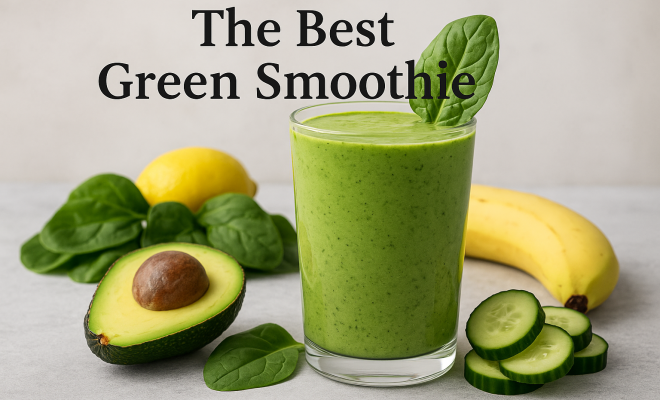
The best green smoothie recipe is more than just a trendy beverage; it’s a nutritional powerhouse that can transform your health journey. Packed with vitamins, minerals, and antioxidants, a green smoothie can be a quick and delicious way to consume leafy greens and other healthy ingredients. But what makes certain recipes stand out more than others? In this article, we’ll explore the essential components of the best green smoothie recipe, tips for blending, and creative variations that keep your morning routine exciting.
1. The Nutritional Benefits of Green Smoothies
Green smoothies are lauded for their health benefits, and rightly so. A well-balanced green smoothie typically includes leafy greens like spinach or kale, fruits, a liquid base, and optional add-ins such as seeds or nut butter. The combination of these ingredients provides a plethora of nutrients. Leafy greens are rich in vitamins A, C, K, and minerals like iron and calcium, which support bone health and boost your immune system.
Adding fruits contributes vital antioxidants, which help fight free radicals in the body. This synergy of ingredients means that drinking a green smoothie daily can enhance your overall well-being, improve digestion, and even assist in weight management. By consuming a green smoothie regularly, you’re investing in your long-term health.
Recent studies indicate that incorporating green smoothies into your diet can significantly increase your vegetable intake, which is often lacking in the average person’s diet. According to a survey by the Centers for Disease Control and Prevention (CDC), only about 1 in 10 adults consume enough fruits and vegetables daily. A green smoothie could be the game changer you need to bridge that gap!
2. Choosing the Right Greens
When selecting greens for the best green smoothie recipe, your options are plentiful. Spinach is a popular choice for its mild flavor and high nutrient density. Kale, while more robust in taste, is packed with fiber and antioxidants. Other leafy greens like Swiss chard and collard greens can also be wonderful additions, each bringing its unique profile of vitamins and minerals.
It’s essential to consider the freshness of your greens; wilted or yellowing leaves can affect the taste and nutritional value of your smoothie. If you’re aiming for a balanced flavor, combining different types of greens can yield a delightful result. For instance, mixing spinach with a little kale can offer the best of both worlds.
Don’t overlook less conventional greens like arugula or wheatgrass. Arugula adds a peppery kick, while wheatgrass is known for its concentrated nutrient profile. Including a variety of greens not only enhances the flavor but also broadens the nutritional spectrum of your smoothie.
3. The Key Ingredients
The best green smoothie recipe is not just about greens; it’s also about complementary ingredients that enhance both flavor and nutrition. Fruits like bananas, apples, and berries can sweeten your smoothie naturally, making it more palatable, especially for those who are new to green smoothies. Bananas create a creamy texture, while berries offer antioxidants and a burst of flavor.
Additionally, a liquid base is crucial. Water, coconut water, almond milk, or oat milk can help achieve the desired consistency. For an extra protein boost, consider adding Greek yogurt or a plant-based protein powder. Don’t forget about healthy fats, too. Ingredients like avocado or nut butters add creaminess and keep you feeling full longer.
If you’re looking for something to enhance the health benefits further, consider adding superfoods like chia seeds or flaxseeds. These tiny seeds are rich in omega-3 fatty acids, fiber, and protein, making them excellent additions to your smoothie. Just a tablespoon can amp up the nutritional profile significantly.
4. Tips for a Perfect Blend
Blending a green smoothie might seem straightforward, but there are tips and tricks to ensure it turns out perfectly every time. Start by adding your liquid base to the blender first, followed by the greens and then the fruits and add-ins. This order helps to create a smoother consistency. If you’re using frozen fruit, it can help thicken your smoothie without the need for ice.
A high-speed blender is beneficial, as it ensures all ingredients are thoroughly blended, resulting in a silky texture. If you find your smoothie is too thick, simply add more liquid until you reach your desired consistency. For those who prefer a cooler smoothie, consider pre-freezing your fruits or incorporating ice cubes. (See: Nutritional benefits of leafy greens.)
Another great tip is to use a tamper if your blender comes with one. It helps push down the ingredients and ensures everything gets blended smoothly, especially when using harder vegetables or frozen items. This can save you from having to stop and scrape down the sides repeatedly.
5. Creative Variations of Green Smoothies
The beauty of green smoothies lies in their versatility. While the foundational recipe remains the same, you can mix and match ingredients to keep things exciting. For example, a tropical green smoothie could include pineapple and mango, while a berry green smoothie might combine spinach with mixed berries and a dollop of yogurt.
You can also experiment with spices and herbs. A dash of ginger or a sprinkle of cinnamon can elevate the flavor and offer additional health benefits. For those who are adventurous, consider adding superfoods like spirulina or matcha, which not only enhance the nutritional profile but also add unique flavors. The possibilities are endless!
For an extra twist, try adding ingredients like beetroot for a sweet, earthy flavor or cucumber for a refreshing twist. Each new ingredient can lead you to discover a new favorite combination, ensuring that your green smoothie never feels monotonous.
6. Storing Your Smoothie
If you’re making a batch of green smoothies to last you several days, proper storage is key. Glass containers with airtight lids are ideal for storing smoothies in the fridge; however, it’s best to consume them within 24 to 48 hours for optimal freshness and nutrient retention. If you’ve made too much, consider freezing portions in ice cube trays, allowing you to blend a quick smoothie whenever you need one.
When storing, keep in mind that ingredients like bananas may brown over time, while greens may lose their vibrant color. To mitigate this, add a splash of lemon juice, which can help preserve the color and freshness of your smoothie. Just remember to shake or stir before drinking, as separation may occur.
If you’re short on time during the week, consider prepping your smoothies in advance. You can portion out your ingredients into freezer bags for easy access. This way, you can simply dump the contents into the blender, add your liquid, and blend in mere minutes.
7. Common Mistakes to Avoid
Even seasoned smoothie makers can make a few missteps. One common mistake is overloading the blender, which can lead to uneven blending and a chunky texture. Start with fewer ingredients and gradually add more as needed. It’s also easy to go overboard on sweeteners; while fruits provide natural sugars, adding too much honey or syrup can negate the health benefits.
Another pitfall is not balancing flavors. A smoothie that’s too bitter can be off-putting, so always include a fruit that offers sweetness to counterbalance the greens. Additionally, if you’re not careful with portion sizes, you might end up with a calorie-dense smoothie that defeats the purpose of a healthful snack.
Make sure to keep an eye on the sugar content, especially if you’re adding juices or yogurts that contain added sugars. Opt for whole fruits instead, which provide fiber along with their natural sugars. This can help to regulate blood sugar levels and keep you feeling satisfied longer.
8. Incorporating Green Smoothies into Your Diet
Incorporating the best green smoothie recipe into your diet can be a simple yet effective way to boost your nutrient intake. Many people find that having a green smoothie for breakfast sets a positive tone for the rest of the day. Alternatively, you can enjoy one as a snack or post-workout recovery drink. They are incredibly flexible and fit well into any eating plan.
For those who want to make it a habit, consider meal prepping your ingredients. Pre-chop your greens and fruits and store them in individual bags in the freezer. This way, you’ll have ready-to-blend portions at your fingertips, making it easier than ever to indulge in this healthy habit.
If you’re part of a busy lifestyle, you might even find it helpful to create a schedule around your smoothie making. Perhaps designate Sundays as smoothie prep day, where you can get all your ingredients ready for the week ahead. This little routine can save time and ensure you don’t skip out on your daily dose of nutrients.
9. Final Thoughts on Your Green Smoothie Journey
The journey to discover the best green smoothie recipe is a personal one, shaped by your taste preferences and nutritional goals. Remember, each ingredient you choose can significantly impact the flavor and health benefits of your smoothie. As you experiment with different combinations, you’ll likely find your go-to recipe that satisfies both your palate and your health objectives. (See: CDC on nutrition and health.)
Whether you’re new to green smoothies or a seasoned enthusiast, there’s always room for improvement and creativity. So grab your blender, experiment with flavors, and enjoy the myriad benefits that a green smoothie can offer!
10. Frequently Asked Questions (FAQ)
Q1: Can I use frozen greens for my smoothie?
A1: Absolutely! Frozen greens can be a convenient option and are often harvested at peak freshness, which helps retain their nutrients. They can also add a refreshing chill to your smoothie.
Q2: How can I make my smoothie less thick?
A2: If your smoothie is too thick, try adding more liquid a little at a time until it reaches your desired consistency. You can also use fewer frozen ingredients or increase the amount of fresh produce.
Q3: Are green smoothies suitable for kids?
A3: Yes! Green smoothies can be a great way to sneak in some nutrients for kids. Use sweet fruits like bananas or mangoes to make it more appealing, and involve them in the preparation process!
Q4: Can I make green smoothies ahead of time?
A4: Yes, you can prepare green smoothies in advance, but it’s best to consume them within 24-48 hours for optimal nutrient retention. If you’re prepping for the week, consider freezing portions for later use.
Q5: What should I do if I don’t like the taste of greens?
A5: Start by using milder greens like spinach, and blend them with sweeter fruits. You can gradually increase the proportion of greens as your palate adjusts. Adding a little honey or natural sweetener can also help mask any bitterness.
Q6: How can I increase the protein content in my smoothie?
A6: To boost the protein content, include Greek yogurt, protein powder, or nuts and seeds like chia or hemp seeds. These additions not only increase protein but can also enhance the texture and flavor of your smoothie.
Q7: Is it okay to add dairy products to a green smoothie?
A7: Yes! Adding dairy products like milk or yogurt can provide creaminess and additional nutrients. If you’re avoiding dairy, there are plenty of plant-based alternatives available that work just as well.
Q8: Can I use herbs in my smoothie?
A8: Definitely! Fresh herbs like mint, basil, or parsley can add unique flavors and extra health benefits. Experiment with different herbs to find combinations that you enjoy.
11. Green Smoothie Recipes to Try
Now that you’re equipped with knowledge about making the best green smoothie recipe, it’s time to put that knowledge to the test. Here are three delicious recipes that you can begin with:
Tropical Green Smoothie
- 1 cup of spinach
- 1/2 ripe banana
- 1/2 cup of pineapple chunks (fresh or frozen)
- 1/2 cup of coconut water
- 1 tablespoon of chia seeds
Blend all ingredients until smooth for a refreshing tropical treat that’s high in vitamins and electrolytes! (See: WHO on healthy diets.)
Berry Blast Green Smoothie
- 1 cup of kale
- 1/2 cup of mixed berries (strawberries, blueberries, raspberries)
- 1/2 apple
- 1/2 cup of almond milk
- 1 tablespoon of almond butter
This smoothie is not only colorful but loaded with antioxidants from the berries and healthy fats from the almond butter.
Minty Avocado Green Smoothie
- 1 cup of spinach
- 1/2 ripe avocado
- 1 tablespoon of fresh mint leaves
- 1/2 lime, juiced
- 1 cup of water or coconut water
The creamy avocado combined with refreshing mint makes this smoothie a perfect pick-me-up for a hot day!
12. Understanding the Role of Smoothies in a Balanced Diet
While green smoothies are a fantastic addition to your diet, it’s important to remember that they should complement a balanced eating plan rather than replace whole foods entirely. Smoothies can be used as a supplement to increase your intake of fruits and vegetables, but they shouldn’t be the only source of these nutrients. Eating whole foods offers additional benefits such as fiber and satiety, which smoothies can sometimes lack, especially if they’re too blended.
Moreover, a variety of foods provide different nutrients, which is crucial for a balanced diet. Consider your green smoothie as one part of a well-rounded meal or snack. Pair it with a handful of nuts for healthy fats or a slice of whole-grain toast to increase fiber intake. This way, you’re achieving a more balanced nutrition profile.
In addition, it’s beneficial to pay attention to your body’s signals. If you find that you’re feeling hungry shortly after having a smoothie, you might need to tweak your ingredients to include more protein or fats to keep you satisfied longer. Balancing macronutrients helps ensure that you’re not just getting a quick energy boost, but also lasting satisfaction.
13. Expert Perspectives on Smoothies
Many nutritionists advocate for the inclusion of green smoothies in a daily diet due to their convenience and nutrient density. Registered Dietitian Nutritionist, Sarah Johnson, emphasizes that smoothies offer an efficient way to consume a variety of nutrients in one meal. “They’re especially beneficial for people who struggle to eat enough vegetables,” she says. “The key is to keep the ingredients balanced and avoid loading up on sugars.”
Nutrition Coach, Mark Thompson, suggests that individuals should listen to their bodies. “Paying attention to how certain ingredients affect your energy levels and digestion can guide your smoothie choices. Not every ingredient works for everyone, so it’s important to personalize your smoothie recipes,” he adds.
14. Conclusion: Your Journey to the Best Green Smoothie Recipe
The adventure of discovering the best green smoothie recipe is not just about finding delicious combinations; it’s also about understanding how these blends can enhance your health and well-being. With a little creativity and experimentation, you’ll find the perfect balance of flavors and nutrients that suit your lifestyle.
As you embark on this flavorful journey, remember to have fun with it! Your smoothie can be a reflection of your tastes, preferences, and nutritional needs. So grab your blender, gather your ingredients, and toast to your health with a vibrant green smoothie!
“`
Trending Now
Frequently Asked Questions
What are the benefits of drinking green smoothies?
Green smoothies are packed with vitamins, minerals, and antioxidants, supporting overall health. They enhance nutrient intake, improve digestion, and may assist with weight management. Regular consumption can boost your immune system and help bridge the gap in daily fruit and vegetable intake.
What greens should I use in a green smoothie?
Popular greens for smoothies include spinach for its mild flavor and high nutrient density, and kale for its robust taste. Other options include Swiss chard and collard greens, depending on your taste preferences and nutritional goals.
How can I make my green smoothie taste better?
To enhance the flavor of your green smoothie, add fruits like bananas, berries, or mangoes. Using a liquid base like almond milk or coconut water can also improve taste, while optional add-ins like nut butter or seeds add creaminess and richness.
Can green smoothies help with weight loss?
Yes, green smoothies can aid in weight loss by providing a low-calorie, nutrient-dense option that keeps you full. The fiber from leafy greens and fruits can promote satiety, making it easier to manage hunger and reduce overall calorie intake.
How often should I drink green smoothies?
Incorporating green smoothies into your daily routine can be beneficial. Aim for at least one smoothie a day to boost your vegetable intake and enjoy the health benefits. However, balance with a varied diet for optimal nutrition.
Agree or disagree? Drop a comment and tell us what you think.