Best Indoor Putting Green: A Comprehensive Guide
“`html
For golf enthusiasts, the quest to perfect their putt is never-ending. In recent years, indoor putting greens have surged in popularity as a fantastic way to practice and improve your skills without leaving the comfort of your home. From small, portable mats to elaborate setups that mimic the feel of a real green, there’s something for everyone. This comprehensive guide will explore the nuances of indoor putting greens, helping you choose the best one for your needs, and offering tips on how to make the most of your practice sessions.
1. Understanding Indoor Putting Greens
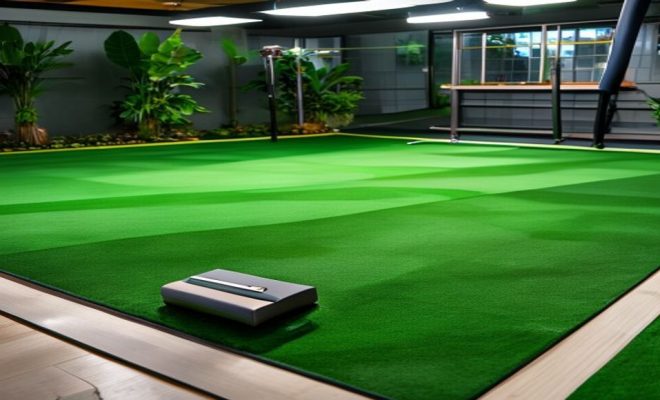
Indoor putting greens are specially designed practice surfaces that allow golfers to sharpen their putting skills indoors. Unlike traditional putting mats, which can often feel flat and lifeless, many indoor putting greens use advanced materials that simulate the true experience of putting on a real golf course. These products come in various sizes and configurations, making them suitable for different spaces, from apartments to basements.
Typically, these greens are made from synthetic grass that provides realistic roll and speed. Many models even include slopes, breaks, and undulations, providing a more challenging practice environment. With the right indoor putting green, you can work on your short game year-round, regardless of the weather outside.
2. Benefits of Having an Indoor Putting Green
One of the most significant advantages of an indoor putting green is the convenience it offers. Imagine being able to practice your putting at any time, day or night, without the need to drive to a course or pay green fees. This accessibility allows golfers to incorporate more practice into their routine, leading to improved performance on the course.
Additionally, indoor putting greens can help you develop a consistent putting stroke. Regular practice on a quality surface helps you build muscle memory, which is crucial for successful putting. Furthermore, it can be a fun way to entertain friends or family, turning a mundane afternoon into a friendly competition.
3. Key Features to Look for in an Indoor Putting Green
When selecting the best indoor putting green, there are several essential features to consider. First, look for the material quality; higher-end models often use more realistic turf that closely emulates natural grass. These materials not only enhance your practice experience but also ensure durability.
Next, consider the size of the green. Depending on your available space, you might opt for a smaller mat or a larger, more elaborate setup. Also, think about accessories such as alignment guides, holes of different sizes, and adjustable slopes. These features can significantly enhance your practice sessions and provide a more comprehensive training experience.
4. Top Indoor Putting Greens on the Market
Several indoor putting greens have gained recognition for their quality and performance. Here’s a look at some of the top options:
- Perfect Practice Putting Mat: This mat is popular due to its realistic roll and adjustable features for various distances. It’s compact and comes with alignment guides that help improve your accuracy.
- Putt-A-Bout Grassroots Putting Green: Known for its affordability and decent quality, this model offers a larger putting area and multiple holes, making it perfect for family fun.
- SKLZ Accelerator Pro: This is a more advanced option that includes a ball return system, making it ideal for serious practice. The surface allows for various slopes and breaks.
- Indoor Golf Putting Green by Indoor Putting Greens: This model mimics the feel of a real course and offers customization options for size and features, making it suitable for dedicated golfers.
5. Maintenance Tips for Your Indoor Putting Green
Maintaining your indoor putting green is crucial for ensuring it remains in top condition. Regular cleaning is necessary to keep the surface free from dirt and debris. Vacuuming or using a broom can help maintain the grass’s appearance and performance.
Additionally, if your putting green has any curves or slopes, periodically checking and adjusting them may be necessary as the materials settle over time. Keep an eye out for any wear and tear, and be prepared to patch or replace sections as needed to ensure an optimal practice experience.
6. Setting Up Your Indoor Putting Green
Installation of your indoor putting green can vary depending on the model you choose. For smaller mats, simply rolling them out and ensuring they lay flat is usually sufficient. Larger, customized greens may require more preparation and setup time. (See: Learn more about golf.)
When choosing a location, consider factors such as lighting and space. Ideally, your putting green should be placed in a well-lit area that allows for a clear view of the surface. You might also want to invest in some putting aids, such as alignment sticks or training aids, to help improve your technique.
7. How to Practice Effectively on Your Indoor Putting Green
Practicing on your indoor putting green can yield significant improvements, but it’s essential to focus on specific drills and exercises. Start with short putts, ensuring that your stance and grip are consistent. Gradually increase the distance as you gain confidence.
Incorporate drills that simulate real-course scenarios, such as breaking putts or downhill shots. Use alignment aids to ensure you’re lining up correctly. Keeping it varied and challenging will not only enhance your skills but also keep practice sessions enjoyable.
8. The Cost of Indoor Putting Greens
The price of indoor putting greens can vary widely based on size, material quality, and features. Basic mats can start as low as $50, while high-end models can run into the thousands. Assess your budget and determine what features are essential for your practice needs.
While investing in a quality indoor putting green might seem expensive initially, consider it a long-term investment in your game. The frequency and quality of your practice can lead to significant improvements on the course, making it a worthwhile expenditure.
9. Innovative Technologies in Indoor Putting Greens
The future of indoor putting greens is seeing an infusion of technology, enhancing how golfers practice. Some models now come equipped with sensors that provide feedback on your stroke, speed, and alignment. This data can be invaluable for identifying areas needing improvement.
Additionally, virtual reality systems are emerging, allowing users to practice on simulated courses. This technology can provide a unique experience, helping you not just with putting but also with overall game strategy and decision-making on the course.
10. Common Mistakes to Avoid When Using Indoor Putting Greens
While practicing on your indoor putting green can significantly enhance your skills, there are common pitfalls to be aware of. One frequent mistake is not using proper technique. Many golfers get comfortable with their setup at home and may neglect to focus on their grip or stance, leading to ingrained bad habits.
Another issue is practicing the same types of putts repeatedly. While repetition is essential for mastering specific skills, varying your practice routine helps improve adaptability on the course. Incorporate drills that include putts of varying lengths, slopes, and breaks.
Lastly, some golfers may forget to track their progress. Keeping a journal of your practice sessions can help you identify strengths and weaknesses, allowing you to tailor your training accordingly. Consider noting your successful putts, the number of misses, and specific techniques that worked well for you.
11. Comparing Indoor Putting Greens vs. Outdoor Practice
When considering where to practice your putting, it’s essential to weigh the pros and cons of indoor versus outdoor options. Indoor putting greens offer the benefit of convenience and weather independence. You can practice at any time, without worrying about rain, snow, or cold temperatures affecting your game.
On the other hand, outdoor practice can provide a more authentic experience. The feel of natural grass, wind, and varying conditions can challenge your skills in ways that indoor greens cannot replicate. However, setting up an outdoor practice area may require time, effort, and space that some golfers don’t have. (See: Indoor physical activities benefits.)
Ultimately, the ideal approach might be a combination of both. Use your indoor putting green for consistent, controlled practice, while also seeking opportunities to play outdoors to experience real-course conditions.
12. Frequently Asked Questions About Indoor Putting Greens
1. Can I use a regular putting mat instead of an indoor putting green?
While regular putting mats can help with practice, indoor putting greens are designed to mimic the feel and performance of real greens more closely. They often include features like slopes and breaks that regular mats do not.
2. How much space do I need for an indoor putting green?
The amount of space required depends on the type of green you choose. Some mats can fit in small areas or corners of a room, while larger greens might require a dedicated space. Measure your available area to find a suitable option.
3. Are indoor putting greens suitable for all skill levels?
Absolutely! Indoor putting greens cater to golfers of all skill levels, providing various features that can help beginners learn the basics and allow more advanced players to refine their skills.
4. How do I clean my indoor putting green?
Cleaning typically involves sweeping or vacuuming to remove dust and debris. For deeper cleaning, you can use a mild detergent and water to scrub the surface gently, followed by rinsing and allowing it to dry.
5. Can I customize my indoor putting green?
Many manufacturers offer customization options for size, shape, and features of indoor putting greens. This flexibility allows you to create a practice space that fits your needs and preferences.
6. How can I use technology to enhance my indoor putting practice?
There are various applications and devices that can help track your putting stats, analyze your strokes, and provide feedback. Many advanced indoor putting greens incorporate technology that connects with apps, allowing you to improve your practice sessions.
13. Strategies for Improving Your Putting Skills
To maximize the effectiveness of your indoor putting green, consider implementing specific strategies tailored to your improvement. Start by focusing on your grip, stance, and alignment, which are the foundation of a successful putt. The more consistent you are with these fundamentals, the better your results will be.
Incorporate drills that target different aspects of your putting game. For example, the “clock drill” involves placing balls at various distances around the hole and practicing putting them in. This will not only improve your distance control but also help you become comfortable with putts from different angles and lengths.
Consider using a metronome or a similar device to develop a consistent putting rhythm. By timing your stroke, you can become more aware of your pace and tempo, which are critical elements in making putts consistently. (See: Indoor putting greens popularity.)
14. Expert Perspectives on Indoor Putting Greens
Golf instructors and professionals often emphasize the importance of consistent practice. According to renowned golf coach Hank Haney, “Practice doesn’t make perfect; perfect practice makes perfect.” This highlights the importance of using an indoor putting green effectively by focusing on your technique and maintaining a positive mindset.
Golf psychologist Dr. Bob Rotella advocates for visualization techniques. He suggests that golfers should visualize the ball rolling into the hole before each putt. This mental rehearsal can boost confidence and focus during practice sessions, leading to improved performance during actual play.
15. Understanding the Psychology of Putting
Putting is as much about mental strength as it is about physical skill. The pressure of sinking a putt can often lead to anxiety or overthinking, which can negatively affect performance. Indoor putting greens provide a controlled environment that can help alleviate some of this pressure.
Creating a routine before each putt can help establish a mental framework that allows for greater focus. Whether it’s taking a deep breath, visualizing the line, or practicing a few strokes, finding what works best for you can improve your consistency.
16. Practical Applications of Indoor Putting Greens
Indoor putting greens aren’t just for personal practice; they can also be beneficial in other scenarios. For example, many golf instructors use indoor putting greens as teaching tools in their training sessions. This setup allows students to receive immediate feedback on their strokes in a controlled environment.
Moreover, indoor putting greens can be a fantastic addition to golf-themed events or parties. Setting up a fun putting contest can engage attendees and create an interactive atmosphere, making it a memorable experience for everyone involved.
17. Final Thoughts on Indoor Putting Greens
Investing in an indoor putting green can fundamentally change how you practice golf, offering convenience, flexibility, and the opportunity to improve your game at home. By considering the features, maintenance, and technology associated with these greens, you can select the best option for your needs.
Whether you’re a casual player or a serious golfer, an indoor putting green presents an innovative way to enhance your skills. Take the plunge, set up your practice space, and watch as your putting game transforms.
“`
Trending Now
Frequently Asked Questions
What is an indoor putting green?
An indoor putting green is a specially designed surface that allows golfers to practice their putting skills indoors. Unlike traditional mats, they often use advanced materials to mimic the feel of real greens, offering realistic roll and speed, as well as features like slopes and breaks for a more challenging experience.
What are the benefits of having an indoor putting green?
The primary benefits of an indoor putting green include convenience and accessibility, allowing golfers to practice at any time without traveling to a course. Regular practice on these surfaces helps develop a consistent putting stroke and builds muscle memory, crucial for improving overall performance.
How do you choose the best indoor putting green?
When choosing the best indoor putting green, consider factors like size, material quality, and features such as slopes or breaks. Assess your available space and practice needs to find a model that fits your requirements, ensuring it provides a realistic putting experience.
Can indoor putting greens help improve my golf game?
Yes, indoor putting greens can significantly improve your golf game by allowing you to practice regularly in a controlled environment. Consistent practice on a quality surface helps enhance your technique, builds muscle memory, and ultimately leads to better performance on the golf course.
What materials are indoor putting greens made from?
Indoor putting greens are typically made from synthetic grass designed to simulate real grass surfaces. These materials provide realistic roll and speed, helping golfers practice effectively. Some models may also feature additional components like foam bases or adjustable slopes for enhanced training.
Have you experienced this yourself? We'd love to hear your story in the comments.