Best Masks for Kids: N95, KN95, and More
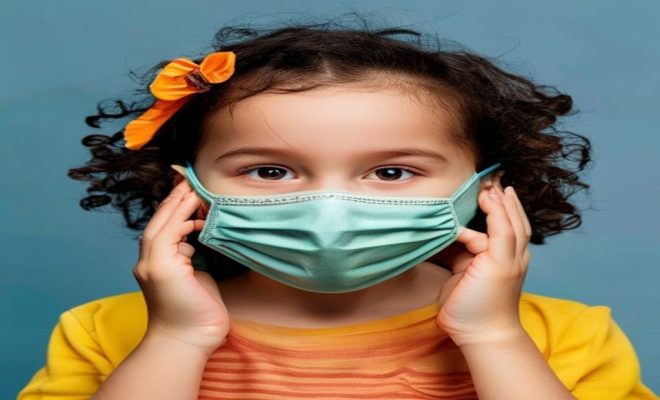
“`html
As we navigate a world that has increasingly prioritized health and safety, especially in the wake of the COVID-19 pandemic, finding the best masks for kids has never been more crucial. Children are often in settings where maintaining social distance isn’t feasible, such as schools, daycare centers, and play areas. This reality raises an important question: which masks provide the best protection and comfort for children? In this article, we’ll explore the top eight types of masks suitable for kids, discussing their benefits, features, and practical insights to help parents make informed choices.
1. N95 Masks
N95 masks are among the most effective face coverings available. Designed to filter out at least 95% of airborne particles, these masks are a go-to option for health professionals and are becoming increasingly popular for children too. The N95 masks are fitted with a snug seal around the face and feature multiple layers of filtration, making them ideal for high-risk environments.
However, it’s crucial to ensure that the N95 masks fit properly on your child’s face to achieve maximum protection. Most N95 masks are designed for adults, which can make finding the right size for kids a challenge. Luckily, manufacturers are now producing N95 masks specifically for children, ensuring that they benefit from this level of protection. Remember, while these masks can be more expensive than cloth options, they offer superior protection, especially in crowded or enclosed spaces.
2. KN95 Masks
Similar to N95 masks, KN95 masks provide a high level of filtration and a snug fit. The difference lies primarily in their certification; KN95 masks are regulated in China, whereas N95 masks are certified by the National Institute for Occupational Safety and Health (NIOSH) in the United States. Regardless, both masks filter out at least 95% of airborne particles, making them suitable for children in various settings.
For kids, KN95 masks often come in a range of sizes, which is helpful for achieving a good fit. They are designed to be comfortable for extended wear and often feature adjustable ear straps or nose clips. This adaptability is crucial for ensuring that children can wear them throughout the school day without discomfort. Just be sure to check the authenticity of the KN95 masks, as there are many counterfeit products on the market.
3. Cloth Masks with Filters
Cloth masks have become a familiar sight during the pandemic. While they don’t offer the same level of filtration as N95 or KN95 masks, they can still provide decent protection, especially when made with multiple layers and used in conjunction with a filter. Many cloth masks designed for kids come in fun colors and designs, appealing to younger users and encouraging them to wear their masks consistently.
When selecting a cloth mask for kids, look for options that are easy to wash and made from breathable materials. Masks that include a pocket for a filter can significantly enhance their protective capabilities. With the right care, these masks can be reused multiple times, making them a cost-effective choice for families.
4. Surgical Masks
Surgical masks are designed to protect against respiratory droplets and are often used in healthcare settings. They’re generally loose-fitting and disposable, making them a convenient option for parents looking for effective yet straightforward solutions. While not as protective as N95 or KN95 masks, surgical masks can still offer a reasonable level of protection for children, especially in environments where social distancing may be challenging.
One significant benefit of surgical masks for kids is their availability and affordability. They come in various sizes, including pediatric sizes, and can be easily discarded after use. This makes them a practical choice for school settings, where children might accidentally misplace or dirty their masks during the day. (See: Types of Masks by CDC.)
5. Face Shields
While not a replacement for masks, face shields can add an additional layer of protection for kids in certain situations. These plastic barriers cover the face, providing a shield against respiratory droplets. However, using a face shield effectively requires that children wear a mask underneath, as face shields alone do not fit tightly against the face to block all particles.
Many children find face shields more comfortable than masks, especially if they feel claustrophobic. Face shields are often adjustable, making them a good option for growing children. They can also be easily cleaned, which is a bonus for parents. Nevertheless, face shields should be considered supplementary to mask-wearing, particularly in high-exposure environments.
6. Adjustable Masks
Finding the right size for kids can often be a challenge, which is where adjustable masks come into play. These masks feature straps or ear loops that can be tightened or loosened to achieve a secure fit. This feature is particularly beneficial as it allows for a snug fit, ensuring that the mask remains in place during activity — a crucial aspect for younger children who may not be mindful of their mask position.
Additionally, many brands are producing adjustable masks in fun designs to engage kids while ensuring safety. When selecting adjustable masks, opt for those with soft materials and hypoallergenic properties to prevent skin irritation during extended wear. They combine comfort and safety, making them a practical choice for daily use.
7. Reusable Masks
Reusable masks have surged in popularity due to their eco-friendliness and cost-effectiveness. These masks can be washed and worn multiple times, which is not only better for the environment but also more economical in the long run. For kids, reusable masks come in a wide variety of colors and designs, allowing for personalization and self-expression.
When choosing a reusable mask, ensure it has a good filtration system and is made from breathable materials. A mask that can accommodate filters can add an extra layer of safety. Moreover, it’s essential to follow care instructions for cleaning to maintain the mask’s effectiveness over time.
8. Mask Compliance and Comfort
Whatever type of mask you choose, compliance and comfort are critical factors. Kids may be resistant to wearing masks, so it’s essential to involve them in the selection process. Let them choose their favorite designs or styles to encourage them to wear their masks without fuss. This can make a significant difference in how willing they are to wear their masks consistently.
Additionally, educating children about why wearing masks is important can foster a sense of responsibility and understanding. Emphasizing the role they play in keeping themselves and others safe will help children feel empowered rather than restricted by wearing a mask. Regular breaks and discussions about mask comfort can also help ensure they remain willing to wear their masks throughout the day.
9. Choosing the Right Fit for Your Child
One of the more challenging aspects of selecting masks for kids is achieving the right fit. A well-fitting mask should cover the nose and mouth completely without gaping or slipping off. Here are some tips to ensure you find the ideal fit:
- Measure your child’s face: Use a flexible measuring tape to measure the distance from the bridge of the nose to under the chin and the width from ear to ear. This will help you select masks in the appropriate size range.
- Try different styles: Masks come in various shapes, and what works for one child may not work for another. Experiment with different styles to see which one fits best and is most comfortable for your child.
- Check for adjustability: Masks with adjustable ear loops or ties can provide a customizable fit, which is particularly important for kids as they grow.
10. Statistics on Mask Usage Among Children
Understanding the impact of masks in reducing transmission rates among children can provide insight into their necessity. According to studies, mask mandates in schools have shown a clear correlation with lower COVID-19 case rates. For instance, a study published in the journal “Health Affairs” noted that areas with school mask mandates saw a 37% reduction in child COVID-19 cases compared to those without mandates. (See: NIH Study on N95 Masks.)
Furthermore, the CDC has reported that mask-wearing not only protects the wearer but also helps prevent the spread to others. In communities where mask usage is high, transmission rates drop significantly. Educating your child about these statistics can motivate them to wear their mask and understand its importance.
11. Expert Perspectives on Mask Efficacy
Experts across the fields of public health and pediatrics emphasize the importance of mask-wearing among children, particularly for those under 12 who are not yet eligible for vaccination. Dr. Anthony Fauci, a leading infectious diseases expert, has stated that masks are an effective tool in reducing not only personal risk but also community spread. He emphasizes that children should feel empowered by their role in public health.
Additionally, pediatricians recommend that parents model mask-wearing behavior and have open discussions about the reasons for wearing masks. These discussions can help demystify the experience for children, making it feel less like an obligation and more like a shared responsibility.
12. Choosing the Right Material for Kids’ Masks
The material used in children’s masks plays a crucial role in both comfort and effectiveness. Cotton has been a popular choice due to its breathability and softness, making it gentle on sensitive skin. Some masks are now made from a blend of cotton and polyester, which can offer moisture-wicking properties while retaining comfort.
Another option is using masks with multiple layers, often comprising a non-woven inner layer that provides additional filtration. When selecting a mask, consider materials that are free from harmful chemicals and dyes, especially if your child has allergies or skin sensitivities. Look for masks that have received certifications or have undergone rigorous testing to ensure they meet safety standards.
13. Additional Safety Tips for Mask-Wearing Kids
Ensuring that kids wear their masks correctly is just as important as choosing the right mask. Here are a few additional tips:
- Teach proper mask hygiene: Kids should wash their hands before putting on and after taking off their masks. Encourage them to avoid touching the front of the mask while wearing it.
- Store masks properly: Make sure that used masks are stored in a breathable container (like a paper bag) until they can be washed. Avoid sealing them in plastic bags, which can promote bacterial growth.
- Replace masks when necessary: Masks can become less effective over time, especially if they are washed frequently. Regularly check the condition of the mask for tears or stretching and replace them as needed.
14. Frequently Asked Questions (FAQ)
What age should children start wearing masks?
Children aged 2 and older can wear masks, according to the CDC. However, parents should assess their child’s comfort level and ability to wear a mask without removing it. Under two, masks are not recommended due to choking hazards.
How can I help my child tolerate wearing a mask?
Start by introducing the mask in a positive environment. Allow your child to practice wearing it at home for short periods while engaging in enjoyable activities. Gradually increase the duration as they become more comfortable. Letting them choose their masks can also make the process fun.
Are there specific materials to look for in kids’ masks?
Look for masks made from breathable fabrics such as cotton or polyester blends. Dual-layer masks with a pocket for filters are also recommended for added protection. Ensure that the materials are hypoallergenic to prevent skin irritation. (See: WHO Guidance on Masks.)
How often should I wash reusable masks?
Reusable masks should be washed after each use, especially if your child has been in crowded or high-risk areas. If your child has allergies or respiratory issues, consider washing the masks daily to minimize allergens.
Can my child wear a mask while playing sports?
Yes, children can wear masks while playing sports; however, it’s essential to choose lightweight, breathable options. Keep in mind that some sports associations may have specific guidelines regarding mask use, so be sure to check those regulations.
What should I do if my child refuses to wear a mask?
If your child is resistant to wearing a mask, approach the situation with patience. Explain the reasons for wearing a mask in a way that they can understand. Try to make it a fun activity by letting them decorate their masks or pick out their designs. Gradually introduce the concept of mask-wearing in low-pressure situations to help them become more comfortable. This builds on our top picks.
Are there any side effects of wearing masks for kids?
Generally, most children tolerate wearing masks well, but some may experience discomfort or irritation. It’s important to ensure that the mask fits well and is made from breathable materials. If your child complains about headaches or difficulty breathing, it may be worth consulting with a healthcare professional to discuss alternative options.
What should I do if my child has a medical condition that affects mask-wearing?
Consult with your child’s healthcare provider for personalized guidance. They can provide recommendations tailored to your child’s specific medical needs and may suggest alternative protective measures if mask-wearing is not feasible.
15. Conclusion
In the quest for the best masks for kids, it’s essential to balance protection with comfort and compliance. Engaging your child in the selection process, understanding the different types of masks available, and being informed about safety guidelines will empower you to make the best choices for their health. As we continue to adjust to our new normal, staying proactive and informed will benefit not just your family but the broader community as well.
“`
Trending Now
Frequently Asked Questions
What are the best masks for kids?
The best masks for kids include N95 and KN95 masks, which provide high levels of filtration and a snug fit. These masks are designed to filter out at least 95% of airborne particles, making them suitable for high-risk environments like schools and daycare centers.
Are N95 masks safe for children?
Yes, N95 masks are safe for children when they fit properly. Manufacturers now produce N95 masks specifically designed for kids, ensuring they receive effective protection while being comfortable to wear.
What is the difference between N95 and KN95 masks?
The main difference between N95 and KN95 masks lies in their certification. N95 masks are certified by NIOSH in the U.S., while KN95 masks are regulated in China. Both provide similar filtration of at least 95% of airborne particles.
How do I choose a mask for my child?
When choosing a mask for your child, consider factors like fit, comfort, and filtration level. N95 and KN95 masks are excellent options, but ensure they are specifically designed for children to provide the best protection.
Can children wear cloth masks instead of N95 or KN95?
While cloth masks can offer some protection, N95 and KN95 masks provide superior filtration and fit. For high-risk environments, it's advisable to use these masks to ensure better safety for children.
What did we miss? Let us know in the comments and join the conversation.