The Alarming Rise of Cosmeticorexia: How Social Media Fuels Skincare Obsession
“`html
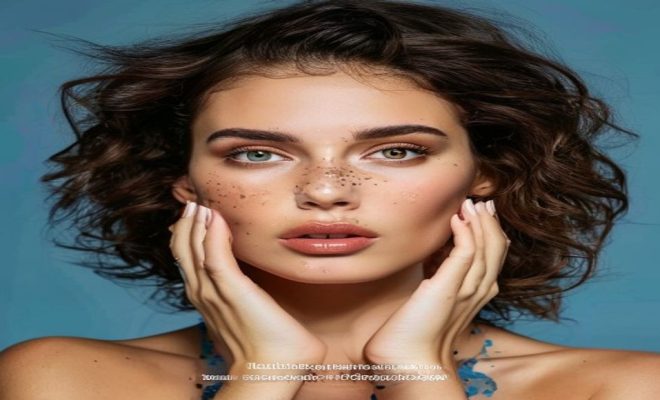
Cosmeticorexia is a term that has recently entered the lexicon of mental health discussions, encapsulating a troubling phenomenon where individuals develop intense anxieties about their skin due to overwhelming societal pressures, especially from social media. As platforms like Instagram and TikTok proliferate, users are bombarded with images of seemingly flawless skin, creating a deeply ingrained narrative about beauty standards that are not only unrealistic but also damaging. This article explores this urgent trend, examining its implications on mental health, the psychology behind it, and potential solutions for those affected.
1. Understanding Cosmeticorexia: What Does It Mean?
At its core, cosmeticorexia refers to an unhealthy preoccupation with skincare and cosmetic procedures driven by the pressure to achieve an idealized version of beauty. This condition is not just a passing fad; it’s a psychological crisis that can lead to severe self-esteem issues and anxiety. The term itself is a composite of ‘cosmetic’ and ‘anorexia,’ highlighting how individuals become fixated on their appearance, particularly their skin, much like those with eating disorders focus on body image.
The trend appears to be on the rise, particularly as social media becomes a primary source of beauty standards. Google Trends data reveals a significant surge in searches related to skincare and cosmeceuticals, indicating an increasing obsession across various demographics. This is not merely a cosmetic issue; it’s a complex interplay of mental health, societal expectations, and self-worth.
2. The Social Media Connection: How Platforms Contribute to Cosmeticorexia
Social media has revolutionized the way we view beauty. With the swipe of a finger, users can scroll through thousands of images showcasing filtered faces with perfect skin. This constant exposure creates a toxic comparison culture. Individuals often feel pressured to conform to these unattainable standards, leading to heightened levels of anxiety and insecurity regarding their skin.
Psychologists have identified several mechanisms through which social media contributes to cosmeticorexia. These include the ‘fear of missing out’ (FOMO), where individuals feel they are missing out on trends or beauty ideals endorsed by influencers. When you see a friend or influencer flaunting glowing skin, it amplifies feelings of inadequacy, leading to a vicious cycle of self-comparison and dissatisfaction.
3. Statistics Speak: The Numbers Behind Cosmeticorexia
To truly grasp the scope of cosmeticorexia, we must look at the statistics. Recent surveys have shown that a staggering percentage of individuals, especially teenagers and young adults, report feeling pressure to maintain an ‘ideal’ appearance. According to a study published in the journal ‘Body Image,’ over 60% of young women feel that social media platforms contribute to their negative body image.
Moreover, the increase in skincare and beauty product sales further supports the assertion that cosmeticorexia is gaining traction. Reports indicate that the global skincare market is expected to reach $189.3 billion by 2025, a clear testament to the rising obsession with flawless skin. This alarming trend indicates that the industry’s growth is not solely based on product efficacy but also fueled by the psychological need for acceptance and validation.
4. Personal Stories: The Human Side of Cosmeticorexia
The effects of cosmeticorexia are often best illustrated through personal narratives. Social media platforms are filled with individuals sharing their struggles with skincare anxiety, revealing how it has affected their daily lives. Many report spending hours curating their skin care routines, obsessively searching for products that will help them achieve that perfect look.
For instance, one young woman described her experience as a never-ending cycle of purchasing products that promised to clear her acne but ultimately led to more anxiety. “Every time a new product was released, I felt I had to try it, or I would be left behind,” she shared. Such stories reflect a significant aspect of the problem: the emotional toll that this fixation has on mental health.
5. The Psychological Impact: Anxiety, Depression, and Beyond
The psychological ramifications of cosmeticorexia are profound. Individuals suffering from this condition often experience symptoms akin to those found in eating disorders, including obsessive behaviors and a distorted body image. Studies suggest that those who are heavily influenced by social media are more likely to develop anxiety and depression due to their constant comparisons with others.
Furthermore, the pressure to achieve flawless skin can lead to social withdrawal. People may avoid social situations, fearing judgment for their skin imperfections, thus exacerbating feelings of isolation. This cycle can create a sense of hopelessness, making it essential for those affected to seek help and support. (See: mental health and social media impacts.)
6. Breaking the Cycle: Strategies for Coping with Cosmeticorexia
Addressing cosmeticorexia requires a multifaceted approach. First and foremost, education is key. Individuals need to understand that social media often presents a curated version of reality, where filters and editing software can drastically change appearances. By fostering media literacy, users can become more critical consumers of social media content.
Another effective strategy is to limit exposure to social media. Consider taking breaks from platforms that amplify insecurities or curating your feed to include accounts that promote realistic beauty standards and mental wellness. Engaging with diverse representations of beauty can help shift the focus away from perfection and towards acceptance.
7. Seeking Professional Help: Therapy and Support Groups
For many, professional intervention is necessary to combat the effects of cosmeticorexia. Therapy can offer individuals a safe space to unpack their feelings about their appearance and the pressures they feel from society. Cognitive-behavioral therapy (CBT) is particularly effective, helping individuals reframe their thoughts and develop healthier coping mechanisms.
Support groups are also invaluable for those struggling with this issue. Sharing experiences with others who understand the challenges can foster a sense of community and reduce feelings of isolation. Many organizations now offer both in-person and virtual sessions, making it easier for individuals to find the support they need.
8. Redefining Beauty Standards: The Role of Influencers and Brands
As social media continues to shape perceptions of beauty, there’s a growing responsibility for influencers and brands to promote healthier standards. Many beauty influencers are starting to share their own struggles with skincare and mental health, fostering a more authentic dialogue around beauty. This shift is crucial in combating the unrealistic expectations that contribute to cosmeticorexia.
Brands, too, have an opportunity to lead the change. By promoting diverse models and showcasing real, unfiltered skin, they can help redefine beauty standards. Initiatives that focus on self-love and acceptance rather than flawlessness are essential for creating an environment where individuals feel empowered rather than pressured.
9. Final Thoughts: Moving Towards a Healthier Mindset
The rise of cosmeticorexia underscores the urgent need for conversations around mental health, beauty standards, and the impact of social media. As the phenomenon grows, it serves as a reminder that true beauty lies beyond skin deep. By fostering a culture of acceptance and encouraging open dialogues, we can create a space where individuals feel valued and loved for who they are, not just how they look.
10. Understanding the Broader Context: Beyond Cosmeticorexia
While cosmeticorexia focuses specifically on anxieties related to skin and appearance, it is essential to recognize that it exists within a larger framework of body image issues. Conditions like body dysmorphic disorder (BDD) share similarities, where individuals fixate on perceived flaws in their appearance, which may not even be noticeable to others. Understanding these connections can provide a more comprehensive view of how societal pressures impact mental health.
Furthermore, the rise of cosmeticorexia can be seen in conjunction with other global trends, such as the increasing prevalence of plastic surgery among younger individuals. According to the American Society of Plastic Surgeons, there has been a notable increase in cosmetic procedures among those aged 13 to 19, pointing to a troubling normalization of surgical alterations as a means of achieving beauty ideals.
11. Comparative Analysis: Cosmeticorexia vs. Body Dysmorphic Disorder
Both cosmeticorexia and body dysmorphic disorder (BDD) involve issues surrounding body image, but they manifest in different ways. Cosmeticorexia is primarily focused on skincare and cosmetics and tends to be influenced heavily by external societal pressures. In contrast, BDD is a clinical diagnosis characterized by a severe preoccupation with one or more perceived defects in physical appearance, often leading to significant distress or impairment in social, occupational, or other important areas of functioning.
Individuals with BDD may go to extreme lengths, including avoiding mirrors or undergoing multiple surgeries, in an attempt to fix their perceived flaws. In contrast, those with cosmeticorexia might become trapped in an endless cycle of buying skincare products, seeking treatments, or obsessing over social media trends. Understanding these distinctions is vital for effective treatment and support.
12. Expert Perspectives: Insights from Mental Health Professionals
To delve deeper into the issue, we spoke with Dr. Sarah Thompson, a psychologist specializing in body image disorders. According to Dr. Thompson, “The rise of cosmeticorexia reflects how deeply entrenched societal beauty standards are in our culture. As social media continues to dominate our lives, the pressure to conform to these ideals becomes more intense, especially for younger generations.” She emphasizes the importance of psychotherapy in combating these issues, stating that “individuals often need help recognizing their worth beyond their physical appearance.” (See: psychological effects of social media.)
Another expert, Dr. Lisa Chen, a dermatologist, notes that the skincare industry can contribute to these anxieties, stating, “There’s a significant gap between how products are marketed and the reality of their effectiveness. Consumers often feel pressured to buy into the next trend, which can lead to feelings of inadequacy when their skin doesn’t respond as expected.” Her insights underline the need for transparency in the beauty industry to prevent the cycle of anxiety and obsession.
13. Practical FAQs About Cosmeticorexia
What are the signs of cosmeticorexia?
Signs of cosmeticorexia can include an obsessive focus on skincare routines, excessive spending on beauty products, constant comparison of one’s skin to others, avoidance of social situations due to skin insecurities, and significant distress over perceived flaws that are often minor or nonexistent.
How can I help a friend who may be struggling with cosmeticorexia?
If you suspect a friend is struggling with cosmeticorexia, approach the topic with sensitivity. Encourage them to engage in open conversations about their feelings, listen without judgment, and suggest they seek professional help if necessary. Being supportive and understanding can make a significant difference.
Are there specific resources available for those dealing with cosmeticorexia?
Yes, many resources are available for those dealing with cosmeticorexia. Professional therapy, particularly cognitive-behavioral therapy, can be highly beneficial. Support groups focused on body image and mental health can also provide community and understanding. Online platforms and hotlines like the National Eating Disorders Association (NEDA) can offer guidance and support.
Can cosmeticorexia affect older adults as well?
While cosmeticorexia is more prevalent among younger individuals, it can also affect older adults. The pressures to maintain a youthful appearance and the influence of social media can make individuals of all ages susceptible to these anxieties. Awareness and support are crucial regardless of age.
Is cosmeticorexia recognized by mental health professionals?
Currently, cosmeticorexia is not an officially recognized disorder in diagnostic manuals like the DSM-5. However, its symptoms and connections to anxiety, depression, and body image issues are acknowledged by mental health professionals. More research is needed to understand its implications fully and to advocate for greater awareness.
14. Moving Forward: Building a Resilient Mindset
Facing the rising tide of cosmeticorexia requires a collective effort to reshape societal norms around beauty and self-worth. Education plays a crucial role in this transformation. Schools and communities need to address body image issues openly, providing resources that promote mental health awareness and resilience among young people.
Encouraging young people to engage in activities that foster self-esteem and personal growth, such as sports, art, or volunteer work, can help shift the focus from appearance to personal value. Creating environments where discussions about mental health are normalized can lead to greater acceptance and understanding, allowing individuals to seek help without stigma.
In addition, promoting campaigns that celebrate diversity in beauty, such as the body positivity movement, can help challenge the narrow standards that currently dominate the beauty narrative. By amplifying voices that advocate for self-acceptance and authenticity, we can dismantle the harmful perceptions that fuel cosmeticorexia.
15. Exploring Interventions: What Can Be Done?
Addressing the concerns surrounding cosmeticorexia demands a proactive approach from various sectors, including parents, educators, and mental health professionals. Schools can implement programs that educate students about the impact of social media on self-image. Workshops may include skills for critical thinking about media consumption, discussions about the psychological effects of beauty standards, and tools for self-acceptance. (See: rise of beauty standards and mental health.)
Parents also play a vital role in supporting children and adolescents. Open discussions about beauty, self-esteem, and individual worth can help build resilience against the pressures of society. Encouraging children to engage in diverse activities can help them develop a sense of identity that is not solely based on appearance.
16. Real-Life Examples of Positive Change
In recent years, we have witnessed a growing number of campaigns aimed at normalizing real skin and promoting beauty diversity. The #NoFilter movement encourages individuals to share unedited images, showcasing their raw, natural selves. This trend has gained traction, with many influencers and celebrities participating, sending a powerful message that perfection is unattainable and unimportant.
Brands like Dove have long been at the forefront of promoting body positivity, launching campaigns that celebrate women of all shapes, sizes, and skin types. These initiatives not only provide representation but also challenge harmful beauty norms that contribute to conditions like cosmeticorexia.
17. The Global Perspective: Cultural Differences in Beauty Standards
Beauty standards vary significantly across cultures, and understanding these differences can help contextualize the rise of cosmeticorexia worldwide. In some cultures, a fuller figure is celebrated as a sign of health and affluence, while in others, slimness may be more revered. These cultural nuances influence how individuals perceive themselves and their worth, impacting their mental health.
For example, in countries like South Korea, there is a noticeable obsession with cosmetic procedures, where a significant portion of the population undergoes surgery in pursuit of the societal ideal. Recognizing these cultural contexts can inform more tailored approaches to mental health interventions in different regions.
18. Final Insights: The Path Forward
The journey towards combating cosmeticorexia is not one that can be undertaken alone; it requires collaboration between individuals, communities, and industries. By championing authenticity and promoting mental well-being, we can work to dismantle the unrealistic standards that have become ubiquitous in our society.
Through education, open dialogue, and the promotion of diverse beauty, we can nurture a healthier relationship with our appearances. The goal should not only be to combat the anxieties that come with cosmeticorexia but also to foster a culture where individuals feel empowered to love and accept themselves as they are.
“`
Trending Now
Frequently Asked Questions
What is cosmeticorexia?
Cosmeticorexia is a psychological condition characterized by an unhealthy obsession with skincare and cosmetic procedures, driven by societal pressures and unrealistic beauty standards often propagated through social media. It reflects a fixation on achieving a flawless appearance, similar to how eating disorders focus on body image.
How does social media contribute to cosmeticorexia?
Social media platforms like Instagram and TikTok create a toxic comparison culture by constantly exposing users to images of filtered, perfect skin. This leads to increased pressure to conform to unattainable beauty ideals, exacerbating anxieties about one's skin and appearance.
What are the effects of cosmeticorexia on mental health?
Cosmeticorexia can lead to severe self-esteem issues, anxiety, and overall mental health deterioration. Individuals may become preoccupied with their skin, leading to obsessive behaviors and a distorted self-image, which can significantly impact their quality of life.
Is cosmeticorexia a widespread issue?
Yes, cosmeticorexia is increasingly recognized as a widespread issue, particularly among demographics heavily engaged with social media. Google Trends data indicates a surge in searches related to skincare, highlighting the growing obsession and its potential mental health implications.
What solutions exist for those affected by cosmeticorexia?
Solutions for cosmeticorexia include seeking professional mental health support, practicing self-compassion, and reducing social media exposure. Educating individuals about realistic beauty standards and promoting healthy skincare practices can also help mitigate the psychological impacts of this condition.
Agree or disagree? Drop a comment and tell us what you think.