EdTech Careers India 2026: 73% Hiring, Fierce Competition
“`html
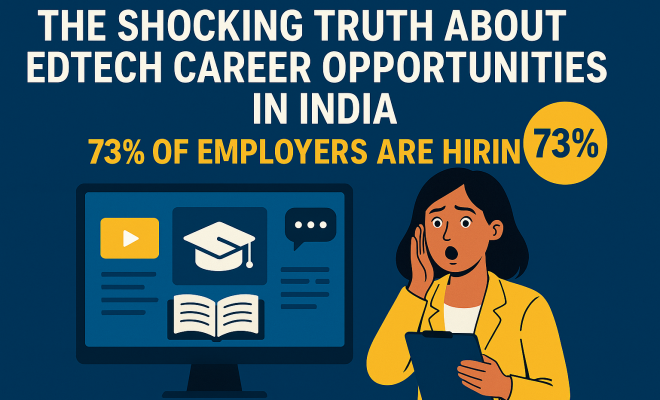
The EdTech landscape in India is transforming at a breakneck pace, and the newly unveiled EdTech Career Outlook Report 2026 reveals the complexities of today’s job market. With 73% of employers actively hiring for roles such as Software Developer Trainees, the competition among fresh graduates has reached staggering levels. In this article, we will unpack the implications of this bifurcated hiring reality, providing insights into what it means for aspiring tech professionals.
1. The Bifurcation of the Job Market
The EdTech Career Outlook Report paints a picture of a divided job market in India. On one side, there’s a significant demand for tech talent, with the majority of employers expanding their teams. However, on the flip side, a massive influx of freshers is competing for these limited spots. This stark bifurcation is creating a high-stakes ‘fear of missing out’ (FOMO) environment for job seekers.
As the tech sector continues to grow, many young hopefuls find themselves in a challenging position. While companies are reporting a need for skilled employees, the reality is that many graduates are struggling to secure jobs. This paradox is fuelling anxiety among students and parents alike, as they grapple with the viability of careers within the EdTech space.
2. Employer Demand: What Roles Are in High Demand?
According to the report, some of the most sought-after roles include Software Developer Trainees, Data Analysts, and UI/UX Designers. Companies in the EdTech sector are keen to fill these positions quickly to keep pace with technological advancements and to remain competitive. This surge in demand is largely driven by the rapid digitization of learning platforms and the ongoing need for innovative educational solutions.
Employers are particularly looking for candidates who possess a blend of technical skills and soft skills. While coding knowledge is essential, companies also value communication abilities and teamwork experiences, which are crucial in a collaborative tech environment. Potential job seekers must therefore not only enhance their technical know-how but also cultivate their interpersonal skills to stand out in the application process.
3. The Role of EdTech Training Programs
With the increasing competitive landscape for EdTech career opportunities, training programs that equip candidates with necessary skills are becoming critical. Coding bootcamps, online courses, and certifications from reputed institutions are valuable resources that can significantly improve a candidate’s employability.
Many of these programs focus on practical knowledge and hands-on experience, allowing students to work on real projects that can be showcased in their portfolios. Furthermore, some bootcamps offer job placement services, increasing the chances of landing a position in a competitive market. As the demand for skilled tech workers grows, investing in quality training programs can pay dividends for aspirants.
4. High Stakes and FOMO Culture
The competitive nature of the job market is creating a culture of FOMO among students. As reports of employers hiring flood social media, job seekers feel an urgent pressure to secure their dream positions before opportunities slip away. This psychological phenomenon is not just about wanting a job; it’s about the fear of being left behind in a rapidly evolving industry.
Many students are inundated with advice and success stories of peers landing coveted tech jobs, which only amplifies their anxiety. This leads to a race against time to acquire skills, complete certifications, and polish resumes. As a result, students are increasingly turning to online platforms and forums to get the latest on job openings, application tips, and industry trends.
5. How to Stand Out in a Crowded Market
Given the challenges of breaking into the EdTech industry, candidates must find ways to differentiate themselves from the competition. A few effective strategies include:
- Build a Strong Online Presence: Use platforms like LinkedIn to showcase your skills, connect with industry professionals, and engage with relevant content.
- Develop a Portfolio: Create a portfolio of projects that demonstrate your coding skills, design capabilities, or data analysis work, giving employers a tangible sense of your abilities.
- Network Actively: Attend industry events, webinars, and workshops to meet peers and potential employers. Building relationships can lead to referrals or insider knowledge about job openings.
Ultimately, the key is to remain proactive and adaptable, continuously seeking opportunities to learn and grow within the EdTech space. (See: EdTech job market trends.)
6. The Impact of Technology on EdTech Job Opportunities
As technology continues to evolve, so too do job opportunities within the EdTech sector. Innovations such as artificial intelligence, machine learning, and data analytics are reshaping the educational landscape, demanding new skill sets from job seekers. This technological evolution opens doors for emerging roles that didn’t exist a few years ago, such as AI Education Consultants or Learning Experience Designers.
As a result, professionals in the field must stay informed about the latest tech trends and how they might apply to education. Engaging with ongoing professional development or obtaining certifications in new tools can provide a competitive edge and signal to employers that you’re committed to continuous learning. For more context, see Best Online Bachelor Degree Programs.
7. Exploring Monetization Opportunities in EdTech
For aspiring entrepreneurs or professionals looking to make an impact, the EdTech sector presents numerous monetization opportunities. Companies and freelancers can explore avenues such as:
- Creating Online Courses: If you possess expertise in a specific area, developing your own course can generate passive income while helping others learn.
- Consulting Services: Offering your knowledge to schools or educational institutions can help enhance their curriculums or improve their digital strategies.
- Affiliating with Job Placement Services: Many training programs have partnerships with job placement services. By promoting these services, you can earn commissions while helping others find jobs.
Exploring these avenues not only creates potential revenue streams but also allows you to contribute positively to the education community. For more on this, see job search tips.
8. The Future of EdTech Careers
The outlook for EdTech career opportunities is undeniably promising, with a high percentage of employers actively hiring. However, navigating this competitive landscape will require individuals to adapt and upskill continuously. The report highlights the necessity for candidates to embrace lifelong learning as technology and educational needs evolve.
As EdTech continues to grow and diversify, professionals will find themselves not only with traditional job opportunities but also with roles that leverage new technology and innovative pedagogies. The ability to pivot and embrace change will be crucial for long-term success.
9. Key Skills Needed for EdTech Careers
While technical skills often take the spotlight, several soft skills are equally important when pursuing a career in EdTech. Here are some vital skills that can enhance employability in this sector:
- Communication: Whether you’re explaining complex educational technologies to educators or interacting with students, clear communication is essential.
- Problem-Solving: The ability to identify challenges in educational settings and devise effective solutions is highly valued.
- Creativity: Innovating new ways to engage learners and improve educational experiences will set you apart.
- Data Literacy: As EdTech relies heavily on data, being comfortable with data interpretation and analysis is crucial for making informed decisions.
Investing time in developing these skills alongside technical expertise can make a significant difference in your job search and career advancement.
10. Common Misconceptions About EdTech Careers
As the EdTech industry grows, several misconceptions have emerged that can mislead aspiring professionals. Here are a few common myths:
- It’s All About Coding: While technical roles do require coding, many positions focus more on project management, user experience, and educational content development.
- You Need a Formal Education in Tech: Many successful EdTech professionals come from diverse educational backgrounds. What matters most is your ability to show relevant skills and experience.
- EdTech is Just a Fad: The ongoing trend towards digital education indicates that EdTech is here to stay, making it a stable career choice for the foreseeable future.
Being aware of these misconceptions can help you approach your career path with a clearer mindset and avoid potential pitfalls.
11. Salary Expectations in EdTech
Understanding the salary landscape is crucial when evaluating career opportunities in EdTech. As a sector, EdTech offers competitive salaries, but they can vary widely based on factors such as experience, role, and location. For example:
- Software Developer: Average salaries range from INR 6-12 lakhs per annum, depending on experience and company size.
- Data Analyst: Entry-level positions start around INR 4-8 lakhs per annum, but experienced analysts can earn upwards of INR 12 lakhs.
- UX/UI Designer: Salaries for these roles can range from INR 5-15 lakhs, reflecting the high demand for skilled designers in the EdTech space.
These figures illustrate the potential financial rewards but also highlight the importance of skill development and experience in maximizing earning potential.
12. Frequently Asked Questions (FAQ)
What qualifications do I need for a career in EdTech?
While specific qualifications can vary by role, a bachelor’s degree in fields such as computer science, education, or graphic design is often preferred. Certifications in relevant technologies or methodologies can also enhance your prospects. (See: impact of technology on education.)
Is prior experience necessary to get a job in EdTech?
While experience can be beneficial, many entry-level roles welcome motivated candidates willing to learn. Internships, projects, and practical training can all serve as valuable experiences to showcase to potential employers.
Are EdTech jobs flexible or remote?
Many EdTech companies offer remote or flexible working arrangements, reflecting a broader trend in the tech industry. However, the extent of flexibility can vary based on the specific role or company policies. For more context, see 2026 – 2027 Best Military Colleges & Universities.
How can I keep up with trends in EdTech?
Staying informed about industry trends can be achieved through following EdTech news sites, attending webinars, and engaging with relevant online communities. Platforms like LinkedIn and Twitter can also provide updates from industry leaders.
What are the best online platforms to find EdTech jobs?
Several online job boards specialize in EdTech opportunities. Websites like EdSurge, LinkedIn, and even P-20 Education Careers offer job listings tailored to the EdTech sector.
13. Embracing Continuous Learning in EdTech
One of the unique aspects of working in EdTech is the emphasis on continuous learning. The rapid advancement of technology means that what you learn today may need to be updated tomorrow. Professionals in this field are often encouraged to pursue ongoing education through workshops, webinars, and additional certifications.
A commitment to lifelong learning not only enhances your skills but can also make you a more attractive candidate in the job market. Whether it’s learning the latest programming languages or understanding new educational methodologies, investing time in your education will pay off in the long run.
14. Networking for Success in EdTech
In any job market, networking can be a game changer, and the EdTech sector is no different. Building a network of professionals can open doors to opportunities that may not be advertised. Attend industry conferences, join online forums, and reach out to individuals in roles you aspire to. This proactive approach can lead to valuable connections and insights.
Additionally, engaging with peers through social media platforms like Twitter or LinkedIn can help you stay updated on industry trends and job openings. The more connected you are, the more likely you are to hear about new opportunities before they hit the mainstream job boards. We covered edtech innovations in education in more detail.
15. Emerging Careers in EdTech
As EdTech evolves, new career paths are emerging that reflect changes in technology and educational practices. Here are a few roles to watch that are gaining traction:
- Learning Experience Designer: This role focuses on creating effective and engaging learning experiences by integrating technology, pedagogy, and user experience.
- EdTech Data Scientist: With data playing a central role in education, there’s a growing need for professionals who can analyze and interpret educational data to inform decision-making.
- Virtual Reality/Augmented Reality Developer: As educational institutions explore immersive learning experiences, developers who can create VR/AR content are increasingly in demand.
- Gamification Expert: This role centers around incorporating game elements into educational content to enhance engagement and learning outcomes.
These emerging roles not only highlight the adaptability of the EdTech sector but also suggest a future where technology and education are even more deeply intertwined. (See: Harvard's research on EdTech.)
16. Advice from Industry Experts
To provide deeper insight, we reached out to several EdTech professionals for their thoughts on navigating the job market:
Riya Sharma, EdTech Consultant: “Don’t be afraid to start small. Many people begin in related fields before transitioning into EdTech. Look for internships or volunteer opportunities related to education and technology to build your resume.”
Rahul Desai, CTO of a leading EdTech startup: “The best candidates are those who demonstrate adaptability. Technology changes quickly, and being open to learning new skills is crucial.”
Meera Kapoor, UX Researcher: “Networking isn’t just about finding job leads—it’s about building relationships. Engage with others in the field, and don’t be shy about reaching out for informational interviews.”
17. The Global EdTech Landscape
While this article focuses on the EdTech scene in India, it’s worth noting that the global landscape also presents vast career opportunities. Countries such as the United States, China, and those in Europe are investing heavily in EdTech solutions, creating a demand for professionals across various functions. Understanding global trends can provide a valuable perspective on the EdTech industry as a whole and may open up international job prospects.
For instance, the U.S. EdTech market is anticipated to grow significantly, driven by schools adopting various digital solutions. This growth translates into job openings for tech experts, curriculum developers, and educational consultants. Educators looking to expand their horizons should consider also looking at opportunities abroad.
18. Conclusion: Embracing Change and Opportunity
In summary, the EdTech industry offers a wealth of career opportunities despite the fierce competition showcased in the EdTech Career Outlook Report 2026. For job seekers, the key lies in understanding the nuanced demands of the market, investing in training programs, and actively building networks. By doing so, aspiring professionals can better position themselves within a rapidly evolving sector that holds immense potential for growth and innovation.
The narrative of a bifurcated market may induce fear, but it also serves as a clarion call for action. By understanding the landscape and being proactive, you can find your place in the world of EdTech and seize the opportunities it presents.
“`
Trending Now
Frequently Asked Questions
What is the current job market for EdTech careers in India?
The EdTech job market in India is experiencing a significant transformation, with 73% of employers actively hiring. However, this demand is met with intense competition, as many fresh graduates vie for limited positions, creating a challenging environment for job seekers.
Which roles are most in demand in the EdTech sector?
The most sought-after roles in the EdTech sector include Software Developer Trainees, Data Analysts, and UI/UX Designers. The demand for these positions is driven by rapid technological advancements and the need for innovative educational solutions.
Why is there a high level of competition for EdTech jobs?
High competition for EdTech jobs arises from a massive influx of fresh graduates entering the job market, coupled with a limited number of available positions. This creates a 'fear of missing out' (FOMO) environment among job seekers.
What skills do employers look for in EdTech candidates?
Employers in the EdTech sector seek candidates with a mix of technical skills and soft skills. While coding knowledge is crucial, strong communication abilities and teamwork experiences are equally valued by companies looking to fill roles quickly.
How is the EdTech landscape changing in India?
The EdTech landscape in India is rapidly evolving, driven by the digitization of learning platforms and a growing need for innovative educational solutions. This shift is creating new career opportunities while simultaneously intensifying the competition among job seekers.
What’s your take on this? Share your thoughts in the comments below — we read every one.