Small Dollar Loan Program 2026: Transforming Lives & Sparking Debate
“`html
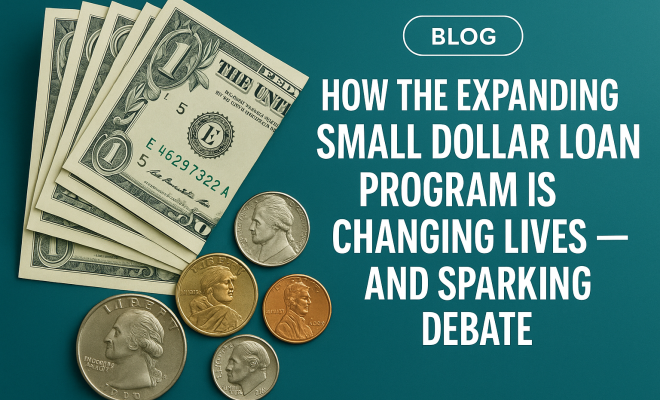
The financial landscape in the United States is rapidly evolving, and the recent announcement from the Community Development Financial Institutions Fund (CDFI Fund) regarding the Small Dollar Loan Program (SDL Program) is nothing short of a watershed moment. As new funding opportunities emerge for the 2026 application rounds, the program aims to empower underserved communities by providing much-needed access to micro-loans. This initiative is not just another financial product; it represents a vital lifeline for individuals who have historically been excluded from traditional banking services. The implications are profound, stirring discussions across social media platforms about financial inequality and the potential for a transformative impact on poverty rates.
Understanding the Small Dollar Loan Program
The Small Dollar Loan Program was initially launched to bridge the gap for individuals who needed access to small amounts of money but found themselves overlooked by traditional lending institutions. Typically characterized by loans ranging from $300 to $2,500, the SDL Program is designed to cater to those whose financial needs fall below the conventional thresholds of standard loans.
The core principle behind this program is to offer affordable and responsible alternatives to high-cost payday lending, which has often trapped individuals in cycles of debt. By providing these small loans at reasonable interest rates, the SDL Program helps empower individuals, allowing them to meet immediate financial obligations while also working towards longer-term financial stability.
New Funding Opportunities: What’s on the Table?
The recent announcement by the CDFI Fund has opened up new funding opportunities within the SDL Program for the 2026 application rounds. These funds are expected to significantly expand the reach of the program, allowing more individuals and families to access the financial support they need. This expansion aligns with the CDFI Fund’s mission to increase community financing and promote economic stability in regions often left behind.
Eligible organizations can now apply for funds to support their efforts in providing small dollar loans. The application process is open, generating excitement among community-based organizations that understand the crucial role such funding can play in their efforts to alleviate poverty and foster economic empowerment.
Who Benefits from the Small Dollar Loan Program?
The primary beneficiaries of the SDL Program are low-income individuals and families who struggle to obtain credit through traditional means. Many of these individuals find themselves in precarious financial situations, often relying on payday lenders or other high-interest loan options that exacerbate their financial burden.
By providing access to affordable loans, the SDL Program can help these individuals manage unforeseen expenses, such as medical bills, car repairs, or emergency home repairs, without resorting to predatory lending practices. This access can lead to improved financial literacy, better budgeting skills, and ultimately, increased financial independence.
Community Response: Excitement vs. Skepticism
The expansion of the Small Dollar Loan Program has elicited a mixed response from the community and financial experts alike. On one hand, advocates praise the initiative as a crucial step toward reducing poverty and financial inequality. Supporters argue that the program’s structure allows for responsible lending practices, which can genuinely improve the lives of those who utilize it.
On the other hand, some critics raise valid concerns about the potential for predatory lending practices disguised as ‘helpful’ financial solutions. They argue that, without proper regulation and oversight, the SDL Program could inadvertently lead to mismanagement by some institutions, effectively trapping vulnerable individuals in cycles of debt similar to those caused by payday loans.
How to Apply for the Small Dollar Loan Program
For organizations interested in applying for the new funding opportunities through the SDL Program, the application process is now open. Organizations must demonstrate their capacity to responsibly manage and distribute loans to eligible borrowers. Detailed guidelines are available on the CDFI Fund’s official website, providing potential applicants with the necessary information to prepare their proposals.
Here are some key steps to consider when applying: (See: Community Development Financial Institutions Fund.)
- Understand Eligibility Criteria: Organizations must meet specific requirements set forth by the CDFI Fund to qualify for funding.
- Prepare a Comprehensive Proposal: This should include a clear plan for how the funds will be used to support small dollar lending initiatives.
- Demonstrate Community Impact: Highlight how the proposed loans will benefit the community and contribute to economic stability.
- Submit Before the Deadline: Keep track of application deadlines to ensure timely submission.
The Role of Social Media in Spreading Awareness
The announcement of the SDL Program’s expansion has sparked a flurry of activity on social media platforms like Twitter and Reddit. Users are sharing the news, seeking advice, and discussing both the benefits and potential pitfalls associated with the program. The emotional resonance of financial inequality has made this topic particularly compelling, prompting individuals to advocate for changes in the financial landscape.
Social media has also become a critical resource for sharing personal stories about the impact of small dollar loans. These narratives can shed light on how access to such financial resources has created positive change in people’s lives, helping to shift the public narrative around these lending options.
Real-Life Impacts: Success Stories
There are countless success stories from individuals who have benefitted from the Small Dollar Loan Program. For example, some borrowers have used the loans to cover urgent medical expenses, while others have taken out loans to repair their vehicles, enabling them to commute to work and maintain their employment. These small financial injections have had ripple effects, aiding borrowers in avoiding high-interest loans and fostering a sense of stability.
Organizations that have previously participated in the SDL Program often highlight how the loans have empowered their clients to build credit, establish savings, and ultimately become more active participants in their local economies. The transformative nature of these small loans cannot be overstated, as they frequently serve as the first stepping stone toward financial independence.
Addressing Concerns: Ensuring Responsible Lending Practices
While the Small Dollar Loan Program presents many advantages, it is vital to address the concerns surrounding potential predatory lending. Advocates for the program are calling for strict regulations and thoughtful oversight to ensure that the funds are used effectively and responsibly. Implementing measures to monitor lending practices can help mitigate risks associated with high-interest rates and hidden fees.
Transparency is key. By requiring organizations to report on their lending practices and borrower outcomes, the CDFI Fund can better assess the program’s effectiveness and demonstrate its value to stakeholders. This accountability can help build trust within communities and ensure that the SDL Program remains a beneficial option for those who need it.
The Future of Small Dollar Lending
As we look ahead, the future of the Small Dollar Loan Program seems promising, yet fraught with challenges. The potential for positive community impact is immense, but it hinges on the commitment of participating organizations to uphold ethical lending standards. The anticipated demand for small dollar loans will likely grow, especially in light of ongoing economic uncertainties and the rising cost of living.
In conclusion, while the expansion of the Small Dollar Loan Program presents an opportunity to address financial inequality, it also poses questions about ethics and responsibility in lending. For the program to reach its full potential, stakeholders must remain vigilant, ensuring that these loans serve as a tool for empowerment rather than a trap for exploitation. As discussions continue on platforms like Twitter and Reddit, the outcome of the SDL Program will undoubtedly shape the narrative around small dollar lending for years to come.
The Economic Context of Small Dollar Loans
In understanding the significance of the Small Dollar Loan Program, it’s essential to consider the economic context in which it operates. The economic landscape in the U.S. has been marked by rising living costs, stagnant wages for many, and a growing wealth gap. According to the U.S. Bureau of Labor Statistics, consumer prices have increased significantly, adding strain on low-income households. Small dollar loans can provide immediate relief to individuals facing these rising costs, allowing them to address urgent needs without falling into the trap of high-interest payday loans.
Statistics show that nearly 40% of Americans would struggle to cover an unexpected $400 expense, highlighting the need for accessible financial products. The SDL Program positions itself as a necessary tool for those who might otherwise turn to predatory lending options. By providing a structured way for individuals to access small loans, it seeks to alleviate financial stress and promote economic stability.
Expert Perspectives on Small Dollar Loans
Financial experts have analyzed the implications of small dollar loans, weighing both the benefits and potential pitfalls. Dr. Sarah Johnson, a leading researcher in community finance, emphasizes the program’s role in bridging the credit gap. She notes that “the SDL Program addresses a significant void in the lending market, offering a lifeline to those in desperate need of funds.” Her research suggests that participants in small dollar loan programs tend to show improved financial behaviors, such as increased savings and better credit scores.
However, not all experts are entirely optimistic. Professor John Adams, an economist, raises concerns about scalability and sustainability. “While the SDL Program offers a critical service, its long-term success relies on robust regulatory frameworks to prevent misuse. Without those, we risk creating a new class of financial products that may also lead borrowers into debt traps.” His perspective highlights the delicate balance between providing assistance and ensuring that the program does not inadvertently perpetuate a cycle of dependency. (See: New York State Small Dollar Loan Program.)
Comparative Analysis: Small Dollar Loans vs. Payday Loans
To fully appreciate the value of the Small Dollar Loan Program, it’s useful to compare it with payday loans, which many low-income borrowers frequently use due to their accessibility. Payday loans often come with exorbitant interest rates, sometimes exceeding 400% APR, trapping borrowers in a cycle of debt. In stark contrast, small dollar loans from the SDL Program aim to offer much lower rates, typically ranging from 8% to 36% APR, depending on the lender and the borrower’s creditworthiness.
This significant difference in cost can lead to vastly different outcomes for borrowers. Research indicates that individuals who rely on payday loans are more likely to face financial distress, including bankruptcy and long-term debt. Conversely, borrowers who utilize small dollar loans often report improved financial stability and the ability to manage their expenses more effectively. This comparison underscores the critical need for programs like the SDL Program to provide safe and affordable lending options.
Frequently Asked Questions (FAQ)
What is the maximum amount I can borrow through the Small Dollar Loan Program?
The SDL Program typically allows borrowers to take loans ranging from $300 to $2,500, depending on the lender’s criteria and the borrower’s financial situation.
How do I find a lender that participates in the Small Dollar Loan Program?
To find participating lenders, you can visit the CDFI Fund’s official website or contact local community organizations that you know are involved in the program. They can provide referrals and guidance on how to access loans.
Are there any fees associated with small dollar loans?
While the SDL Program aims to minimize costs, some lenders might charge fees for processing loans. It’s essential to read the loan agreement carefully and inquire about any potential fees before signing.
What are the eligibility requirements for borrowers?
Eligibility requirements may vary by lender, but typically, borrowers need to demonstrate a steady income, a valid ID, and may need to undergo a credit check. However, the program is designed to be more inclusive than traditional loans.
How can I improve my chances of being approved for a loan?
Improving your credit score, demonstrating stable income, and maintaining a good banking history can enhance your chances of approval. It’s also beneficial to have a clear plan for how you intend to use the loan.
Can I use a small dollar loan for any purpose?
Yes, small dollar loans can generally be used for a variety of purposes, including emergency expenses, car repairs, medical bills, or other unexpected costs. However, it’s prudent to use these loans for essential needs rather than discretionary spending.
What happens if I’m unable to repay my small dollar loan?
If you’re unable to repay your loan, it’s essential to communicate with the lender as soon as possible. Many lenders may offer options to restructure your loan or create a repayment plan to avoid penalties and additional fees.
Is there a limit to how many small dollar loans I can take out?
The number of loans you can take out may depend on the policies of the participating lender and your repayment history. It’s important to avoid borrowing more than you can afford to repay, which could lead to financial difficulties.
How does the SDL Program contribute to financial literacy?
The SDL Program often includes financial education components to help borrowers understand budgeting, saving, and responsible borrowing. This focus on financial literacy aims to empower borrowers to make informed decisions and improve their overall financial health.
Challenges and Considerations for Borrowers
While the Small Dollar Loan Program offers significant benefits, it’s important for potential borrowers to understand the challenges they may face. Often, the need for a small dollar loan arises from urgent financial situations that can create pressure to make hasty decisions. For instance, borrowers might feel inclined to accept the first loan offer they receive without fully understanding the terms or considering alternative options. This urgency can lead to problematic financial consequences.
Additionally, potential borrowers should be aware of the longer-term implications of taking on debt, regardless of how manageable it may seem. Borrowers should reflect on their overall financial health, including any existing debts, and consider whether they can realistically repay the new loan without incurring further financial strain.
It’s crucial that borrowers take the time to compare offers from different lenders, looking beyond just the interest rates. They should evaluate total repayment amounts, terms and conditions, and any potential penalties for late payments. Utilizing resources such as financial counseling services can provide valuable insights and support in making informed borrowing decisions.
The Impact of Inflation on Small Dollar Loan Demand
Another factor influencing the Small Dollar Loan Program is inflation. Rising prices can create a higher demand for small dollar loans, as more individuals find themselves in need of immediate financial assistance to cope with the increased costs of living. For example, with essentials such as food and gas becoming more expensive, families may have to seek out small loans to cover basic expenses. During periods of high inflation, the SDL Program could become a crucial resource for those who find themselves living paycheck to paycheck.
Data from the Federal Reserve indicates that inflation rates have fluctuated significantly over the past few years, leading to increased volatility in consumer spending habits. As inflation continues to affect economic stability, programs like the SDL become even more critical in providing support to those who may be experiencing financial insecurity. Understanding these economic factors can inform how stakeholders, including policymakers and community organizations, address the ongoing needs of low-income populations.
Conclusion
The Small Dollar Loan Program stands at a pivotal junction in the landscape of financial services, offering a crucial alternative for those who have traditionally faced barriers to accessing credit. With the potential to transform lives and communities, the SDL Program represents hope in combating financial inequality. Continued advocacy for responsible lending practices, paired with community engagement, will ensure that this program not only provides immediate financial relief but also fosters long-term economic empowerment.
“`
Trending Now
Frequently Asked Questions
What is the Small Dollar Loan Program?
The Small Dollar Loan Program (SDL Program) is an initiative designed to provide affordable micro-loans ranging from $300 to $2,500 to individuals underserved by traditional banking. Launched to bridge financial gaps, it aims to empower those needing immediate financial assistance while promoting longer-term financial stability.
How does the Small Dollar Loan Program help low-income individuals?
The SDL Program offers low-interest loans as an alternative to high-cost payday lending, which often traps borrowers in debt cycles. By providing accessible financial options, the program helps low-income individuals meet urgent expenses and fosters financial independence.
What are the new funding opportunities for the Small Dollar Loan Program?
Recent announcements from the CDFI Fund have introduced new funding opportunities for the SDL Program for the 2026 application rounds. This expansion aims to increase access to financial support for more individuals and families in need, enhancing the program's outreach.
Why is the Small Dollar Loan Program important?
The SDL Program is crucial as it addresses financial inequality by providing access to credit for those historically excluded from traditional lending. It represents a significant step towards reducing poverty rates and empowering underserved communities with responsible lending options.
What impact does the Small Dollar Loan Program have on financial inequality?
The Small Dollar Loan Program aims to alleviate financial inequality by offering accessible micro-loans to underserved populations. By filling the gap left by traditional banks, it helps empower individuals, thereby promoting economic stability and reducing the cycles of poverty.
What’s your take on this? Share your thoughts in the comments below — we read every one.