Microwaving Squishy Toys: Hidden Dangers Parents Must Know
“`html
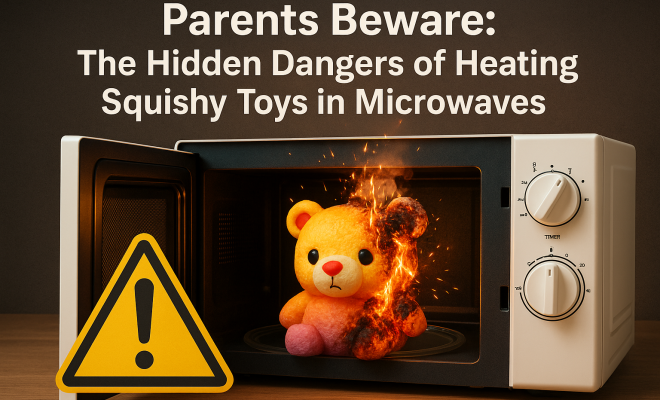
The world of children’s toys is often filled with delight and creativity, but beneath the surface of fun lies a concerning trend that has emerged recently: heating squishy toys in microwaves. What’s meant to be a harmless activity has resulted in alarming injuries, prompting medical experts to issue warnings about the dangers associated with this viral behavior. Understanding the risks of squishy toys safety is essential for parents, educators, and anyone involved in child care.
What Are Squishy Toys?
Squishy toys have become increasingly popular over the last few years, often marketed as stress-relief items or sensory toys. They come in various shapes, sizes, and colors, designed to be pliable and soft, making them enjoyable for kids to squeeze and manipulate. The appeal lies not only in their aesthetic but also in the tactile experience they offer.
However, many of these toys contain a gel-like substance that can provide added sensory stimulation. Unfortunately, this substance becomes a significant factor in the dangers of squishy toys when children decide to heat them. The trend has turned from simple enjoyment to a hazardous activity that could cause severe injuries.
The Trend of Heating Squishy Toys
It appears that social media has played a pivotal role in popularizing the trend of heating squishy toys. Videos showcasing the process of microwaving these toys for a few seconds to enhance their squishiness have attracted countless viewers, urging curious children and their parents to try it at home. The phenomenon seems innocent and fun, yet it’s crucial to understand that it could lead to dire consequences.
When heated, the gel inside squishy toys can reach extreme temperatures, creating an environment ripe for accidents. The outcome of experimenting with this trend has resulted in children experiencing serious injuries, which is alarming for families everywhere.
Real Cases of Injury
Reports have emerged detailing cases where children have suffered severe burns after heating squishy toys in microwaves. Several medical professionals have come forward, sharing stories of young patients who arrived at emergency rooms with horrific injuries. The gel in the toys can explode, sticking to the skin and causing deep tissue damage that can be difficult to treat.
For instance, a burn specialist from a major hospital mentioned treating several children who had to undergo painful procedures to remove the burned gel from their skin. The gel, once heated, does not cool down quickly, making it particularly dangerous. It adheres to the skin, prolonging the burn and increasing the likelihood of significant injury.
Understanding the Science Behind the Injuries
The physical properties of the gel used in squishy toys are critical in understanding why these injuries occur. When microwaved, the gel can heat unevenly, resulting in specific hotspots that can cause it to explode on contact. This explosion can project the hot gel outwards, leading to burns that can cover larger areas of the skin than one might expect.
Additionally, the high temperatures reached by the gel can cause burns that are not only superficial but also deeply damaging, affecting layers of skin and underlying tissues. Medical professionals warn that the pain from such burns can be substantial, and the recovery process may require medical intervention, such as skin grafts or other treatments. (See: safety guidelines for children's toys.)
Why Is This Trend Particularly Dangerous?
One of the most troubling aspects of this trend is how it combines the innocence of play with the potential for severe harm. Children often lack the understanding of the risks associated with microwaving toys, especially when they see others doing it online. The excitement surrounding squishy toys can drown out the inherent dangers. car seat safety tips offers useful background here.
Moreover, the viral nature of trends on platforms like TikTok and Instagram means that children are often influenced by their peers or social media personalities who may showcase these dangerous activities without considering the consequences. This phenomenon creates a perfect storm for accidents to occur.
What Parents Need to Know About Squishy Toys Safety
As parents, it’s essential to be proactive about squishy toys safety and educate your children on the risks associated with heating these products. Here are some critical points to consider:
- Educate Your Children: Have open discussions about the dangers of microwaving toys. Explain why it’s unsafe and encourage them to think critically about trends they see online.
- Monitor Toy Use: Keep an eye on the types of toys your children are playing with and provide guidance on appropriate play. If they have squishy toys, ensure they understand how to use them safely.
- Lead by Example: Show your children how to engage in safe play and discourage them from following trends that may be harmful. Setting a positive example goes a long way.
What to Do If an Accident Occurs
In the unfortunate event that a child suffers a burn from a squishy toy, immediate action is crucial. Here’s what parents should do:
- Assess the Injury: Determine the severity of the burn. If it’s a minor burn, soothing the area with cool water for several minutes may help. However, if the gel has adhered to the skin or the burn appears severe, seek medical attention immediately.
- Do Not Remove the Gel: If the gel is stuck to the skin, do not attempt to remove it, as this could cause additional damage. Medical professionals are better equipped to handle such situations.
- Contact a Healthcare Provider: If you have any doubts about the severity of the injury, it’s always best to err on the side of caution and consult a healthcare professional.
Tips for Safe Play with Squishy Toys
While squishy toys can be enjoyable and beneficial for sensory play, they must be used correctly. Here are some practical tips for ensuring safe play:
- Avoid Heating: Make it a family rule that squishy toys should never be heated in microwaves or any other method.
- Check for Safety Standards: When purchasing squishy toys, look for those that adhere to safety standards and regulations, which can help ensure they are non-toxic and safe for children.
- Supervise Playtime: Keep an eye on how children are using their toys, especially if they are playing with squishy items that might be misused.
The Role of Manufacturers and Retailers
Manufacturers and retailers also have a substantial role to play in squishy toys safety. They should take the initiative to provide clear warnings about the safe use of their products. This includes:
- Labeling: Clear and conspicuous warnings about the dangers of heating squishy toys should be included on packaging.
- Education Campaigns: Companies could engage in proactive education campaigns to inform consumers about safe practices concerning squishy toys.
- Product Design: Consider designing squishy toys that do not contain gels or materials that could become dangerous when heated.
Community Awareness and Parental Responsibility
As this trend continues to gain traction, community awareness becomes more critical than ever. Parents should come together to share information and strategies for keeping children safe. Schools, daycare centers, and community organizations can also play a role by educating children about the risks.
Additionally, parents should take responsibility for monitoring the content their children consume online. With a clear understanding of the potential risks associated with squishy toys, parents can guide their children away from harmful trends and towards safer, more constructive activities.
Spotting Unsafe Squishy Toys: Key Indicators
When selecting squishy toys for children, it’s important to exercise caution and be educated about the indicators of potentially unsafe products. Here are some red flags to look out for:
- Poor Quality Materials: If a squishy toy feels flimsy or has a strange odor, it might be made from inferior materials that could be hazardous. Always choose toys made from safe, non-toxic substances.
- Lack of Age Appropriateness: Toys often come with age recommendations. Always adhere to these guidelines, as toys designed for older children may pose choking hazards or other risks to younger ones.
- Absence of Safety Certifications: Look for certifications like ASTM or EN71, which ensure toys meet safety standards. The absence of these labels should raise concerns about their safety.
Statistics on Toy-Related Injuries
Understanding the broader context of toy safety can help underscore the importance of vigilance when it comes to squishy toys. According to the U.S. Consumer Product Safety Commission (CPSC), in 2022 alone, an estimated 200,000 children under the age of 15 were treated in emergency rooms for toy-related injuries. Of these, a significant percentage were linked to soft or squishy toys. This highlights the pressing need for both manufacturers and parents to take toy safety seriously.
Expert Perspectives on Squishy Toys Safety
Experts in child safety and pediatric medicine have shared their insights regarding the risks associated with squishy toys. Dr. Emily Carter, a pediatric burn specialist, emphasizes the importance of understanding the materials used in these toys. “Many parents are unaware of what goes into the products their children play with. It’s crucial to educate both parents and children about the materials that can cause harm,” she states. Dr. Carter also advocates for ongoing education around safe play practices, suggesting workshops and community seminars as effective ways to spread awareness. (See: child injury prevention strategies.)
Comparing Squishy Toys to Other Toy Categories
When evaluating the safety of squishy toys, it can be insightful to compare them to other popular categories of toys. For instance, plush toys, while also soft and cuddly, typically do not contain hazardous materials or encourage unsafe play behaviors like heating. Additionally, traditional building blocks or educational toys often come with explicit safety guidelines and are less likely to lead to injuries when used as intended. This comparison further underscores the need for heightened awareness around squishy toys, as they present unique risks that other toys managed to sidestep.
FAQs about Squishy Toys Safety
Are squishy toys safe for children under three?
Generally, squishy toys should be avoided for children under three due to potential choking hazards. Always check age recommendations and ensure toys are appropriate for your child’s developmental stage.
What should I do if my child is injured by a squishy toy?
If your child is injured, assess the burn’s severity and seek immediate medical attention if necessary. Avoid removing any gel that may have adhered to the skin.
Can I wash squishy toys?
Most squishy toys can be washed with soap and water, but avoid submerging them completely, as this can damage the internal gel. Always refer to the manufacturer’s care instructions.
How can I tell if a squishy toy is made from safe materials?
Look for toys that have been certified by safety organizations and those that display non-toxic labels. Avoid toys with strong odors, as this can indicate harmful chemicals.
What are some safe alternatives to squishy toys?
Consider using stress balls, fidget spinners, or other sensory toys designed with safety in mind. Many of these alternatives can provide similar tactile experiences without the associated risks.
Common Misconceptions about Squishy Toys
There are several misconceptions regarding squishy toys that can lead to unsafe practices. One of the most prevalent is that all squishy toys are made from safe, non-toxic materials. Not all squishy toys are created equal; some may contain harmful chemicals, especially those made cheaply and sold without proper safety inspection.
Another misconception is that once a squishy toy has been purchased, it is safe for all children. The truth is that the safety of a toy can change over time due to wear and tear, or if a child is playing with it inappropriately. Parents should regularly inspect toys for signs of damage or wear, as these can increase the risk of injury.
How to Make Informed Choices When Buying Squishy Toys
Choosing the right squishy toys requires some diligence. Always research brands and their commitment to safety. Look for customer reviews that discuss the longevity and safety of the toy. If you’re unsure, consult with other parents or experts in child safety. (See: impact of toys on child development.)
Additionally, consider purchasing from reputable retailers that provide transparency regarding product sourcing and safety testing. High-quality squishy toys may be more expensive, but they are generally safer and more durable, ultimately providing better value for your child’s playtime.
Long-Term Effects of Squishy Toys on Child Development
While squishy toys can be great for sensory play, it’s worth considering their long-term effects on child development. Engaging with tactile toys can enhance motor skills, increase focus, and reduce anxiety in children. However, when safety is comprised, these benefits may be overshadowed by the risks associated with misuse, such as heating.
Parents should encourage varied play experiences that incorporate safe sensory activities. Activities like playdough, kinetic sand, or even water play can provide similar tactile stimulation without the associated dangers of squishy toys. This helps children gain the sensory benefits they seek while keeping their play safer.
Community Action and Awareness Programs
It’s essential for communities to take action in raising awareness about squishy toys safety. Schools can organize educational sessions that teach children about safe play practices while also emphasizing critical thinking regarding trends they may encounter online. Parent-teacher associations can sponsor events that focus on toy safety, providing resources and information to empower families.
Communities can also collaborate with local pediatricians to hold workshops where parents can learn how to assess and choose safe toys. Developing community awareness programs will create a supportive environment where everyone is actively working towards the safety and well-being of children.
Conclusion: Prioritizing Safety Over Trends
In an age where viral trends can spread rapidly, it’s vital to prioritize squishy toys safety over the allure of potentially dangerous activities. While squishy toys can be a source of joy and stress relief, they should never come at the cost of a child’s safety. By educating ourselves and our children, monitoring playtime, and advocating for better safety practices, we can help ensure that these toys remain a fun and safe part of childhood.
“`
Trending Now
Frequently Asked Questions
What are the dangers of heating squishy toys in the microwave?
Heating squishy toys in the microwave can cause the gel inside to reach extreme temperatures, leading to burns or severe injuries. This trend, popularized on social media, poses significant risks to children, as they may not understand the potential dangers of this seemingly harmless activity.
Why are squishy toys popular among children?
Squishy toys are popular for their tactile experience and stress-relief benefits. They come in various shapes and colors, making them visually appealing and enjoyable for children to squeeze and manipulate, enhancing sensory play.
What substances are inside squishy toys?
Many squishy toys contain a gel-like substance designed to provide sensory stimulation. While this material adds to the toy's appeal, it can become hazardous when heated, leading to potential injuries if microwaved.
How did the trend of microwaving squishy toys start?
The trend of microwaving squishy toys gained traction through social media, where videos demonstrated the process of heating them to enhance their squishiness. This viral behavior encouraged many children and parents to try it at home, often without realizing the risks involved.
What should parents know about squishy toy safety?
Parents should be aware of the risks associated with squishy toys, particularly the dangers of heating them in microwaves. Understanding the potential for severe injuries can help parents make informed decisions about toy safety and supervise their children's play activities. See also AI content risks for kids.
Agree or disagree? Drop a comment and tell us what you think.