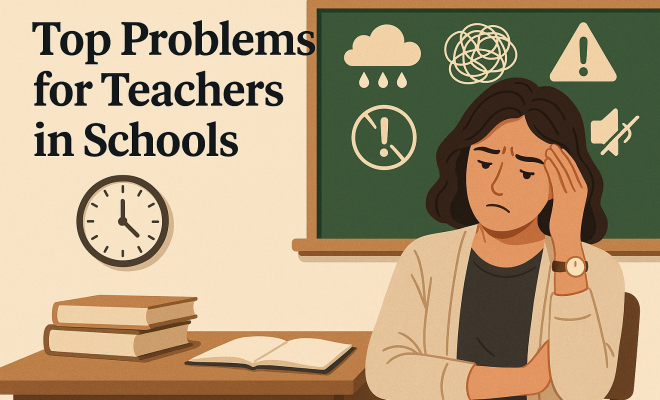
Top Problems for Teachers in Schools
“`html
Teaching is often heralded as one of the most rewarding professions. However, the challenges faced by teachers in schools today can make this noble calling a daunting one. From navigating outdated curricula to managing mental health issues among students, teachers are confronted with a myriad of obstacles that can hinder their effectiveness and overall job satisfaction. In this article, we’ll explore the top ten challenges teachers encounter in schools today, delving into the underlying factors and offering practical insights into how they can be addressed.
1. Low Pay and Budget Cuts
One of the most pressing challenges faced by teachers is the persistent issue of low salaries. According to a report from the National Education Association (NEA), educators’ salaries have not kept pace with inflation, leading many teachers to take on second jobs just to make ends meet. In many districts, budget cuts further exacerbate these financial woes, resulting in reduced resources for classrooms, limiting teachers’ ability to provide quality education.
When budgets shrink, vital programs, extracurricular activities, and even teaching positions can be cut. Teachers often find themselves in overcrowded classrooms, overworked, and under-resourced. This not only impacts their job satisfaction but also hinders students’ learning experiences. The resulting stress can lead to burnout, which is increasingly prevalent in the teaching profession.
2. Classroom Management
Effective classroom management is essential for fostering a conducive learning environment. However, many teachers struggle with maintaining control in classrooms filled with diverse learning needs and behavioral challenges. Disruptive behavior can significantly impact not just the offending student but the entire class, leading to frustration among educators.
Teachers often receive limited training in classroom management techniques during their preparation programs, leaving them ill-equipped to handle real-world challenges. As a result, many educators resort to trial-and-error methods, which can be exhausting and ineffective. Developing a solid classroom management strategy is vital, and ongoing professional development can help teachers strengthen these skills.
3. Emotional and Mental Health Challenges
Today’s students face myriad emotional and mental health challenges, from anxiety and depression to trauma stemming from adverse childhood experiences. Teachers are increasingly stepping into roles as mental health advocates, often identifying issues before trained professionals can intervene. This responsibility can be overwhelming, as teachers may lack the necessary training and resources to provide appropriate support.
Teachers need to establish trusting relationships with their students to create a safe environment. However, this demand can take an emotional toll on teachers themselves, who may be managing their own stressors. Schools should prioritize mental health resources for both students and staff, fostering an environment where everyone feels supported.
4. Parental Involvement
Another significant challenge is the varying levels of parental involvement in their children’s education. While many parents are enthusiastic and engaged, others may be uninvolved or even negative about the educational system. This inconsistency can create hurdles for teachers trying to foster a collaborative educational environment.
Effective communication between home and school is crucial for student success. When teachers can build positive relationships with parents, it can lead to improved student performance and behavior. Schools should actively encourage parental involvement through workshops, open houses, and regular communication, but it is also essential to understand and address barriers that may prevent some parents from engaging.
5. Standardized Testing Pressure
Standardized testing has become a staple in many education systems, creating pressure for both teachers and students. The focus on test scores often overshadows the importance of a well-rounded education. Teachers may feel compelled to teach to the test, which can stifle creativity and limit the depth of learning.
Furthermore, the high stakes associated with these tests can lead to stress for students, who may experience anxiety about performing well. Educators can counter this pressure by integrating creative teaching methods and fostering a love for learning that transcends test performance. Advocacy for more meaningful assessment methods can also be a crucial step toward reducing this burden. (See: U.S. Department of Education on teachers.)
6. Resource Limitations
In many schools, especially those in underfunded districts, teachers often have to contend with inadequate resources, from outdated textbooks to insufficient technology. This lack of resources can significantly hinder their ability to deliver high-quality education and meet the diverse needs of their students.
Teachers frequently spend their own money on classroom supplies or seek donations from the community to fill the gaps. This situation is unsustainable and unfair to educators who are already stretched too thin. Schools can address this issue by seeking grants, community partnerships, and advocating for increased funding to support essential resources for teachers and students alike.
7. Professional Development Opportunities
Continuing education and professional development are crucial for teachers to stay current with educational trends and methods. However, many teachers report that opportunities for meaningful professional development are limited, often consisting of one-size-fits-all workshops that do not address their specific needs.
To address this challenge, schools should offer tailored professional development that encourages collaboration among teachers and empowers them to take ownership of their learning. Investing in the professional growth of educators not only enriches their teaching practices but ultimately benefits their students as well.
8. Diverse Learning Needs
In today’s classrooms, teachers are increasingly faced with a diverse range of learning needs, including students with special education requirements, English language learners, and students from various socio-economic backgrounds. Meeting these needs can be daunting, particularly in large classes where individual attention is limited.
Teachers must employ differentiated instruction strategies to address the various learning paces and styles. This requires not only creativity but also additional training in instructional strategies. Schools should provide adequate support and resources for teachers to effectively address diverse learning needs, ensuring that all students have equitable access to a quality education. challenges for teachers in 2026 offers useful background here.
9. Work-Life Balance
A significant challenge for teachers is achieving a healthy work-life balance. The demands of the job often extend beyond the classroom, with grading, planning, and meetings consuming personal time. This imbalance can lead to burnout and negatively impact teachers’ mental health and job satisfaction.
To combat this challenge, schools should encourage a culture that values teachers’ time and well-being. Implementing policies that support work-life balance, such as flexible scheduling or offering mental health days, can help teachers recharge and maintain their passion for teaching. Prioritizing self-care is essential for educators to thrive in their profession.
10. Teacher Retention
With many teachers leaving the profession, teacher retention has become a significant issue for schools nationwide. Factors such as low pay, burnout, lack of support, and an unfavorable work environment all contribute to the high turnover rates. Losing experienced educators can have detrimental effects on school culture and student achievement.
To improve retention rates, schools must actively work to create a supportive environment that values and recognizes teachers’ contributions. Mentorship programs, peer collaboration, and open lines of communication can help teachers feel connected and valued within their schools. Additionally, addressing financial concerns and providing ongoing professional development opportunities can help retain quality educators.
11. Adapting to Technology
The rapid advancement of technology in education presents both opportunities and challenges for teachers. While technology can enhance learning experiences, it often requires teachers to adapt quickly to new tools and platforms without adequate training. Many educators find themselves spending considerable time learning how to integrate technology effectively into their teaching. This can create additional stress, as keeping up with technology demands can feel overwhelming.
Moreover, not all students have equal access to technology outside of school, leading to disparities in educational experiences. Teachers must find ways to bridge this digital divide, ensuring that all students can benefit from technological advancements. Schools can support teachers by providing ongoing training in educational technology and ensuring that all students have access to necessary devices and internet connections.
12. Curriculum Changes
Curriculum changes are common in many school systems due to new standards, educational research, or shifts in societal needs. While these changes may be well-intentioned, they often leave teachers feeling disoriented and unsupported. Constantly adjusting lesson plans and teaching strategies to align with new curricula can be exhausting, particularly when the changes are frequent or not well-communicated. (See: Mental health issues in education.)
Teachers need stability and time to implement new curricula effectively. If changes are necessary, schools should involve teachers in the decision-making process, providing them with the opportunity to share their insights and experiences. Collaborative planning sessions can help educators transition smoothly, ensuring that they feel supported and empowered during the implementation of new programs.
13. Student Engagement
Keeping students engaged in learning is a constant challenge for teachers, especially in an era where distractions are plentiful. With the rise of smartphones and social media, teachers face the hurdle of competing for their students’ attention. Lack of engagement can lead to poor academic performance and behavior issues in the classroom.
To enhance student engagement, teachers can incorporate interactive and hands-on activities into their lessons. Utilizing technology, collaborative learning, and real-world applications can also capture students’ interest. Additionally, fostering a positive classroom culture where students feel safe to express themselves can enhance their engagement and investment in learning.
14. Addressing Equity in Education
Equity in education is a pressing concern, particularly in diverse classrooms. Teachers are often faced with the challenge of ensuring that every student receives the support they need to succeed, regardless of their background. This can involve advocating for resources, modifying instructional approaches, and addressing systemic barriers that affect marginalized students.
Teachers can play a pivotal role in promoting equity by being culturally responsive and understanding the unique challenges faced by their students. Professional development focused on equity and inclusion can equip teachers with the skills needed to create a more equitable learning environment. Schools should also prioritize hiring diverse educators, as representation can positively impact student engagement and achievement.
15. Frequently Asked Questions
What specific challenges do teachers face regarding low pay?
Low pay can lead to financial strain, forcing teachers to seek additional sources of income, which can detract from their focus on teaching. This financial stress can also directly impact their job satisfaction and overall effectiveness in the classroom.
How can teachers effectively manage classroom disruptions?
Effective classroom management strategies include setting clear expectations, establishing routines, and building strong relationships with students. Ongoing professional development in classroom management can also equip teachers with new techniques to handle disruptions more effectively.
What role do schools play in supporting teacher mental health?
Schools can support teacher mental health by providing access to counseling services, promoting a healthy work-life balance, and fostering a supportive community among staff. Regular mental health workshops and resources can also help teachers cope with the stresses of their profession.
How can teachers increase parental involvement?
Building positive relationships with parents through regular communication, inviting them to school events, and providing resources for how they can support their children’s education can greatly increase parental involvement. Schools can also create a welcoming environment that encourages parents to participate actively.
What are some ways to reduce the pressure of standardized testing?
Teachers can reduce the pressure of standardized testing by incorporating diverse assessment methods and focusing on holistic development rather than just test performance. Advocacy for reform in testing policies can also help shift the emphasis toward more meaningful forms of assessment.
16. Challenges of New Educational Policies
In addition to the existing challenges, teachers often face the complications that arise from new educational policies. These policies, which can vary widely from state to state or even district to district, often impose additional requirements on teachers. For example, teachers may be expected to implement new evaluation systems or adhere to changing standards that require rapid adaptation. (See: AP News on education issues.)
The need to constantly adjust to new regulations can lead to confusion and frustration. Teachers may feel that their voices are not heard in these discussions, which creates a disconnect between policy makers and classroom realities. It’s essential for authorities to involve educators in the creation and implementation of policies to ensure they align with what is genuinely effective in the classroom.
17. The Role of Mentorship
Mentorship can be a significant source of support in navigating the challenges teachers face. Experienced educators can guide newcomers through the intricacies of the classroom, offer advice on how to handle difficult situations, and share effective teaching strategies. Schools that have formal mentorship programs often see higher job satisfaction rates among novice teachers and reduced turnover.
By fostering a culture of mentorship, schools can not only help new teachers adjust but also build a collaborative community that values shared experiences. This connection can ease feelings of isolation that many teachers experience, particularly in challenging environments.
18. Strategies for Teacher Well-Being
To combat the numerous challenges teachers face, it’s essential to focus on strategies that promote well-being. Schools can implement wellness programs that address physical, mental, and emotional health. These programs can include yoga classes, mindfulness training, or access to counseling services. Encouraging teachers to prioritize self-care is vital for their longevity in the profession.
Additionally, peer support networks can be invaluable. When teachers feel they have a support system to turn to, they are more likely to feel valued and less likely to experience burnout. Schools should cultivate an environment where teachers can safely discuss their challenges and share coping strategies. We covered importance of literacy support in more detail.
19. Future of Teaching: Innovations and Trends
The future of teaching is likely to be shaped by innovations in educational technology and methodologies. For example, blended learning environments, where online learning is combined with traditional methods, are becoming increasingly popular. These innovations can help address some of the challenges teachers face, such as resource limitations and diverse learning needs.
However, it’s crucial that teachers receive proper training and support to implement these innovations effectively. As the education landscape evolves, continuous professional development will be key to ensuring teachers feel equipped to handle the demands of modern classrooms.
In summary, the challenges faced by teachers in today’s schools are complex and multifaceted. Addressing these issues requires a collaborative effort from educators, administrators, policymakers, and communities. By understanding and tackling the core challenges, schools can create a more supportive environment for teachers, ultimately benefiting students and enhancing educational outcomes. Education is the cornerstone of our future, and investing in our teachers is an essential step towards building a brighter tomorrow.
“`
Trending Now
Frequently Asked Questions
What are the biggest challenges teachers face today?
Teachers today encounter several significant challenges, including low pay, budget cuts, classroom management issues, and the mental health of students. These obstacles can hinder their effectiveness and job satisfaction, making the teaching profession more daunting.
How do budget cuts affect teachers and students?
Budget cuts lead to reduced resources for classrooms, resulting in overcrowded classes and limited extracurricular activities. This situation negatively impacts teachers' ability to provide quality education and can contribute to high levels of stress and burnout.
Why is classroom management a problem for teachers?
Classroom management poses a challenge for many teachers due to diverse student needs and behavioral issues. Limited training in effective management techniques often leaves educators ill-equipped to handle disruptions, affecting the learning environment for all students.
How does low pay impact teachers' job satisfaction?
Low pay significantly affects teachers' job satisfaction, as many educators struggle to make ends meet and may take on second jobs. Financial stress can lead to burnout and dissatisfaction, ultimately impacting their effectiveness in the classroom.
What role does student mental health play in teaching challenges?
Student mental health is a critical factor in teaching challenges, as teachers often need to address various emotional and behavioral issues. This added responsibility can strain educators and complicate their ability to maintain a productive learning environment.
What’s your take on this? Share your thoughts in the comments below — we read every one.