21 Top Opening Lines in Children’s Books
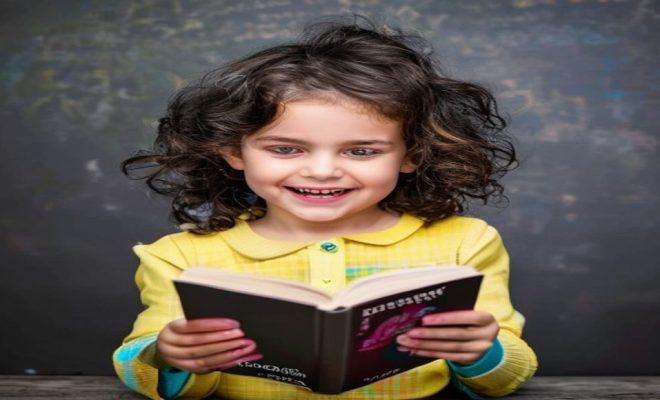
Opening lines in children’s books hold a unique power. They can capture the imagination of a young reader, establish the tone of the story, and set the stage for a captivating journey. Whether whimsical, mysterious, or heartwarming, these lines serve as gateways into new worlds. In this article, we’ll explore 21 of the most memorable opening lines in children’s literature, analyzing their impact and exploring what makes them so effective.
1. “In the great green room, there was a telephone and a red balloon…” — Margaret Wise Brown, Goodnight Moon
This classic opening from Goodnight Moon transports readers to a cozy, child-friendly space that feels safe and comforting. Margaret Wise Brown’s choice of simple imagery and rhythmic language invites children to begin a bedtime routine, making it a favorite across generations. The repetitive structure not only enhances memorability but also helps children anticipate what comes next, nurturing their love for reading.
The effectiveness of this opening line lies in its familiarity and soothing quality. It’s not just about the words; it’s about creating a peaceful atmosphere that prepares children for sleep. Brown’s talent for marrying language with emotional resonance is a hallmark of her work, making this line unforgettable.
2. “All the animals except for the elephant were going to the party!” — Mo Willems, Elephant & Piggie: We Are in a Book!
Mo Willems captures the essence of friendship and anticipation with this lively opening. The playful dynamics between Elephant and Piggie set the tone for a fun adventure, engaging children right from the outset. Willems’ use of humor and lively characters resonates with young readers, making them eager to see how the story unfolds.
This line cleverly introduces not only the characters but also the conflict of feeling left out, a theme many children can relate to. Willems’ work encourages kids to embrace their emotions, making each page turn a new exploration of feelings and friendship.
3. “It was a dark and stormy night…” — Edward Bulwer-Lytton, often parodied but effectively used in children’s tales
This iconic phrase has become synonymous with mystery and suspense, though it often receives a comedic twist in children’s literature. Its immediate evocation of intrigue captures attention, inviting readers to dive deeper into the narrative. Authors like Roald Dahl and Lemony Snicket have adopted variations of this line to draw readers into their fantastical worlds filled with adventure and mischief.
Using a dramatic opening like this sets up expectations for excitement and tension, ensuring that children are on the edge of their seats. This line serves as a reminder that effective storytelling often begins with an invitation to step into the unknown.
4. “Once there was a tree… and she loved a little boy.” — Shel Silverstein, The Giving Tree
Shel Silverstein opens The Giving Tree with a simple yet poignant line that establishes the relationship between the tree and the boy. This opening is profound in its simplicity, setting the stage for a touching exploration of love and sacrifice. Silverstein’s ability to convey deep emotional truths through straightforward language makes this opening line unforgettable.
This line resonates with readers of all ages, teaching valuable lessons about generosity and the complexity of relationships. It invites introspection and discussion about what love truly means, making it a powerful opener in children’s literature.
5. “If you are a dreamer, come in!” — Shel Silverstein, The Giving Tree
Another beautiful opening line from Silverstein, this invitation to dreamers taps into the imagination of children. It’s not just a welcome; it’s an invitation to explore a world of possibilities. By addressing the reader directly, Silverstein builds a connection that feels personal and engaging.
This line encourages children to embrace their dreams and creativity, reinforcing the idea that literature is a space for exploration. It’s a call to action that resonates with the core purpose of children’s books: to inspire and ignite imagination.
6. “On the first day of school, everyone was a little nervous, except for one boy…” — Chris Van Dusen, If I Built a School
This opening line from Chris Van Dusen is relatable for both children and parents alike. The feeling of nervousness on the first day of school is something nearly everyone has experienced. By introducing a character who is calm amidst the chaos, Van Dusen sets the stage for a story that celebrates creativity and resilience.
The contrast between the nervous students and the confident boy creates curiosity. Readers are drawn into the narrative, eager to discover how this boy will navigate the challenges of school. This opening is not only engaging but also reassuring to children facing their own anxieties.
7. “In a hole in the ground there lived a hobbit.” — J.R.R. Tolkien, The Hobbit
Though The Hobbit is often categorized as a fantasy novel for older children, its opening line holds a childlike charm that resonates with younger audiences. J.R.R. Tolkien’s whimsical introduction to Bilbo Baggins invites readers into a world filled with adventure and enchantment. The simplicity of the line contrasts beautifully with the epic journey that follows. (See: Children's literature overview.)
This line’s effectiveness lies in its ability to spark curiosity. It prompts questions: What is a hobbit? What adventures lie ahead? Tolkien’s masterful storytelling pulls readers into a rich narrative, making it a classic opening line in children’s literature.
8. “It was the best of times, it was the worst of times…” — Charles Dickens, A Tale of Two Cities
While this opening line is famously associated with Dickens, its adaptation in children’s literature showcases its timeless quality. Writers have employed this line to illustrate contrasting situations, making it relatable for children who often face different emotions and circumstances. It emphasizes the idea that life is a complex tapestry of experiences.
This line’s duality invites readers to explore themes of resilience and hope. It serves as a discussion starter about the challenges and triumphs that come with growing up. By using such a well-known phrase, authors can connect with their readers on a deeper emotional level.
9. “The sun shone, having no alternative, on the nothing new.” — Douglas Adams, Hitchhiker’s Guide to the Galaxy
Adams’ clever use of wit and humor in this opening line introduces readers to a world of absurdity. Though not a traditional children’s book, its ability to entertain young adults and children alike showcases the power of humor in storytelling. The line’s playful contradiction piques curiosity while setting an adventurous tone.
This humorous approach is often effective in children’s literature, as it invites laughter and keeps readers engaged. It demonstrates that opening lines don’t always have to be serious to capture attention; sometimes, a little wit goes a long way.
10. “There was a boy called Eustace Clarence Scrubb, and he almost deserved it.” — C.S. Lewis, The Voyage of the Dawn Treader
This opening line from C.S. Lewis is intriguing and humorous, immediately engaging readers with its unique character introduction. By naming Eustace in such a peculiar way, Lewis sets expectations for his character’s journey and challenges. The tone is light-hearted but suggests underlying themes of growth and redemption.
The humor in this line makes it memorable, while also hinting at deeper narrative arcs. Readers are drawn in to learn more about Eustace and how he will evolve throughout the story, creating a compelling hook that keeps them turning the pages.
11. “It’s a slow day in the world of fixing bikes; nothing much is happening here.” — David Shannon, David Goes to School
David Shannon’s opening line introduces a sense of calm before the storm. It creates anticipation for the chaos that follows in this beloved series about a mischievous boy. The phrase not only sets the tone for David’s antics but also reflects the everyday life of children.
This relatable scenario allows young readers to connect with David’s character. It taps into the everyday experiences of childhood, making the story more immersive. By starting with a simple observation, Shannon draws readers into David’s world, where laughter and mischief await.
12. “Milo was bored. Bored, bored, bored.” — Norton Juster, The Phantom Tollbooth
Norton Juster captures the essence of childhood ennui in this opening line. By emphasizing Milo’s boredom, he establishes a relatable starting point that many children experience. This sets the stage for an imaginative adventure that will transform Milo’s perspective.
This line highlights the theme of curiosity and exploration. It invites readers to join Milo on his journey, suggesting that adventure can arise from the most mundane moments. Juster’s clever narrative encourages children to embrace their curiosities and find magic in the ordinary.
13. “The twins, Jasmine and Jack, could not have been more different.” — Raina Telgemeier, Guts
This contemporary opening line from Raina Telgemeier introduces readers to relatable characters right away. By contrasting the twins, the narrative hints at themes of individuality and sibling dynamics. This approach resonates with many young readers who navigate their own relationships with siblings and peers.
The directness of this line allows readers to quickly engage with the characters, sparking curiosity about their differences and how they will interact. It effectively sets the stage for a story of growth, understanding, and acceptance.
14. “The girl with the dragon tattoo was so much more than a girl…” — Stieg Larsson, often referenced in juvenile literature
While not a children’s book in the traditional sense, this opening line has been referenced and adapted in various children’s contexts. Its reference to a strong character challenges stereotypes and inspires young readers to think beyond traditional narratives. The notion that a character can be more than her label opens up discussions about identity and empowerment.
This line resonates with themes of bravery and self-discovery. In adapting such phrases for children, authors encourage an understanding of multifaceted identities that reflect the complexities of real life. (See: Howard University education resources.)
15. “The stars are not only visible at night; they shine during the day, waiting for you to notice them.” — A contemporary children’s author
This poetic opening line encourages young readers to observe the world around them with curiosity and wonder. It introduces a theme of mindfulness and appreciation for the beauty that often goes unnoticed. This line captures the essence of exploration and the importance of paying attention to the smaller details in life.
By using such evocative imagery, the author invites children to expand their perception, fostering a sense of wonder. This approach is a reminder that stories can be gateways to deeper understanding and appreciation of the world.
16. “Every day, I chased the sun; every night, I dreamt of the moon.” — A modern children’s poet
This opening line is filled with imagery and emotion, immediately inviting readers into a world where dreams and aspirations are celebrated. It resonates with children’s innate curiosity about the universe and their own dreams. This line evokes the beauty of childhood dreams while encouraging exploration of imagination.
By setting a lyrical tone, it captivates young readers and opens up discussions about aspirations and dreams. This line encourages children to believe in their potential and the beauty of chasing their dreams.
17. “There is a magic in every child that the world often forgets.” — A contemporary author on childhood
This powerful opening line serves as a reminder of the innate magic and wonder each child possesses. It sets a tone of celebration and affirmation, encouraging readers to cherish their uniqueness. This line resonates with the idea that every child has the potential to create, imagine, and explore.
By highlighting the magic within children, this line fosters a sense of belonging and self-worth. It encourages readers to embrace their individuality and recognize the beauty of their differences.
18. “In the land of dreams, anything is possible…” — A popular contemporary author
This opening line introduces readers to a fantastical world filled with endless possibilities. The concept of a dreamland taps into children’s imaginations, inviting them to think beyond reality. It sets the stage for an adventure where their wildest dreams can come true.
The allure of this line lies in its ability to make readers feel empowered. It encourages exploration and creativity, a vital aspect of childhood. By situating the story in a land of dreams, authors can engage children in transformative narratives that inspire hope and imagination.
19. “Once upon a time, in a land far away, there lived a curious little girl…” — A classic fairy tale opening
This traditional fairy tale opening resonates with generations of readers. It transports children to fantastical realms filled with adventure, magic, and morality lessons. The familiar phrase establishes a connection to countless stories that explore the complexities of good versus evil.
By using this opening line, authors tap into the cultural significance of fairy tales, inviting children to engage with timeless themes. It’s a classic entry point that fulfills the expectations of young readers, ensuring they are ready for a tale of wonder and moral insight.
20. “The house was quiet, except for the soft rustling of pages being turned.” — A contemporary children’s book author
This opening line captures the magic of reading and the tranquility it brings. It sets a gentle atmosphere, inviting children into a world where stories come alive. The emphasis on silence and the act of turning pages creates a sense of intimacy and wonder.
This line celebrates the joy of reading, encouraging children to discover the magic of books. It serves as a reminder that stories have the power to transport them to different worlds, sparking their imagination and creativity.
21. “In a world where anything can happen, anything will happen.” — A popular contemporary children’s author
This powerful closing line serves as an invitation to embrace possibilities. It encourages young readers to explore their imaginations and recognize that stories can take unexpected turns. It resonates with the idea that literature opens doors to new worlds and adventures. (See: CDC on literacy and education.)
By closing with such a thought-provoking line, authors inspire children to embrace their creativity and the magic of storytelling. It’s a reminder that within the pages of a book, anything is possible, encouraging readers to dream big.
The Impact of Opening Lines
Why do opening lines matter so much in children’s literature? These lines serve several key functions beyond merely setting the stage. They create a first impression that can define a child’s entire experience with a book. According to a study by the National Literacy Trust, engaging opening lines are crucial for maintaining children’s interest and helping them develop a lifelong love for reading. When a book opens with an exciting or relatable sentence, it can act as a hook, pulling children into the story and making them eager to read more.
Furthermore, opening lines can introduce themes that resonate with children’s own experiences. For example, lines addressing feelings of loneliness, excitement, or fear can mirror their emotions, allowing them to see themselves in the story. In this way, opening lines do not just tell a story; they also validate a child’s feelings and experiences, fostering empathy and understanding.
Statistics and Trends in Children’s Literature
As we analyze opening lines, it’s helpful to consider the trends in children’s literature today. The Children’s Book Council found that the demand for diverse characters and stories significantly impacts the industry. In 2021, nearly 40% of children’s books featured characters from diverse backgrounds. This trend is reflected in engaging opening lines that invite all children to see themselves in the stories they read. For more on this, see best opening lines in kids' books.
Additionally, a report from the American Library Association indicates that children are drawn to stories that begin with adventure or humor. Books that start with a strong narrative hook are more likely to be checked out and recommended. This suggests that authors and publishers are recognizing the importance of crafting compelling opening lines that can capture the imaginations of young readers.
FAQs About Opening Lines in Children’s Books
What makes a good opening line for a children’s book?
A good opening line should be engaging, relatable, and set the tone for the rest of the story. It should spark curiosity and invite readers into the world of the book, making them eager to turn the page.
Can opening lines influence a child’s desire to read?
Absolutely! Research shows that children are more likely to continue reading a book if the opening line captures their interest. An exciting or relatable opening can help children develop a love for reading and storytelling.
Are there common themes in successful opening lines?
Yes, many successful opening lines tap into themes of adventure, friendship, and imagination. They often reflect common childhood experiences and emotions, which allows young readers to connect with the story right away.
How can parents help their children appreciate opening lines?
Parents can read books together, pausing to discuss the opening lines and what they evoke. Encouraging children to think about what makes those lines effective can deepen their appreciation for literature and help them become more engaged readers.
In examining these 21 top opening lines in children’s books, it’s clear that they play a vital role in shaping the reading experience. Each line serves as a hook, drawing readers into the narrative and establishing connection, emotion, and curiosity. Whether through humor, emotion, or vivid imagery, these opening lines exemplify the power of storytelling and its ability to spark imagination in young minds.
Trending Now
- this guide on why plumbing businesses can’t afford to ignore these review automation tools in 2026
- this guide on bitcoin and ethereum prices plunge: what it means for investors on june 25, 2026
- read the full story
- this guide on the unseen dangers of ai agents: a ciso’s guide to emerging cybersecurity risks
Frequently Asked Questions
What are some famous opening lines in children's books?
Some famous opening lines in children's books include 'In the great green room, there was a telephone and a red balloon…' from Goodnight Moon by Margaret Wise Brown and 'All the animals except for the elephant were going to the party!' from Mo Willems' Elephant & Piggie: We Are in a Book! These lines effectively engage young readers and set the tone for the stories.
Why are opening lines important in children's literature?
Opening lines are crucial in children's literature because they capture the imagination, establish the tone, and invite readers into the story. A strong opening can create an emotional connection and foster a love for reading, making it easier for children to engage with the narrative.
How do children's book opening lines create emotional resonance?
Children's book opening lines create emotional resonance through relatable themes, rhythmic language, and vivid imagery. For instance, the comforting atmosphere in Goodnight Moon prepares children for bedtime, while the playful dynamics in Willems' work resonate with their feelings of friendship and anticipation.
What techniques do authors use in children's book openings?
Authors often use simple imagery, humor, and relatable characters in children's book openings. Techniques like repetitive structures and engaging conflicts help young readers connect with the story and anticipate what happens next, enhancing their reading experience.
Can opening lines influence a child's interest in reading?
Yes, opening lines can significantly influence a child's interest in reading. A captivating start can spark curiosity and imagination, encouraging children to continue exploring the book. Memorable opening lines often lead to repeated readings, reinforcing a child's love for literature.
What did we miss? Let us know in the comments and join the conversation.