E-Bike Injuries Soar in 2025: Urgent Safety Guide for Parents
“`html
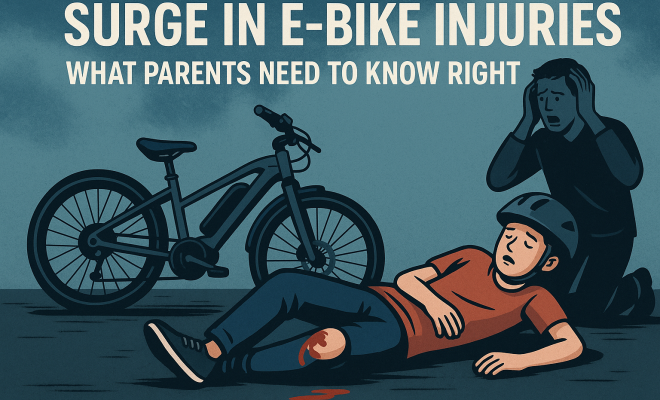
In recent weeks, parents have found themselves glued to their devices, scrolling through parenting news that has sparked a wave of concern: the alarming rise in e-bike injuries among children. Local emergency rooms are sounding the alarm, reporting that they’ve seen as many injuries related to e-bikes in just the past six months as they did throughout all of 2025. The data is staggering and raises urgent questions for families navigating this new trend in child transportation.
The E-Bike Explosion: A Trend with Consequences
Once seen as a fun, environmentally friendly mode of transportation, e-bikes have rapidly gained popularity among children and adolescents. This surge has also brought with it a troubling increase in injuries. Pediatric emergency departments are becoming overwhelmed with cases that include fractures, concussions, and other serious head traumas. Parents are expressing fear and frustration at the difficulty of monitoring their children’s activities on these high-speed vehicles.
As children race through neighborhoods and parks, the speed and power of e-bikes can make even minor accidents much more severe. Unlike traditional bicycles, e-bikes can reach higher speeds, making even minor falls potentially catastrophic. Understanding this urgent trend is essential for any parent.
Understanding the Statistics: The Numbers Behind the News
According to reports from emergency rooms, the past six months have seen an unprecedented number of pediatric e-bike injuries. In fact, reports indicate that the same number of cases that occurred throughout all of 2025 has already been matched in the first half of 2026. This spike is not just a statistical anomaly; it reflects a very real and growing problem that parents must confront.
Some experts estimate that e-bike injuries among children have climbed by as much as 150% compared to previous years. This staggering figure highlights the need for immediate attention from parents, educators, and policymakers. The trend is not only alarming but also highlights a need for concrete actions to protect children.
The Emotional Impact on Families
When children are injured, it’s not just a statistic; it’s a devastating reality for families. Many parents report feeling a deep sense of anxiety and helplessness as they worry about their children’s safety. The emotional weight of seeing children hospitalized for what was once a fun activity is heavy. Social media platforms are flooded with stories and posts from parents sharing their experiences, raising awareness, and trying to warn others about the potential dangers of e-bikes.
In this atmosphere of concern, the urge to spread information becomes almost instinctual. Parents want to protect their children from what can feel like an invisible threat. The fear of missing out on important safety information drives massive engagement on platforms like Facebook and Instagram, as families share posts and articles that highlight the need for vigilance around e-bike use.
The Role of Safety Education
In light of these alarming trends, the question arises: how can parents help ensure their children’s safety while enjoying e-bike rides? Experts suggest that safety education must play a crucial role in mitigating the risks associated with e-bike use. Parents should not only talk to their children about safe riding practices but also consider enrolling them in safety courses. Many local communities offer riding clinics specifically designed for young riders, teaching them the rules of the road, safe turning practices, how to control their speed, and how to react in emergencies.
Moreover, it’s essential for parents to model safe behavior themselves. Children learn by watching, and when they see their parents wearing helmets and following rules, they are more likely to adopt those same practices. By creating a culture of safety around e-bikes, families can work together to reduce risks.
The Case for Stricter Regulations
While education is a vital piece of the puzzle, experts are also calling for stricter regulations to govern e-bike usage among children. Currently, the lack of uniform laws regarding age limits, helmet requirements, and speed restrictions leaves the door open for accidents. Advocates argue that local governments should consider implementing laws that not only regulate the age at which children can legally ride e-bikes but also establish safety guidelines and penalties for violations. (See: CDC injury statistics and data.)
Additionally, the manufacturing industry has a role to play. As e-bikes continue to evolve, manufacturers should prioritize safety features in their designs. This includes better braking systems, speed limiters for youth models, and improved stability features. Parents should also consider these factors when purchasing an e-bike for their child, looking beyond just aesthetics to factors that may enhance safety.
Comparing E-Bikes to Traditional Bikes
When looking at the increase in injuries, it’s tempting to compare e-bikes with traditional bicycles. While both can lead to accidents, the dynamics involved in e-bike riding are markedly different. E-bikes can reach much higher speeds than traditional bicycles, which typically max out around 15-20 mph. In contrast, e-bikes can easily exceed 28 mph, especially on downhill slopes.
This speed difference raises the stakes in terms of injuries. A child riding a traditional bike might sustain minor scrapes and bruises from a fall, while an e-bike accident at higher speeds can result in significant injuries, including head trauma and fractures. The challenge for parents lies in recognizing these differences and adjusting their supervision and safety practices accordingly.
Real-Life Stories: The Impact of E-Bike Injuries
To fully grasp the urgency of this issue, it’s worth sharing some real-life stories from families affected by e-bike injuries. One mother, recounting her son’s accident, described how a simple ride turned into a nightmare when he lost control while speeding down a hill. The injuries sustained were severe, resulting in a hospital stay and an extended recovery period. Her experience serves as a sobering reminder that fun can turn dangerous in the blink of an eye.
Another parent shared that her daughter, who had been riding an e-bike for only a few weeks, collided with a parked car. The child suffered a concussion and multiple fractures, leading to surgeries and physical therapy. These accidents not only affect the child but ripple through families, affecting siblings, parents, and the wider community. These stories underline the need for vigilance, education, and regulation around e-bike use.
What Parents Can Do: Actionable Steps for Safety
As the e-bike trend continues to grow, parents must take proactive steps to ensure their children’s safety. Here are some actionable strategies to consider:
- Educate Your Children: Talk to your kids about the dangers of e-bikes and the importance of safety rules. Make sure they understand how to ride responsibly.
- Enroll in Safety Courses: Look for local riding clinics that teach children essential safety skills.
- Invest in Safety Gear: Ensure your child wears a properly fitted helmet whenever they ride. Consider additional protective gear, such as knee and elbow pads.
- Set Boundaries: Create specific areas where your child can safely ride their e-bike, away from traffic and crowded areas.
- Model Safe Behavior: Show your children how to ride safely by practicing good habits yourself.
- Advocate for Regulation: Engage with local policymakers to support laws that promote safety and responsible e-bike use.
- Stay Informed: Keep an eye on parenting news and updates about e-bike safety to stay ahead of the curve.
Looking Ahead: The Future of E-Bike Regulations and Safety Initiatives
As the conversation surrounding e-bike safety continues to unfold, it’s clear that both parents and communities must take action. The increase in injuries has caught the attention of healthcare professionals, educators, and lawmakers alike. We might soon see more formal initiatives aimed at regulating e-bike use, particularly among children.
In the meantime, creating awareness and fostering open discussions about e-bike safety in households will be crucial. Engaging with local community resources, such as schools and youth organizations, can also help spread the word about safe riding practices.
Ultimately, it’s about making informed choices. As parents, we must advocate for our children’s safety while allowing them the freedom to enjoy the activities they love. The balance between these two aspects might be challenging, but it’s necessary in today’s rapidly changing landscape of transportation.
Community Involvement: The Importance of Collective Action
One of the most effective ways to address the rise in e-bike injuries is through community involvement. Parents, local organizations, schools, and law enforcement can collaborate to create safer environments for young riders. Community events such as safety fairs can serve as platforms for educating families about e-bike safety and best practices.
Local bike shops can also play a crucial role by offering free or low-cost safety checks for e-bikes. Regular maintenance can help ensure that bikes are in good working order, thus reducing the likelihood of accidents. Workshops can be organized to teach parents and children about e-bike mechanics and safety checks, fostering a sense of responsibility in young riders.
Expert Perspectives on E-Bike Safety
Experts in child safety and pediatric medicine emphasize the need for comprehensive strategies to tackle the issue of e-bike injuries. Dr. Emily Carter, a pediatrician, notes, “Education is the first line of defense. Parents and children must understand not just the risks, but the importance of being proactive about safety. Riding an e-bike is a privilege, and with it comes responsibility.” (See: New York Times on e-bike injuries.)
Similarly, local law enforcement officials advocate for community outreach programs to educate both parents and children. Officer James Lee states, “We need to work together to create a culture of safety. This means not just enforcing laws but also helping families understand how to ride safely. It starts with conversations in the community.”
Statistics to Watch: Tracking E-Bike Injury Trends
As the conversation continues, it’s vital for parents to stay updated on statistics surrounding e-bike injuries. Research shows that children aged 12-15 are the most commonly injured demographic, accounting for over 60% of e-bike-related accidents. This age group is particularly vulnerable due to their developmental stage, where risk-taking behavior is more common.
Comparative data from regions with strict laws shows a clear decline in e-bike injuries. For instance, cities that implemented mandatory helmet laws for minors saw a 30% reduction in head injuries associated with e-bike accidents. These statistics highlight the effectiveness of regulations and the importance of community awareness campaigns.
Creating a Culture of Safety: The Role of Parents and Guardians
Creating a culture of safety starts at home. Parents can set the tone by making safety discussions a regular part of family conversations. Involve children in safety planning—discuss safe routes, proper gear, and the importance of following laws. This involvement not only educates but empowers children to take ownership of their safety.
Additionally, establishing family rules around e-bike usage can reinforce safe habits. For example, agreeing on specific times when children can ride, limiting the number of friends they ride with, or requiring check-ins before and after rides can help keep kids safe. Encourage children to speak up if they feel unsafe or if they see dangerous behavior from others. This open dialogue fosters a sense of responsibility and awareness among young riders.
Frequently Asked Questions (FAQ)
1. What age is appropriate for children to start riding e-bikes?
While e-bikes can be appealing for younger children, most experts recommend that children under the age of 12 should not ride e-bikes without adult supervision. Parents should assess their child’s maturity, skill level, and understanding of safety before allowing them to ride.
2. Are helmets required for children riding e-bikes?
Helmet laws vary by state and locality. However, it’s highly recommended that all riders, especially children, wear helmets regardless of the law. This simple safety measure can significantly reduce the risk of head injuries.
3. What are the main causes of e-bike injuries among children?
Common causes of e-bike injuries include loss of control at high speeds, collisions with vehicles or obstacles, and improper use of equipment. Understanding these risks can help parents educate their children on safe riding practices.
4. How can I find a safety course for my child?
Many local community centers, bike shops, and youth organizations offer safety courses for young riders. Check with local government websites or community bulletin boards for information on upcoming classes.
5. What should I look for when buying an e-bike for my child?
When purchasing an e-bike, consider the weight, power, and safety features. Look for models with adjustable speed limits, quality brakes, and stability features. Ensure that it is age-appropriate and fits your child correctly. (See: WHO on injury and violence prevention.)
The Impact of E-Bikes on Family Dynamics
The rise of e-bikes is changing how families interact and engage with one another. As children gain independence through e-bike riding, parents face new challenges in allowing their kids the freedom to explore while still enforcing safety rules. This shift can sometimes lead to tension within families, especially when children feel restricted by their parents’ safety concerns.
Parents can use this opportunity to encourage responsible behavior while boosting their child’s confidence. This balance can be tricky, but it’s vital. Families might consider designating specific e-bike days where kids can ride freely with friends, under parental supervision. This not only fosters a sense of community but also allows for open discussions about safe practices.
Future Technology in E-Bikes
The evolution of e-bikes is not just about speed and power; it’s also about integrating new technology for safety. Features such as GPS tracking, automatic speed reduction based on conditions, and collision detection systems are being developed to enhance rider safety. These advanced features may soon become standard in e-bikes designed for younger riders, potentially reducing the number of accidents.
Parents should keep an eye on these technological advancements when considering e-bike purchases. Investing in bikes equipped with safety tech can provide an added layer of protection for children. Additionally, some manufacturers are already working on apps that can help parents monitor their child’s e-bike usage, including speed and distance traveled, creating a safer riding experience.
Global Perspectives on E-Bike Safety
While the U.S. grapples with e-bike safety concerns, other countries are leading the way with innovative solutions and regulations. For instance, in the Netherlands, where cycling is deeply ingrained in the culture, strict regulations are in place regarding e-bike usage. Riders are required to undergo training, and there are age restrictions that help minimize accidents among young riders.
In countries like Denmark and Germany, extensive infrastructure supports safe cycling, including dedicated bike lanes and public awareness campaigns focused on safety. These models highlight the importance of a collective approach to e-bike safety, showing that community investment in infrastructure and education can lead to significant reductions in injuries.
In an era where e-bikes have become a common sight on streets and bike paths, parents must stay alert and informed. The world of parenting news continues to evolve, and with it comes the responsibility to protect our children from emerging risks. By prioritizing education, safety, and advocating for better regulations, parents can ensure that e-biking remains a fun, safe activity for future generations.
“`
Trending Now
- our breakdown of “what is parallel play and is it normal for my toddler?”
- this guide on “parallel play activities for 2 year olds: supporting independent play alongside peers”
- “Building Hand-Eye Coordination Through Ball Skills and Catching Activities”
- “The Importance of Parallel Play in…
Frequently Asked Questions
What are the most common injuries from e-bikes for kids?
The most common injuries from e-bikes among children include fractures, concussions, and serious head traumas. Emergency rooms are reporting a significant increase in these types of injuries as more kids use e-bikes, often resulting from falls or collisions due to the higher speeds these vehicles can reach.
Why are e-bike injuries increasing among children?
E-bike injuries are increasing among children due to the rapid rise in e-bike popularity, which allows kids to travel at higher speeds. This increased speed can turn minor accidents into severe injuries, making it essential for parents to monitor their children's use of these vehicles closely.
How can parents keep their kids safe on e-bikes?
Parents can keep their kids safe on e-bikes by ensuring they wear proper safety gear, including helmets, and by educating them on safe riding practices. Setting rules about where and when to ride can also help mitigate risks associated with higher speeds and potential accidents.
What statistics are available on e-bike injuries in children?
Recent statistics indicate that pediatric e-bike injuries have surged, with reports showing that the number of injuries in the first half of 2026 has already matched the total for all of 2025. Some estimates suggest a 150% increase in e-bike injuries among children compared to previous years.
Are e-bikes safe for children to ride?
While e-bikes can be a fun and environmentally friendly mode of transportation, they pose safety risks for children due to their ability to reach high speeds. Parents should weigh these risks and consider safety measures to protect their children while using e-bikes.
What’s your take on this? Share your thoughts in the comments below — we read every one.