Digital Self-Healing Diaries: Reshaping Anxiety Understanding

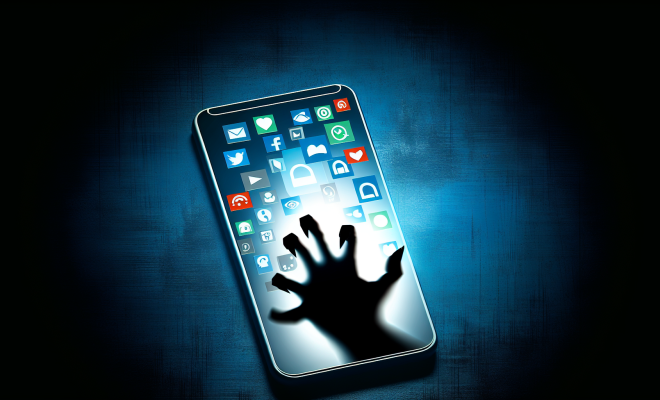
Anxiety disorders have increasingly become a focal point of public discussion, especially in the age of social media where personal narratives unravel in real-time. One particularly fascinating phenomenon is the rise of digital self-healing diaries on platforms like Weibo, where users share their experiences with anxiety, symptoms, treatment attempts, and coping mechanisms. This practice not only reflects an individual’s journey but also signifies a collective dialogue about mental health that is reshaping societal perceptions.
The Emergence of Digital Self-Healing Diaries
The concept of self-healing diaries has gained traction in numerous online spaces, especially within mental health communities. Users document their day-to-day lives while navigating anxiety disorders, openly discussing various intimate details that often remain hidden in traditional mental health narratives. This form of expression allows individuals to connect with others experiencing similar challenges, fostering a sense of community and understanding.
Understanding the Content
Digital self-healing diaries often include a range of content types, from personal anecdotes and reflections to practical coping strategies and insights from therapeutic sessions. These entries can serve multiple purposes:
- Validation: Sharing personal experiences can help individuals validate their feelings and experiences.
- Support: Readers often find comfort in knowing they are not alone, which can be especially reassuring in a culture that tends to stigmatize mental health issues.
- Awareness: Regularly discussing anxiety can raise awareness and contribute to a larger conversation about mental health.
The Social Media Influence
Social media platforms have transformed the landscape of mental health discourse. With the rise of influencers and public figures discussing their own mental health challenges, the narrative surrounding anxiety has shifted significantly. Users of digital self-healing diaries often mirror this influencer culture by sharing polished yet candid accounts of their struggles, creating a relatable content stream that appeals to a wide audience.
Relatability and Engagement
What makes these diaries particularly engaging is their relatability. Many users describe their experiences in ways that resonate with a diverse audience, often using humor and vulnerability to create an emotional connection. This relatability is crucial; as anxiety becomes more normalized in everyday conversations, it helps to break down barriers.
The Double-Edged Sword: Stigma vs. Normalization
While the sharing of personal experiences can reduce the stigma associated with mental health, it raises critical questions about the normalization of distress. As individuals publicly document their struggles, there is a risk that anxiety may be trivialized or romanticized as merely another aspect of influencer culture.
Stigmatization and Its Counteraction
On one hand, the visibility of anxiety on social media can encourage open conversations that reduce stigma. Users often report feeling empowered by sharing their stories, which can encourage others to seek help. On the other hand, the line between sharing for support and oversharing for validation can blur, leading to potential misunderstandings about what mental health entails.
The Role of Self-Diagnosis
In addition to narratives about anxiety, there is a growing trend of self-diagnosis fueled by information readily available on the internet. Digital self-healing diaries often reflect this trend, as users share their interpretations of symptoms based on their research or experiences. This raises critical discussions about the implications of self-diagnosis.
The Risks of Self-Diagnosis
While the internet can provide valuable resources, it also risks spreading misinformation. Users may misinterpret their symptoms or lean too heavily on anecdotal evidence without consulting professionals. This could lead to incorrect self-diagnosis or unnecessary anxiety about perceived disorders.
Transformative Conversations
Despite these challenges, the emergence of digital self-healing diaries represents a significant shift in how society discusses mental health. These conversations are gradually transforming anxiety from a private affliction into a visible social narrative. This change is not merely about sharing distress but about advocating for mental health resources and encouraging compassion.
A New Paradigm for Mental Health
The act of documenting anxiety openly on platforms like Weibo is not just therapeutic for the individual; it also creates a broader societal impact. As more people engage in these conversations, it fosters an environment where mental health becomes a shared experience rather than an isolating struggle. The potential for healing becomes a collective journey rather than a solitary battle.
Future Directions: What Lies Ahead
Looking forward, the convergence of technology and mental health continues to hold immense potential. Digital self-healing diaries may evolve, offering innovative ways for individuals to connect, share, and heal. As mental health awareness increases, there is an opportunity for these platforms to advocate for better support systems and more effective treatment options.
Innovations in Digital Platforms
Future advancements may include:
- Interactive Communities: Enhanced online forums or platforms dedicated to mental health where users can share experiences, support one another, and access resources.
- Integrated Professional Help: Opportunities for users to connect with mental health professionals directly through the platforms they use for sharing.
- Resource Sharing: Tools and features that allow users to document progress and share coping mechanisms, providing a repository of strategies that others can utilize.
Conclusion: Embracing the Journey
In summary, the rise of digital self-healing diaries is a groundbreaking development within the mental health landscape. By documenting their struggles with anxiety, individuals are not only advocating for themselves but also paving the way for broader societal change. While challenges remain, such as the risks associated with self-diagnosis and the potential normalization of distress, the dialogue surrounding mental health is undoubtedly evolving. As we embrace these shared experiences, we take significant steps toward a more compassionate and understanding society.